
TL;DR

Get everyday helpers delivered free with Prime
- Fast, free delivery on millions of items
- Prime Video, Amazon Music and more included
- Member-only deals all year
Fleece-lined adaptive wear offers cozy warmth and easy dressing with features like magnetic closures and adjustable fit. Focus on quality materials, adaptive features, and proper sizing to stay warm and independent in cold weather.
When the temperatures drop, staying warm becomes more than just a comfort—it’s about independence and dignity. If you’ve ever struggled with bulky clothing or complicated fastenings, fleece-lined adaptive wear can be a game-changer. But how do you pick the right pieces that combine warmth, ease, and durability?
This guide walks you through exactly what to look for, the latest innovations, and practical tips to find fleece-lined clothing that keeps you cozy without sacrificing independence. Whether you’re shopping for yourself or a loved one, you’ll learn how to make confident choices that feel good and work well.
Prioritize high-quality fleece that is soft, durable, and appropriate for your climate.
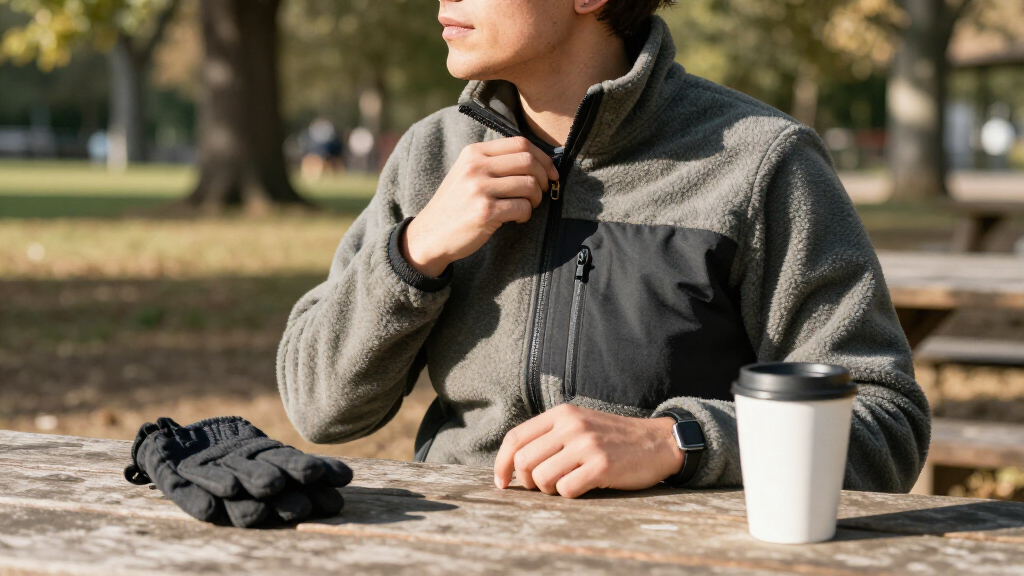
Choose adaptive features like magnetic closures or large pulls for easier dressing and removal.
Measure carefully and try garments on when possible to ensure a proper fit that traps heat without restricting movement.
Look for eco-friendly fabrics and inclusive designs that expand comfort and accessibility.
Stay updated on new materials and features that combine warmth, ease, and sustainability.
What Makes a Fleece-Lined Adaptive Piece Truly Warm and Easy to Wear?
Fleece-lined adaptive wear is all about balancing warmth with accessibility. The fleece acts like a soft, insulating blanket that traps heat close to your body, which is crucial for maintaining core warmth in cold environments. The outer layer’s role is equally important—protecting against wind and moisture can significantly enhance comfort and prevent heat loss. Choosing high-quality fleece that’s plush yet durable ensures longevity, especially with frequent washing, which is vital for cost-effective, long-term use. The softness of fleece influences comfort, but durability ensures the garment remains effective over time, reducing the need for frequent replacements.
Adaptive features like magnetic closures, Velcro straps, or easy-to-use zippers are designed to address common challenges—such as limited dexterity—making dressing less frustrating and more independent. For example, magnetic buttons don’t just simplify fastening; they reduce the risk of fumbling or injury, which is especially beneficial for users with arthritis or limited hand strength. The fit of these garments is equally critical: too tight, and they compress the fleece, diminishing insulation; too loose, and drafts can enter, reducing warmth. Ergonomic designs with slight relaxations or stretch panels help maintain a snug fit that preserves heat while allowing freedom of movement, which is essential for comfort and safety.
Understanding these core components helps in selecting clothing that effectively combines warmth, ease, and durability—key factors for reliable winter wear that supports independence.
fleece-lined adaptive clothing for cold weather
As an affiliate, we earn on qualifying purchases.
As an affiliate, we earn on qualifying purchases.
How to Pick the Right Adaptive Features for Cold Weather Comfort
- Magnetic Closures: These are particularly valuable because they allow for effortless fastening, which is essential for individuals with limited hand strength or dexterity. The magnets align easily, reducing frustration and the risk of improper fastening. This simplicity can encourage more frequent independent dressing, which boosts confidence and autonomy. However, the strength of the magnets must be balanced—too strong, and they may be difficult to separate; too weak, and they might come apart unintentionally. Considering the weight and magnetic field safety is also important, especially for individuals with pacemakers.
- Velcro Straps: These offer adjustability and a secure fit, which is vital for trapping heat effectively. The ability to fine-tune tightness ensures comfort and prevents drafts. Nonetheless, Velcro can attract lint and debris over time, which can diminish its effectiveness and aesthetic appeal. The tradeoff involves balancing ease of adjustability with maintenance—regular cleaning extends Velcro’s lifespan, but some users may find it less appealing visually or tactilely.
- Zippers with Large Pull Tabs: These are designed for easier gripping, especially for those with limited finger strength or tremors. The larger pulls reduce the effort needed to zip or unzip, encouraging independent dressing. Yet, zippers can sometimes jam or catch if not well-made, which might cause frustration or damage to the garment. Quality craftsmanship and smooth-operating zippers are essential to minimize these risks, ensuring long-term reliability.
- Stretchy Cuffs and Waistbands: These help trap heat by creating a snug fit around key areas while accommodating movement. They also prevent cold air from entering gaps. The tradeoff is that overly tight cuffs can restrict circulation or cause discomfort, so selecting the right level of stretch and fit is crucial. Properly designed elastic bands distribute pressure evenly and maintain their shape over time, supporting both warmth and comfort.
Choosing adaptive features is about understanding individual needs and the specific tradeoffs involved—prioritizing ease of use, durability, or aesthetic preferences to ensure the clothing supports warmth and independence effectively.
magnetic closure adaptive winter wear
As an affiliate, we earn on qualifying purchases.
As an affiliate, we earn on qualifying purchases.
Fleece Fabric Types and How They Impact Comfort and Durability
Not all fleece is created equal. The best fleece-lined adaptive wear uses high-quality polyester fleece, which feels soft and plush against your skin while resisting pilling and shrinking. The quality of fleece directly impacts how long the garment maintains its insulating properties; lower-quality fleece may become rough or develop pills after repeated washes, reducing comfort and effectiveness. Some fleece incorporates recycled fibers, making it eco-friendlier without sacrificing warmth—these options are increasingly popular as sustainability becomes a priority. The weight of fleece—measured in grams per square meter—also influences performance: thicker fleece (around 300 grams) provides substantial insulation for harsh winter conditions, while lighter fleece (around 150 grams) is suitable for layering or milder climates. The fiber length and weave tightness are critical: longer fibers and tighter weaves enhance softness and durability, resisting pilling and wear over time.
Industry insights show that fleece with a dense, tight weave tends to last longer and resist pilling, which is vital for garments subjected to frequent washing and daily use. This durability ensures that the garment remains effective over multiple seasons, reducing the need for costly replacements. Additionally, selecting fleece made from recycled or sustainable fibers aligns with environmentally responsible choices without compromising performance, allowing wearers to feel good about their purchase from both a comfort and ethical standpoint.
easy dress fleece-lined adaptive wear
As an affiliate, we earn on qualifying purchases.
As an affiliate, we earn on qualifying purchases.
Frequently Asked Questions
What should I look for to ensure fleece-lined adaptive clothing keeps me warm?
Choose garments with high-quality fleece, proper fit, and weather-resistant outer layers. Features like snug cuffs and adjustable closures also help trap heat effectively.Are fleece-lined adaptive clothes suitable for very cold environments?
They provide good insulation for most winter conditions, but for extreme cold, layering with thermal wear or adding a heated accessory can boost warmth.How do I know if a garment will be easy to put on and take off?
Look for adaptive features like magnetic closures, large zipper pulls, and stretchy fabrics. Trying on or measuring beforehand helps ensure ease of dressing.How should I care for fleece-lined adaptive clothing?
Follow manufacturer instructions—usually cold water washing and air drying preserve fleece and closures. Avoid fabric softeners, which can affect fleece softness.Are eco-friendly fleece options available?
Yes, many brands now offer fleece made from recycled materials, combining warmth with sustainability. Look for labels indicating recycled or eco-conscious fabrics.adaptive clothing for arthritis and limited dexterity
As an affiliate, we earn on qualifying purchases.
As an affiliate, we earn on qualifying purchases.
Conclusion
Picking fleece-lined adaptive wear isn’t just about staying warm — it’s about maintaining independence and dignity, even on the coldest days. Focus on quality fabrics, adaptive features, and fit to get the most out of your clothing.
Remember, a well-chosen piece can turn a challenging winter day into an opportunity for comfort and confidence. Warmth starts with smart choices—make yours today, and stay cozy with ease.
Columbus Day / Indigenous Peoples' Day Picks
long weekend sales
As an affiliate, we earn on qualifying purchases.