TL;DR

Get everyday helpers delivered free with Prime
- Fast, free delivery on millions of items
- Prime Video, Amazon Music and more included
- Member-only deals all year
Proper post-surgical clothing improves comfort and supports healing. Adaptive wear with easy closures, breathable fabrics, and protective designs helps recovery, especially when mobility is limited.
Prioritize clothing with easy closures like Velcro or magnets to simplify dressing and reduce stress.
Choose breathable, hypoallergenic fabrics to prevent irritation and support skin health.
Look for designs that protect your surgical site, such as open-back or wrap styles.
Recent innovations like magnetic fasteners and moisture-wicking fabrics make recovery easier and more comfortable.
Proper care of adaptive clothing prolongs its usefulness and keeps your skin healthy during healing.
Dressing After Surgery: Choosing Adaptive Wear
TL;DR: Proper post-surgical clothing improves comfort and supports healing. Adaptive wear with easy closures, breathable fabrics, and protective designs helps recovery when mobility is limited, turning dressing from a painful chore into a calmer daily routine.
Key insight: Adaptive features such as magnetic closures and adjustable fits can reduce dressing time by up to 50%, easing stress while protecting sensitive surgical areas.
What Matters Most After Surgery
After surgery, the best clothing minimizes pressure, reduces movement around the incision, and makes dressing possible with less bending, pulling, or reaching.
Easy Fastening
Velcro, magnetic snaps, and front-opening designs reduce strain when arms, shoulders, knees, or the core have limited range.
Gentle Materials
Bamboo, organic cotton, hypoallergenic blends, and moisture-wicking fabrics help keep skin dry and irritation-free.
Site-Safe Design
Open-back, wrap, and loose-fit garments protect dressings while giving caregivers easier access for wound care.
Comfort Is a Recovery Tool
Adaptive wear does not heal wounds by itself, but it can reduce stress, minimize friction, and support safer movement during the healing window.
Choose garments that reduce effort.
For knee surgery, elastic waists and side openings can replace tight waistbands. For breast or shoulder surgery, front-closure tops and soft hooks reduce painful reaching.
Side-by-Side Feature Check
Traditional clothing often assumes full mobility. Adaptive clothing is built for limited range, swelling, dressings, and the need for independent dressing.
| Feature | Traditional Clothing | Adaptive Clothing | Recovery Impact |
|---|---|---|---|
| Closures | ~ Buttons, zippers, tight necklines | ✓ Magnetic snaps, Velcro, front openings | Less reaching, pulling, and pain |
| Ease of Dressing | ✗ Difficult with limited mobility | ✓ Designed for independent dressing | More control and less frustration |
| Fabric | ~ Can be stiff, itchy, or warm | ✓ Stretchy, hypoallergenic, moisture-wicking | Lower irritation risk |
| Protection | ✗ Minimal incision shielding | ✓ Wrap and open-back designs | Better wound access and coverage |
Pick, Wear, Care, Transition
The best plan covers the whole garment lifecycle: what you buy, how it fits swelling and dressings, how you wash it, and when you move back to regular clothes.
Ask
Confirm garment type, compression needs, and incision access with your healthcare team.
Choose
Prioritize front closures, adjustable straps, stretch panels, and open designs.
Protect
Avoid friction, pressure points, tight seams, and fabric that traps moisture.
Care
Wash cold with mild detergent; avoid bleach and high heat to preserve elasticity.
Switch
Return to regular clothes when wounds are closed, swelling eases, and movement improves.
Common Questions, Clear Answers
Adaptive clothing should match your surgery, skin sensitivity, swelling pattern, and daily support needs.
Can it handle swelling?
Yes. Look for stretchy, adjustable garments that expand as your body changes and avoid pressure on sensitive areas.
Is it useful for all surgeries?
Yes. Shoulder, knee, breast, abdominal, and mobility-limiting procedures can all benefit from tailored adaptive options.
What fabric is best?
Choose hypoallergenic, organic, breathable, or moisture-wicking materials that keep skin dry and calm.
Can it still look good?
Yes. Many newer designs combine medical function with modern silhouettes, softer textures, and inclusive sizing.
The Recovery Chain
Good post-surgical clothing connects practical design choices to comfort, independence, and confidence.
Adjustable
Works with swelling and dressings.
Soft
Limits irritation and friction.
Simple
Reduces dressing time and effort.
Protective
Shields the surgical site.
Washable
Stays gentle with proper cleaning.
Empowering
Supports routine and confidence.
Why Comfort and Ease of Use Matter More Than Ever After Surgery
After surgery, your body needs gentle handling. Clothing that’s easy to put on and take off can cut dressing time by half and reduce frustration. Think of a patient recovering from knee surgery who struggles with buttons or tight waistbands — adaptive wear with elastic or Velcro makes all the difference. Comfort isn’t just luxury; it’s a healing tool. Fabrics like bamboo or moisture-wicking blends keep skin dry, prevent irritation, and feel like a second skin.
For example, a woman recovering from breast surgery found that front-closure bras with soft hooks eased her daily routine. Less pain, less hassle, faster healing.
adaptive post-surgical clothing with magnetic closures
As an affiliate, we earn on qualifying purchases.
As an affiliate, we earn on qualifying purchases.
Top Features to Look for in Post-Surgical Adaptive Clothing
When choosing post-surgical wear, focus on features that make dressing easier and protect your surgical site. Here’s a quick list:
- Front closures like Velcro or magnetic fasteners
- Adjustable straps for a customizable fit
- Soft, breathable fabrics that prevent irritation
- Open-back or wrap designs for easy dressing without moving much
- Elastic or stretch fabrics to accommodate swelling
These features are crucial because they directly influence how independently you can dress yourself and how well your surgical area is protected. For instance, front-opening garments reduce the need to lift or stretch limbs, minimizing strain and potential injury. Soft, breathable fabrics prevent skin irritation and infections, which are common concerns during healing. Open-back or wrap styles allow easy access for wound care, reducing the need for painful repositioning or complicated dressing changes. The tradeoff often lies in style versus function; prioritizing ease and protection may mean sacrificing some fashion elements, but the benefits for healing are significant.
breathable hypoallergenic recovery shirts
As an affiliate, we earn on qualifying purchases.
As an affiliate, we earn on qualifying purchases.
How Recent Innovations Are Making Dressing Easier and Safer
Recent advances in adaptive clothing are revolutionizing recovery by combining safety, convenience, and comfort. Fabrics now incorporate moisture-wicking technology to keep skin dry, which reduces the risk of infections and irritation. Bacteria-resistant finishes add an extra layer of protection, especially important for wounds that need to stay clean. Magnetic closures replace traditional buttons or zippers, offering a faster, less painful way to dress, particularly for patients with limited dexterity or pain. Modular clothing options, where pieces can be mixed and matched, allow customization based on the specific surgical site and body shape, enhancing comfort and functionality. These innovations are not just about convenience; they directly impact healing by reducing stress, minimizing movement that can reopen wounds, and promoting better hygiene. The tradeoff might include higher costs or limited style options, but the safety and ease they provide are often worth it.
As an affiliate, we earn on qualifying purchases.
Compare Top Adaptive Clothing Features Side-by-Side
| Feature | Traditional Clothing | Adaptive Clothing |
|---|---|---|
| Closures | Buttons, zippers, tight necklines | Magnetic snaps, Velcro, front-opening designs |
| Ease of Dressing | Can be difficult with limited mobility | Designed for easy, independent dressing |
| Fabric | Varies, often stiff or itchy | Moisture-wicking, hypoallergenic, stretchy |
| Protection | Minimal, often requires layering | Open-back, wrap styles for wound protection |
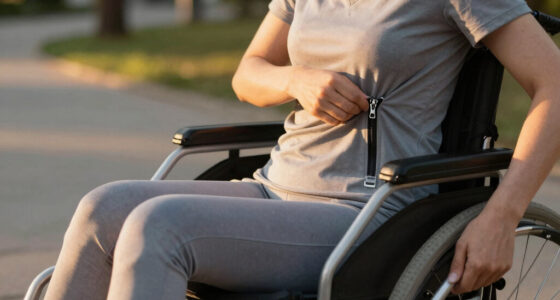
adaptive clothing for limited mobility
As an affiliate, we earn on qualifying purchases.
As an affiliate, we earn on qualifying purchases.
Practical Tips for Picking and Caring for Your Post-Surgical Wear
Choosing the right garments is just the start. Caring for them keeps your recovery on track. Here are some tips:
- Opt for gentle, hypoallergenic detergents to prevent skin irritation.
- Wash clothes in cold water to maintain fabric elasticity and color.
- Avoid high heat or bleach, which can damage sensitive fabrics.
- Follow manufacturer instructions for cleaning and storage.
For instance, a patient with skin allergies found that organic cotton adaptive shirts washed with mild soap stayed irritation-free through her entire recovery.
When Should You Switch to Regular Clothes?
There’s no fixed timeline — it depends on your healing rate and your doctor’s advice. Many patients start wearing normal clothes once wounds are closed and mobility improves, often after 2-4 weeks. However, some might need longer if mobility is limited or if swelling persists.
For example, someone recovering from abdominal surgery gradually transitioned from adaptive waistbands to regular pants as swelling subsided and strength returned.
Your Questions About Post-Surgical Adaptive Wear Answered
Q1: Can adaptive clothing accommodate swelling and dressings? Yes. Look for stretchy, adjustable garments that can expand as your body changes. Open designs help prevent pressure on sensitive areas.
Q2: Are there styles suitable for all surgeries? Absolutely. Whether it’s a shoulder, knee, or abdominal operation, there are adaptive options tailored to your needs.
Q3: How do I choose the best fabric for sensitive skin? Opt for hypoallergenic, organic, or moisture-wicking materials that reduce irritation and keep your skin dry.
Q4: Can adaptive wear be stylish? Yes. Many brands now combine functional design with modern aesthetics, so you don’t have to sacrifice style for comfort.
Conclusion
Picking the right post-surgical clothing isn’t just about comfort. It’s a vital part of your recovery. Well-designed adaptive wear can turn dressing from a chore into a manageable, even empowering, part of healing.
Remember, your body’s needs are unique. Don’t hesitate to ask your healthcare team for personalized advice. With the right clothing, you’ll move toward full recovery with confidence and ease. After all, healing should feel as gentle as a soft, supportive hug.
Columbus Day / Indigenous Peoples' Day Picks
long weekend sales
As an affiliate, we earn on qualifying purchases.