
TL;DR
Listen free for 30 days with Audible
Thousands of audiobooks and originals — cancel anytime.
Start your free trialAs an affiliate, we earn on qualifying purchases.
Adaptive clothing for one-handed dressing simplifies getting dressed using features like magnets, large zippers, and wide openings. Proper techniques and aids boost independence, safety, and comfort, making daily routines smoother.
Imagine trying to put on a shirt with only one hand. Frustrating, right? Now picture a wardrobe full of clothes designed specifically to make that task easier. That’s what adaptive clothing for one-handed dressing is all about. It’s about more than just ease — it’s about dignity, independence, and feeling in control of your day.
In this guide, you’ll learn how these clothes work, what features make a difference, and real-world tips to help you dress faster, safer, and more confidently. Whether you’re recovering from an injury or managing a long-term condition, these ideas can change your routine — for good.
Practical independence guide · One-handed dressing
Adaptive Clothing for One-Handed Dressing
Smarter garments turn a difficult daily task into a manageable routine. Magnetic closures, large zipper pulls, stretch fabrics, and wide openings reduce the need for fine motor control—supporting safety, comfort, dignity, and personal style.
Small details make a major difference
Effective adaptive clothing reduces precision, grip strength, reach, and coordination demands. The right combination depends on mobility, sensation, balance, pain, and personal preference.
Magnetic fasteners
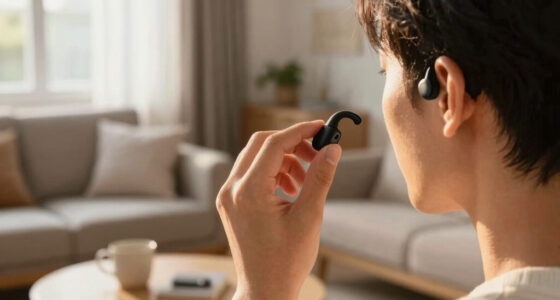
Replace small buttons and difficult clasps on shirts, jackets, cuffs, and waistbands. They align quickly without precise finger movements.
Large zipper pulls
Rings, cords, loops, and oversized tabs create a larger target for the stronger hand. Some systems also help align the zipper base.
Wide openings
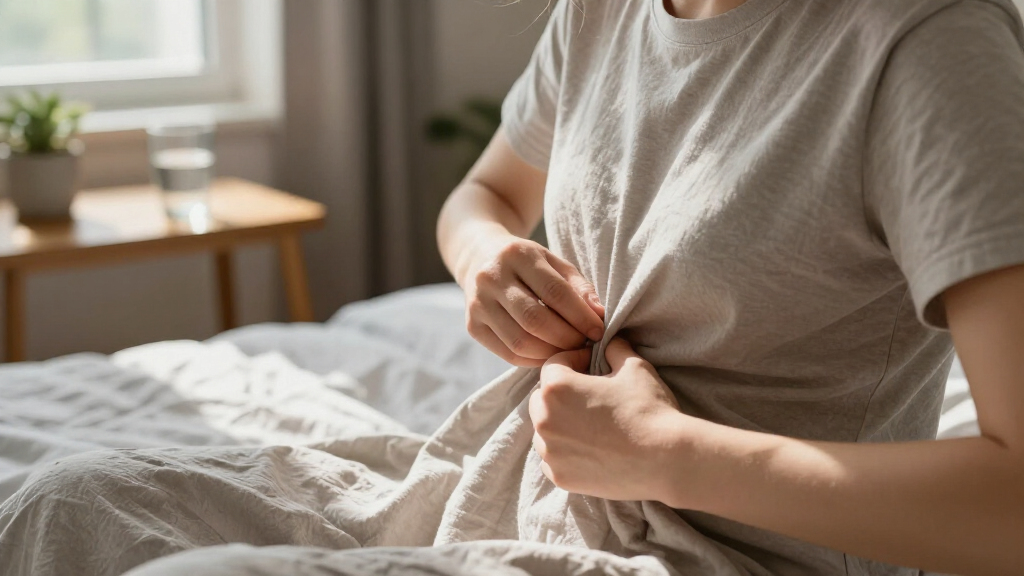
Generous necklines, armholes, cuffs, and trouser legs reduce awkward pulling, precision, and demanding ranges of motion.
Elastic waistbands
Remove conventional buttons, hooks, and flies. Accessible side tabs or drawcords can add fit control without complex fastening.
Stretch and smooth linings
Soft, flexible fabrics and low-friction interiors help garments slide over a weaker, painful, swollen, or sensitive limb.
Reversible designs
Symmetrical garments reduce the need to identify the front, back, or correct direction before dressing begins.
Match the feature to the user
No fastener is universally best. Compare ease, grip demands, comfort, maintenance, and safety before building an adaptive wardrobe.
| Feature | One-hand ease | Grip needed | Best use | Tradeoff |
|---|---|---|---|---|
| Magnetic closures | Shirts, cuffs, jackets | Medical-device precautions | ||
| Hook-and-loop | Waists, shoes, side openings | Lint, noise, skin irritation | ||
| Large zipper pull | Jackets, trousers, dresses | Base alignment may be difficult | ||
| Elastic waistband | Trousers, skirts, underwear | Fit may be less adjustable | ||
| Small buttons | Traditional formalwear | Requires precision and dexterity |
Magnet safety comes first
Magnetic clothing may be unsuitable for people with certain implanted medical devices. Follow the device manufacturer’s instructions and ask a qualified clinician before choosing magnetic fasteners.
A repeatable one-handed routine
Prepare the garment, work with the affected side first, and use the stronger hand for positioning and fastening. Move slowly enough to protect painful joints and maintain balance.
Stage on the lap
Place the shirt inside-up with the openings easy to identify.
Weaker arm first
Guide the affected arm fully into its sleeve before moving on.
Move across
Pull the garment across the back or carefully over the head.
Stronger arm next
Insert the stronger arm while the garment is already anchored.
Fasten and adjust
Use the stronger hand to close, smooth, and check comfort.
For trousers: dress while seated, place the weaker leg in first, add the stronger leg, pull the garment above the knees, then stand only with appropriate support.
Prioritize effort-saving features
This relative-usefulness view summarizes common benefits rather than universal clinical scores. Personal testing remains essential.
Feature usefulness
Indicative value for reducing one-handed dressing effort
What to know before you begin
The goal is not merely faster dressing. It is a consistent routine that protects energy, balance, skin, comfort, and confidence.
Can someone dress independently with one hand?
Yes. Many people dress independently with adaptive garments, suitable aids, and practiced techniques. Success depends on individual strength, coordination, mobility, sensation, and balance.
What clothing is usually easiest?
Pull-on garments, elastic waistbands, wide necklines, stretch fabrics, and magnetic or hook-and-loop closures generally require fewer precise movements.
Who may benefit?
Potential users include people recovering from stroke, surgery, fracture, or amputation, and those managing arthritis, tremor, limb differences, pain, or reduced grip strength.
When should professional advice help?
An occupational therapist can match clothing and equipment to balance, cognition, pain, range of motion, sensation, and the cause of one-handed use.
Build the wardrobe around real movement
Test garments while seated and standing, check that pockets are reachable with the stronger hand, avoid pressure points, and choose features that support both personal style and daily ability.
What makes adaptive clothing for one-handed dressing so effective?
Adaptive clothing is designed to cut down the struggle and increase independence. The secret lies in clever features like magnetic closures, oversized zippers, and wide openings. These features are not just about convenience; they have profound implications for autonomy and dignity. For instance, magnetic closures allow a person with limited dexterity to fasten garments without fine motor skills, reducing frustration and fatigue. Oversized zippers and wide openings eliminate the need for complex grasping or precise movements, which can be particularly beneficial for those with arthritis or after surgery. The tradeoff often involves a slight compromise in aesthetic subtlety—some designs may look more utilitarian—but many brands now focus on blending function with fashion. Ultimately, these features empower users to dress more independently, which can have a meaningful impact on mental health, self-esteem, and quality of life.
magnetic closure adaptive shirts for one-handed dressing
As an affiliate, we earn on qualifying purchases.
As an affiliate, we earn on qualifying purchases.
How to choose clothing that makes one-handed dressing easier
Choosing the right clothing is about understanding how each feature supports your specific needs and the implications for daily life. For example, pull-on styles with elastic waistbands eliminate the need for buttons or zippers, which are often challenging for one hand. Wide necklines and armholes reduce the effort required to maneuver garments over the head or limbs, decreasing the risk of strain or injury. When selecting clothing, consider the tradeoffs: magnetic closures are quick and easy but may not be suitable for individuals with certain medical devices. Larger zippers provide a secure closure but require some grip strength. Fabrics that are stretchy and soft facilitate easier movement and comfort but may wear out faster if not durable. Open-back or side-opening designs can greatly simplify dressing, especially for those with limited mobility, but may require specific styling choices. By prioritizing features that align with your abilities and lifestyle, you can make dressing less stressful and more consistent, reinforcing independence and reducing the likelihood of falls or discomfort.
large zipper pull clothing for disabilities
As an affiliate, we earn on qualifying purchases.
As an affiliate, we earn on qualifying purchases.
Top 5 dressing hacks for one-handed dressing success
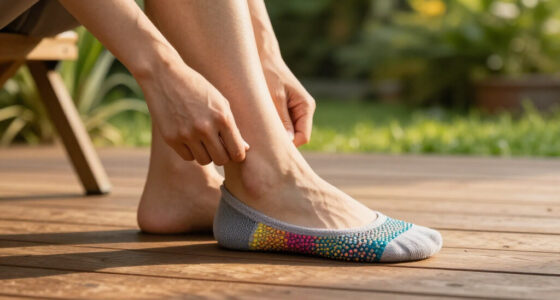
Effective dressing techniques are essential to maximize the benefits of adaptive clothing. For example, dressing the weaker side first minimizes the need for awkward movements, saving energy and reducing frustration. Using your lap as a staging area helps guide garments over limbs, providing stability and control. Carefully pulling clothes over the head with wide neck openings prevents strain and reduces the risk of garments slipping or causing injury. Leveraging dressing aids like zipper pulls, sock aids, and reachers extends your reach and grip, making challenging tasks easier and safer. Sitting during dressing not only increases stability but also reduces the risk of falls, especially for those with balance issues. These hacks are not just about convenience—they influence safety, endurance, and emotional well-being. Developing a routine that incorporates these strategies can transform dressing from a frustrating chore into a manageable part of daily life, fostering confidence and independence.
adaptive clothing with wide openings
As an affiliate, we earn on qualifying purchases.
As an affiliate, we earn on qualifying purchases.
Frequently Asked Questions
What is adaptive clothing?
Adaptive clothing is specially designed or modified apparel that makes dressing easier, safer, and more comfortable for people with limited mobility, disabilities, or medical needs. It often features easier closures, wider openings, and adjustable elements to support independence.
Can someone really dress independently with only one hand?
Yes. Many people use adaptive features like magnetic closures, large pulls, and clever techniques to dress alone. Success depends on individual strength, coordination, and the right clothing choices, but independence is very achievable.
What clothing is easiest to put on with one hand?
Pull-on garments with elastic waistbands, wide necklines, magnetic or hook-and-loop closures, and stretch fabrics tend to be easiest. The choice of clothing should also consider the tradeoff between ease of use and aesthetic preferences, as some adaptive features may be more utilitarian. Trying different styles and consulting an occupational therapist can help identify the best options for your needs.
Are magnetic buttons safe?
Magnets are convenient but may interfere with certain medical devices like pacemakers. It’s essential to follow your healthcare provider’s guidance and check device manufacturer instructions before choosing magnetic clothing. Understanding these tradeoffs helps ensure safety without sacrificing independence.
How can I improve my dressing technique?
Start with the weaker side to conserve energy and improve control. Sitting during dressing provides stability and reduces fall risk. Use dressing aids like zipper pulls, sock aids, and reachers to extend your capabilities. Breaking the process into smaller steps and practicing regularly can build confidence and efficiency. Recognizing the tradeoffs—such as the need for patience versus speed—can help you develop routines that maximize safety and independence.
As an affiliate, we earn on qualifying purchases.
Conclusion
Adaptive clothing for one-handed dressing isn’t just a convenience — it’s a pathway to reclaiming independence and dignity. With the right features and techniques, dressing becomes a quick, safe, and even enjoyable part of your day.
Imagine a wardrobe where every item supports your lifestyle, making every morning a moment of empowerment. That’s the promise of thoughtful adaptive design — and it’s within your reach.
Grilling season Picks
grills
As an affiliate, we earn on qualifying purchases.