
TL;DR
Open a free Amazon Business account
Business pricing, bulk buying and tax-exempt orders.
Create a free accountAs an affiliate, we earn on qualifying purchases.
Adaptive sleepwear simplifies nighttime routines by offering easy fastenings, caregiver access, and comfort features. It helps maintain independence and dignity while managing medical or mobility challenges.
Imagine slipping into pajamas that feel almost like regular clothing, yet are designed to make your night easier. No fiddling with tiny buttons or stubborn zippers. Instead, you get smooth, accessible fastenings that support independence and comfort. That’s the promise of adaptive sleepwear — it’s not just for medical needs, but for anyone wanting a more dignified, hassle-free bedtime.
Whether you’re caring for someone or yourself, knowing what to look for can turn sleepless nights into peaceful, restful ones. This guide will show you how adaptive sleepwear works, what features matter most, and how to choose garments that truly support your needs.
Choose fastenings like magnets or large snaps to support independence and reduce frustration.
Prioritize fit and fabric softness over style to prevent discomfort and skin irritation.
Match sleepwear design to daily routines—bed dressing vs. independent dressing—using features like open-back or front-opening styles.
Layer breathable, moisture-wicking fabrics to manage temperature swings and night sweats.
Regularly inspect and replace worn sleepwear to ensure ongoing safety and comfort.
Adaptive Sleepwear for Easier Nights
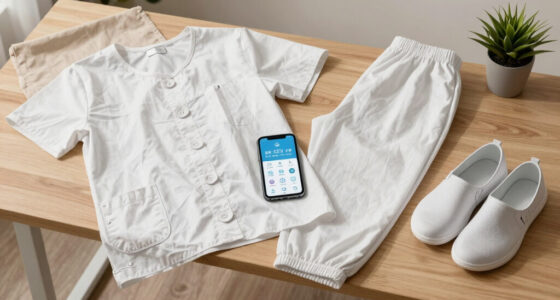
Sleepwear can feel like ordinary pajamas while quietly solving difficult nighttime tasks. Accessible fastenings, thoughtful openings, softer construction, and room for care needs can reduce frustration while supporting comfort, independence, and dignity.
Six features that change the bedtime experience
Adaptive design reduces the dexterity, strength, balance, and range of motion required to dress. The best choices also account for skin, equipment, temperature, sensory comfort, and the wearer’s personal style.
Easy to operate
Magnets, large snaps, fastening tabs, and oversized zipper pulls can replace tiny buttons or stiff conventional zippers.
Open where needed
Side, front, or overlapping-back access can simplify toileting, medical checks, continence care, and changing in bed.
Smooth under pressure
Flat seams, soft labels, relaxed cuts, and carefully positioned closures help reduce rubbing and localized pressure.
Room without excess
Stretch panels and nonbinding cuffs allow movement and space for continence products, braces, tubes, or other devices.
Breathable layers
Moisture-managing, washable fabrics can support night sweats and temperature changes. Light layers are often more flexible than one heavy garment.
Quiet against skin
Tag-free construction, minimal seams, predictable stretch, and fasteners that do not touch the skin can reduce sensory distress.
From garment detail to a calmer night
A small design decision can create a meaningful chain of benefits for the wearer and the person assisting them.
Adaptive does not have to look medical.
Contemporary colors, discreet openings, inclusive sizing, and conventional pajama styling can deliver function without visually labeling the wearer. Universal-design details may help disabled and nondisabled wearers alike.
Pick the right sleepwear in five decisions
Begin with the real dressing routine, then work outward to access, skin comfort, fit, and appearance.
Start with the hands involved
For independent dressing, prioritize reachable front closures, wide openings, and easy-grip pulls. For assisted dressing, assess the caregiver’s safest working position.
Match the opening to the routine
Bed dressing may favor open-back or side-fastening designs. Standing or seated dressing may work better with conventional-looking front-opening pajamas.
Map care and equipment
Identify tubes, ports, ostomy appliances, monitors, braces, continence products, and toileting needs before choosing where a garment opens.
Choose fabric and construction
Seek breathable softness, flat seams, nonbinding edges, removable or printed labels, and moisture management suited to the wearer’s sensitivities.
Protect choice and identity
Select a preferred color, pattern, and silhouette. A garment that looks familiar and feels attractive can reduce stigma and encourage regular use.
Three popular designs, side by side
The best option depends on who is dressing, how frequently access is needed, and how much the wearer values a conventional pajama appearance.
| Feature | Front-opening pajamas | Open-back gowns | Side-opening sets |
|---|---|---|---|
| Independent dressing | ✓High—reachable closures support self-dressing. | ✕Usually requires assistance to secure correctly. | ~Varies with closure position and dexterity. |
| Bedside dressing | ~Possible, but may require more movement. | ✓Designed for assisted dressing with limited rolling. | ✓Strategic side access can reduce full undressing. |
| Privacy and coverage | ✓Full, familiar coverage when fastened. | ✓Overlapping panels can limit exposure during care. | ✓Selective access supports quick changes. |
| Best suited to | Independent dressing, sensory preferences, and traditional styling. | Bed care, limited mobility, and frequent medical monitoring. | Toileting, continence care, and rapid caregiver access. |
| Appearance | ✓Most similar to conventional pajamas. | ~Highly functional but may appear gown-like. | ✓Casual, versatile, and often discreetly adaptive. |
✓ strong fit ~ depends on design or routine ✕ usually not the primary strength
Match the feature to the situation
These bars show relative usefulness by routine, not clinical scores. Always test a garment with the wearer’s actual movement, equipment, and care setup.
Feature usefulness
Qualitative fit for common nighttime priorities.
Access spectrum
Position the garment according to who needs access and when.
Important: Magnetic closures can be convenient, but they may be unsuitable around pacemakers, implants, or other medical devices. Confirm compatibility with the device manufacturer or healthcare professional.
A safer, more comfortable checklist
Sizing labels alone are not enough. Measure, inspect closure placement, consider laundering, and review how the garment behaves during real nighttime movement.
Measure precisely
Compare chest, waist, hip, rise, sleeve, and inseam measurements with the specific brand chart. Avoid restrictive edges and loose fabric that may catch on equipment.
Check every contact point
Make sure fasteners, seams, and openings do not press against feeding tubes, oxygen equipment, ports, monitors, braces, or implanted devices.
Inspect after wear
Look for redness, rubbing, dampness, bunching, and pressure marks. Adaptive sleepwear supports comfort but does not replace clinical pressure-injury prevention.
Favor easy care
Choose washable, quick-drying materials and confirm that repeated laundering will not weaken closures, roughen seams, or distort the fit.
Test the full routine
Practice dressing, toileting, repositioning, and equipment access before relying on a garment overnight. Confirm that coverage remains secure.
Replace worn garments
Regularly inspect pulls, snaps, magnets, elastic, seams, and fabric. Replace sleepwear when damage affects safety, comfort, or reliable closure.
Why Adaptive Sleepwear Is a Game-Changer for Nighttime Independence
Adaptive sleepwear is designed to make dressing and undressing easier, especially for those with limited dexterity or mobility. Features like magnetic closures and wide necklines remove the struggle of tiny buttons and stiff zippers. These features are not just about convenience—they can profoundly impact a person’s sense of independence. For example, a person with arthritis might find traditional fastenings impossible or painful, leading to frustration and reliance on caregivers. By simplifying these tasks, adaptive sleepwear fosters autonomy, which boosts confidence and reduces caregiver burden.
Beyond ease, these garments support dignity by looking like regular pajamas, not medical uniforms. They help keep the night peaceful, reducing the stress of dressing and undressing, whether done by the person themselves or a caregiver. The implications are significant: increased independence can improve sleep quality, emotional well-being, and overall quality of life, especially for vulnerable populations.
adaptive sleepwear with magnetic closures
As an affiliate, we earn on qualifying purchases.
As an affiliate, we earn on qualifying purchases.
Key Features That Make Adaptive Sleepwear Easier to Use
Not all adaptive sleepwear is created equal. But certain features consistently improve usability and safety, and understanding why they matter can help you make better choices. Large zippers and pulls, for instance, are not just about easier grip—they also reduce the risk of accidental injury or frustration caused by small, hard-to-manage fasteners. Magnetic closures, while convenient, must be selected carefully because they can potentially interfere with medical devices like pacemakers or implants. Open-back or overlapping designs support caregivers during bed changes, reducing physical strain and making nighttime care less disruptive.
Flat seams and tagless fabrics aren’t just comfort features—they prevent skin irritation, which is especially important for sensitive skin or conditions like eczema. Roomy fits and stretch fabrics aren’t merely for comfort—they also accommodate medical devices such as catheters, braces, or feeding tubes, ensuring safety without restricting movement. These features, when chosen thoughtfully, can dramatically improve safety, ease of use, and dignity, transforming the sleep experience for both wearer and caregiver.
As an affiliate, we earn on qualifying purchases.
How to Pick the Perfect Adaptive Sleepwear in 5 Easy Steps
Selecting the right sleepwear involves understanding how each feature aligns with daily routines and individual needs. Asking these questions helps clarify what design elements will make bedtime easier and safer. For example, considering who will put it on—the wearer or a caregiver—determines whether front, side, or back openings are preferable. Bedside dressing may benefit from open-back or side-fastening designs, reducing strain on caregivers and making the process less invasive. When medical devices or tubes are involved, accessible openings are crucial for monitoring and care without full undressing, which can reduce discomfort and stress.
Fabric choice matters because it impacts skin health and climate comfort. Breathable cotton minimizes irritation for sensitive skin, while moisture-wicking fabrics help manage night sweats, preventing discomfort and skin issues. Personal style and appearance shouldn’t be overlooked; adaptive sleepwear that looks like regular pajamas can promote confidence and reduce stigma. Weighing these factors helps you select garments that not only meet functional needs but also support emotional well-being, making bedtime a more positive experience.
adaptive nightwear for mobility challenges
As an affiliate, we earn on qualifying purchases.
As an affiliate, we earn on qualifying purchases.
Compare Popular Adaptive Sleepwear Styles Side-by-Side
| Feature | Front-Opening Pajamas | Open-Back Gowns | Side-Opening Sets |
|---|---|---|---|
| Ease of dressing | High — simple to put on from the front, supporting independent dressing and reducing caregiver effort. | Moderate — typically requires assistance, but can be easier for certain medical needs or limited mobility. | High — accessible from the side or front, especially useful for toileting and quick changes without full undressing. |
| Privacy & coverage | Good — provides full coverage when fastened properly, maintaining dignity even during independent dressing. | Excellent — minimal exposure during dressing, which helps preserve dignity for those with sensitive or vulnerable conditions. | |
| Ideal for | Support for independent dressing, sensory sensitivities, or those who prefer traditional-looking pajamas. | Medical access, bedside dressing, or situations requiring frequent monitoring. | Caregiving scenarios, toileting ease, or situations requiring quick and accessible changes. |
| Appearance | Resembles conventional pajamas, which can boost confidence and reduce stigma. | Often looks medical or gown-like, which may be less appealing but highly functional. | Casual, comfortable, and versatile, blending style with practicality. |
Matching features with personal needs helps you choose the best style. For instance, a person needing frequent toileting might prefer side-opening sets, while someone seeking independence may choose front-open pajamas. Understanding the tradeoffs—such as ease of dressing versus appearance—can ensure a choice that balances safety, dignity, and usability.
front opening sleepwear for independence
As an affiliate, we earn on qualifying purchases.
As an affiliate, we earn on qualifying purchases.
Important Things to Know Before Buying Adaptive Sleepwear
Understanding key facts can save you time and frustration—and ultimately lead to better sleep experiences. Fit is paramount because improper sizing can cause discomfort, skin irritation, or safety hazards like restricted circulation. Since sizing varies across brands, taking precise measurements and consulting size charts is essential. Magnetic closures are convenient but may pose risks if they interfere with medical devices; always verify compatibility with healthcare providers. Fabric choice impacts not just comfort but also safety—soft, breathable, and easy-to-wash fabrics prevent skin issues and infections.
Design features should align with the user’s mobility level and care routines. For example, seamless, tagless fabrics reduce skin irritation, and open-back designs facilitate caregiver assistance without compromising dignity. Replacements and return policies are critical, especially when shopping online, because ill-fitting or unsuitable garments can lead to discomfort or safety concerns. Considering these points ensures that your investment enhances comfort, safety, and independence in a sustainable way.
Keep Nighttime Comfort and Safety in Check With These Tips
Ensuring a good night’s sleep isn’t just about the pajamas. It’s about the whole environment—creating a safe, comfortable space that supports restful sleep. Layering clothing allows for temperature regulation—using breathable fabrics for warm nights and warmer layers for cold—preventing overheating or chills that can disturb sleep. Regularly inspecting fasteners ensures that magnets remain secure and zippers function properly; worn or broken fasteners can become safety hazards or cause frustration during dressing.
Moisture-wicking fabrics are especially important if night sweats are common, as they help keep skin dry, reducing discomfort and skin issues like rashes or infections. Choosing garments with easy toileting access minimizes interruptions, which not only supports dignity but also promotes better sleep continuity. Maintaining sleepwear in good condition—replacing worn or damaged pieces—prevents safety risks like loose threads or broken fasteners that could cause injury or entrapment. Simple adjustments, like layering a moisture-wicking top under a cozy set, can significantly improve comfort without complicating dressing routines.
Frequently Asked Questions
What is adaptive sleepwear?
Adaptive sleepwear refers to clothing designed with features like easy fastenings, open-access panels, and soft fabrics to support easier dressing, undressing, and care routines for people with mobility, sensory, or medical needs.Who benefits most from adaptive sleepwear?
People of all ages with mobility challenges, sensory sensitivities, medical devices, or recovering from surgery. It also helps caregivers and loved ones managing nighttime care routines.Are magnetic closures safe for everyone?
Magnetic closures are convenient but should be used cautiously around certain medical devices like pacemakers or implants. Always follow healthcare provider guidance and check garment warnings.Can adaptive sleepwear look stylish?
Yes. Many brands now design adaptive sleepwear that resembles regular pajamas, with contemporary colors, patterns, and cuts that support personal style while offering accessibility.How do I wash and care for adaptive sleepwear?
Follow the manufacturer’s instructions carefully. Close fasteners before washing, inspect for wear or damage, and wash at recommended temperatures to maintain safety features and fabric integrity.Conclusion
Good sleep is essential — and adaptive sleepwear makes that possible for everyone, regardless of mobility or medical needs. Think of it as a gentle bridge between independence and safety, wrapped in style and comfort. Choosing the right design turns bedtime from a struggle into a moment of peace and dignity.
Remember, a well-fitting, thoughtfully designed garment isn’t just clothing — it’s a tool for a better night’s sleep and a more confident tomorrow. So, take these tips, find what works best, and make every night easier and safer.
Pool season Picks
robotic pool cleaners
As an affiliate, we earn on qualifying purchases.