
TL;DR
Open a free Amazon Business account
Business pricing, bulk buying and tax-exempt orders.
Create a free accountAs an affiliate, we earn on qualifying purchases.
Wide and adjustable-fit shoes provide extra space and flexibility for feet that need more room. Proper fit depends on length, width, and volume, not just size labels. Choosing the right shoes improves comfort, reduces pain, and supports independence.
Ever tried on what looked like a comfortable shoe, only to find your toes squeezed or your heel slipping? You’re not alone. Many people struggle to find footwear that truly fits their wide or changing feet. The right shoes can make a world of difference—less pain, more confidence, greater freedom.
This guide walks you through the essentials of wide and adjustable shoes. Whether you’re dealing with swelling, bunions, orthotics, or just a naturally broad foot, understanding fit, shape, and features helps you choose shoes that support your independence and dignity.
Foot width varies independently of body size; always measure both feet for accurate fit.
Proper fit involves length, width, and volume, not just size labels or shoe shape.
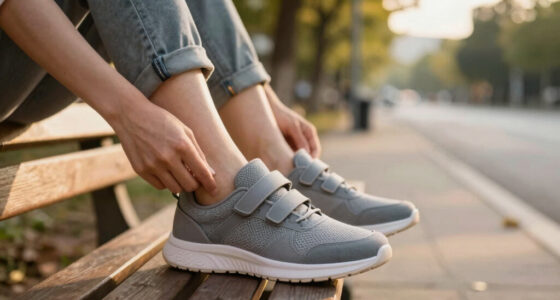
Adjustable closures like laces and straps provide flexibility for changing foot volume and swelling.
Extra depth and width serve different needs—choose based on your specific foot shape and activity.
Regular remeasurement is essential, especially if your health, weight, or activity level changes.
A Guide to Wide and Adjustable-Fit Shoes
Feet that need more room deserve more than a larger size. The best fit balances length, width, depth, volume, and heel security—then adds the right level of adjustment for comfort that lasts throughout the day.
Length, width, and volume must work together.
Fit the larger foot when measurements differ.
Typical space ahead of the longest toe.
Feet may be slightly larger after daily activity.
Think beyond the size label
A comfortable shoe supports the entire shape of the foot. Going up a full size may add a little width, but it also adds length—often causing heel slip, instability, blisters, and reduced control.
Length
The longest toe needs movement space without the foot sliding forward. The foot’s widest point should also align with the shoe’s widest point.
Width & toe shape
The forefoot should not be squeezed or spill over the sole. A broad, deep toe box matters for bunions, hammertoes, and natural toe spreading.
Volume & heel
Instep depth must accommodate the foot or orthotic while the heel stays secure. Extra width cannot correct every depth or volume problem.
What each design feature changes
Room and flexibility solve different problems
Wide shoes provide more side-to-side space. Adjustable shoes let you fine-tune the hold as foot volume, swelling, activity, or orthotic use changes. Many people benefit from both.
Wide fit
Best when the foot is naturally broad or the forefoot needs reliable space. Prioritize the shoe’s internal shape and toe box—not only a Wide or 2E label.
Adjustable fit
Best when swelling varies, orthotics change volume, or easier dressing is important. Laces and straps can improve both comfort and independence.
| Feature | Precision | Ease of use | Changing swelling | Fit control |
|---|---|---|---|---|
| Laces | ✓ High | ~ Moderate | ✓ Strong | Adjust separate areas of the foot. |
| Hook-and-loop straps | ✓ Good | ✓ Easy | ✓ Excellent | Quick changes with limited dexterity. |
| Zipper + strap | ~ Moderate | ✓ Easy | ~ Good | Fast entry with added security. |
| Elastic or stretch upper | ~ Variable | ✓ Easy | ✓ Good | Relieves pressure but may reduce structure. |
| Slip-on | ✗ Low | ✓ Very easy | ✗ Limited | Convenient, with less control over fit. |
Measure and test like a professional
Use the socks, orthotics, or braces you normally wear. Test both fit and movement on a firm surface; ramps or stairs can reveal heel slip and instability that standing still may hide.
Measure late
Measure while standing, ideally later in the day.
Check both feet
Record length and width; fit the larger foot.
Align the widest points
Foot and shoe should bend in the same place.
Test toe and heel
Toes move freely while the heel remains secure.
Walk and adjust
Check pressure, sliding, balance, and control.
Your feet should not be forced to adapt
Pain and instability are fit information—not inconveniences to ignore. Persistent pressure can contribute to blisters, calluses, corns, reduced confidence, and unsafe walking.
What to do: Stop relying on the size label. Recheck length, width, toe-box shape, instep volume, and heel security. If pain, wounds, numbness, or circulation concerns persist, seek advice from a qualified foot-health professional.
Look for features that solve your specific fit problem
The ideal shoe is not simply the widest available. It combines enough room with appropriate support, secure movement, easy entry, and the structure required for daily activity.
Broad, deep toe box
Choose minimal internal seams and a soft or stretchable upper without sharp tapering.
Wide adjustment range
Use a large opening with straps or laces that work at both lower- and higher-volume periods.
Removable insoles
Prioritize extra depth, internal space, and a stable heel counter for controlled support.
Simple secure closure
Hook-and-loop straps or zipper combinations can make independent dressing easier.
Feet can change
Age, pregnancy, weight changes, injury, medical conditions, and activity levels can alter shoe fit. Remeasure periodically.
Fit the foot—not the label
Choose the correct length first, then match width, volume, toe-box shape, heel security, and closure control.
What’s the real difference between wide and adjustable shoes?
Wide shoes are designed to provide more side-to-side space across the forefoot. Adjustable shoes, on the other hand, focus on flexibility—letting you fine-tune fit with laces, straps, or zippers. Think of wide shoes as offering a broader ‘purse’ for your foot, while adjustable shoes are like a glove that can snug or loosen as needed.
For example, a person with bunions might need a wide toe box to prevent pinching, but if their foot swells during the day, adjustable straps can help accommodate that change. Both features can work together or separately, depending on your needs.
Understanding these distinctions helps you prioritize what matters most for your foot health. For instance, if your foot swelling varies throughout the day, adjustable shoes might offer the flexibility you need to prevent discomfort. Conversely, if your foot shape is inherently broad, a wide shoe with a spacious toe box provides consistent comfort. Recognizing these differences allows for more tailored choices, reducing the risk of discomfort or injury caused by ill-fitting footwear.
wide width adjustable shoes for men
As an affiliate, we earn on qualifying purchases.
As an affiliate, we earn on qualifying purchases.
How to choose the right width without going too big
Many assume going up a full size adds width, but it often makes shoes longer and less stable. The tradeoff can be significant: while a larger shoe might seem to offer more room, it can cause your foot to slide inside, leading to blisters, instability, and even falls. Conversely, shoes that are too wide in volume but not properly fitted in length may cause your foot to move excessively, reducing control and causing discomfort. This can compromise safety and make walking less efficient, which is especially problematic for those with balance issues or mobility challenges.
Here’s a quick guide:
- Measure both feet while standing, late in the day when feet are a bit swollen, as this reflects your typical fit.
- Compare the widest part of your foot with the internal width of the shoe to ensure there’s enough room for natural movement without excess space that causes slipping.
- Ensure there’s about a thumb’s width of space in front of your longest toe, which allows for toe movement during walking and prevents pinching.
Remember, a shoe labeled ‘wide’ isn’t always enough. The internal shape and your foot’s volume—how much space your foot takes up—are more important. A shoe that fits well in width but is too narrow in volume can cause pressure points and discomfort, especially if you have swelling or bunions. Choosing shoes based on internal volume and shape, rather than just labels, can prevent these issues and promote healthier, more comfortable feet, which can enhance mobility and reduce injury risk.
women's shoes with adjustable straps
As an affiliate, we earn on qualifying purchases.
As an affiliate, we earn on qualifying purchases.
The secret to a perfect fit: three dimensions matter
When fitting wide or adjustable shoes, don’t just look at length. Think about three key areas:
- Width across the forefoot and midfoot, which ensures your foot isn’t squeezed or too loose. Proper width supports balance and reduces strain on your joints, especially important for those with foot deformities or arthritis.
- Toe-box depth and shape, which influence comfort, especially if you have high arches or toe deformities like hammertoes. Adequate depth prevents pressure on the toes and allows natural toe movement, which is vital for maintaining proper gait and preventing deformities over time.
- Heel snugness and stability, critical for maintaining balance and preventing slips or blisters. A secure heel fit reduces the risk of ankle injuries and helps you walk confidently, especially on uneven surfaces.
Focusing on these three dimensions recognizes that feet are complex structures, and a good fit must support all aspects of foot health. For example, a high instep requires extra depth to avoid pressure points, while a narrow heel needs a secure fit to prevent slipping. Trying shoes on while standing, walking around, and on stairs can reveal if they truly support your foot’s unique shape. Overlooking these factors can lead to discomfort, blisters, or long-term issues like deformities. Prioritizing all three dimensions ensures your footwear supports the foot’s natural biomechanics, reducing strain, injury risk, and enhancing overall comfort and mobility, which are essential for maintaining independence and preventing falls.
As an affiliate, we earn on qualifying purchases.
Adjustable closures that give you control and comfort
Adjustable shoes come with several closure options to fine-tune fit, which can significantly impact foot health and independence. Laces are the most precise, allowing you to tighten or loosen specific areas for tailored comfort and support, which is especially beneficial for managing swelling or orthotic accommodation. Hook-and-loop straps (Velcro) are quick and easy to adjust, making them ideal for changing foot volume during the day or for those with limited dexterity, ensuring they can maintain independence in dressing. Zippers combined with straps or elastic panels can provide versatile options, especially for individuals who need to put on or take off shoes quickly or have difficulty with traditional laces. These closures can also help prevent the shoe from slipping or loosening during activity, which is crucial for safety.
For example, someone with swelling might prefer shoes with straps that can be loosened easily, preventing pressure buildup and discomfort. Athletes or active individuals may opt for laces for a secure fit that withstands movement and activity. The choice of closure impacts not just fit but also ease of use, which can directly affect your independence and confidence. Properly adjusted closures also help distribute pressure evenly across the foot, reducing hot spots and blisters, and supporting overall foot health. When selecting shoes, consider your daily activities and foot conditions to choose the closure system that offers both control and comfort, ensuring your footwear supports your lifestyle without sacrificing ease or support.
shoes for swollen feet with adjustable fit
As an affiliate, we earn on qualifying purchases.
As an affiliate, we earn on qualifying purchases.
Signs your shoes don’t fit properly—and what to do about it
Feeling pinched, numb, or seeing red marks after removing shoes? These are clear signs your shoes aren’t fitting right. Persistent heel slipping, toes overlapping, or blisters are more than just minor annoyances—they can lead to long-term foot problems like corns, calluses, or deformities if ignored. Shoes should support your foot’s natural shape without causing discomfort or pressure points that restrict circulation or nerve health. Ill-fitting shoes can alter your gait, leading to joint pain, instability, and increased fall risk. Over time, chronic pressure and misalignment may contribute to bunions, hammertoes, or plantar fasciitis, which impair mobility and independence.
If you experience these issues, it’s crucial to evaluate your fit. Try a different width, style, or adjustable feature, and consider consulting a footwear specialist or podiatrist for personalized advice. Remember, shoes shouldn’t require a painful breaking-in period; discomfort from the start indicates a poor fit. Addressing these signs early can prevent more serious complications, promote proper foot biomechanics, and help maintain your mobility and independence over time.
Measuring your feet like a pro—step-by-step guide
Measure both feet while standing, with socks or orthotics you’ll wear most. Use a ruler or tape measure to find the length and width at the widest point. Record these measurements and compare them to shoe sizing charts, focusing on internal volume and shape. Accurate measurements help you avoid shoes that are too tight or too loose, which can cause discomfort or instability. Remember, feet can change over time due to weight fluctuations, health conditions, or activity levels, so remeasure periodically—ideally once a year or after significant changes.
Try on shoes in the late afternoon, when feet are naturally larger, to get the most realistic fit. Walk around, and pay attention to signs of discomfort—slipping, pinching, or pressure points. If you experience any of these, try a different size or style. Properly fitted shoes should feel comfortable immediately, not after a break-in period. Taking the time to measure and fit correctly ensures better foot health, reduces injury risk, and enhances overall mobility and independence, as well-fitted shoes support proper gait and balance.
Special needs? Find the right features for your foot health
If you have bunions, hammertoes, swelling, or orthotics, look for shoes with extra width, depth, and removable insoles. These features help distribute pressure evenly and prevent localized pain or ulceration. For those with diabetes or reduced sensation, focus on seamless interiors, secure closures, and ample volume to prevent pressure injuries, which can lead to wounds or infections that threaten mobility and independence. Shoes designed with these features can significantly reduce the risk of ulcers by minimizing friction and accommodating orthotics or swelling, which otherwise might cause tissue damage. For arthritis or limited dexterity, choose shoes with pull tabs, elastic laces, and easy-fastening straps—these features simplify donning and doffing, and promote independence by reducing the need for assistance. Selecting footwear with the right features not only supports your foot health but also encourages consistent use, which is essential for managing chronic conditions and maintaining mobility and dignity over time.
Imagine slipping into shoes that accommodate your orthotics with a gentle stretch upper, or easily adjusting a strap with one hand after a long day. The right features turn footwear into tools that support your independence and well-being.
Materials and designs that boost comfort and support
Look for breathable mesh, soft leather, or stretch panels over sensitive areas. Removable insoles, extra depth, and cushioned soles can add comfort, especially for high-impact activities or swollen feet. The design should balance space with stability—wide enough for your foot to move naturally, but firm enough to prevent slipping. Materials that adapt to foot movement, like stretch fabrics or mesh, help reduce pressure points and accommodate swelling without sacrificing support. For example, a shoe with a rocker sole can ease joint stress, while a padded collar prevents chafing around the ankle. Remember, a shoe isn’t healthier just because it’s wide or cushioned—support and fit matter more. Choosing the right materials and design features ensures your footwear works with your foot’s unique needs, promoting long-term comfort and preventing injury. Well-chosen materials also enhance durability, making shoes more reliable for daily wear and active use, which supports independence over time.
Latest trends making shoes more inclusive and adaptable
Modern footwear brands now offer multiple widths and innovative designs like knitted uppers that adapt to foot shape. Adjustable shoes with easy-entry systems are becoming more common, helping those with limited dexterity or swelling. Digital foot scanning and app-based recommendations are gaining popularity, providing personalized fit insights that significantly improve the shopping experience. These technological advances enable more precise customization, reducing the trial-and-error process and increasing satisfaction. Imagine walking into a store where a quick scan suggests your perfect fit, or shoes that can be customized with removable insoles and adjustable straps for optimal comfort. These developments make adaptive footwear more accessible, allowing people of all foot shapes and conditions to enjoy supportive, stylish, and functional shoes tailored to their needs, ultimately promoting greater independence and confidence. As these innovations become more widespread, they also encourage brands to prioritize inclusivity, making comfort and fit a standard rather than an afterthought, which benefits everyone, especially those with specialized needs.
Frequently Asked Questions
How do I know whether I need wide shoes?
If your toes feel cramped, you see pressure marks, or your bunions bother you, it’s likely time for wider shoes. Measure both feet and compare to sizing charts. Comfort and signs of pressure are the best clues to what width your foot truly needs.
Should I size up instead of buying a wider width?
Usually not. Sizing up makes shoes longer and can reduce stability. Focus on the correct length first, then choose a wider or deeper option if needed. Proper fit is about balance, not just size numbers.
How much room should there be in the toe box?
The toes should move freely without touching the front of the shoe. About a thumb’s width in front of your longest toe provides enough space for natural movement, especially during activity. Proper toe room supports healthy toe alignment and prevents deformities like bunions or hammertoes over time.
Is a wide toe box the same as a wide shoe?
Not necessarily. A shoe can have a broad toe box but a standard midfoot and heel, which may not accommodate all foot shapes. Conversely, a wide shoe might have a narrow toe box if the overall shape is tapered. Always check the overall design and fit, not just labels, to ensure your foot has enough room in all areas for comfort and health.
When should I see a specialist for foot fit?
If you experience persistent pain, numbness, ulcers, or wounds, or if your foot shape changes suddenly, consult a podiatrist or footwear specialist. Proper fitting is crucial for foot health and maintaining mobility and independence over the long term, especially if you have underlying health conditions like diabetes or arthritis.
Conclusion
Finding shoes that truly fit means understanding your foot’s unique shape and needs. Wide and adjustable shoes aren’t just comfort features—they’re tools for greater independence and dignity. Take the time to measure, try, and adjust. Your feet—and your confidence—will thank you.
Imagine slipping into footwear that feels like it was made just for you—supportive, roomy, and easy to put on. That’s the kind of freedom good fit can give you, every step of the way.
Summer Picks
summer essentials
As an affiliate, we earn on qualifying purchases.