
TL;DR

Get everyday helpers delivered free with Prime
- Fast, free delivery on millions of items
- Prime Video, Amazon Music and more included
- Member-only deals all year
Adaptive bras and undergarments simplify dressing by offering easy closures, comfortable fabrics, and tailored support. They help people with mobility, sensory, or medical needs maintain independence with dignity.
Choose features like front closures, magnetic fasteners, or tear-away sides to simplify dressing.
Measure carefully and consider personal needs—what works for one person may not suit another.
Prioritize fabrics and seam placement to meet sensory sensitivities and skin health.
Check compatibility with medical devices—magnets may interfere with pacemakers or insulin pumps.
Proper washing and storage extend the life of your adaptive undergarments, preserving comfort and safety.
A Guide to Adaptive Bras and Undergarments
Easy closures, considered fabrics, and purpose-built access can turn dressing from a daily obstacle into a safer, quicker, and more dignified routine.
What makes underwear adaptive?
Accessibility comes from reducing precision, reach, twisting, and force. The strongest designs combine easy operation with reliable support, skin comfort, and secure movement.
Front closures
Best for: limited shoulder movement or reach. Front clasps avoid twisting toward hard-to-see back hooks.
Guided fasteners
Best for: reduced grip or fine-motor control. Magnets, snaps, large tabs, and hook-and-loop panels require less precision.
Wide openings
Best for: seated dressing or limited balance. Step-in, side-opening, and tear-away designs reduce lifting and twisting.
Soft contact points
Best for: sensitive skin. Flat seams, printed labels, covered elastic, and soft fabrics reduce rubbing and irritation.
Adjustable support
Best for: changing body shape. Wide straps, firm bands, structured cups, and reinforced panels improve stability.
Purpose-built openings
Best for: specific care needs. Specialized designs can accommodate drains, prostheses, catheters, ostomies, or feeding tubes.
Balance convenience with performance: an easy step-in bra may simplify dressing but still needs enough band security, cup structure, and coverage for the wearer’s daily activity.
Match the type to the need
Garment categories often overlap, but specialized clinical products are not interchangeable with ordinary adaptive underwear. Start with the primary dressing or care challenge.
| Garment type | Best suited to | Useful features | Check before buying |
|---|---|---|---|
| Front-fastening bra | ✓Limited reach or grip strength | Guided clasp, snap or magnetic front, wide band | Closure security, device compatibility, band stability |
| Sensory-friendly bra | ✓Sensory sensitivity or gentle recovery | Wireless shape, flat seams, soft fabric, printed label | Compression, seam placement, hardware against skin |
| Side-opening underwear | ✓Post-surgical or seated dressing | Large side fasteners, full opening, tear-away panels | Fastener pressure, coverage, ease of realignment |
| Absorbent underwear | ✓Incontinence, periods, or heavy flow | Discreet absorbent layers and conventional styling | Capacity, drying time, skin contact, wash routine |
| Post-surgical bra | ✓Procedure-specific recovery | Gentle compression, front access, drain accommodation | Clinician guidance, incision location, compression level |
| Mastectomy bra | ✓Breast prosthesis support | Secure prosthesis pockets and balanced cup construction | Pocket shape, symmetry, band fit, prosthesis sizing |
Fit varies across brands. Always compare current body measurements with the specific manufacturer’s chart and check whether returns are permitted after fitting.
A practical route to the right fit
Work from the wearer’s real dressing routine—not a product label. Test the movement, closure, support, and skin contact that will matter every day.
Record bust, underbust, waist, and hips. Recheck after surgery or significant body changes.
Name the obstacle: reach, grip, balance, pain, sensory discomfort, or clinical access.
Choose the simplest closure and opening that preserves the required support and coverage.
Test one or two garments during the actual dressing routine before buying multiples.
Priority profile
An illustrative decision hierarchy for everyday adaptive underwear. Personal and clinical needs may change the order.
For larger busts, increase the priority placed on band firmness, reinforced panels, strap width, and structured cup support.
Check what product photos cannot show
A fastener that looks easy online may pinch, release during movement, or become difficult after laundering. Reviews, return policies, and hands-on trials matter.
Check seams, elastic, zipper ends, and closure edges—especially for fragile skin, circulation issues, or pressure-injury risk.
Sit, reach, bend, and transfer as usual. The garment should remain secure without rolling, pinching, or requiring repeated adjustment.
Confirm machine-washability and special requirements for magnets, zippers, molded cups, and hook-and-loop panels.
Replace garments when closures weaken, fabric loses recovery, absorbency declines, or support no longer feels stable.
Reach, grip, balance, pain, or sensitivity
Front, side, step-in, or tear-away opening
Fabric, seams, elastic, and compression
Fit, support, movement, and closure strength
Less effort, safer dressing, greater dignity
Close zippers, magnets, snaps, and hook-and-loop panels before washing.
Follow the label to protect elastic, soft finishes, and molded components.
Avoid excess heat when it may damage stretch fibers or specialized closures.
Protect cup shape and keep closures from snagging neighboring garments.
Why Adaptive Underwear Makes Dressing Easier Than Ever
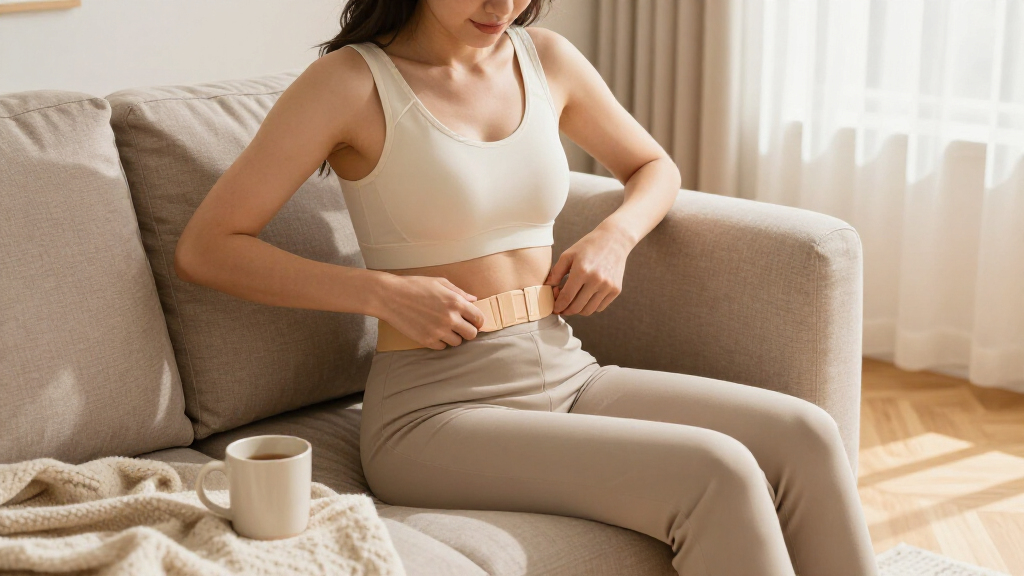
Adaptive underwear simplifies dressing by replacing traditional fasteners with features like magnets, wide openings, and one-handed closures. For example, a person with arthritis might find a magnetic closure bra easy to align and snap shut without struggling with tiny hooks. These designs are tailored to reduce frustration and save time—sometimes cutting dressing time in half.
Imagine sitting comfortably in a chair, trying to get dressed after surgery. A side-opening or tear-away design allows you to slip into your underwear without standing or balancing on one foot. This focus on ease and safety helps keep your independence intact, especially during recovery or when mobility is limited.
As an affiliate, we earn on qualifying purchases.
The Key Features That Make Adaptive Bras and Undergarments Work
Choosing the right adaptive undergarment depends on understanding these essential features:
- Front closures: Easier to reach and fasten than traditional back hooks. This reduces the need for twisting or reaching behind your back, which can be difficult for those with limited mobility or shoulder issues. The tradeoff is that front closures may sometimes feel less secure if not properly designed, so quality matters. A well-designed front closure can significantly reduce the time and effort needed for dressing, promoting independence, but if poorly made, it might come undone or cause discomfort, defeating its purpose.
- Magnetic, snap, or hook-and-loop fasteners: Simplify alignment and quick fastening. These fasteners are especially helpful for users with limited hand strength or dexterity. However, they might wear out over time or lose their magnetic strength, requiring careful selection and maintenance. The durability of these fasteners directly impacts their long-term usefulness; choosing high-quality options ensures sustained ease of use and safety, while cheaper alternatives may fail prematurely, leading to frustration and additional costs.
- Wide openings or step-in designs: Reduce the need for twisting or reaching behind your back, promoting independence for those with mobility challenges. The downside is that some step-in styles might offer less support or coverage, so users should balance convenience with comfort. For example, a step-in style may be easier to put on, but if it doesn’t provide adequate support, it could lead to discomfort or the need for additional adjustments, which might complicate dressing for some users.
- Soft fabrics and flat seams: Minimize sensory irritation and skin chafing, which is crucial for individuals with sensory sensitivities or skin conditions. The challenge here is finding durable fabrics that remain soft after repeated washing, as some materials may degrade faster. Selecting high-quality, hypoallergenic fabrics not only enhances comfort but also prolongs the lifespan of the garment, ensuring consistent support and reducing the need for frequent replacements.
- Adjustable straps and bands: Offer a customized fit, especially important for fluctuating body shapes. Overly adjustable features may sometimes feel bulky or less streamlined, so selecting designs that balance adjustability with sleekness is beneficial. Properly designed adjustable features help accommodate body changes over time, maintaining comfort and support, but if they add bulk or are hard to manipulate, they might hinder ease of dressing rather than facilitate it.
For example, a caregiver might help a loved one by guiding a magnetic bra into place, making the process smoother and more dignified. Understanding these features helps ensure that the chosen undergarments truly support independence and comfort in daily routines.
magnetic fastener undergarments for seniors
As an affiliate, we earn on qualifying purchases.
As an affiliate, we earn on qualifying purchases.
Compare the Most Popular Types of Adaptive Underwear
| Type | Best For | Key Features |
|---|---|---|
| Front-fastening bras | People with limited reach or grip strength | Magnetic or snap closures, wide bands |
| Wireless, sensory-friendly bras | Sensory sensitivities, post-surgical comfort | Seamless, tag-free, soft fabrics |
| Side-opening underwear | Post-surgery, limited mobility | Large side zippers, tear-away seams |
| Absorbent underwear | Incontinence or heavy flow | Resembles regular underwear, discreet, absorbent layers |
As an affiliate, we earn on qualifying purchases.
How to Pick the Perfect Adaptive Underwear for Your Needs
Follow these simple steps to find underwear that boosts your independence:
- Measure your body carefully, focusing on bust, waist, and hips. Accurate measurements prevent ill-fitting undergarments, which can cause discomfort or restrict movement. Remember, size charts can vary by brand, so always compare your measurements with the specific brand’s guide to avoid frustration.
- Identify your dressing challenges—do you struggle with back fasteners, sensory sensitivities, or post-surgical needs? Understanding your specific difficulties helps target features that will truly support your independence and comfort.
- Match your needs with features like front closures, soft fabrics, or tear-away sides. This step ensures your choices are tailored to your abilities, reducing dressing time and increasing confidence.
- Check sizing guides and reviews, especially for larger busts or specific conditions. Reviews often reveal fit issues or durability concerns that aren’t obvious from product descriptions alone.
- Try a few options before buying in bulk. Comfort and fit are highly personal—what works for one person may not work for another. Experimenting increases the likelihood of finding your ideal fit and features.
For example, someone recovering from shoulder surgery might prioritize a tear-away design that allows dressing from a seated position without twisting or reaching behind. Taking these steps makes the process of choosing adaptive underwear more effective and aligned with your personal needs.
sensory-friendly adaptive underwear
As an affiliate, we earn on qualifying purchases.
As an affiliate, we earn on qualifying purchases.
What to Watch Out for When Buying Adaptive Underwear
Not all adaptive undergarments are created equal. Watch for these potential pitfalls:
- Inadequate sizing: Each brand’s size chart can differ—measure carefully and read reviews. Ill-fitting underwear can cause discomfort, chafing, or reduce effectiveness of fasteners, undermining your independence. Poor fit can also lead to frequent adjustments, which may be difficult or unsafe for some users, thus compromising the goal of easy, independent dressing.
- Fastener durability: Magnets or snaps can loosen over time, especially after repeated washings. Poor durability leads to frequent replacements, which can be inconvenient and costly. This can also result in safety issues if fasteners fail unexpectedly, causing frustration or even injury during dressing.
- Skin sensitivities: Some fabrics or fasteners may irritate delicate skin or cause allergies. Choosing hypoallergenic, breathable materials minimizes skin issues, which is vital for long-term comfort. Failure to consider this can result in dermatitis or discomfort that discourages consistent wear, undermining independence.
- Compatibility with medical devices: Magnets near pacemakers or insulin pumps might interfere—check with your healthcare provider. Ensuring compatibility prevents safety risks and preserves device function, which is critical for health management and avoiding emergency situations during dressing.
For instance, a person with a pacemaker might avoid magnetic bras altogether, choosing instead a hook-and-loop closure that poses no risk. Being aware of these issues allows you to select garments that support your safety and comfort without compromise.
Caring for Your Adaptive Undergarments to Keep Them in Top Shape
Proper care extends the life of your adaptive underwear. Always follow the manufacturer’s instructions, but here are general tips:
- Close fasteners before washing to prevent snagging or damage. This simple step helps maintain the integrity of magnets, snaps, or hook-and-loop closures.
- Use gentle laundry cycles and mild detergents—harsh chemicals can weaken fabrics and fasteners. Gentle care preserves softness and durability, ensuring your undergarments remain effective over time.
- Avoid high heat—dryer heat can warp elastic and magnetic components, reducing their performance. Air drying or tumble drying on low heat maintains shape and function.
- Air dry whenever possible, laying flat to preserve shape and elasticity. Proper drying prevents deformation and keeps fasteners securely in place.
For example, hanging a magnetic bra to dry helps keep its fasteners aligned and functional longer. Consistent, gentle care ensures your adaptive undergarments continue to support your independence day after day.
Frequently Asked Questions
Can I wear adaptive bras if I have limited hand strength?
Yes. Many adaptive bras feature magnetic, snap, or large-tab closures designed specifically for one-handed or limited grip use. Look for products with guided closures or stabilizing panels to make dressing even easier.Are magnetic bras safe around medical devices like pacemakers?
Magnets can interfere with some medical devices. Always follow your healthcare provider’s guidance and manufacturer instructions. If in doubt, opt for hook-and-loop or snap closures instead.How do I know if an adaptive underwear will fit properly?
Accurate measurements are key. Compare your measurements to the brand’s sizing chart and read reviews from wearers with similar body types. Trying different styles may be necessary to find the best fit.Will adaptive underwear look different from regular underwear?
Not necessarily. Many brands now offer adaptive styles in contemporary cuts, colors, and fabrics that resemble regular underwear, helping you feel confident and stylish.How should I wash and care for adaptive undergarments?
Always follow the care label. Typically, close fasteners before washing, use gentle cycles, and air dry or tumble dry on low heat. Proper care keeps fasteners secure and fabrics soft.Conclusion
Adaptive bras and undergarments are more than just clothing—they’re tools for independence, dignity, and comfort. Finding the right fit means understanding your needs and knowing what features to look for. When you choose thoughtfully, dressing becomes a quick, stress-free part of your day, not a hurdle to overcome. So, take a moment to evaluate your wardrobe—your ease and confidence depend on it.Halloween Picks
halloween
As an affiliate, we earn on qualifying purchases.