TL;DR

Get everyday helpers delivered free with Prime
- Fast, free delivery on millions of items
- Prime Video, Amazon Music and more included
- Member-only deals all year
Picking a knee scooter involves balancing weight support, adjustability, terrain suitability, and comfort. Recent models offer better suspension and portability. Proper selection can make recovery easier and safer.
Getting around after an injury doesn’t have to feel like navigating a maze. A knee scooter can turn what feels like a rough patch into a smooth ride—if you pick the right one.
Knowing what features matter most can save you frustration, prevent further injury, and keep you mobile longer. This guide breaks down how to choose a knee scooter that matches your needs and helps you recover comfortably and safely.
Prioritize weight capacity to match your current and future needs.
Adjustability features like handlebar and knee pad height can prevent discomfort.
Larger wheels and suspension systems improve outdoor ride comfort.
Foldability and lightweight design make travel and storage easier.
Regular maintenance keeps your scooter safe and reliable throughout recovery.
What’s the most important factor? Support that keeps you safe.
The first thing to check is whether the scooter can handle your weight comfortably. Most models support between 250 to 300 pounds, but some heavy-duty options go even higher. Imagine trying to lean on a scooter that’s not built for your weight—dangerous and unstable.
For example, if you weigh 220 pounds, look for models rated at least 250 pounds. This provides a safety margin and prevents the frame from stressing or breaking during use.
Choosing the right weight capacity is the foundation for safe recovery. When in doubt, go a little higher — it’s better to have a sturdy support than a fragile one.
Beyond safety, weight capacity also impacts the durability and longevity of the scooter. Overloading a model can lead to quicker wear and tear, increasing the risk of failure during critical moments. Therefore, assessing your current weight plus any future fluctuations is essential to ensure your scooter remains reliable throughout your recovery period.
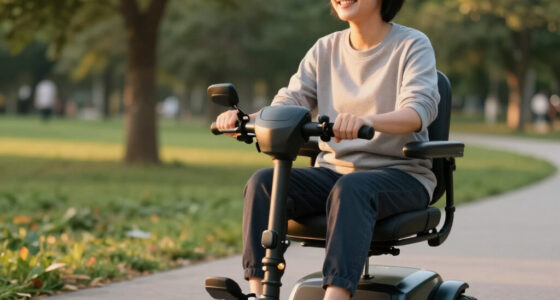
knee scooter with adjustable handlebar
As an affiliate, we earn on qualifying purchases.
As an affiliate, we earn on qualifying purchases.
How to find a comfy fit? Adjustability makes all the difference.
Adjustable handlebar heights and knee pads mean you can customize your scooter for maximum comfort. Think of it like tailoring a suit — a perfect fit prevents strain and fatigue.
Proper adjustability isn’t just about comfort; it directly influences your safety. If your handlebars are too high or too low, you may adopt awkward postures that strain your neck, back, or shoulders, leading to muscle fatigue or discomfort over time. Similarly, improperly positioned knee pads can cause unnecessary pressure or instability, increasing the risk of slips or falls. Fine-tuning these features ensures your body remains aligned, reducing strain and helping you maintain control. Remember, if the scooter feels uncomfortable, you’re less likely to use it consistently, which can delay your recovery. Prioritizing adjustability helps you maintain proper posture, minimizes injury risk, and supports consistent use, all of which are critical for effective healing.
heavy-duty knee walker for up to 300 pounds
As an affiliate, we earn on qualifying purchases.
As an affiliate, we earn on qualifying purchases.
Why does wheel size matter? Outdoor or indoor, pick the right wheels.
Wheel size is a key factor in how well your scooter handles different terrains. Larger wheels, say 8-10 inches, roll smoothly over cracks, gravel, and uneven sidewalks. Smaller wheels excel indoors on smooth floors.
Choosing the right wheel size isn’t just about convenience; it directly affects your safety and comfort. Larger wheels reduce the jarring impact from bumps, decreasing fatigue and the likelihood of losing balance. Conversely, smaller wheels, while easier to maneuver in tight indoor spaces, can jolt you on uneven outdoor surfaces, increasing the risk of falls or discomfort.
It’s important to weigh your typical environment against these tradeoffs. If your recovery involves frequent outdoor activity over varied terrain, prioritizing larger wheels and suspension systems can make a significant difference in your mobility and confidence. For indoor use, smaller wheels might suffice, but be aware that they may limit outdoor versatility.
In summary, selecting wheel size should align with your primary usage environment, balancing ease of maneuverability with terrain adaptability to ensure safety and comfort.
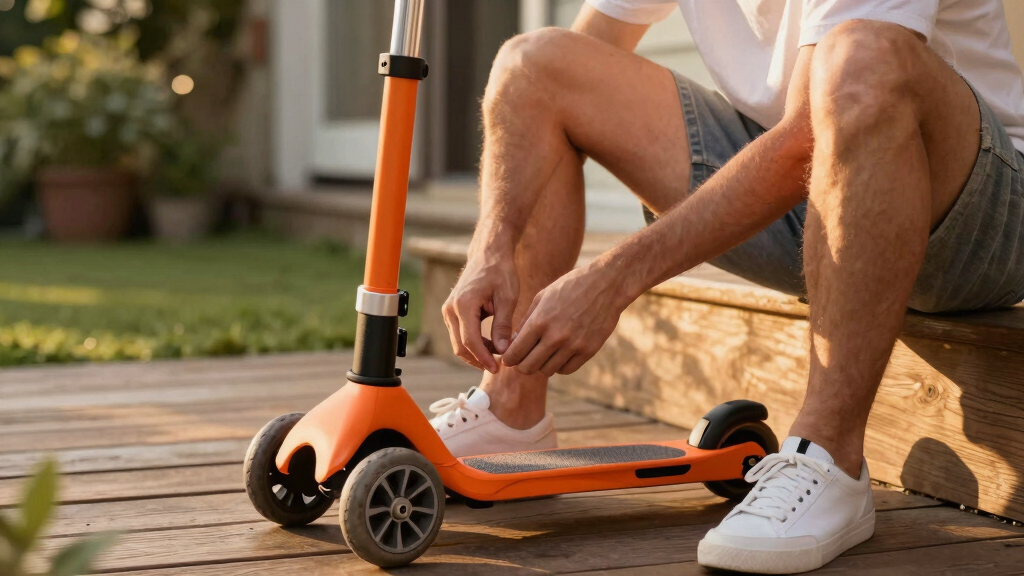
outdoor terrain knee scooter with large wheels
As an affiliate, we earn on qualifying purchases.
As an affiliate, we earn on qualifying purchases.
How to stay safe? Braking systems and stability tips.
Reliable brakes are your safety net. Hand brakes or foot brakes can prevent accidental slips, especially on slopes or wet surfaces. Test the brake responsiveness before use.
Imagine descending a driveway — a responsive brake keeps you in control. Check for anti-slip footplates and textured handles to prevent slipping and ensure a firm grip.
If your scooter has anti-slip features or a responsive brake system, you’ll feel more confident moving around.
Additionally, understanding how to use these safety features properly is crucial. For example, applying brakes gradually rather than abruptly can prevent skidding. Using both brakes simultaneously, if available, provides better control, especially on inclines. Regularly inspecting brake components for wear ensures they function effectively when needed most. Remember, safety isn’t just about the equipment; your awareness and proper technique play vital roles in preventing accidents. Recognizing the tradeoffs between quick responsiveness and potential for skidding helps you use your brakes more effectively, balancing control with safety in different scenarios.
As an affiliate, we earn on qualifying purchases.
Why foldability and portability matter for your recovery journey.
If you plan to travel or need to store your scooter, foldability is key. A lightweight, foldable model can fit in a car trunk or closet with ease. Picture folding your scooter like closing a compact umbrella — quick and simple.
For example, many users find that models supporting quick-fold mechanisms cut down on hassle, especially when transitioning between home, clinic, and outdoor errands. This ease of transport can encourage more frequent use, which is vital for maintaining mobility and confidence during recovery.
Moreover, portability allows you to adapt your mobility device to different environments easily. Whether you’re navigating stairs, public transportation, or tight storage spaces, a foldable scooter can be a game-changer, reducing physical strain and making your recovery journey smoother.
In essence, a lightweight, foldable design isn’t just about convenience; it empowers you to stay active and independent, which can positively influence your overall recovery process.
What’s new? Recent tech upgrades making your ride smoother.
Recent models have introduced better suspension systems that absorb shocks, making outdoor rides much more comfortable. Imagine riding over a bumpy sidewalk — with enhanced suspension, it feels almost like gliding.
Lightweight frames, often aluminum, help you lift or carry your scooter without breaking a sweat. Some models now include safety features like reflective elements and LED lights for visibility at night.
While high-tech gadgets are emerging, the focus remains on durability, comfort, and safety for everyday recovery needs.
Advancements in materials and design mean your scooter can now be more durable, lighter, and safer. Features like integrated lighting, improved shock absorption, and smart brakes are not just luxury options—they can dramatically enhance your confidence and safety during outdoor mobility. Staying updated with these innovations ensures you choose a model that offers the best combination of comfort, safety, and practicality for your recovery journey.
What do I need to know about use and maintenance?
Proper use is key to safety and longevity. Regularly check brakes, tires, and the frame. Keep wheels clean and lubricated for smooth rolling.
For example, a quick monthly inspection of your scooter’s joints and brakes can prevent unexpected breakdowns. If your scooter gets muddy or dusty, a simple wipe down keeps it in top shape.
Following your manufacturer’s maintenance tips prolongs your scooter’s life and keeps it safe during recovery.
Additionally, understanding how to troubleshoot common issues—like flat tires or brake responsiveness—can save you time and prevent accidents. Regularly charging batteries (if electric) and checking for loose bolts or worn components ensures your scooter remains reliable. Investing a few minutes each month in maintenance not only extends the lifespan of your device but also guarantees that it performs optimally when you need it most, supporting your safe and effective recovery process.
Frequently Asked Questions
What is the best knee scooter for outdoor use?
Look for models with larger wheels, sturdy frames, and good suspension. These features help handle uneven surfaces and rougher terrain comfortably and safely.
How do I adjust my knee scooter for maximum comfort?
Adjust handlebar height, knee pad position, and ensure your weight is evenly distributed. A properly fitted scooter reduces fatigue and strain during recovery.
Can I use a knee scooter on rough terrain?
Some models are designed for outdoor use with bigger wheels and better suspension. Always verify wheel size and features before outdoor rides to ensure safety.
How long should I use a knee scooter during recovery?
Use it as long as your healthcare provider recommends. Recovery times vary based on injury severity, but patience and proper use are key to healing.
Are knee scooters safe?
When used correctly with safety features and proper technique, they are generally safe. Always follow safety guidelines and avoid risky areas.
Conclusion
Choosing a knee scooter isn’t just about getting from point A to B. It’s about feeling secure, comfortable, and confident during your recovery journey. Focus on support, adjustability, and terrain compatibility — and don’t forget safety features.
When you pick the right model, each step becomes easier, and your recovery moves forward with less pain and more independence. Imagine every ride as a small victory on your path back to full mobility.
Columbus Day / Indigenous Peoples' Day Picks
long weekend sales
As an affiliate, we earn on qualifying purchases.