
TL;DR
Listen free for 30 days with Audible
Thousands of audiobooks and originals — cancel anytime.
Start your free trialAs an affiliate, we earn on qualifying purchases.
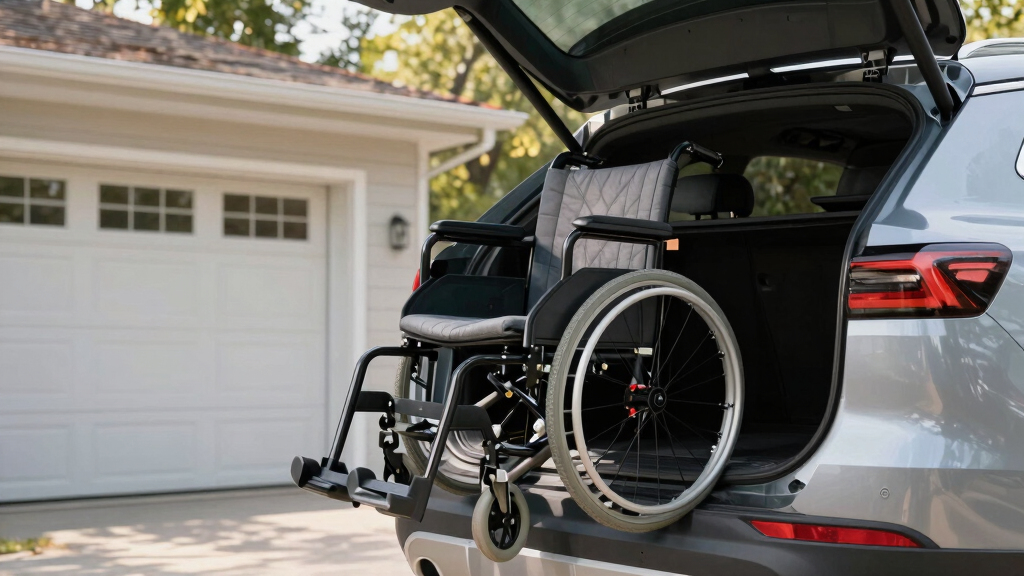
Transporting a wheelchair in a car is all about choosing the right vehicle, folding or disassembling the chair properly, and securing it safely. This guide walks you through each step with real-world tips to keep you confident and secure during every trip.
Getting a wheelchair in and out of your car might seem tricky at first — but with the right approach, it becomes a simple part of your routine. Whether you drive a compact sedan or a spacious SUV, knowing how to handle your wheelchair safely can save you time and prevent injuries. If you’ve ever hesitated before loading your chair, this guide will give you practical tips rooted in real-world experience.
From choosing the best vehicle to securing your mobility device, every step counts. Let’s break down how you can make each trip smoother, safer, and more empowering. Because your independence depends on reliable, straightforward methods — and that’s what this is all about.
Choose a vehicle that matches your mobility needs and ease of access.
Fold or disassemble manual wheelchairs to maximize space and simplify loading.
Use ramps or lifts to reduce strain and increase safety during loading.
Always secure the wheelchair with proper straps — safety during the ride depends on it.
Practice your loading routine to build confidence and avoid injury.
How to Transport a Wheelchair in a Car
Transporting a wheelchair safely comes down to three habits: choose a vehicle that fits your routine, fold or disassemble the chair correctly, and secure it before every drive. With the right setup, loading becomes calmer, faster, and far easier on your body.
Potential size reduction when folded flat for trunk or cargo loading.
Pounds supported by many portable ramps and vehicle lift systems.
Foldable wheelchairs suit frequent trips and smaller cars.
Portable ramps reduce lifting and protect backs, frames, and hands.
Secure the wheelchair immediately after loading, before anything else.
Minivans and SUVs offer easier cargo height and more anchor options.
Rehearsing at home builds muscle memory for real trips.
Start with the chair, then match the car.
Bigger is helpful, but fit matters more than size alone. A sedan can work for a folding manual chair, while a power wheelchair may call for cargo height, battery access, a ramp, or a lift.
Pick access over bulk
Minivans, SUVs, and accessible vans offer more space, easier loading angles, and better anchor placement. Smaller cars can work when the chair folds cleanly and the trunk is measured first.
Fold or disassemble
Remove cushions, footrests, batteries, or quick-release wheels as needed. A compact shape is easier to lift, easier to position, and less likely to shift in transit.
Use ramps or lifts
A ramp turns heavy lifting into guided movement. Electric and hydraulic lifts are especially useful for heavier power chairs or solo loading routines.
A repeatable routine prevents rushed mistakes.
The safest trips feel boring in the best way. Park with room, compact the chair, load with support, secure the frame, then check for movement before driving.
Park wide
Choose a flat, accessible space with enough side or rear clearance for the chair and ramp.
Prepare chair
Fold the frame or remove parts that make loading lighter and more stable.
Load safely
Use a ramp, lift, or good lifting posture with bent knees and a straight back.
Secure frame
Attach straps to proper anchor points and tighten until the chair cannot roll or tip.
Test movement
Push gently from multiple angles. If it shifts, adjust before starting the car.
The best method depends on frequency, strength, and chair type.
A folding manual wheelchair is often the simplest choice for everyday trips. Power chairs can travel in regular cars, but they usually need more planning, disassembly, and securement.
| Method | Ease of Use | Cost | Best For | Safety Notes |
|---|---|---|---|---|
| Folding manual wheelchair | ✓ High | Low to moderate | Everyday trips and small cars | Secure folded frame so it cannot slide in the trunk or cargo area. |
| Disassembled power chair | ~ Medium | Moderate to high | Frequent longer trips | Remove batteries or components according to manufacturer guidance. |
| Portable ramp | ✓ High | Moderate | Solo loading with less strain | Match ramp length and capacity to vehicle height and wheelchair weight. |
| Vehicle with built-in lift | ✓ Very high | High | Regular transport and independence | Use installed anchor points and inspect lift operation regularly. |
| Unsecured cargo placement | ✗ Unsafe | Low | Not recommended | A loose chair can shift, tip, or become dangerous during sudden stops. |
Small habits make each trip smoother.
A solo caregiver might park in a wide accessible space, unfold a portable ramp, guide the chair into the cargo area, and use quick-release straps before driving off.
Plan your parking spot before arrival so you have enough clearance for doors, ramps, and turning space.
Use a ramp or lift whenever possible to reduce strain and lower the risk of dropping the chair.
Ask for help when weight, weather, slopes, or tight spaces make loading unpredictable.
Practice lifting with bent knees, a straight back, and the chair kept close to your body.
Secure the wheelchair immediately after loading so it never sits loose while you organize other items.
Keep straps, ramps, gloves, and small tools in one predictable place for faster departures.
Securement is not the final detail. It is the main event.
A wheelchair can shift even on a short drive. Proper straps, vehicle anchor points, and a quick movement check protect the chair, the driver, passengers, and anyone helping with transport.
Use vehicle-specific tie-downs.
Aftermarket straps are useful, but they should match the vehicle and wheelchair frame. Attach them to stable points, not removable parts like footrests or loose accessories.
Avoid over-tightening.
Straps should stop movement without bending the frame, crushing upholstery, or stressing battery housings. Tight, stable, and inspected is the goal.
Answers before the next drive.
Most transport issues come from uncertainty: whether the chair fits, whether a ramp is worth it, and whether the securement is enough. These are the practical answers to start with.
How do I safely load my wheelchair into my car?
Fold or disassemble the wheelchair if possible, use a ramp or lift for safer loading, and secure the chair with straps or tie-downs immediately after placing it in the vehicle.
What is the best vehicle for transporting a wheelchair?
Minivans, SUVs, and accessible vans are usually easiest because they offer more room, better cargo access, and more securement options than compact cars.
Are portable ramps easy to carry and use?
Many foldable ramps are lightweight, compact, and designed to support more than 300 pounds. Match ramp capacity and length to your wheelchair and vehicle height.
Can I transport a power wheelchair in a regular car?
Yes, but it may require removing batteries, folding parts, or disassembling components. Confirm the vehicle has enough space and use a securement system during the ride.
Pick the Right Vehicle — Bigger isn’t always better, but it helps
The first step in transporting a wheelchair is choosing a vehicle that fits your needs. Large SUVs, minivans, and accessible vans often come with built-in ramps or lifts, making loading a breeze. But even a sedan can work if you’re prepared with the right tools.
Imagine trying to fit a bulky power wheelchair into a compact hatchback — it’s possible, but it takes patience and the right accessories. Larger vehicles give you more space and easier access, especially if you’re using a manual or foldable wheelchair. Think about your trips: Will you need to load often? Will you be alone? Your answers will guide your choice.
Choosing a larger or more accessible vehicle can significantly reduce the physical effort and time required, especially if you frequently travel with your wheelchair. However, larger vehicles might come with higher costs, both in purchase and maintenance, and could be less fuel-efficient. Balancing convenience with practicality is key. Also, consider whether the vehicle’s interior layout allows for easy securing of the wheelchair, which impacts safety and ease of use.
wheelchair tie-down straps for car
As an affiliate, we earn on qualifying purchases.
As an affiliate, we earn on qualifying purchases.
Fold or Disassemble Your Wheelchair — Make it fit like a glove
Most manual wheelchairs are designed to fold flat or disassemble easily, but understanding the depth of this process is crucial. Folding the chair reduces its size by up to 50%, which isn’t just about space — it directly impacts how manageable and safe the loading process is. A smaller, compact chair minimizes the risk of injury during handling and reduces strain on your body, especially if you’re doing it alone.
Power wheelchairs often require batteries to be removed or parts taken off before loading, which adds complexity. Practicing this disassembly at home is essential because it helps you develop muscle memory, reducing stress and the chance of damage during actual trips. Properly disassembled chairs also tend to fit more securely in the vehicle, decreasing the risk of shifting during transit, which can cause damage or accidents. Weighing the effort of disassembly against the benefit of easier loading is important — sometimes, a quick fold is preferable, but in other cases, disassembly offers a safer, more stable fit.
As an affiliate, we earn on qualifying purchases.
Use Ramps or Lifts — The safe way to go up and in
Ramps and lifts are not just convenience features; they are vital safety tools that prevent injury and reduce physical strain. Portable, foldable ramps are designed to be lightweight yet sturdy, supporting various wheelchair weights without buckling or wobbling. Electric lifts, often installed in vans, lift the wheelchair smoothly, minimizing the risk of dropping the device or straining your back during manual lifting.
Using ramps or lifts also opens up access to higher or lower vehicle entry points, which can be critical for users with limited mobility or strength. For example, a 6-foot portable ramp can help you navigate curbs or uneven ground, making outdoor access safer and more predictable. Many lifts are rated to support weights over 300 pounds, accommodating a wide range of wheelchair sizes and types. The key is to match the ramp or lift’s capacity with your wheelchair’s weight and size, ensuring stability and safety. This choice impacts how confidently you can load and unload, directly influencing your independence and safety during each trip.
As an affiliate, we earn on qualifying purchases.
Secure the Wheelchair — Keep it safe during the ride
Properly securing your wheelchair is essential because even a minor shift can lead to injuries or damage. Use vehicle-specific tie-downs and straps designed for your wheelchair and vehicle. These securements are engineered to absorb shocks and prevent movement, especially during sudden stops or sharp turns. Skimping on proper securing techniques can have serious consequences, including the wheelchair tipping over or becoming a projectile in a collision.
Many modern vehicles come with anchor points designed specifically for wheelchair securement, but if yours doesn’t, aftermarket tie-down systems are available and recommended. When securing, ensure straps are tight enough to prevent movement but not so tight that they damage the frame or upholstery. The process might seem simple, but the implications are significant — a well-secured wheelchair protects your equipment, yourself, and others inside the vehicle. Developing a routine for securement ensures safety and reduces anxiety, making every trip more predictable and safe.
As an affiliate, we earn on qualifying purchases.
Compare Your Options — Which method fits your lifestyle?
| Method | Ease of Use | Cost | Best For |
|---|---|---|---|
| Folding Manual Wheelchair | High | Low to Moderate | Everyday trips, small cars |
| Disassembled Power Chair | Medium | High | Frequent, longer trips |
| Vehicle with Built-in Lift | Very High | High | Regular transport, independence |
Tips for Easy Loading and Unloading
- Plan your trip — know where the best spot is for parking and access.
- Use a ramp or lift whenever possible — safety first.
- Ask for help if needed — don’t strain your back or risk dropping the chair.
- Practice good lifting techniques — bend your knees, keep your back straight.
- Secure the wheelchair immediately after loading — don’t leave it loose.
Frequently Asked Questions
How do I safely load my wheelchair into my car?
Start by folding or disassembling your wheelchair if possible. Use a ramp or lift for safer, easier loading. Secure the chair with straps or tie-downs immediately after placing it in the vehicle to prevent movement during transit.
What’s the best vehicle for transporting a wheelchair?
Larger vehicles like minivans, SUVs, or specially modified accessible vans are ideal. They offer more space, built-in ramps, or lifts, making loading and securing much simpler and safer.
Are portable ramps easy to carry and use?
Yes, many foldable ramps weigh under 20 pounds and can be carried over your shoulder. They’re designed to be lightweight yet sturdy, supporting weights over 300 pounds, and are perfect for curbside access or car entry.
Can I transport a power wheelchair in a regular car?
Absolutely, but it often requires disassembly, such as removing batteries or folding parts. Make sure your vehicle has enough space, and consider adding a securement system to keep the chair stable during the ride.
What if my wheelchair doesn’t fit in my vehicle?
Look into portable ramps, or consider a vehicle with a built-in lift. Sometimes, upgrading to a larger vehicle, like an accessible van, is the safest and most practical option for frequent transport.
Conclusion
Transporting a wheelchair in a car becomes much easier once you know the right tools and techniques. Focus on safety, simplicity, and planning ahead — these steps turn what seems complicated into just another part of your day. Every trip, every load, is a step toward greater independence.
Remember: the right vehicle, the right tools, and a little practice make all the difference. Your mobility isn’t just about the chair — it’s about the freedom to go where you want, whenever you want.
Back to school Picks
back to school
As an affiliate, we earn on qualifying purchases.