
TL;DR

Get everyday helpers delivered free with Prime
- Fast, free delivery on millions of items
- Prime Video, Amazon Music and more included
- Member-only deals all year
Gel seat cushions distribute pressure more evenly, improve comfort during extended sitting, and come in various designs. Choosing the right one depends on your needs, chair fit, and safety considerations.
Gel cushions distribute pressure more evenly, reducing hotspots during long sits.
Choosing the right design depends on your specific needs—support, airflow, or contouring.
Proper placement and use are essential to maximize comfort and prevent skin issues.
Latest trends focus on hybrid designs, zoned firmness, and improved breathability.
Always consider your chair size, weight capacity, and health needs before buying.
Practical sitting guide
A Guide to Gel Seat Cushions
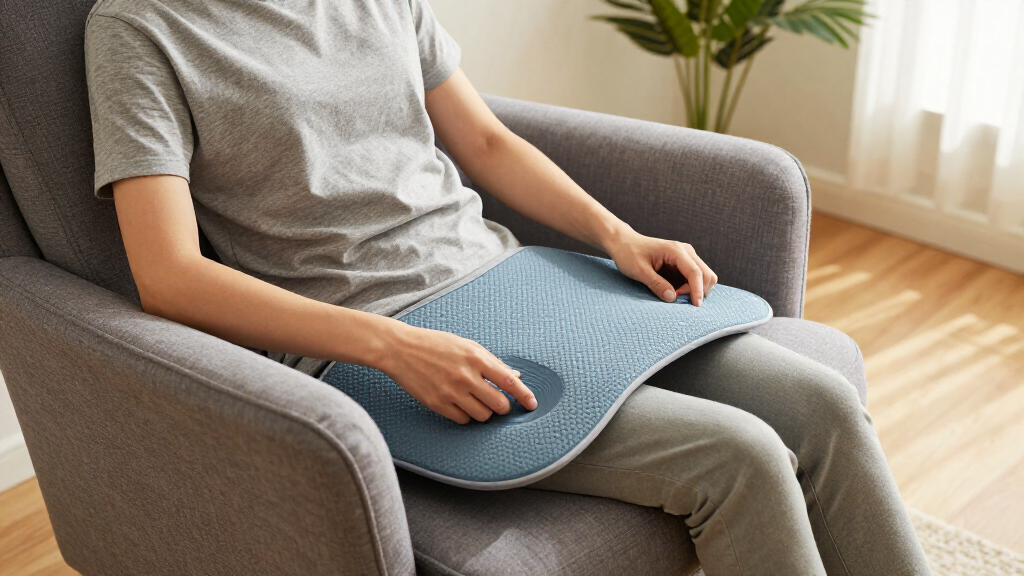
Gel cushions can spread pressure, soften hard seating, and absorb mild vibration during extended sitting. The best result comes from matching the construction to your body, chair, activity, and health needs.
01 / How it works
From concentrated load to broader support
Gel shifts or flexes beneath the body instead of compressing uniformly like basic foam. This can reduce hotspots beneath the tailbone and sitting bones while softening shocks from hard seats, cars, or wheelchairs.
Body weight arrives
Load concentrates beneath the pelvis, tailbone, and thighs.
Gel responds
The structure shifts, bends, or contours around high-load areas.
Pressure spreads
More of the cushion surface participates in supporting the body.
Comfort improves
Hotspots and mild vibration may feel less pronounced over time.
02 / Design comparison
Choose the structure, not just the label
“Gel cushion” describes a category, not a single experience. Stability, airflow, contouring, weight, and durability depend heavily on what surrounds the gel and how the internal structure is built.
| Design type | Support feel | Airflow | Best suited to | Watch for |
|---|---|---|---|---|
| Solid gel pad | Uniform and stable | Often limited | Office chairs and car seats | Weight and gradual heat buildup |
| Honeycomb or grid gel | Flexible, less structured | Strong ventilation | Long sits and warm environments | Edge collapse or excessive flex |
| Gel over foam | Balanced contour and support | Cover-dependent | Ergonomic chairs and wheelchairs | Foam quality and bottoming out |
| Gel-filled compartments | Targeted redistribution | Design-dependent | Clinical or high-pressure needs | Leakage, shifting, and specialist fit |
03 / Selection priorities
Match the cushion to the job
These qualitative priorities show what usually matters most in everyday selection. Personal anatomy, sensation, mobility, and clinical risk can change the order.
Priority scale is a practical decision aid, not a clinical effectiveness score.
04 / Comfort and safety
A cushion changes the whole seating system
Adding thickness raises the pelvis and can alter knee position, foot contact, armrest height, desk clearance, transfers, and wheelchair alignment. Recheck the setup after placing the cushion.
Keep the pelvis stable
A very soft or thick cushion may allow rocking or sliding. A coccyx cutout should offload the tailbone without shifting pressure into nearby tissue.
Ventilation beats initial coolness
Gel may feel cool at first but eventually warms toward body temperature. A grid structure and breathable cover matter more during long sessions.
Inspect the working surfaces
Look for a washable cover, nonslip base, water resistance, clear limits, and resistance to tearing, leaking, flattening, or permanent deformation.
Avoid bottoming out
The cushion should prevent contact with the hard seat without raising the body so far that the feet, arms, or back lose useful support.
Reposition regularly
No cushion removes all pressure. Shift position, stand when possible, and follow an individualized schedule when pressure-injury risk is elevated.
Protect the gel
Cold can make gel firmer and heat can soften it. Avoid sharp objects, improper folding, and conditions outside the stated temperature range.
Frequently asked questions
Quick answers for better decisions
Gel can be a useful component of a comfortable seating setup, but benefits vary with posture, anatomy, cushion construction, and sitting duration.
Can gel cushions help with back pain?
They may reduce discomfort linked to prolonged sitting, pressure, or vibration. They work best alongside correct chair adjustment and medical advice when pain persists.
Are they useful for tailbone pain?
A contoured model or coccyx cutout can reduce direct contact, provided the opening aligns correctly and does not create new pressure around the thighs or pelvis.
Can they prevent pressure sores?
They may reduce localized pressure, but prevention also requires repositioning, skin inspection, moisture control, hygiene, and appropriate clinical support.
Is gel better than memory foam?
Neither is universally better. Gel emphasizes resilience and pressure spread; memory foam emphasizes close contouring. Hybrid cushions combine both qualities.
How thick should a cushion be?
Choose enough thickness to prevent bottoming out while preserving stable posture, foot contact, desk alignment, and comfortable armrest height. Body weight, chair design, and material firmness matter as much as the measurement itself.
Why Gel Cushions Feel Softer and Supportive — The Secret Behind the Comfort
Gel cushions are designed to spread out pressure when you sit, which can make them feel softer and more supportive than plain foam. When you sit, the gel shifts and molds, absorbing shocks and vibrations, especially on hard surfaces like wooden chairs or car seats. For example, if you’ve ever felt a gel cushion contour to your tailbone while working at your desk, that’s the gel redistributing your weight evenly. Unlike foam, which compresses uniformly, gel gives you a more tailored feel — almost like sitting on a liquid that resists sudden pressure but shapes to your curves.
This ability to distribute pressure more evenly can reduce localized pain, especially for those who sit for hours daily or have sensitive skin prone to pressure injuries. It also helps prevent the development of pressure points, which are areas where sustained pressure can cut off circulation and cause discomfort or injury over time. However, the effectiveness of gel in this role depends on proper cushion placement, body positioning, and movement. A gel cushion alone won’t prevent all pressure-related issues but acts as an important part of a comprehensive sitting strategy. The tradeoff is that some gel cushions may feel less stable or firm than other types, so users need to consider their support preferences and activity levels when choosing.
As an affiliate, we earn on qualifying purchases.
The Different Types of Gel Seat Cushions — Which One Fits Your Needs?
Gel cushions aren’t one-size-fits-all. They come in several styles, each suited for different uses and preferences. Here’s a quick comparison:
| Design Type | Support & Comfort | Best For |
|---|---|---|
| Solid Gel Pads | Uniform support, stable feel | Office chairs, car seats |
| Honeycomb or Grid Gel | Better airflow, less heat buildup | Long hours sitting, warm environments |
| Gel Layers over Foam | Balance of contouring and support | Wheelchairs, ergonomic chairs |
| Gel- Filled Compartments | Customizable pressure relief | Medical or high-pressure risk users |
Understanding the differences among these types is crucial because each offers distinct benefits and tradeoffs. For example, solid gel pads provide a stable, consistent support that minimizes movement, which is ideal for tasks requiring steady support. However, they may trap heat and cause discomfort during extended use in warm environments. Honeycomb or grid designs promote airflow, which helps dissipate heat and moisture, making them suitable for long sitting periods or hot climates. Gel layers over foam combine contouring with cushioning, offering a middle ground that balances support and comfort for varied activities. Gel-filled compartments allow customization, making them suitable for medical needs or individuals with specific pressure points. Recognizing these differences helps you select a cushion that not only feels comfortable but also aligns with your health needs and activity level, ensuring long-term sitting comfort and safety.
As an affiliate, we earn on qualifying purchases.
Frequently Asked Questions
Do gel cushions help with back pain?
Gel cushions can improve comfort if your back pain worsens from prolonged sitting, vibrations, or pressure. They help by absorbing shocks and redistributing pressure, which can reduce strain on your back muscles and spinal discs. However, their effectiveness depends on correct positioning and overall ergonomic setup. If a cushion shifts your posture or doesn’t support your natural spinal curve, it might inadvertently worsen discomfort. Therefore, while gel cushions can be a valuable part of a pain management strategy, they should complement other ergonomic practices and medical advice for best results.
Are gel cushions good for tailbone pain?
Yes, a contoured gel cushion or one with a coccyx cutout can reduce direct pressure on your tailbone, which is often a source of discomfort or pain. These cushions are designed to offload pressure from the coccyx area, making sitting more tolerable for those with tailbone issues. However, the effectiveness hinges on proper fit; a poorly designed or misaligned cutout can cause shifting pressure or new points of discomfort elsewhere. It’s important to choose a cushion that fits your body shape and sitting posture well. When well-matched, gel cushions can significantly alleviate tailbone pain and prevent aggravation of existing conditions.
Can a gel cushion prevent pressure sores?
Gel cushions can help distribute pressure across a broader area, reducing the risk of localized tissue damage that leads to pressure sores. They are especially effective when combined with regular repositioning and skin care routines. However, they are not a standalone solution for preventing pressure sores, particularly for individuals with limited mobility or fragile skin. The key to effective prevention involves a comprehensive approach: frequent repositioning, skin inspection, maintaining skin integrity, and managing moisture and hygiene. When used as part of this strategy, gel cushions serve as a valuable tool to minimize pressure points, but they must be integrated into a broader care plan to effectively prevent pressure sores.
Is gel better than memory foam?
Neither gel nor memory foam is universally superior; each offers distinct benefits that suit different needs. Gel cushions provide resilient support and better pressure redistribution, which can be advantageous for individuals prone to pressure points or requiring firm support over long periods. Memory foam molds closely to your body, offering personalized contouring that many find soothing and comfortable. The choice depends on your specific activity, support preferences, and health considerations. Some cushions combine both materials to leverage the benefits of each, creating hybrid options that aim to offer tailored support with effective pressure relief. Evaluating your sitting habits and comfort needs will help determine which material aligns best with your lifestyle.
How thick should a cushion be?
The ideal thickness of a cushion depends on balancing effective pressure relief with maintaining proper posture and support. A cushion that’s too thick may elevate your hips excessively, causing your feet or arms to lose contact with the ground or desk, which can lead to postural misalignments and discomfort. On the other hand, a very thin cushion might not provide enough support or pressure redistribution, leading to persistent discomfort or pressure points. Generally, a thickness of 1 to 2 inches strikes a good balance for most users, providing sufficient cushioning without compromising stability or posture. Consider your body weight, chair design, and support needs; testing different thicknesses or consulting ergonomic guidelines can help you find the most suitable option for your specific situation.
As an affiliate, we earn on qualifying purchases.
Conclusion
A gel seat cushion can transform your sitting experience, turning hours of discomfort into supportive relief. But it’s not just about the gel — fit, support, and proper use matter most. When paired with good posture, movement, and regular skin checks, your cushion becomes a powerful tool for comfort and health. Imagine sitting down after a long day and feeling that gentle, even support beneath you — that’s what a well-chosen gel cushion can do. Your seat should serve you, not tire you out. Make it count.As an affiliate, we earn on qualifying purchases.
Halloween Picks
halloween
As an affiliate, we earn on qualifying purchases.