
TL;DR
Open a free Amazon Business account
Business pricing, bulk buying and tax-exempt orders.
Create a free accountAs an affiliate, we earn on qualifying purchases.
Wheelchair-accessible exercise gear must fit individual needs, be stable, and allow exercising without transfers. With the right tools like resistance bands, dumbbells, and ergometers, you can build strength and stamina safely from your chair.
Choose gear that fits your body, wheelchair, and goals — one size does not fit all.
Stability and proper positioning are essential for safe, effective workouts.
Protect your shoulders by balancing pushing and pulling exercises, and avoid overloading.
Prioritize accessible features: reachable controls, approach space, and easy-to-release straps.
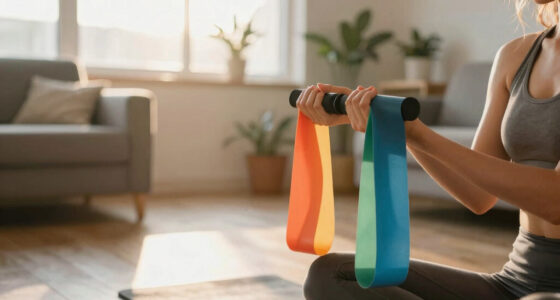
Start with simple gear like resistance bands and adjustable weights, then expand as needed.
Why Choosing Equipment That Fits You Matters More Than Fancy Features
Every wheelchair user has a unique body and different goals. Fit and comfort come first, whether you’re aiming for strength, endurance, or flexibility. Equipment that works for one person might be unsafe or unusable for another. For example, someone with limited shoulder mobility needs low-resistance options, while another with strong grip might prefer heavy weights. Choosing gear that aligns with your specific physical abilities ensures you can perform exercises correctly, reducing the risk of injury and increasing the likelihood of consistency. When equipment is poorly matched to your needs, it can cause discomfort, strain, or even exacerbate existing issues like joint pain or spasticity. Consulting a rehab or fitness professional can help you understand your body’s unique needs, guiding you toward equipment that offers the right resistance, support, and adjustability. This tailored approach enhances safety, effectiveness, and motivation, making your workouts sustainable and beneficial in the long run.
As an affiliate, we earn on qualifying purchases.
How to Exercise Safely Without Transferring Out of Your Wheelchair
Many exercises can be performed directly from your wheelchair, which is crucial for maintaining independence and reducing injury risks associated with transfers. However, safety depends heavily on how your environment and equipment are set up. Features like removable or swing-away seats, open space beneath the machine, and controls within easy reach are vital because they allow you to perform movements comfortably and securely. For example, a rowing machine with an open frame lets you sit comfortably with your feet on the footrest while pulling handles at arm level—this reduces strain and minimizes transfer needs. To ensure safety:
- Lock your wheelchair brakes to prevent movement during exercise.
- Position your chair on a flat, non-slip surface and clear the area of obstacles.
- Adjust controls and equipment to accessible levels, ensuring you can operate them independently.
- Use straps or stabilization systems if your equipment or body requires extra support.
- Test your setup carefully, preferably with a trainer or caregiver present, to confirm you can exercise safely without transfers.
This approach not only minimizes injury risk but also encourages ongoing participation by maintaining your autonomy. Developing routines that fit your ability to stay seated helps you stay consistent and motivated, ultimately leading to better health outcomes.
adjustable dumbbells for wheelchair users
As an affiliate, we earn on qualifying purchases.
As an affiliate, we earn on qualifying purchases.
Why Stability and Proper Wheelchair Positioning Are Critical
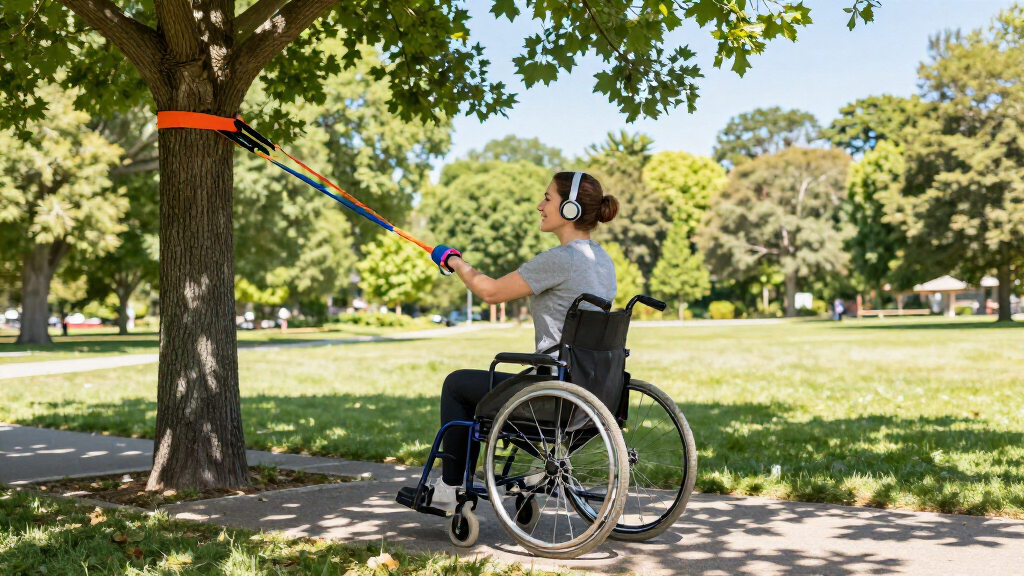
Stability is the foundation of safe and effective wheelchair exercise. Without it, even well-designed equipment can become hazardous, increasing the risk of falls, strains, or skin injuries. Proper positioning and securing your wheelchair ensure that your body remains stable during movement, which is especially important for exercises involving resistance or dynamic motions. Locked brakes prevent unintended movement, while anti-tip devices and secure footplates help maintain balance. For example, when performing arm presses with resistance bands, a stable wheelchair prevents tipping forward or sideways, which could cause injury. Adjusting or removing footplates when necessary can also improve your center of gravity and balance. Before starting, verify that your wheelchair is on a level, non-slip surface, and that all safety features are engaged. Using straps or tie-downs as needed adds an extra layer of security. This meticulous attention to stability minimizes the risk of falls and strains, allowing you to focus fully on your workout. When your equipment and position are secure, you can exercise with confidence, leading to better results and fewer injuries.
wheelchair accessible exercise equipment
As an affiliate, we earn on qualifying purchases.
As an affiliate, we earn on qualifying purchases.
Protect Your Shoulders: Avoid Overuse and Injuries
Many wheelchair users experience shoulder fatigue or injuries due to overuse, especially when exercises are repetitive or improperly balanced. Overuse injuries, such as rotator cuff tears or impingement, can significantly impair your mobility and daily function. Therefore, designing routines that include external rotation, scapular stabilization, and gentle stretching is essential because these movements strengthen and protect the shoulder joint by improving stability and muscle balance. For instance, combining rowing with shoulder rotations targets different muscle groups, reducing strain on any single part and promoting joint health. Additionally, incorporating rest days and listening to your body’s signals helps prevent overexertion. Using proper technique and avoiding quick, jerky movements minimizes undue stress. Remember, healthy shoulders are vital for maintaining independence in daily activities, from reaching to dressing to transfers. Prioritizing shoulder safety now not only prevents injuries but also ensures your long-term mobility, allowing you to stay active and independent for years to come.
ergometer bike for wheelchair users
As an affiliate, we earn on qualifying purchases.
As an affiliate, we earn on qualifying purchases.
Frequently Asked Questions
What is the best exercise equipment for wheelchair users?
The best gear depends on your goals and abilities. Resistance bands, grip aids, dumbbells, cable systems, and arm ergometers are versatile options. Focus on equipment that’s adjustable, easy to reach, and stable.Can I exercise without leaving my wheelchair?
Absolutely. Many strength, cardio, and flexibility exercises can be performed directly from your chair. Proper positioning and stable setup are key to safe, effective workouts.How can I exercise with limited hand function?
Adaptive grips like cuffs, hooks, enlarged handles, and straps can help. An occupational therapist can recommend specific tools suited to your grip strength and comfort. Choosing tools that accommodate your grip limitations ensures you can perform exercises safely and effectively, preventing strain and maximizing engagement.Are resistance bands safe to attach to a wheelchair?
Only if the attachment points are secure and supported by your wheelchair manufacturer. Using wall anchors or floor attachments is often safer and more reliable, as they reduce the risk of accidental detachment that could cause injury or damage.What cardio exercises are wheelchair accessible?
Options include arm cycling, wheelchair propulsion, swimming, adaptive rowing, seated boxing, and wheelchair sports. Selecting the right activity depends on your health status, available space, and personal preferences. Incorporating variety can prevent plateaus and keep your routine engaging, fostering both physical and mental well-being.Conclusion
The right gear is not about luxury — it’s about independence. When you select equipment designed with your body and mobility in mind, exercise becomes a tool for freedom, not frustration. Your fitness journey is uniquely yours; choose tools that support your goals and keep your spirit active. Remember: your ability to move and grow is the real power. Make your space, your gear, and your routines reflect that strength.Summer Picks
summer essentials
As an affiliate, we earn on qualifying purchases.