
TL;DR
Listen free for 30 days with Audible
Thousands of audiobooks and originals — cancel anytime.
Start your free trialAs an affiliate, we earn on qualifying purchases.
Adaptive clothing for arthritis simplifies dressing with features like magnetic closures and stretchy fabrics. Knowing what to look for helps maintain independence, comfort, and style in daily routines.
Arthritis can turn simple dressing into a frustrating puzzle, with joint pain, stiffness, and limited dexterity making buttons and zippers seem impossible. The good news? Adaptive clothing is designed to change that. It offers solutions that make dressing easier, faster, and more comfortable—helping you stay independent and confident every day.
In this guide, you’ll learn what features to look for, recent innovations transforming the market, and practical tips to find clothing that suits your style and needs. Because dressing should never be a barrier to living your best life.
Prioritize magnetic closures, elastic waistbands, and stretchy fabrics for easiest dressing.
Stay updated on innovations like smart fabrics and stylish designs to combine comfort with confidence.
Always consider your specific swelling and mobility needs when choosing fit and features.
Shop smartly—look for sales, mainstream brands, and secondhand options to save money.
Consult professionals like occupational therapists for personalized clothing recommendations.
What features make adaptive clothing for arthritis truly easy to use?
Adaptive clothing for arthritis is all about simplicity. Look for features like magnetic closures, Velcro fasteners, and elastic waistbands. These elements are important because they directly address the challenges posed by joint pain and limited dexterity. For example, magnetic closures eliminate the need for fine motor skills required for buttons or zippers, reducing the physical effort and frustration involved in dressing. Velcro fasteners are adjustable and easy to manipulate, providing a secure fit without complicated fastening. Elastic waistbands stretch to accommodate swelling and movement, ensuring comfort throughout the day.
Choosing clothing with these features can significantly reduce the time and effort needed to get dressed, which is crucial for maintaining independence. Moreover, these design choices can prevent unnecessary strain, minimize pain, and foster a sense of confidence by making dressing a straightforward task rather than a stressful obstacle.
Here’s a quick list of must-have features:
- Magnetic or no-sew fasteners
- Stretchy, breathable fabrics
- Wider openings for easy slipping on
- Adjustable waistbands or cuffs
adaptive clothing for arthritis magnetic closures
As an affiliate, we earn on qualifying purchases.
As an affiliate, we earn on qualifying purchases.
How recent innovations make dressing easier — and more stylish
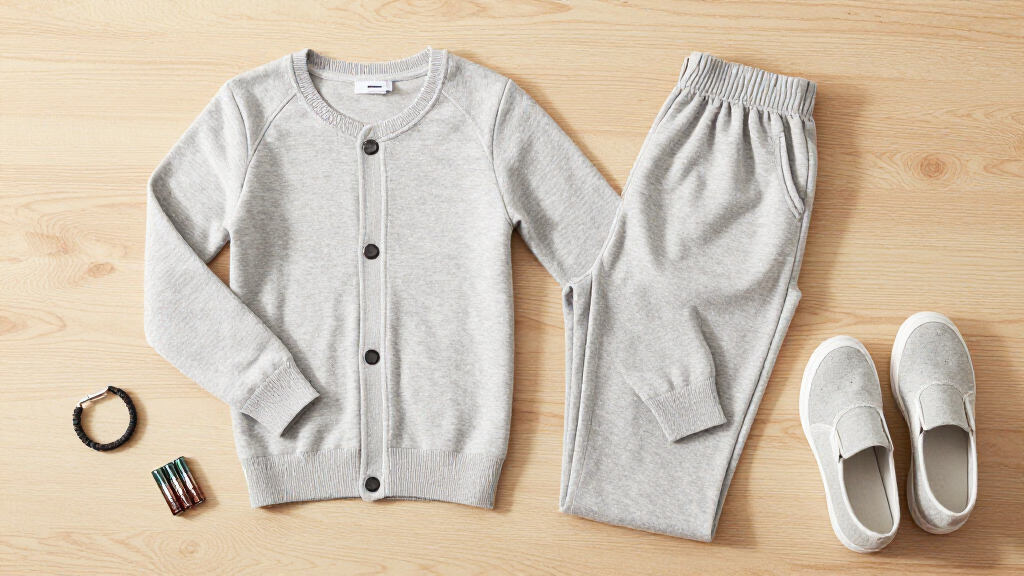
Recent innovations in adaptive clothing are not just about functionality—they are about transforming how people with arthritis experience dressing by integrating style with practicality. Magnetic closures and no-sew seams are innovations that reduce the physical effort needed and help overcome dexterity challenges. For instance, a jacket with magnetic snaps replaces traditional buttons, making it easier to fasten and unfasten while maintaining a sleek, modern look. This shift not only improves ease but also helps wearers feel more fashionable and less stigmatized by their clothing choices.
Smart fabrics are another breakthrough—these textiles actively enhance comfort by managing moisture, regulating temperature, and resisting bacteria. This means clothing can adapt to different weather conditions and activity levels, reducing the need for multiple outfits and simplifying wardrobe choices. This is especially beneficial for those with arthritis who may tire easily or need clothing that supports their health and comfort.
Fashion-forward, gender-neutral designs and sustainable fabrics are making adaptive clothing more appealing and accessible. These innovations challenge the stereotype that adaptive clothing must be utilitarian or unstylish, opening up new possibilities for personal expression and environmental responsibility. The tradeoff, however, may involve balancing style preferences with the specific functional features needed for comfort and ease of dressing, requiring thoughtful selection.
Recent trends include:
- Magnetic and no-sew fasteners
- Fashion-forward, modern designs
- Sustainable, eco-friendly fabrics
arthritis-friendly clothing with elastic waistbands
As an affiliate, we earn on qualifying purchases.
As an affiliate, we earn on qualifying purchases.
What should you consider when choosing the right fit and size?
Proper fit is crucial for comfort, safety, and ease of movement—especially for individuals with arthritis, where improper sizing can lead to discomfort or even injury. Ill-fitting clothing can restrict circulation or cause chafing, which worsens joint pain and inflammation. Conversely, clothing that is too loose may get caught or cause tripping hazards, particularly if mobility is limited. Therefore, understanding how to select the right size involves evaluating how clothing interacts with swelling, joint mobility, and daily activities.
Adjustable features like elastic waistbands, drawstrings, and flexible fabric panels are vital because they allow the garment to adapt to changing joint conditions. For example, joint swelling can fluctuate throughout the day; clothing that can expand or contract helps prevent discomfort and maintains a secure fit without restricting movement. This flexibility supports independence by reducing the need for frequent clothing changes or alterations.
Trying on clothes in person allows a better assessment of fit, but when shopping online, knowing your measurements and understanding the sizing charts is essential. Additionally, checking return policies ensures that you can exchange items if they don’t meet your comfort standards. Prioritizing fit over style initially ensures that the clothing will support your mobility and ease of dressing, which are fundamental for ongoing independence and comfort.
easy-dress adaptive clothing for seniors
As an affiliate, we earn on qualifying purchases.
As an affiliate, we earn on qualifying purchases.
Comparison table: Features of common adaptive clothing options
| Feature | Magnetic Closures | Velcro Fasteners | Elastic Waistbands | Adjustable Openings |
|---|---|---|---|---|
| Ease of use | Very easy, quick | Easy, adjustable | Very easy, slip-on | Convenient for swelling |
| Style options | High, modern look | Varies, some casual | Most styles available | Limited, but improving |
| Durability | High, if well-made | Moderate—may wear out | High | Depends on design |
stylish adaptive clothing for arthritis
As an affiliate, we earn on qualifying purchases.
As an affiliate, we earn on qualifying purchases.
How to pick clothing that balances comfort, style, and independence
Follow these steps:
- Assess your specific needs: Do you need easy closures or adjustable fit?
- Try on different styles: Comfort over fashion, but don’t sacrifice style entirely.
- Check fabric quality: Soft, breathable, stretchy fabrics make a big difference.
- Consider your daily routine: Do you need easy-to-wash, quick-drying clothing?
- Get professional advice: Occupational therapists can recommend tailored options for your needs.
For example, a person with severe joint pain might prioritize elastic waistbands and magnetic closures, while someone else might focus more on style and fabric feel.
Where to find affordable and stylish adaptive clothing for arthritis
You don’t have to spend a fortune to get quality adaptive clothing. Online retailers like mainstream stores and specialized brands offer budget-friendly options. Some secondhand stores and thrift shops also carry gently used adaptive pieces.
Look for sales, discounts, and bundle deals. Many brands now incorporate adaptive features into their regular lines, making stylish choices more accessible and affordable.
For example, a well-made magnetic cardigan can cost less than $50 online, offering both style and ease of use.
Frequently Asked Questions
What features should I look for in adaptive clothing for arthritis?
Prioritize magnetic closures, Velcro fasteners, elastic waistbands, and stretchy fabrics. These features make dressing quicker, easier, and less painful.
Are stylish adaptive clothing options available?
Yes, many brands now offer fashionable adaptive clothing that blends seamlessly with regular styles, helping you feel confident and comfortable.
How can I find affordable adaptive clothing?
Check online retailers, clearance sales, secondhand shops, and mainstream brands with adaptive lines. Prices can vary, but many options are budget-friendly without sacrificing quality.
Is adaptive clothing easy to care for?
Most are designed for simple washing—just follow the care labels. Fabrics like cotton blends and synthetic fibers tend to withstand frequent laundering well.
Can adaptive clothing help with all types of arthritis?
Yes, but needs differ. For severe joint swelling, adjustable and stretchy features are best. Consulting a healthcare professional can help find the best fit for your condition.
Conclusion
Adaptive clothing for arthritis isn’t just about ease—it’s about reclaiming your independence with style and comfort. Focus on features that simplify dressing, keep up with recent innovations, and trust your own comfort needs. When dressing feels easier, your entire day feels brighter and more in your control.
So, take a moment to evaluate what features matter most and explore options that fit your life. After all, dressing should empower, not hinder, your daily freedom.
College move-in / dorm season Picks
dorm essentials
As an affiliate, we earn on qualifying purchases.