
TL;DR
Listen free for 30 days with Audible
Thousands of audiobooks and originals — cancel anytime.
Start your free trialAs an affiliate, we earn on qualifying purchases.
Talking scales provide spoken weight readings, making weighing easier for visually impaired or elderly users. New models now connect to apps and support multiple users, blending accuracy with convenience.
Imagine weighing ingredients or yourself without needing to see tiny numbers or read screens. Talking scales turn weight measurements into spoken words, opening up new levels of independence. Whether in the kitchen or bathroom, these devices serve as friendly, accessible assistants, especially for those with vision or hearing challenges.
In this guide, you’ll learn what features matter most, the latest innovations, and how to pick a talking scale that truly fits your needs. This isn’t just about gadgets; it’s about making daily routines easier, safer, and more confident.
Choose a talking scale with clear, natural voice output for the best experience.
Regular calibration keeps your measurements accurate over time.
Connectivity features like Bluetooth and Wi-Fi add value for health tracking.
Multi-user support is essential if multiple family members share the device.
Proper setup and placement ensure consistent, reliable readings every time.
What Makes a Talking Scale Truly Accessible?
Talking scales are designed to speak your weight aloud clearly and reliably. They often include large, tactile buttons and simple interfaces, so even someone with limited dexterity can operate them easily. For example, a scale with raised, high-contrast buttons and a loud, natural voice makes all the difference during busy mornings or in low-light conditions.
Many models also include features like adjustable volume, multiple language options, and tactile marks. These small touches ensure the device communicates effectively no matter your needs. Think of it like having a friendly assistant who’s always ready to tell you exactly what you need to know.
Understanding these features is crucial because they directly impact usability and confidence. For instance, adjustable volume allows users with hearing impairments to hear readings clearly, while tactile buttons prevent accidental presses. The design choices reflect a commitment to inclusivity—making sure the device works well for a variety of users and environments, from noisy kitchens to dim bathrooms. Prioritizing these features can significantly reduce frustration and improve the overall experience, ensuring that the scale genuinely enhances independence rather than complicates it.

Talking Kitchen Scale for blind of visually impaired – Large Numbers and Loud North American Accent voice (Gray)
- Voice Announcement: Loud, clear North American accent voice
- Multiple Units Display: Shows weight in ml, g, oz, lb
- Tare Function: Exclude bowl weight easily
As an affiliate, we earn on qualifying purchases.
As an affiliate, we earn on qualifying purchases.
How Accurate Are Talking Scales? Here’s What to Expect
Accuracy is the backbone of any scale, and talking models are no exception. Most modern devices match the precision of traditional scales, delivering measurements within a gram or ounce. This level of precision is essential because even small errors can impact cooking outcomes or health monitoring. For example, a baking recipe might require exactly 150 grams of flour; a scale that’s off by a few grams could ruin the dish, highlighting the importance of accuracy in culinary tasks.
For health tracking, bathroom scales often measure body weight and sometimes additional metrics like BMI or body fat. These measurements can inform health decisions, so reliability is critical. Reputable brands maintain calibration through factory settings and offer easy ways to recalibrate, ensuring consistent readings over time. This consistency is vital because fluctuations due to calibration drift can lead to misinterpretation of health progress, causing unnecessary concern or complacency.
Regular calibration—like re-zeroing or using calibration weights—serves as the scale’s maintenance routine. It’s a simple but essential step to ensure ongoing accuracy. Neglecting calibration can lead to discrepancies that diminish trust in the device, ultimately undermining the user’s confidence in their health or cooking routines. Investing time in proper maintenance ensures the device remains a dependable tool, reinforcing the importance of understanding and managing measurement accuracy for everyday use.

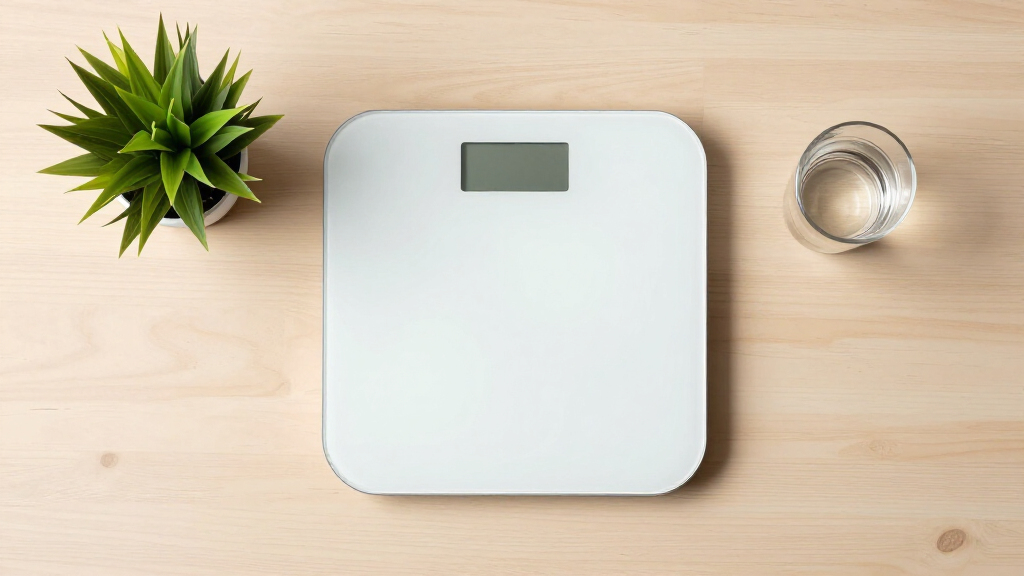
Etekcity Digital Body Weight Bathroom Scale, 6mm Tempered Glass, 400 lbs
- Reliable Precision: High-precision sensors for accurate readings
- Easy to Use: Clear display with auto on/off and unit options
- Minimalist Design: Sleek tempered glass fits any space
As an affiliate, we earn on qualifying purchases.
As an affiliate, we earn on qualifying purchases.
A Side-by-Side Comparison of Top Talking Scales
| Feature | Basic Model | Premium Model | Smart Model |
|---|---|---|---|
| Voice Quality | Clear, but synthetic | Natural, expressive speech | Natural + connected to app |
| Connectivity | None | Bluetooth | Wi-Fi + Bluetooth |
| Multi-User Support | Single user | Multiple profiles | Multiple profiles + recognition |
| Design | Basic plastic | Modern, sleek | Touch screen + minimal |
| Price Range | $50-$70 | $100-$150 | $150-$250 |
This table helps you compare features at a glance. Consider what features align with your needs—whether it’s clear voice, connectivity options, or budget constraints. Recognizing these differences helps you make an informed choice that balances functionality and affordability, ensuring the scale you select will serve you well over time. For example, investing in a model with multi-user support and app connectivity can provide long-term benefits for health tracking, but may require a higher initial investment. Conversely, a basic model might suffice for simple needs, emphasizing ease of use and affordability. Weighing these tradeoffs allows you to prioritize what matters most for your lifestyle and goals.

Talking Kitchen Scales – Big Numbers with Clear Loud Voice North American Accent (Black)
- Clear Loud Voice: North American male accent
- Large Display: Big numbers in multiple units
- Tare Function: Exclude weight of containers
As an affiliate, we earn on qualifying purchases.
As an affiliate, we earn on qualifying purchases.
Step-by-Step: How to Set Up Your Talking Scale in 5 Easy Moves
- Insert fresh batteries and turn on the device. Most scales will beep or say ‘ready’ when powered up. Ensuring proper power is the first step to reliable operation.
- Follow the voice prompts to select your preferred language and volume. Adjust until it’s comfortable for your environment, which enhances clarity and reduces frustration.
- Place the scale on a flat, stable surface—like a bathroom tile or kitchen counter—free of clutter or spills. Proper placement ensures consistent readings, as uneven surfaces can lead to inaccuracies.
- Calibrate if needed, often by weighing a known object or following the manual instructions. Regular calibration maintains measurement accuracy over time, preventing drift that can compromise reliability.
- Test it out: step on and listen as the scale announces your weight. Save your profile if multi-user support is available. This final check confirms everything is set correctly and helps you familiarize yourself with the device’s feedback system.
This simple process turns setup into a quick, confident step. Proper setup and calibration are crucial because they directly impact measurement reliability and user confidence. Keeping the manual handy for troubleshooting or exploring advanced features ensures you get the most out of your device and can address issues promptly, maintaining trust in its performance over the long term.

Talking Scales – Big Numbers and Clear Loud Voice Announcement of Weight (Black)
- Backlit Display with Large Numbers: Shows weight in Pounds or Kilograms
- Loud Voice Announcement: Clear North American male accent
- Durable Tempered Glass: 6mm thick for longevity
As an affiliate, we earn on qualifying purchases.
As an affiliate, we earn on qualifying purchases.
Latest Tech Trends Making Talking Scales Smarter
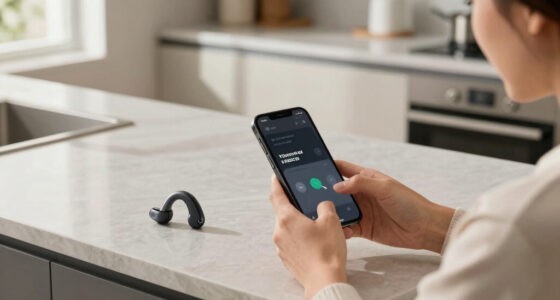
New models now connect seamlessly to smart devices via Bluetooth or Wi-Fi, transforming the scale from a simple measuring device into a comprehensive health tool. These connections allow users to track weight trends over days, weeks, or months through dedicated apps, providing valuable insights for managing health goals or motivating fitness routines. This connectivity also facilitates data sharing with healthcare providers or caregivers, supporting more personalized health management.
Speech synthesis technology has advanced significantly, offering more natural, human-like voices that reduce the robotic feel of earlier models. Some scales can recognize multiple users and store individual data, making daily tracking personalized and private. This multi-user capability is especially beneficial for families or shared households, where keeping personal data separate is important for privacy and accuracy.
Design innovations include touch screens that replace traditional buttons, offering intuitive control and easy readouts. Minimalistic aesthetics help these devices blend seamlessly into modern homes, making them less obtrusive and more appealing. These technological and design advancements collectively turn a basic weighing device into a versatile, intelligent health companion that adapts to user needs, preferences, and lifestyles.
What Are the Real Benefits of Using a Talking Scale?
For starters, it boosts independence by removing barriers to self-monitoring. Imagine a senior who no longer needs someone else to tell them their weight, fostering a sense of control and dignity. For children or those with mobility challenges, it simplifies the process, reducing anxiety and frustration associated with traditional scales. The positive feedback loop encourages consistent use, which can lead to better health awareness and proactive management of conditions.
Audio feedback reduces errors caused by misreading small or unclear displays, especially in low-light, cluttered, or noisy environments. This immediate, spoken confirmation ensures users trust the reading and can act accordingly—whether adjusting medication, diet, or exercise routines. Multi-user features that store personal data make daily tracking seamless and private, supporting ongoing health management without confusion or manual record-keeping.
Research indicates that hearing consistent, clear feedback encourages more frequent and confident use of scales, which can be particularly impactful for elderly or visually impaired users. This sense of empowerment can lead to improved health outcomes and a greater sense of autonomy, making the device not just a tool but a partner in daily well-being.
Common Mistakes to Avoid When Choosing a Talking Scale
Don’t overlook voice quality—poor sound can make the device frustrating to use, leading to skipped or mistrusted readings. The clarity and naturalness of speech are crucial for effective communication, especially for users relying solely on audio cues. Also, avoid scales with complicated interfaces or tiny buttons that can be hard to press or read, as these features can hinder accessibility and ease of use. A confusing setup or operation may discourage consistent use, negating the benefits of the device.
Be cautious about battery life. Scales that drain batteries quickly become inconvenient, especially if replacements or recharging are frequent. Choosing models with long-lasting batteries or rechargeable options reduces maintenance hassle. Regular calibration is often overlooked but essential for accuracy; neglecting it can cause discrepancies that undermine trust in the device’s measurements. Lastly, check compatibility with your phone or smart home setup if you want connectivity features. Incompatibility can limit functionality and frustrate users expecting seamless integration.
For example, a sleek design with poor voice clarity or short battery life can be more trouble than it’s worth, emphasizing the importance of evaluating these factors before purchase.
Frequently Asked Questions
Are talking scales accurate enough for health tracking?
Most reputable talking bathroom scales are accurate within a few pounds or kilograms, suitable for general health monitoring. For medical purposes, consult a healthcare provider for medical-grade devices.How do I choose between a basic or smart talking scale?
Think about your needs: do you want simple voice feedback, or do you prefer connectivity to apps and multiple user profiles? Budget also plays a role—premium models offer more features but cost more.Can children or elderly people easily use talking scales?
Yes. The large buttons, simple interfaces, and clear voice prompts make talking scales especially suitable for children learning to weigh or seniors needing accessible devices. Just ensure the device’s design matches their comfort level.Do I need to replace batteries often?
Battery life varies, but many scales last several months on a single set. Power-saving features and rechargeable options help keep maintenance low.How should I maintain my talking scale for longevity?
Keep it clean and dry, recalibrate periodically as needed, and replace batteries when they run low. Proper care ensures accurate, reliable readings for years.Conclusion
In a world that’s increasingly connected and accessible, a talking scale isn’t just a gadget—it’s a bridge to greater independence. Picking the right model means considering your specific needs, from clarity of speech to smart features. With the right choice, weighing becomes a simple, empowering act.
So, next time you step on a scale, imagine it quietly saying, ‘You’re doing great,’ instead of just numbers. That’s the real power of accessible tech—turning everyday routines into moments of confidence and control.
Grilling season Picks
grills
As an affiliate, we earn on qualifying purchases.