
TL;DR

Get everyday helpers delivered free with Prime
- Fast, free delivery on millions of items
- Prime Video, Amazon Music and more included
- Member-only deals all year
Lowering cabinets and shelves improves home access, safety, and convenience. Whether DIY or professional, simple modifications help create a more accessible space for all abilities.
Imagine reaching into your kitchen without stretching onto a stool or bending awkwardly to grab that can of beans. Easy access isn’t just a convenience — it’s a game-changer for safety and independence. If your cabinets or shelves sit just a little too high, you’re missing out on a safer, more comfortable home.
Today, you’ll learn simple, practical ways to lower those tricky storage areas. From quick adjustments to high-tech solutions, this guide will give you real ideas to make your home more accessible — no matter your age or ability.
Identify the most-used shelves or cabinets that will benefit most from lowering.
Choose the right method—adjustable brackets, pull-down systems, or professional modifications—based on your needs and skills.
Always prioritize safety: use hardware rated for weight, secure all parts, and avoid obstructing pathways.
Modern options include motorized and modular systems, which can drastically reduce effort and risk.
Plan your project carefully, measure precisely, and test stability before fully loading shelves.
Why Lowering Cabinets and Shelves Matters More Than You Think
Lowering cabinets and shelves isn’t just about convenience. It’s about safety, independence, and peace of mind. When shelves sit at waist level, you avoid dangerous stumbles or the need for unstable stools.
For example, a friend of mine with arthritis found that lowering her kitchen shelves meant she could prepare meals without pain or fear of falling. It’s simple changes like these that make a big difference.
According to safety experts, reducing reaching and bending reduces injury risk by up to 40%. This is especially important because the longer reach or awkward bending increases the chance of slips, strains, or falls. For seniors or individuals with mobility challenges, these risks can be life-altering. Additionally, lowering shelves makes daily tasks more manageable, fostering independence and reducing reliance on others. It also minimizes the physical strain on caregivers, who no longer need to assist with unsafe reaching or lifting.
adjustable shelf brackets for cabinets
As an affiliate, we earn on qualifying purchases.
As an affiliate, we earn on qualifying purchases.
How to Choose Which Cabinets or Shelves to Lower
Not every cabinet needs to come down to waist height. The key is to identify the storage areas you use most often and analyze how they impact your daily routine. Prioritizing these ensures that your modifications deliver maximum benefit with minimal effort or expense.
For example, if you find yourself stretching or climbing to reach high pantry shelves, lowering them can significantly reduce the risk of falls or strain. Conversely, upper cabinets used infrequently might not need adjustment, saving time and resources.
Consider the overall flow of your space. Think about the typical height of your arms and the comfort zone for reaching—usually between 30 and 40 inches from the floor. When planning, weigh the tradeoffs: lowering shelves may reduce storage capacity at the top, but it often enhances safety and ease of access. Balancing these factors ensures that your modifications are both practical and effective, leading to a safer, more functional environment.
As an affiliate, we earn on qualifying purchases.
4 Easy Ways to Lower Cabinets and Shelves at Home
- Adjustable Shelving: Use adjustable brackets or tracks to change shelf height without major renovations. This flexibility allows you to customize storage to your needs over time, accommodating changes in mobility or preference. It also minimizes the need for costly or permanent modifications, making it a versatile solution.
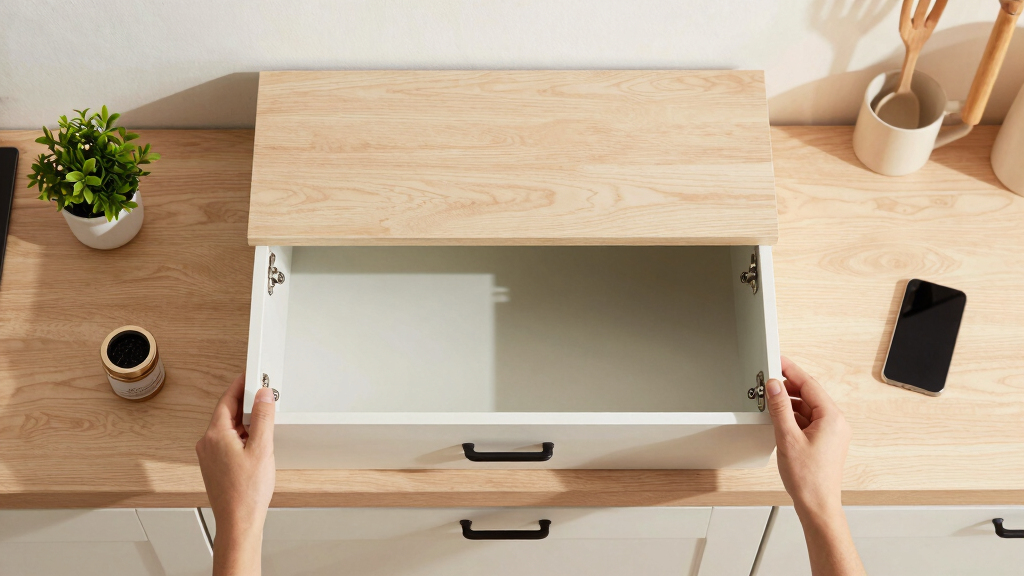
- Pull-Down Shelves: Install shelves that fold down to your level. These systems often include mechanisms such as pneumatic or spring-assisted lifts, which ease the process of lowering and raising heavy or high shelves. They significantly reduce strain and risk of dropping items, especially for those with limited strength or flexibility.
- Counter-Weight or Spring Systems: Use hardware that helps you lower and lift shelves smoothly, distributing weight evenly. These systems often incorporate springs or counter-weights that make movement effortless, decreasing the physical effort required and reducing the chance of sudden drops or injuries.
- Professional Modifications: For large-scale or permanent changes, hiring a cabinetmaker or contractor can ensure that the modifications are structurally sound and compliant with safety standards. This approach is especially beneficial when lowering entire units or creating custom solutions tailored to specific needs, ensuring durability and safety in the long term.
For example, a homeowner replaced her standard upper kitchen cabinets with pull-down systems, making cooking much easier after only a few hours of installation. Such upgrades can transform a space, providing ongoing safety and convenience for years to come.
motorized shelf lowering mechanism
As an affiliate, we earn on qualifying purchases.
As an affiliate, we earn on qualifying purchases.
Tools and Hardware You’ll Need for a DIY Job
Most projects start with basic tools. Gather a drill, level, screwdriver, and safety goggles. Hardware options include adjustable brackets, spring-assisted lift hardware, or mounting rails.
For example, a caregiver used a simple kit with adjustable brackets to lower a kitchen shelf by 8 inches — no special skills needed.
Always check weight ratings and follow hardware instructions closely to keep shelves secure and safe.
As an affiliate, we earn on qualifying purchases.
Safety Tips for Lowering Cabinets and Shelves
Security first. Ensure all hardware is rated for the weight of your stored items. Use sturdy anchors and double-check your measurements.
A quick tip: install safety stops or locks if shelves tend to swing or move unexpectedly. Avoid lowering shelves so far they block pathways or create hazards.
For example, a senior homeowner installed safety locks on her new pull-down shelves, preventing accidental drops or sudden movements.
Understanding safety is crucial because improper installation or choosing hardware not rated for your items can lead to accidents or damage. Overloading shelves or lowering them beyond safe limits can cause structural failure, risking injuries or damage to stored goods. Always adhere to manufacturer guidelines and consider consulting a professional if you’re unsure about the safety implications of your modifications.
Latest Trends: Smarter, Easier, Safer Solutions
The future of lowering cabinets lies in technology. Motorized, remote-controlled systems now allow you to lower or raise shelves at the push of a button. Imagine opening a high pantry with a click — no ladders needed.
Modular, customizable units let you reconfigure shelves without tools. These systems often include safety features like sensors that prevent accidental drops or overloads. Plus, eco-friendly materials and ergonomic designs focus on reducing strain and improving safety, aligning with a growing demand for sustainable and user-friendly home modifications.
For example, a design firm integrated motorized pull-down shelves in a senior living community, dramatically reducing effort and risk, and inspiring further innovations in accessible kitchen design.
Cost and Professional Help: What to Expect
Prices vary widely. Simple adjustable shelves may cost between $50 and $200. Motorized systems can run $500 or more, especially if professionally installed.
If you’re unsure about your skills or the system’s complexity, hiring a professional ensures safety and durability. They can also advise on the best hardware for your space, providing peace of mind that the modifications meet safety standards and will stand the test of time.
For example, a homeowner hired a contractor to install a custom, motorized cabinet system, making her kitchen fully accessible within a day. Investing in professional help can be cost-effective in the long run by preventing costly mistakes or safety issues.
Your Action Plan to Make Your Home More Accessible
Start by assessing your most-used cabinets and shelves. Measure their height and decide what needs lowering. Next, choose your method — DIY or professional help.
Gather tools and hardware, then carefully follow your plan. Remember to test each shelf for stability before filling it with items.
For example, a caregiver used a simple adjustable track to lower her mother’s pantry shelves, making daily cooking safer and more comfortable.
Frequently Asked Questions
Can I lower cabinets myself without professional help?
Yes, for simple adjustments like repositioning shelves or installing adjustable brackets, DIY is often straightforward. However, for complex or heavy-duty systems, hiring a professional ensures safety and long-term durability.How much does it typically cost to lower or install accessible shelves?
Basic adjustable shelving can cost between $50 and $200, while motorized or custom systems may go over $500. Costs depend on hardware, the size of the project, and whether you hire a professional.Are there temporary or portable options for lowering shelves?
Yes, modular and adjustable systems can be moved or reconfigured without permanent changes. These options are great if you rent or plan to change your setup later.What safety features should I look for in hardware or systems?
Prioritize hardware rated for the weight of your stored items, and consider safety locks or stops. Always double-check measurements and secure all parts properly to prevent accidents.Are there building codes I should be aware of for these modifications?
Local building codes and ADA guidelines often specify standards for accessible design, especially in multi-family or commercial settings. Check your local regulations or consult a professional for compliance.Conclusion
Lowering cabinets and shelves isn’t just a tweak — it’s a step toward a home where safety and independence go hand in hand. Small adjustments today can prevent falls, reduce strain, and give you peace of mind.
Imagine reaching every shelf effortlessly, no matter your age or ability. That’s the real goal. So, pick your method, do the math, and make your space work better for you. Your safer, more accessible home is within reach.
Halloween Picks
halloween
As an affiliate, we earn on qualifying purchases.