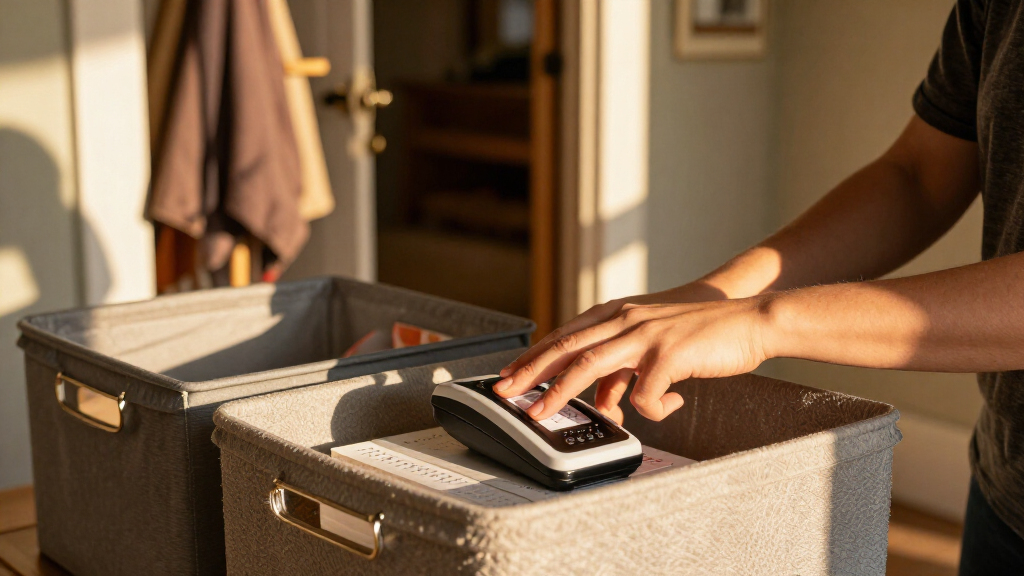

Choosing among braille label makers comes down to more than whether a model embosses letters: the dial, tape supply, and character options shape how practical it will be for your labeling routine. I rank the Reizen RL-350 first for its portable design, comfortable handle, and included tape; the Braille Labeler with Embossing Tape stands out for its dual Braille-and-print dial and built-in symbols; and the Spanish Dial Reizen is the specialized choice for Spanish alphabet labels.

Get everyday helpers delivered free with Prime
- Fast, free delivery on millions of items
- Prime Video, Amazon Music and more included
- Member-only deals all year
The main tradeoff is between ready-to-use convenience and a dial suited to a particular reader or labeling task. The generic handheld model also supports two tape widths and includes tape, but its trigger-and-release operation may take more coordination. I compare these four by character access, tape compatibility, handling, and how much setup each asks of the buyer—not by treating every manual embosser as interchangeable.
Key Takeaways
- The Reizen RL-350 is my balanced pick for portable home, school, or workplace labeling, and it includes a roll of vinyl tape.
- The Braille Labeler with Embossing Tape has the most varied dial: Braille, standard print letters, small-word symbols, contractions, and punctuation.
- The Spanish Dial Reizen is the clear specialist for users who need Braille characters from the Spanish alphabet; its tape is sold separately.
- The generic Handheld Manual Braille Label Maker includes an 8-foot roll of 1/2-inch tape and uses a squeeze trigger, but releasing and cutting labels takes a gentle tug.
- All four are manual embossers, so buyers should check dial layout, hand operation, and compatible tape widths before choosing.
| Reizen RL-350 Braille Labeler |  | Best Overall | Model: RL-350 | Tape widths: 3/8 inch and 1/2 inch | Included tape: One roll of vinyl tape | VIEW LATEST PRICE | See Our Full Breakdown |
| Braille Labeler with Embossing Tape |  | Best for Print-and-Braille Dial Features | Model: 126730 | Tape widths: 0.37 or 0.50 inches | Dial: Braille upper rim; standard print alphabet lower rim | VIEW LATEST PRICE | See Our Full Breakdown |
| Handheld Manual Braille Label Maker |  | Best for a Clearly Described Manual Workflow | Brand: Generic | Model: 1099 | Type: Manual Braille label maker | VIEW LATEST PRICE | See Our Full Breakdown |
| Reizen Braille Labeler with Spanish Dial |  | Best for Spanish Alphabet Labels | Tape widths: 3/8 inch and 1/2 inch | Tape included: No; sold separately | Dimensions: 2.38 × 10 × 4 inches (60.45 × 254 × 101.60 mm) | VIEW LATEST PRICE | See Our Full Breakdown |
| braille label maker | Tape widths | Model | Dimensions | Included tape |
|---|---|---|---|---|
| Reizen RL-350 Braille Labeler | 3/8 inch and 1/2 inch | RL-350 | 2.38 × 10 × 4 inches (60.45 × 254 × 101.60 mm) | One roll of vinyl tape |
| Braille Labeler with Embossing | 0.37 or 0.50 inches | 126730 | — | — |
| Handheld Manual Braille Label | 3/8 inch or 1/2 inch | 1099 | 10 × 4 × 2 inches | One 8-foot roll of 1/2-inch tape |
| Reizen Braille Labeler with Sp | 3/8 inch and 1/2 inch | — | 2.38 × 10 × 4 inches (60.45 × 254 × 101.60 mm) | — |
More Details on Our Top Picks
Reizen RL-350 Braille Labeler
I put the Reizen RL-350 at the top because it combines broadly useful tape compatibility with straightforward handling details. It accepts both 3/8-inch and 1/2-inch tape, comes with one roll of vinyl tape, and is described as easy to load. That makes it a sensible starting point for everyday labeling at home, school, or work without requiring a separate tape purchase before the first labels can be made.
Compared with the generic handheld model, the RL-350 has a stated comfortable handle and easy-loading design, while the generic listing gives more specific instructions about squeezing the trigger and tugging the tape to release and cut a label. That difference may matter to buyers choosing by handling preference, but the available details do not establish that either requires less effort for every user. Like the generic model, the RL-350 supports two common tape widths; its included roll is a practical advantage, though the listing does not give a roll length.
The main limitation is that additional tape is sold separately, so ongoing use depends on finding compatible replacement tape. The Spanish Dial Reizen also excludes tape, making the RL-350 easier to start with, but that Spanish model is the better match if its alphabet is specifically needed. The RL-350 description does not identify Spanish characters, a print alphabet, or added symbols, so I would not select it for those capabilities without confirming the dial. Its one-year warranty and compact stated dimensions round out a balanced, portable choice rather than a feature-specialist pick.
Pros:- Accepts 3/8-inch and 1/2-inch labeling tape
- Includes one roll of vinyl tape
- Described as easy to load with a comfortable handle
- Lightweight, portable format with a stated one-year warranty
Cons:- Additional tape is sold separately
- The product details do not specify a Spanish alphabet, print alphabet, or added symbol set
- The included roll length is not stated
Best for: Buyers seeking a portable general-purpose braille label maker for home, school, or work who want tape included and two compatible widths.
Not ideal for: Shoppers who need a Spanish alphabet dial, a stated print alphabet or symbol set, or a supply of replacement tape included for extended use.
- Model:RL-350
- Tape widths:3/8 inch and 1/2 inch
- Included tape:One roll of vinyl tape
- Dimensions:2.38 × 10 × 4 inches (60.45 × 254 × 101.60 mm)
- Warranty:1 year
- Handling:Lightweight design and comfortable handle
- Loading:Described as easy to load
Our verdict“I recommend the RL-350 as the most balanced general-purpose choice because it pairs two tape widths with included tape and approachable handling details.”
Braille Labeler with Embossing Tape
This round Braille Labeler with Embossing Tape has the most distinctive dial in the group. Braille characters sit along the upper rim, while a standard print alphabet appears along the lower rim. The dial also includes symbols for small words, contractions, and punctuation, which gives it a broader stated character range than the general-purpose Reizen RL-350 or the generic handheld model as described.
That extra dial information can make this a stronger fit when labels need more than letters and numbers, or when a sighted helper needs print characters visible on the dial. It is not the same as a claim that the resulting label prints both scripts: the listing describes what appears on the dial, so buyers should distinguish dial markings from embossed output. The Spanish Dial Reizen takes a different specialized path by putting Spanish alphabet Braille on its dial, whereas this model’s stated advantage is the combined Braille/print layout and symbols.
The tape widths are listed as 0.37 or 0.50 inches, close to the 3/8- and 1/2-inch formats supported by the other models, but the listing does not explicitly say those products’ tape rolls are interchangeable. I would verify the exact tape specification before stocking supplies. Its description calls it a labeler with embossing tape, yet does not clearly state the amount of tape included. Handling details such as a comfortable grip, loading method, dimensions, and warranty are also absent from the supplied information. That makes it a compelling dial-feature choice, but a less transparent all-around purchase than the RL-350.
Pros:- Dial shows Braille and a standard print alphabet
- Includes symbols for small words, contractions, and punctuation
- Embosses on two stated tape widths
- Round form with a distinct character-rich dial
Cons:- The supplied details do not state the amount of tape included
- Tape widths are given as 0.37 and 0.50 inches, so buyers should verify tape fit
- No handle, loading, dimensions, or warranty details are supplied
Best for: Buyers who want Braille and print characters shown on the dial, along with symbols for small words, contractions, and punctuation.
Not ideal for: Buyers who need clearly specified tape included, Spanish alphabet characters, or detailed information about handle comfort and loading.
- Model:126730
- Tape widths:0.37 or 0.50 inches
- Dial:Braille upper rim; standard print alphabet lower rim
- Symbols:Small words, contractions, and punctuation
- Color:White
- Shape:Round
- Tape supplied:Listing refers to embossing tape but does not specify the amount
Our verdict“I favor this model when dial visibility and added symbols matter more than clearly documented tape-in-box and handling details.”
Handheld Manual Braille Label Maker
The Handheld Manual Braille Label Maker is the most explicit about how a label is made: select a character with the dial, squeeze the trigger, then release and cut the tape with a gentle tug. It embosses Braille letters and numbers and accepts 3/8-inch or 1/2-inch vinyl tape. For buyers who want the operation spelled out before purchase, that level of process detail is useful, while the RL-350 listing focuses more on its handle and loading.
Its strongest practical advantage is the included 8-foot roll of 1/2-inch tape. That quantity is specified, unlike the RL-350’s included roll, whose length is not listed. The RL-350, however, is also described as easy to load and has a comfortable handle, while the generic model’s plastic construction and squeeze trigger make its manual action more prominent. I would compare those details against the user’s dexterity and preferred grip rather than assume a particular trigger will suit everyone.
This option is less specialized than the Spanish Dial Reizen and the symbol-rich Braille Labeler with Embossing Tape. The supplied description names letters and numbers but does not mention Spanish characters, punctuation, contractions, or a print alphabet on the dial. Its release-and-cut step is a real tradeoff: a user must keep squeezing while gently tugging the tape, which may be less convenient than a cutting approach they prefer. Still, the stated tape length and two width options make it a practical entry for basic labels, provided the user is comfortable with the manual sequence.
Pros:- Embosses Braille letters and numbers
- Accepts 3/8-inch or 1/2-inch vinyl tape
- Includes an 8-foot roll of 1/2-inch tape
- Operation is described step by step
Cons:- Manual squeezing and tape-tugging are required to release and cut labels
- Plastic construction is specified, with no handle comfort details
- The description does not mention Spanish characters, contractions, punctuation, or print alphabet markings
Best for: Buyers who want a basic manual embosser for Braille letters and numbers with a clearly stated 8-foot starter roll.
Not ideal for: Users who need Spanish alphabet characters, a dial with stated contractions and punctuation, or who prefer not to squeeze a trigger and tug tape to release a label.
- Brand:Generic
- Model:1099
- Type:Manual Braille label maker
- Tape widths:3/8 inch or 1/2 inch
- Included tape:One 8-foot roll of 1/2-inch tape
- Dimensions:10 × 4 × 2 inches
- Material and color:Plastic; blue and white
- Character types:Braille letters and numbers
Our verdict“I recommend this model for basic letter-and-number labeling when an included, measured starter roll and a clearly described manual process are priorities.”
Reizen Braille Labeler with Spanish Dial
The Reizen Braille Labeler with Spanish Dial earns its place through a specific character set: its dial includes Braille characters from the Spanish alphabet. For a buyer who needs those characters, that feature matters more than a general claim of versatility. It is otherwise close in format to the RL-350, with a lightweight portable build, comfortable handle, and support for both 3/8-inch and 1/2-inch labeling tape.
Compared with the RL-350, the key difference is not the shared handling or tape-width range, but the Spanish-focused dial. The RL-350 is the more convenient general recommendation because one roll of vinyl tape is included and the listing calls it easy to load. This Spanish model includes no tape, so the buyer needs to source compatible labeling tape separately before use. The generic handheld model has a specified 8-foot starter roll, but its listed character set is letters and numbers rather than Spanish alphabet Braille.
I would choose this version only when the dial’s Spanish characters match the labeling need; it does not become a better everyday option simply because it is specialized. The product information does not name additional symbols, contractions, punctuation, or a standard print alphabet, so I would not assume those features are present. Its portability and two tape widths make it flexible for different label sizes, but the lack of supplied tape adds a setup step and ongoing sourcing requirement. For buyers who do not need the Spanish alphabet, the RL-350 is the more straightforward pick in the same general Reizen format.
Pros:- Dial includes Braille characters from the Spanish alphabet
- Accepts 3/8-inch and 1/2-inch labeling tape
- Lightweight, portable construction
- Comfortable handle
Cons:- Labeling tape is sold separately
- The supplied details do not mention a print alphabet, contractions, or punctuation
- No warranty is stated in the provided product information
Best for: Spanish-reading Braille users or households, schools, and workplaces that specifically need Spanish alphabet characters on the dial.
Not ideal for: Buyers seeking a ready-to-use package with tape included, or those who only need standard general-purpose Braille characters.
- Tape widths:3/8 inch and 1/2 inch
- Tape included:No; sold separately
- Dimensions:2.38 × 10 × 4 inches (60.45 × 254 × 101.60 mm)
- Construction:Lightweight and durable
- Dial:Braille characters for the Spanish alphabet
- Handling:Portable design with a comfortable handle
Our verdict“I recommend this Reizen only for buyers who need its Spanish alphabet dial; everyone else gets a more convenient starting package from the RL-350.”
How We Picked
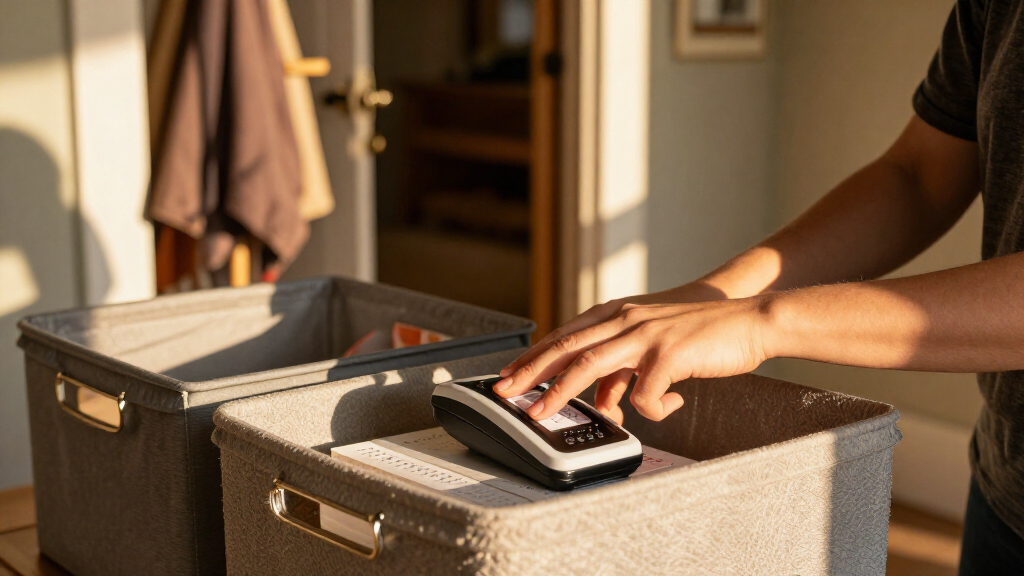
I ranked these options around the job a Braille label maker must do: give a user a practical way to create raised Braille labels on compatible tape. The supplied product details describe manual embossers, so I did not treat any of them as electronic or automatic machines. Instead, I compared how their dials present characters, which tape widths they accept, what tape comes in the package, and what the stated handling details suggest for routine use.
Character access shaped the order. A standard dial may suit everyday labels, while a dial with Spanish alphabet characters or a print alphabet and symbols serves a more specific need. The Spanish model earns a distinct specialist role rather than a general-purpose ranking advantage. The dual-script, symbol-rich option places well for buyers who need those dial features, though the supplied description does not state whether tape is included.
I also weighed setup and handling. The RL-350 is described as easy to load and has a comfortable handle; the generic handheld model explains its squeeze-and-tug operation and includes an 8-foot roll of tape. Those details help distinguish their ownership experience, but they do not prove that one requires less hand strength or works better for every person. The two Reizen models share similar dimensions and portability, yet their dials and tape-in-box details differ.
Finally, I give weight to tape compatibility and practical limitations. Three listings specify 3/8-inch and 1/2-inch tape, while the fourth gives 0.37- and 0.50-inch widths. Tape is sold separately for both Reizen options, and extra tape is a stated ongoing need for the RL-350. Since the supplied information does not confirm durability over time, embossing pressure, replacement part availability, or accessibility testing, I avoid claims on those points. The ranking reflects the stated features and the fit they suggest for different buyers.
| braille label maker | Included tape | Handling | Dial |
|---|---|---|---|
| Reizen RL-350 Braille Labeler | One roll of vinyl tape | Lightweight design and comfortable handle | — |
| Braille Labeler with Embossing | — | — | Braille upper rim; standard print alphabet lower rim |
| Handheld Manual Braille Label | One 8-foot roll of 1/2-inch tape | — | — |
| Reizen Braille Labeler with Sp | — | Portable design with a comfortable handle | Braille characters for the Spanish alphabet |
Factors to Consider When Choosing Braille Label Makers
I would choose a braille label maker by matching its dial and operating steps to the person who will use it, then checking tape fit and supply needs. These four are manual models, but their character layouts and included materials differ enough to change which one makes sense.
Match the dial to the characters you need
Start with the characters that labels must represent. The generic handheld model is specifically described as embossing Braille letters and numbers. The Spanish Dial Reizen is the clear choice in this group when the Spanish alphabet is required. The Braille Labeler with Embossing Tape lists Braille and standard print letters on its dial, along with symbols for small words, contractions, and punctuation. The RL-350 has no detailed character list in the supplied description, so I would verify its dial layout before buying if a particular symbol set is necessary.
Do not confuse characters printed or embossed on a dial with characters embossed onto the tape. The dual-script product describes a dial with a standard print alphabet as well as Braille; buyers should confirm which markings are used to select characters and what the finished label contains. If multiple people will use the tool, visible print markings may help a sighted helper identify dial positions, but the buyer should not assume that this changes the finished label format.
Check the tape width and exact compatibility
The RL-350, generic handheld model, and Spanish Dial Reizen list 3/8-inch and 1/2-inch tape. The fourth model specifies 0.37- and 0.50-inch tape, measurements that appear close to those familiar fractions. Still, I would check the maker’s tape guidance rather than assume every roll with a similar width will feed correctly. Tape thickness, material, and fit can matter to a manual mechanism, and the supplied details do not confirm cross-compatibility between brands.
Think about the label surface and intended use as well as width. A narrower tape may suit a small item, while a wider strip provides more room for a longer label, but the right result depends on the item and the user who reads it. The supplied descriptions do not specify adhesive performance or suitability for particular environments, so I would verify those details separately if labels must withstand moisture, heat, or repeated handling.
Account for starter tape and replacement supplies
Included tape changes how quickly a buyer can begin. The RL-350 includes one roll of vinyl tape, although its length is not stated. The generic handheld model specifies an 8-foot roll of 1/2-inch tape, making its starter supply quantity clearer. The Spanish Dial Reizen says tape is sold separately. The fourth listing refers to embossing tape but does not state how much comes in the package. If the first labeling session matters, confirm what arrives in the box and where compatible rolls can be obtained.
Also treat included tape as a starter, not a long-term supply plan. The RL-350 listing explicitly says extra tape is sold separately; the Spanish version also requires a separate tape purchase. Before settling on a model, check that the right widths and materials are available for later use. A specialized dial is of limited practical value if the required tape is difficult to source.
Choose a manual action that suits the user
All four options are manual, so the buyer should consider how the user will select characters, apply pressure, and release the label. The generic model describes a dial-and-trigger sequence: select a character, squeeze, then gently tug the tape while squeezing to release and cut. That procedure is unusually explicit, which helps a buyer understand the task, but it also flags an operation that may not suit every hand or preference.
The Reizen listings describe a comfortable handle, and the RL-350 is also called easy to load. Those are useful details, but they do not establish a particular level of required grip strength or ease for every user. If dexterity, hand pain, or fatigue is a concern, I would seek a hands-on demonstration or further accessibility information before purchase. A person who will make many labels may weigh repetitive squeezing differently from someone making occasional household labels.
Decide whether portability or specialized features matter more
The RL-350 and Spanish Dial Reizen share stated dimensions of 2.38 × 10 × 4 inches and are described as lightweight and portable. That makes either a plausible choice for moving between rooms, classrooms, or work areas. The generic handheld model also has compact stated dimensions, though its description emphasizes plastic construction and trigger operation. The fourth option is described as round, but no dimensions or handle information are supplied.
For most general labeling, I would favor a balanced model with a comfortable grip and readily available tape. If the Spanish character set is necessary, choose the Spanish Dial Reizen despite its separate tape purchase. If added symbols and print markings are the priority, consider the Braille Labeler with Embossing Tape and verify its tape supply. The best choice depends on the user’s actual character and handling needs, not on the longest feature list.
Frequently Asked Questions
What is a manual braille label maker used for?
A manual braille label maker embosses raised Braille characters onto compatible labeling tape. The resulting strip can be applied to an item to help identify or organize it. In this group, the products are presented for uses such as home, school, and workplace labeling; the listed character options vary by model, so I would check that the dial has the letters or symbols the user needs.
Which of these label makers includes tape?
The Reizen RL-350 includes one roll of vinyl tape, though the roll length is not stated. The Handheld Manual Braille Label Maker includes one 8-foot roll of 1/2-inch tape. The Spanish Dial Reizen does not include tape. The Braille Labeler with Embossing Tape listing does not specify how much tape is supplied, so I would confirm package contents before buying.
Which model is designed for Spanish Braille characters?
The Reizen Braille Labeler with Spanish Dial is the only option in this comparison explicitly described as having Braille characters from the Spanish alphabet. It still requires a separate tape purchase. If Spanish characters are not needed, the RL-350 is the more general Reizen choice because it includes a roll of tape and shares the same stated tape-width options.
Are the tape widths interchangeable across all four models?
The first three products list 3/8-inch and 1/2-inch tape, while the Braille Labeler with Embossing Tape lists 0.37- and 0.50-inch widths. Those measurements are close, but the supplied descriptions do not confirm that rolls are interchangeable among brands or mechanisms. I would check the specific maker’s tape requirements, including material and fit, before ordering replacement rolls.
What should I check if squeezing a trigger may be difficult?
The generic handheld model specifically uses a squeeze trigger and calls for gently tugging the tape while squeezing to release and cut a label. The Reizen products are described as having comfortable handles, but that description does not state the force needed to emboss characters. If hand strength or dexterity is a concern, I would seek an in-person demonstration or more detailed accessibility information before choosing any of these manual embossers.
Conclusion
For a general-purpose starting point, I recommend the Reizen RL-350: it accepts two tape widths, includes a roll, and has stated easy-loading and handle details. Choose the Handheld Manual Braille Label Maker if a measured 8-foot starter roll and a clearly described letter-and-number workflow matter more than avoiding a squeeze-and-tug release step. For Spanish alphabet Braille, the Spanish Dial Reizen is the purpose-built choice, provided you are prepared to buy tape separately. If you need print characters shown on the dial plus symbols for contractions, punctuation, and small words, consider the Braille Labeler with Embossing Tape, after verifying tape supply and compatibility.
My ranking gives the RL-350 the lead for its balanced everyday fit, places the symbol-rich model next for its distinctive dial, and separates the generic and Spanish models by their clearest use cases. Before ordering, match the dial to the required characters, confirm the tape specification, and think about who will operate the manual mechanism. Those checks matter more than choosing a model simply because its feature list appears longer.
Halloween Picks
halloween
As an affiliate, we earn on qualifying purchases.