
TL;DR

Get everyday helpers delivered free with Prime
- Fast, free delivery on millions of items
- Prime Video, Amazon Music and more included
- Member-only deals all year
Sixty and Me published a report outlining five everyday habits it says may support pelvic health after 60: flexible footwear, floor sitting and squatting, pelvic and ribcage awareness, leg stretches, and walking. The article’s recommendations are not clinical findings, and its claims that these steps can reverse incontinence are not established by evidence in the report; readers with symptoms should seek advice from a qualified health professional.
Sixty and Me has published a five-step guide to pelvic health after 60, recommending changes to footwear, sitting, squatting, posture, stretching and walking. The article presents these habits as ways to support pelvic-floor function, but its claims about reversing incontinence are not substantiated with research or clinical evidence in the supplied report.
The guide’s five recommendations are to wear flat, flexible footwear; sit on the floor and squat more often; check the relationship between the ribcage and pelvis; stretch the calves and hamstrings; and walk regularly. It suggests making these movements part of daily routines rather than relying on equipment or a formal exercise program.
For walking, the article proposes a target of 3 to 5 miles a day, ideally spread across the day, and says readers may stretch before walking. That distance is the article’s recommendation, not a medically established target for every person over 60. The guide does not cite studies or specify how the activities should be adapted for people with pain, mobility limitations or other health conditions.
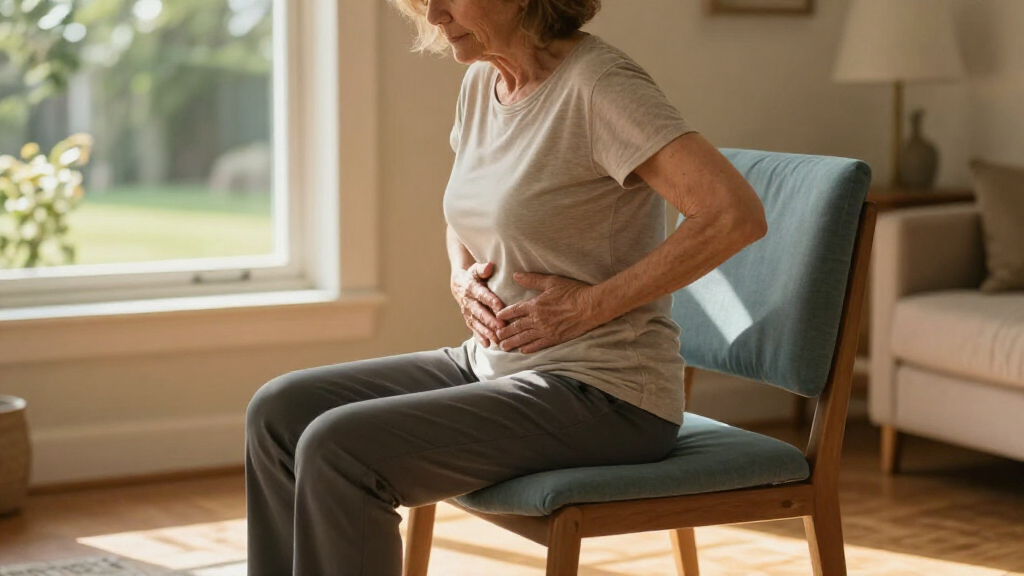
The report describes urine leakage as a possible sign of pelvic-floor problems and says untreated symptoms can progress to pelvic organ prolapse. It also makes broad claims about incontinence being common and treatable. Those statements are attributable to the article; the supplied material does not provide data or medical sources to verify them. The publication includes a disclaimer advising readers to consult a doctor for situation-specific advice.
Everyday Habits, Individual Needs
The article addresses a health issue that may be difficult for people to discuss and offers practical, low-equipment activities readers can consider. Changes to walking and daily movement may be more accessible than a specialized exercise routine for some people, while the focus on symptoms can prompt readers to seek help rather than dismiss leakage as an inevitable part of aging.
However, readers should not treat the five steps as a proven treatment plan. The report does not establish that these habits prevent or reverse incontinence or pelvic organ prolapse. People’s mobility, balance, pain and medical histories differ, so floor sitting, squatting, stretching and walking distances may not be appropriate for everyone. A clinician or pelvic-health professional can help assess symptoms and discuss suitable options.
women's flexible flat walking shoes wide toe box
As an affiliate, we earn on qualifying purchases.
As an affiliate, we earn on qualifying purchases.
What the Guide Recommends
Sixty and Me frames pelvic health around the positioning and activity of the pelvic floor, abdominal and breathing muscles. It argues that footwear, prolonged chair sitting and posture can affect how those muscles work, and recommends a neutral pelvis and less forward ribcage positioning. These explanations are the report’s rationale; the supplied text does not cite evidence confirming its specific claims about shoes or alignment.
The suggested actions are not presented as a clinical protocol. The article does not describe a study, identify medical reviewers or give a publication date in the source material provided here. Its closing disclaimer says it is not medical advice and directs readers to consult a doctor for guidance suited to their circumstances.
non-slip exercise mat for floor stretching and mobility
As an affiliate, we earn on qualifying purchases.
As an affiliate, we earn on qualifying purchases.
Evidence and Safety Questions
The supplied report does not include clinical studies, expert interviews or outcome data showing that the five habits improve pelvic-floor function or reverse urinary leakage. It also does not explain what evidence supports its proposed walking distance or its claims about footwear, ribcage position and pelvic alignment.
It remains unclear whether the guide’s recommendations apply equally to people with different levels of fitness, balance, pain or existing pelvic conditions. The report does not offer modifications or explain when a symptom warrants prompt assessment. Anyone experiencing incontinence or other pelvic symptoms should discuss them with a qualified health professional rather than relying on the article alone.
stretching strap for hamstring and calf stretches
As an affiliate, we earn on qualifying purchases.
As an affiliate, we earn on qualifying purchases.
Discuss Symptoms With a Clinician
The article sets out general habits but does not announce a follow-up study, clinical evaluation or updated guidance. Its practical next step for readers is to seek individual medical advice, particularly if symptoms are new, persistent or worsening, before adopting activities that could be uncomfortable or unsafe for them.
Readers can also ask a health professional whether pelvic-floor physiotherapy or other assessment is appropriate. The source material does not specify any further publication or medical milestone, so any additional guidance or evidence remains unknown.
walking poles for seniors adjustable ergonomic handles
As an affiliate, we earn on qualifying purchases.
As an affiliate, we earn on qualifying purchases.
Key Questions
What five habits does the article recommend?
It recommends flat, flexible footwear, sitting on the floor and squatting more often, checking ribcage and pelvic position, stretching the calves and hamstrings, and walking regularly.
Does the report prove these steps reverse incontinence?
No. The supplied report provides no studies or clinical data establishing that the habits reverse incontinence. Its treatment claims should be understood as statements made by the article, not verified outcomes.
Is walking 3 to 5 miles a day right for everyone?
The guide proposes that distance, but it does not establish it as a suitable target for all adults over 60. Walking goals should reflect a person’s health, mobility and safety; ask a qualified professional for individualized guidance.
What should someone do about urine leakage?
Discuss persistent or concerning leakage with a qualified health professional. The article itself advises readers to consult a doctor for medical advice specific to their situation.
Source: rss
Fall Picks
fall essentials
As an affiliate, we earn on qualifying purchases.