
TL;DR

Get everyday helpers delivered free with Prime
- Fast, free delivery on millions of items
- Prime Video, Amazon Music and more included
- Member-only deals all year
Adaptive clothing for wheelchair users prioritizes accessibility, comfort, and style. Recent advances include magnetic fasteners, breathable fabrics, and customizable options, making dressing easier and more independent.
Look for adaptive clothing with magnetic or Velcro fastenings for easier independence.
Focus on breathable, moisture-wicking fabrics to prevent skin issues during long wear.
Innovations like modular designs and smart textiles are making adaptive clothing more customizable and high-tech.
Prioritize fit and comfort, trying different styles to find what works best for your daily routine.
Many brands now blend style and function, proving adaptive clothing can be fashionable too.
Comfort, independence, and personal style in one daily system.
Adaptive clothing for wheelchair users is designed around real movement: seated fit, easier dressing, breathable fabrics, and closures that reduce strain. The best pieces make getting dressed feel calmer, faster, and more dignified without asking anyone to trade style for function.
Adaptive design is not just convenience. It is control, dignity, and self-expression.
What Makes It Work
Great adaptive clothing starts with the daily routine: reaching, transferring, toileting, sitting for long periods, and dressing with limited hand strength. Each feature should reduce effort while protecting skin and preserving personal style.
Easy closures
Magnetic snaps, Velcro, and zipper pulls reduce fine-motor demands and make shirts, jackets, and pants easier to manage independently.
Seated fit
Elastic waistbands, higher back rises, and ergonomic seams help clothing sit smoothly without digging, bunching, or restricting movement.
Better fabrics
Moisture-wicking, breathable, and antimicrobial materials can help manage heat, sweat, irritation, and pressure-related discomfort.
Strategic openings
Side zippers, back openings, and wide panels support transfers, toileting access, medical devices, and caregiver-assisted dressing.
Wash resilience
Quality adaptive garments keep closures, stretch, shape, and technical fabric benefits intact through frequent washing.
Style first
Mainstream collaborations and adaptive fashion lines now offer modern silhouettes, colors, and cuts that look intentional.
From Struggle to Routine
Adaptive design changes the sequence of getting dressed. The goal is fewer painful reaches, fewer tiny closures, fewer pressure points, and more choices that match the person’s life.
Assess needs
Identify dressing barriers, toileting needs, climate, activity level, and skin sensitivities.
Select access
Choose magnetic, Velcro, side-zip, or back-open designs based on dexterity and routine.
Check fabric
Prioritize breathable, moisture-wicking, soft-touch materials for long seated wear.
Test fit
Look for no pulling, bunching, pinching, or seams that create pressure.
Wear with style
Choose colors and cuts that feel personal, not clinical or compromised.
Traditional vs. Adaptive
Traditional garments often assume standing movement, strong grip, and fine motor control. Adaptive clothing redesigns the same categories around seated comfort, access, and independence.
| Feature | Traditional Clothing | Adaptive Clothing | Daily Impact |
|---|---|---|---|
| Fastenings | ✗ Buttons, hooks, small zippers | ✓ Magnetic, Velcro, large-pull zippers | Less hand strain and faster dressing. |
| Fit adjustments | ~ Belts or tailoring often required | ✓ Elastic waists, drawstrings, modular panels | More comfort while seated for long periods. |
| Ease of dressing | ✗ Can require standing, twisting, or assistance | ✓ Side openings, back openings, wide access | Supports independence and dignity. |
| Fabric technology | ~ Standard fabrics with limited performance focus | ✓ Breathable, antimicrobial, moisture-wicking options | Helps manage irritation, heat, and skin health. |
| Style options | ✓ Broad variety | ✓ Growing fashionable adaptive lines | More room for self-expression without compromise. |
Innovation Map
Recent developments are making adaptive clothing more practical, customizable, and health-aware. The biggest gains come from combining access, fabric science, modular construction, and inclusive design.
Practical gains by feature
Balancing ease and longevity
Some fastenings are easier to manipulate but may require higher-quality construction to stay reliable. The strongest choice usually pairs accessible closures with durable stitching, gentle wash care, and fabrics that keep their stretch.
Feature maturity scale
Adaptive fashion is moving from simple access fixes toward integrated comfort, customization, and sensor-supported skin care.
Care Keeps Function Alive
Adaptive garments often include technical fabrics, elastic fibers, magnetic closures, and reinforced panels. Gentle maintenance helps preserve both the look and the accessibility features.
Use gentle cycles
Follow the label closely to protect magnets, stretch, fabric finish, and garment shape.
Choose mild formulas
Delicate or performance detergents help preserve moisture-wicking and antimicrobial properties.
Skip bleach
Bleach and fabric softeners can weaken fibers, reduce breathability, and damage closures.
Check closures
Look for loose stitching, worn Velcro, weakened elastic, or magnets that no longer align securely.
Traceability Chain
The strongest adaptive clothing choices connect health, independence, and identity. A feature is useful when it clearly supports a real daily outcome.
Access
Closures and openings reduce barriers.
Fit
Seated cuts protect comfort.
Skin
Breathable fabrics manage moisture.
Independence
Less assistance builds control.
Personal style
Fashion choices reflect identity.
What Makes Adaptive Clothing Perfect for Wheelchair Users?
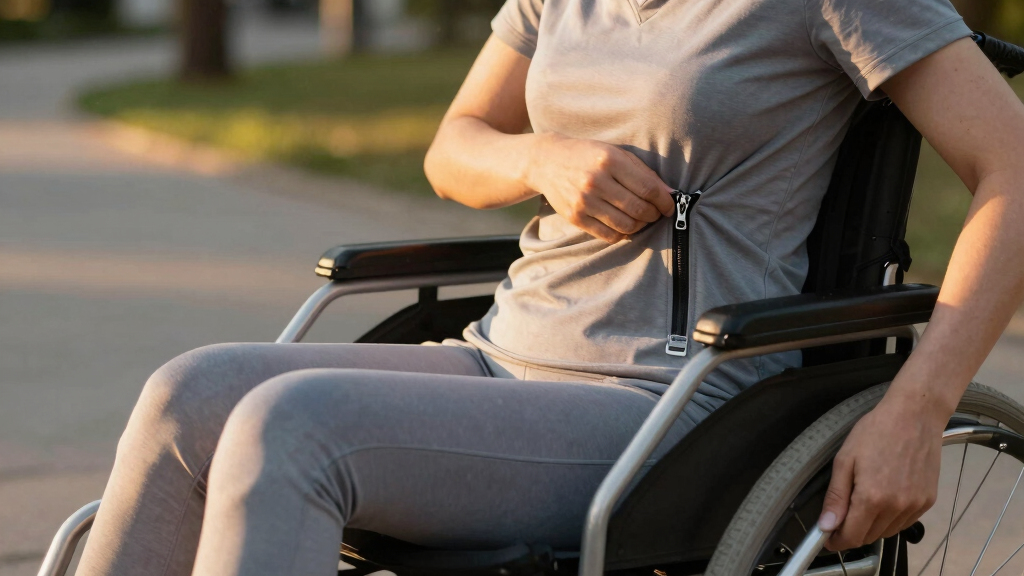
Adaptive clothing for wheelchair users is specifically designed to make dressing and undressing simpler. Features like magnetic closures, elastic waistbands, and strategic openings mean less fuss and more independence. Imagine a pair of pants with a side zipper that opens wide, or a shirt with magnetic buttons that snap into place effortlessly. These details are game-changers, especially for those with limited hand strength or dexterity.
Take Sarah, who uses a wheelchair and struggles with buttons. She now wears adaptive shirts with magnetic closures that she can manage alone. It’s a small change, but it boosts her confidence and saves her time every morning.
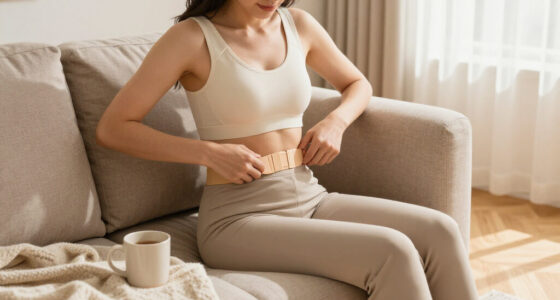
adaptive clothing magnetic fasteners for wheelchair users
As an affiliate, we earn on qualifying purchases.
As an affiliate, we earn on qualifying purchases.
Key Features to Look for in Adaptive Clothing for Wheelchair Use
When shopping for adaptive clothing, focus on these essentials:
- Easy-to-manage fastenings: magnetic, Velcro, or large zipper pulls help with limited dexterity.
- Flexible, breathable fabrics: moisture-wicking and antimicrobial materials keep skin healthy and comfortable.
- Designs with strategic openings: side or back zippers, or panels that open wide, accommodate transfers and toileting needs.
- Adjustable fits: elastic waistbands or drawstrings allow for a snug yet comfortable fit.
Choosing these features isn’t just about convenience; it directly impacts a person’s ability to dress independently, which can significantly affect their self-esteem and sense of control. For example, garments with easy fastenings reduce the frustration and physical strain associated with dressing, especially for those with limited hand mobility. Fabric choice matters because it influences skin health—breathable, moisture-wicking fabrics prevent skin irritation and pressure sores, which are common concerns for wheelchair users. Design features like strategic openings can also facilitate toileting and transfers, reducing dependency on caregivers and promoting dignity. The tradeoff often involves balancing durability with ease of use; some fastenings may wear out faster, so selecting high-quality materials ensures longevity while maintaining functionality.
breathable moisture-wicking adaptive clothing for wheelchair users
As an affiliate, we earn on qualifying purchases.
As an affiliate, we earn on qualifying purchases.
Recent Innovations Making Adaptive Clothing More Practical
Adaptive clothing has seen exciting advances recently. Magnetic closures now replace buttons and zippers, making dressing faster and easier. This shift addresses one of the biggest barriers to independent dressing—manual dexterity. The use of fabrics that wick away sweat and fight bacteria isn’t just about comfort; it’s about skin health. Moisture management reduces the risk of pressure sores and skin infections, which are significant health concerns for wheelchair users. Some brands are collaborating with mainstream fashion labels, blending style with function to eliminate the stigma often associated with adaptive clothing. For example, textile sensors embedded in garments can monitor skin temperature, alerting users or caregivers to potential pressure points before sores develop. Modular designs that allow customization—such as removable panels or adjustable openings—offer flexibility, enabling users to adapt their clothing to daily needs or changing conditions. These innovations aren’t just about convenience; they expand possibilities for self-expression and autonomy, making adaptive clothing a true extension of personal style and health management.
modular adaptive clothing for independence
As an affiliate, we earn on qualifying purchases.
As an affiliate, we earn on qualifying purchases.
How to Choose Adaptive Clothing That Fits Your Lifestyle
- Assess your needs: Do you need easy toileting access, or do you want more fashionable options? Understanding your daily routines and challenges helps target clothing features that will genuinely improve your independence and comfort.
- Check fastenings: Magnetic closures are ideal for limited hand strength, but some may prefer Velcro for its adjustability. Consider how easy it is to manipulate each fastening type and whether it suits your strength and dexterity.
- Prioritize fabrics: Breathable, moisture-wicking materials aren’t just comfortable—they can prevent skin issues like irritation or pressure sores, which are common among wheelchair users. Think about climate and activity level when selecting fabrics.
- Consider style: Many brands now offer trendy designs, colors, and cuts that look like mainstream fashion. Balancing aesthetics with functionality helps boost self-esteem and encourages regular wear.
- Try before you buy: Proper fit is crucial—not only for comfort but also for safety and ease of movement. If possible, try on clothing to ensure it doesn’t restrict mobility or cause skin irritation, and consider consulting with specialists for personalized advice.
For example, Sarah’s experience with adjustable, magnetic shirts demonstrates how tailored features can make dressing more manageable and boost daily confidence. Investing time in selecting the right clothing that aligns with your lifestyle can lead to greater independence and satisfaction.
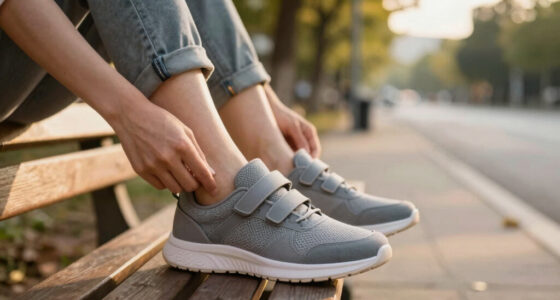
adaptive clothing with Velcro closures for seniors
As an affiliate, we earn on qualifying purchases.
As an affiliate, we earn on qualifying purchases.
Comparison: Traditional vs. Adaptive Clothing Features
| Feature | Traditional Clothing |
|---|---|
| Fastenings | Zippers, buttons, hooks |
| Fit Adjustments | Limited; require tailoring or belts |
| Ease of Dressing | Can be challenging for limited mobility |
| Fabric Technology | Standard fabrics, less focus on breathability |
In contrast, adaptive clothing features magnetic or Velcro fastenings, elastic or adjustable fits, and fabrics designed for comfort and skin health—making dressing easier and more dignified. These features are not just about convenience; they can reduce physical strain, minimize frustration, and promote dignity by allowing users to dress with less assistance. While traditional clothing often requires fine motor skills and patience, adaptive options are designed to compensate for physical limitations, enhancing independence. However, tradeoffs may include higher costs or the need for special care, but the overall benefits in quality of life often outweigh these considerations.
How to Care for and Maintain Adaptive Clothing
Adaptive clothing often uses advanced fabrics and fastenings that require gentle handling to preserve their functionality. Follow the care label instructions meticulously, as improper washing can weaken magnetic closures or elastic fibers. Using mild detergents designed for delicate or performance fabrics helps maintain fabric integrity and antimicrobial properties. Avoid fabric softeners and bleach, which can degrade fastenings and reduce breathability, leading to diminished performance and comfort over time.
For instance, Sarah’s magnetic shirts tend to stay secure longer when washed on a gentle cycle and air-dried instead of tumble drying. Regular maintenance—such as inspecting fastenings for wear and replacing worn components—extends the lifespan of adaptive clothing. Proper care not only preserves the garment’s functionality but also ensures safety and comfort, ultimately saving money and reducing frustration in the long run.
Where to Find Stylish, Functional Adaptive Clothing
Many brands now offer adaptive clothing that balances fashion and function. Online stores specializing in inclusive fashion, local boutiques, and mainstream brands with dedicated lines provide options. Some brands even provide virtual fittings or adjustable features to customize fit and style. Exploring different sources allows you to find garments that not only meet your functional needs but also reflect your personal style—breaking the stereotype that adaptive clothing must be dull or purely utilitarian.
For example, a young professional found a trendy adaptive blazer with magnetic closures, perfect for work. The availability of such fashionable options signifies a shift toward more inclusive, style-conscious design, empowering users to feel confident and expressive every day.
The Future of Adaptive Clothing: What’s Coming Next?
Expect more smart textiles that monitor skin health, temperature, and pressure points. Modular and customizable designs will become standard, allowing users to adapt clothing on the fly—adding or removing features as needed. Integration with wearable tech might include clothing that automatically adjusts its fit or provides real-time feedback to caregivers about pressure distribution or skin condition. These advancements aim to make adaptive clothing more seamless, comfortable, and personalized—fostering greater independence and confidence for users. As technology progresses, the focus will likely shift toward clothing that not only looks good and functions well but also actively promotes health and well-being, transforming everyday dressing into an empowering experience.
Frequently Asked Questions
How do I know if adaptive clothing will fit my specific needs?
Assess your daily routine and mobility challenges. Try different styles with adjustable features or fastenings suited to your strength level. Consulting with an occupational therapist can help identify the best options for your body and lifestyle.Are adaptive clothes suitable for all climates?
Yes, many fabrics used in adaptive clothing are designed for breathability, moisture control, and temperature regulation. Choose options that match your climate—lightweight for summer, insulated for winter, and layered for versatility.Can I find adaptive clothing that looks like mainstream fashion?
Absolutely. More brands are collaborating with designers to create stylish, modern pieces that don’t look ‘specialty.’ You can enjoy trendy styles, colors, and cuts without sacrificing functionality.Is adaptive clothing more expensive than regular clothing?
It can be, but prices vary widely. Many brands aim to keep costs affordable by using durable fabrics and efficient manufacturing. Look for sales, and explore online marketplaces specializing in inclusive fashion.How should I care for adaptive clothing to keep it functioning well?
Follow the care instructions carefully. Use gentle detergents, avoid bleach, and air-dry when possible. Proper maintenance extends the life of fastenings and fabrics, ensuring your clothing stays functional and comfortable.Conclusion
Adaptive clothing for wheelchair users is more than just clothing—it’s a tool for dignity and independence. With ongoing innovations, dressing yourself becomes simpler, more comfortable, and even stylish. Remember, the right clothes can transform your day, giving you control and confidence every step of the way.Columbus Day / Indigenous Peoples' Day Picks
long weekend sales
As an affiliate, we earn on qualifying purchases.