TL;DR

Get everyday helpers delivered free with Prime
- Fast, free delivery on millions of items
- Prime Video, Amazon Music and more included
- Member-only deals all year
Choosing adaptive clothing means prioritizing ease of dressing, comfort, and style. Innovations like magnetic fasteners and eco-friendly fabrics now make adaptive wear more accessible and fashionable, helping you stay independent with confidence.
Prioritize features like magnetic closures, elastic waistbands, and side openings for easier dressing.
Choose soft, breathable fabrics and adjustable styles to maximize comfort and fit.
Stay updated on innovations like stylish magnetic fastenings and sustainable fabrics.
Compare features and prices carefully; quality matters for durability and safety.
Explore mainstream brands and online options for stylish, affordable adaptive clothing.
How to Spot Clothes That Make Dressing a Breeze
Adaptive clothing should feel like a natural extension of your wardrobe — easy, comfortable, and supportive. Look for features like magnetic closures, Velcro fasteners, or elastic waistbands that eliminate fiddly buttons or zippers. For example, a pair of pants with an elastic waistband and side openings can be slipped on in seconds, even with limited dexterity.
Consider garments designed for one-handed or minimal assistance dressing. These pieces often have front or side openings that make the process smoother. Think about a patient recovering from surgery who needs to get dressed with little help — clothing with easy-access features can be a game changer.
Choosing clothing with these features isn’t just about convenience; it’s about empowering independence and reducing frustration. The right features can mean the difference between a morning filled with struggle and one that starts with confidence. Keep in mind, some features may trade off with aesthetics or durability, so it’s essential to balance functionality with personal style and long-term wearability.
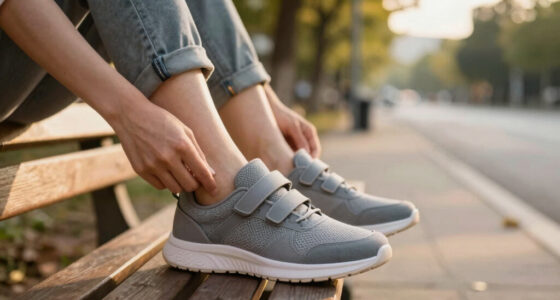
adaptive clothing with magnetic fasteners
As an affiliate, we earn on qualifying purchases.
As an affiliate, we earn on qualifying purchases.
Choosing Clothes That Fit Perfectly and Feel Great
Comfort and fit are king. Soft, breathable fabrics like cotton, bamboo, or moisture-wicking blends prevent skin irritation and keep you comfortable all day. But beyond choosing soft fabrics, understanding how fit impacts your daily life is crucial. Ill-fitting clothes can cause discomfort, restrict movement, or look unkempt, which might affect your confidence and social interactions. For instance, a loose shirt might be more comfortable but could look sloppy if it’s too baggy, while a tight shirt could restrict circulation or be painful to wear.
Proper fit isn’t just about aesthetics; it influences your overall well-being. Clothes that are too tight can cause chafing or restrict blood flow, especially if worn for long periods. Conversely, overly loose clothing might bunch up or shift in ways that cause discomfort or require constant readjustment. Adjustable features like drawstrings or stretch fabric help accommodate swelling, medical devices, or changing body shapes. Choosing the right size and fit can reduce skin irritation, prevent injury, and promote better mobility, ultimately supporting a more active and confident lifestyle. Investing time in proper fitting isn’t just about appearance; it’s a vital aspect of maintaining your health and emotional well-being throughout the day.
As an affiliate, we earn on qualifying purchases.
Features That Make Dressing Easier for Different Needs
Not all adaptive clothing is the same — your needs determine what features to prioritize. Here’s a quick comparison table to help you decide:
| Feature | Best For |
|---|---|
| Magnetic Closures | People with limited dexterity or arthritis, as they require less fine motor skill and can be operated with minimal effort, significantly reducing frustration and physical strain. This ease of use can encourage more independence, as dressing becomes less of a chore and more manageable. |
| Velcro Fasteners | Individuals needing quick adjustments or who struggle with buttons, providing ease of use but may wear out faster if not high quality. Consider durability when choosing Velcro to ensure it maintains its functionality over time, preventing wardrobe malfunctions that could hinder independence. |
| Open-Back Designs | Wheelchair users or those with limited mobility, as they eliminate the need to lift garments over the head or feet. This design facilitates independent dressing and undressing, reducing reliance on caregivers and promoting dignity. |
| Elastic Waistbands | People experiencing swelling, post-surgery recovery, or fluctuating body sizes. They offer a flexible fit that adapts to daily changes, supporting comfort and ease of dressing while reducing the risk of skin irritation or discomfort due to tightness. |
Understanding these features helps you evaluate what’s most practical for your daily routine and personal needs. Sometimes, combining multiple features provides even greater independence and comfort, but it’s important to consider potential tradeoffs like durability or aesthetics. For example, a garment with both magnetic closures and elastic waistbands might offer maximum ease but could require more careful maintenance or specific styling choices. Recognizing the implications of these features helps you make smarter, more sustainable wardrobe choices that truly support your lifestyle.
As an affiliate, we earn on qualifying purchases.
The Latest Innovations That Make Adaptive Clothing More Stylish
Fashion-forward brands are now blending style with functionality. Magnetic buttons mimic traditional buttons but are easier to fasten, allowing for a polished look without sacrificing ease. Eco-friendly fabrics like recycled polyester or organic cotton add a sustainable touch, appealing to environmentally conscious consumers. For instance, a sleek cardigan with magnetic closures looks just like a regular one but offers effortless dressing, proving that style and practicality can go hand in hand.
Moreover, these innovations aren’t just about aesthetics; they reflect a shift toward inclusivity and sustainability. Personalized options, such as tailoring fit and style preferences, enable individuals to maintain their personal expression. Smart clothing equipped with health monitoring sensors is emerging as well, providing health insights discreetly while maintaining a fashionable appearance. These technologies and design choices underscore that adaptive clothing is becoming as diverse and expressive as conventional fashion, breaking stereotypes and expanding options for all.
As an affiliate, we earn on qualifying purchases.
How to Pick the Right Adaptive Clothes in 5 Simple Steps
- Assess your specific needs — mobility, skin sensitivity, medical devices. Understanding your daily challenges helps identify features that will genuinely improve your dressing routine, avoiding unnecessary complexity or expense.
- Identify preferred clothing styles that match your personality. Choosing familiar or flattering styles can boost confidence and make wearing adaptive clothing feel more natural and enjoyable.
- Look for key features like magnetic closures, elastic waistbands, or side openings. Prioritize features that address your main challenges, but also consider how they integrate with your overall wardrobe for versatility.
- Check fabric quality, breathability, and ease of care. Good fabric choices extend the lifespan of your clothing and ensure comfort, especially if you need to wash frequently or have sensitive skin.
- Try different brands and sizes to find the best fit and comfort. Don’t hesitate to experiment — what works for one person may not suit another. Reading reviews and consulting sizing guides can help you make informed choices.
What to Watch Out For When Buying Adaptive Clothing
Be wary of clothing that sacrifices comfort for style or vice versa. Poorly made garments might fray quickly, lose fasteners, or cause irritation, which can compromise your independence and safety. For example, cheap fasteners may break or come loose, leading to wardrobe malfunctions at inconvenient times. Overly complicated designs requiring multiple steps or tools can also be frustrating and discourage consistent use.
Additionally, some budget options might use adhesives or weak fasteners that don’t hold up over time, resulting in frequent replacements and added expense. It’s essential to invest in quality pieces that are durable and reliable. Always check the return policies—fit and comfort are highly personal, and a garment that doesn’t fit well can negate its functional benefits. Remember, well-made adaptive clothing should withstand regular washing and daily wear without losing its effectiveness or appearance. Prioritizing quality over price ensures safety, longevity, and sustained independence, making your investment worthwhile in the long run.
Where to Find Stylish, Affordable Adaptive Clothing
Many mainstream retailers now offer adaptive lines alongside their regular collections. Brands like Target, Kohl’s, and specialized online stores provide options that balance style, affordability, and ease of use. For example, a simple pull-on dress with magnetic closures can cost under $50 and look just as fashionable as regular clothes.
Local thrift stores or community organizations sometimes have gently used adaptive clothing at lower prices, making it accessible for those on tight budgets. Don’t forget to explore online forums and social media groups — real users often share their favorite brands and tips, which can help you find high-quality, stylish options that suit your personal style and budget.
Frequently Asked Questions
What features are best for someone with arthritis?
Magnetic closures, Velcro fasteners, and elastic waistbands are ideal. They minimize the need for fine motor skills and reduce pain during dressing. Look for soft fabrics and adjustable fits to enhance comfort throughout the day.
How do I find the right size and fit?
Measure carefully — include chest, waist, hips, and arm length. Many brands offer sizing charts or adjustable features. Trying on different styles and consulting customer reviews can also help ensure a good fit.
Are adaptive clothes more expensive?
They can be slightly pricier due to specialized features, but many affordable options are available through mainstream brands. Focus on quality and durability to get the best value over time.
Where can I buy fashionable adaptive clothing?
Major retailers like Target and Kohl’s now carry adaptive lines. Online stores and community groups also offer stylish, affordable options. Don’t forget to check secondhand sources for gently used pieces.
Is adaptive clothing easy to maintain?
Most are made from machine-washable fabrics designed for frequent use. Always follow the care instructions to preserve fasteners and fabric integrity, ensuring your clothes last longer.
Conclusion
Selecting adaptive clothing that combines ease, comfort, and style isn’t just about convenience — it’s about maintaining your independence with dignity. Focus on features that match your needs, and don’t be afraid to experiment with new styles and fabrics. Your wardrobe should empower you to face each day with confidence and grace.Columbus Day / Indigenous Peoples' Day Picks
long weekend sales
As an affiliate, we earn on qualifying purchases.