TL;DR
Open a free Amazon Business account
Business pricing, bulk buying and tax-exempt orders.
Create a free accountAs an affiliate, we earn on qualifying purchases.
Proper lighting—bright, diffuse, adjustable—can make everyday tasks easier for low vision individuals. Recent advances like smart, tunable LED systems offer personalized solutions that improve safety and independence.
Imagine trying to find your keys in a dim, flickering room. Frustrating, right? Now, picture a well-lit space where every surface is illuminated evenly, shadows fade, and objects stand out clearly. That’s the power of smart lighting choices for low vision. Your lighting setup isn’t just about brightness; it’s about how light interacts with your surroundings to enhance clarity and safety.
This guide walks you through the most effective lighting strategies—what works, what’s new, and how you can tailor your environment for better visibility. Whether you’re living with low vision yourself or caring for someone who is, understanding these simple yet impactful adjustments can transform daily life.
Use diffused, high-CRI lighting to reduce glare and enhance contrast, making objects easier to see.
Combine natural light with adjustable LED fixtures for flexible, comfortable illumination.
Place lights strategically—overhead, task, and indirect—to eliminate shadows and highlight surfaces.
Adjust color temperature to match activity—cooler for contrast, warmer for ambiance—while controlling glare.
Leverage smart lighting systems for personalized control and effortless adjustments.
Bright, diffuse, adjustable light makes daily life easier to see.
TL;DR: Proper lighting can improve contrast, reduce glare, soften shadows, and make everyday tasks safer for people with low vision. The best setups layer natural light, high-CRI LEDs, task fixtures, and smart controls so each space can adapt to the person, task, and time of day.
Visibility is not only about brightness. It is about where light lands, how softly it spreads, and whether objects stand apart.
The Five Lighting Moves That Matter Most
For low vision, the sweet spot is bright enough to reveal detail, gentle enough to avoid glare, and adjustable enough to fit changing tasks. A layered setup usually performs better than one intense fixture.
Soften the Source
Use frosted shades, lens covers, and indirect fixtures so light spreads evenly instead of creating painful hotspots.
Choose High CRI
High color rendering makes objects, food, labels, and surfaces easier to distinguish because colors appear more natural.
Mix Ambient and Task
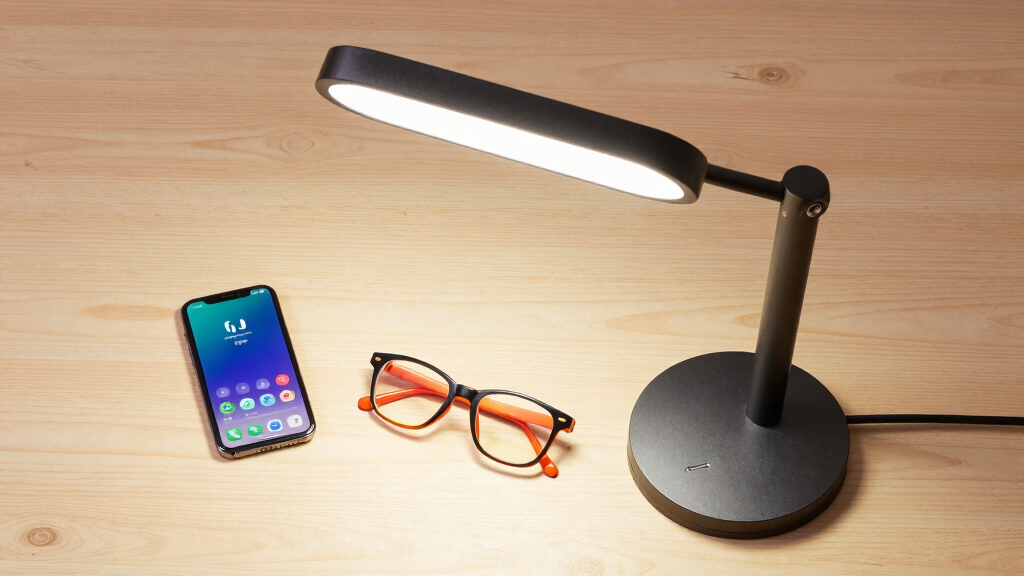
Combine overhead lighting with desk, bedside, under-cabinet, or counter lamps to remove shadows from the exact work area.
Aim With Care
Place lamps beside or slightly behind the task surface, angled away from the eyes to prevent direct glare.
Tune the Color
Cooler 4000K-6500K light often improves contrast for detail work, while warmer light can support calmer evening spaces.
Make It Adjustable
Dimmers, tunable LEDs, schedules, and voice controls let lighting respond to fatigue, daylight, and changing vision needs.
A Practical Placement Flow
Think of lighting as a path: first fill the room, then brighten the task, then remove glare, then tune the color, then save the setting so it is easy to repeat.
Fill the Room
Use overhead or indirect ambient light to remove dark zones before adding task fixtures.
Light the Task
Place focused lamps at reading chairs, counters, desks, vanities, and bedside tables.
Cut Glare
Use diffusers, matte surfaces, curtains, and angled fixtures so light never points into the eyes.
Tune Color
Select cooler light for labels and detail, warmer light for comfort, and dimming for transitions.
Save Controls
Use smart scenes, schedules, or voice commands to make the best setup effortless.
Which Lighting Choice Fits Which Need?
No single fixture solves every low vision challenge. The strongest setup usually combines daylight management, adjustable LEDs, indirect light, and high-CRI task lamps.
| Lighting Option | Glare Control | Contrast Help | Best Use | Tradeoff |
|---|---|---|---|---|
| Diffuse overhead LED | ✓ Strong | ✓ Good | Room-wide visibility | May need task lighting for close work |
| Adjustable task lamp | ~ Depends on angle | ✓ Excellent | Reading, cooking, hobbies | Can cast shadows if placed poorly |
| High-CRI bulb | ~ Fixture dependent | ✓ Excellent | Labels, colors, food prep | Quality varies by product |
| Indirect wall or ceiling light | ✓ Excellent | ~ Moderate | Comfortable ambient light | May feel too soft for detail tasks |
| Bare bright bulb | ✗ Poor | ~ Unreliable | Temporary only | Often causes glare and discomfort |
Color Temperature and Glare: The Comfort Equation
Cooler light can make details sharper, but comfort matters. The goal is not maximum brightness. The goal is enough contrast without visual fatigue.
Use a Tunable Range
Warmer 2700K light can feel restful, while 4000K-6500K light often supports contrast, labels, and fine detail. Tunable LEDs let one fixture serve both needs.
Reduce Glare Before Adding Brightness
When light is too direct, it can lower usable contrast. Diffusion and placement often improve visibility more than simply choosing a stronger bulb.
Task-by-Task Lighting Guide
Different activities need different lighting. The common thread is adjustability: each fixture should help the eyes find the object, edge, label, or surface that matters.
Reading
Use a high-CRI adjustable task lamp placed beside or slightly behind the page, angled to avoid shadows.
Cooking
Pair bright overhead light with under-cabinet fixtures so cutting boards, labels, and stovetops stay clear.
Walking
Illuminate stairs, hallways, entryways, and floor transitions to reduce trip hazards and improve orientation.
Night Use
Use low-glare pathway lights or smart schedules so movement after dark does not require hunting for switches.
Traceability: From Fixture to Independence
How to Choose the Brightest, Most Comfortable Lighting for Low Vision
For low vision, lighting needs to be both bright enough and gentle on the eyes. Think of it as balancing a spotlight—too harsh and it causes glare, too dim and it’s useless. Bright, even lighting reduces shadows and makes objects pop out with better contrast. A good rule of thumb: aim for around 300-500 lumens in the area you’re working or reading in.
Use a combination of overhead and task lighting—like a ceiling fixture plus a desk lamp—to create layers that eliminate shadows. For example, in the kitchen, a bright ceiling light paired with a directed under-cabinet lamp can make chopping vegetables safer and easier.
Why this matters: Proper lighting levels directly influence how easily you can distinguish objects and perform tasks. Too little light can cause frustration and increase the risk of accidents, while overly bright or harsh lighting can cause glare and discomfort. Achieving a balance helps maintain visual comfort and safety, but it requires understanding the specific needs of each space and task.

DiCUNO ProOE A19 LED Bulb 60W Equivalent, 3000K Warm White, CRI 98, 6-Pack
- Brightness: 806 lumens, 60W equivalent
- Energy Saving: Consumes only 9W, saves 88% energy
- Voltage Range: 100-240V compatible
As an affiliate, we earn on qualifying purchases.
As an affiliate, we earn on qualifying purchases.
What Types of Lighting Make the Biggest Difference for Low Vision
Natural light is a game-changer—bright, diffuse daylight can boost contrast and reduce eye strain. But, it’s not always enough or possible, especially in winter or shaded areas. Artificial lighting, especially LED options, offers control and consistency.
Here’s what works best:
- Adjustable LED lamps: Brightness and color temperature can be customized, allowing users to adapt lighting to different tasks and times of day, which is crucial because visual needs vary widely depending on activity and ambient conditions.
- Indirect lighting: Bounces light off walls or ceilings to spread illumination evenly, reducing harsh shadows and glare that can obscure objects or cause discomfort.
- High-CRI bulbs: Show true colors, making objects easier to distinguish. This is especially important for tasks requiring color differentiation, such as cooking or reading labels.
Understanding these lighting types helps you tailor environments that maximize clarity. For example, high-CRI, adjustable lamps can be positioned to minimize glare and shadows, directly enhancing visual comfort and task accuracy. The tradeoff often involves balancing brightness with glare control — too much brightness without proper diffusion can still cause discomfort, so choosing the right fixtures and bulbs is key.

PureOptics LED Works with Alexa Smart Under Cabinet Lighting Kit, Adjustable LEDs, (6) 9" Bars, White
- Voice Control Compatibility: Works with Alexa for voice commands
- Easy Setup: Scan and go, no third-party app needed
- Tool-Free Installation: Simple setup without tools
As an affiliate, we earn on qualifying purchases.
As an affiliate, we earn on qualifying purchases.
How to Place and Direct Lights for Maximum Visibility
Placement is everything. For low vision, lights should be positioned to avoid shadows and glare. Think of lighting as a helper that guides your eyes exactly where you need them.
Start by placing overhead lights to evenly illuminate the room. Add adjustable task lights at desks, counters, or bedside tables—aim these to shine directly on surfaces or objects. For instance, a swivel lamp on a kitchen counter can be angled to highlight the cutting board and minimize shadows.
Remember: Lights should be at eye level or slightly above, and avoid pointing fixtures directly into your eyes to prevent discomfort. Proper placement not only improves visibility but also reduces visual fatigue, enabling you to perform tasks more comfortably over extended periods. The tradeoff here is ensuring lights are close enough to be effective without creating glare or overwhelming brightness, which can be mitigated by using diffusers or indirect lighting.
glare reducing task lighting for low vision
As an affiliate, we earn on qualifying purchases.
As an affiliate, we earn on qualifying purchases.
How Color Temperature and Glare Reduction Make a Difference
Color temperature influences how clearly you see details. Cooler lights (around 4000K-6500K) mimic daylight—great for contrast and color clarity. Warmer lights, like 2700K, create a cozy ambiance but can wash out details for low vision.
Glare is a common problem—bright, direct lights can cause discomfort and reduce contrast. Use diffusers, matte finishes, and indirect lighting to soften harsh light and prevent glare. For example, a frosted lampshade diffuses light evenly, helping eyes focus without strain.
Why this matters: Choosing the right color temperature can significantly improve visual discrimination, especially in tasks requiring fine detail. Cooler, daylight-mimicking lights enhance contrast and make colors pop, aiding recognition. Conversely, warmer lights may create a relaxing environment but can diminish contrast, making objects harder to see. Glare reduction techniques, like diffusers, are vital because glare not only causes discomfort but also reduces the contrast needed for clear vision. Balancing these factors is essential; the tradeoff often involves selecting lighting that provides enough contrast without sacrificing comfort, which can be achieved through layered lighting and proper fixture design.

OIYN Smart RGBICW LED Corner Floor Lamp 2 Pack – 16 Million DIY Colors, 68+ Scenes, Music Sync, App & Remote Control, Color-Changing Ambient Lighting for Living Rooms, Bedrooms, and Gaming Rooms
- Color Technology: Customizable multi-segment RGBICW lighting
- Music Sync: Lights react to music, movies, and games
- Color & Scene Options: 16 million colors and 68 modes for ambiance
As an affiliate, we earn on qualifying purchases.
As an affiliate, we earn on qualifying purchases.
What Are the Latest Smart Lighting Trends for Low Vision?
Smart lighting is changing the game—control at your fingertips. These systems let you set the perfect brightness, switch between warm and cool tones, and schedule lighting so it’s just right for each time of day. Voice commands via Alexa or Google Assistant make adjustments effortless.
For example, you can say, “Dim the living room lights” or “Switch to daylight mode”—perfect for changing needs or moods. Some systems even adapt automatically to ambient light, brightening as it gets darker outside.
Innovations like tunable LEDs and app-controlled systems empower users with low vision to customize their environment at the tap or voice command. The implication is that such systems provide not only convenience but also enhanced safety, as users can adjust lighting without needing to reach for switches or struggle with manual controls. The tradeoff involves initial setup complexity and cost, but the benefits in ease of use and personalization are often well worth it.
How to Pick the Best Lighting for Different Tasks
Different activities demand different lighting setups. Reading needs bright, focused light, while cooking benefits from broad, even illumination. Here’s a simple guide:
- Reading: Use an adjustable, high-CRI task lamp placed directly beside or behind your book, angled to avoid shadows. Proper positioning ensures minimal glare and maximizes contrast, which is vital for reducing eye strain during prolonged reading sessions.
- Cooking: Bright, overhead lighting combined with targeted task lights over countertops helps you see ingredients and avoid accidents. The key is balance: too much direct glare can cause discomfort, but insufficient lighting can lead to mistakes.
- Walking or moving around: Ensure hallways and stairs are well-lit with evenly distributed lighting to prevent trips. Using motion-activated or dimmable lights offers flexibility and safety, but the main goal is consistent illumination to avoid shadows and dark spots.
For example, a person cooking with a bright, adjustable LED under-cabinet light finds chopping vegetables easier and safer than with ceiling lights alone. The tradeoff involves ensuring these lights are well-positioned to maximize coverage without creating glare or uneven lighting, which can be addressed with diffusers or indirect fixtures.
Frequently Asked Questions
What type of lighting is best for someone with low vision?
Bright, diffuse lighting with high CRI and adjustable features offers the best balance between visibility and comfort for low vision users.How can I reduce glare in my home or workspace?
Use matte finishes, diffusers, indirect lighting, and position fixtures to minimize direct glare. Proper placement makes a big difference.Are smart lighting systems worth it for low vision?
Yes, smart systems allow you to easily adjust brightness, color temperature, and set schedules—giving you personalized control that enhances independence.Can lighting improve my vision without glasses or magnifiers?
Lighting can boost contrast and clarity, making objects more distinguishable. However, it’s not a replacement for corrective devices if you have significant visual impairment.What’s the best way to set up lighting for different tasks?
Use adjustable, task-specific lights for reading, cooking, or walking—each tailored to the activity to maximize safety and visibility.Conclusion
Good lighting isn’t just about brightness—it’s about shaping your environment to support clarity and safety. Small changes, like positioning a lamp correctly or switching to a high-CRI bulb, can turn a dim room into a space of confidence and independence.
Think of lighting as a gentle guide—highlighting what matters most and making every day easier. With the right choices, you can brighten your world and see it in a whole new way.
This article is for informational purposes only and is not medical advice. Always consult a qualified healthcare professional about your specific situation.GRILLING SEASON Grilling season Picks
grillsgrills
As an affiliate, we earn on qualifying purchases.