

TL;DR
Open a free Amazon Business account
Business pricing, bulk buying and tax-exempt orders.
Create a free accountAs an affiliate, we earn on qualifying purchases.
Selecting a child’s wheelchair involves assessing their physical and developmental needs, considering growth potential, safety features, and comfort. Regular re-evaluation and professional input are essential for making the best choice that supports independence and mobility.
Finding the perfect wheelchair for a child can feel overwhelming. Every child is unique—size, strength, abilities, and even personality influence what works best. But making the right choice doesn’t have to be complicated.
This guide walks you through the essential steps, from understanding your child’s specific needs to considering future growth. You’ll learn how to evaluate options, ask the right questions, and find a wheelchair that supports independence, safety, and comfort.
Prioritize your child’s current needs and future growth by choosing adjustable and flexible wheelchair models.
Lightweight, foldable designs make daily handling, transport, and storage much easier.
Safety features like harnesses and anti-tip devices are non-negotiable for peace of mind.
Involving healthcare professionals early can help you avoid costly mistakes and ensure the best fit.
Stay informed about new materials and tech—like carbon fiber and smart features—that enhance mobility and independence.
How to Match the Wheelchair to Your Child’s Unique Needs
The first step is understanding what your child needs most. Consider their mobility level, strength, and any sensory or cognitive considerations. For example, a child with limited upper body strength might need a powered wheelchair, while a more independent child may prefer a manual model.
Think about activities—does your child need to navigate uneven outdoor terrain or just move around indoors? This shapes the decision on the type and features of the wheelchair.
Assessing these needs thoroughly allows you to prioritize features that will support your child’s daily routines and long-term development. For instance, choosing a wheelchair with adjustable support can accommodate changes in strength or posture over time, reducing the need for frequent replacements and ensuring consistent comfort and safety.

Vive Pediatric Wheelchair for Kids – Lightweight Foldable Child Wheelchair
- Designed for Pediatric Users: Comfortable 14-inch seat for children
- Lightweight and Foldable: Easy to transport and store
- Adjustable Swing-Away Legrests: Customizable and easy transfers
As an affiliate, we earn on qualifying purchases.
As an affiliate, we earn on qualifying purchases.
Manual or Power Wheelchair? Which Fits Your Child Best?
Choosing between a manual and a powered wheelchair depends on your child’s strength, endurance, and daily environment. Manual wheelchairs are lighter, easier to transport, and promote upper body activity, which can be beneficial for developing muscle strength and independence. However, they require more physical effort, which might not be sustainable for children with limited strength or endurance.
Powered wheelchairs, on the other hand, provide independence for children with significant mobility challenges but tend to be heavier, more expensive, and require regular maintenance. Their size and weight can also impact maneuverability indoors or on narrow pathways.
Tradeoffs involve balancing the child’s immediate needs with long-term considerations like physical development, ease of use, and environmental accessibility. For example, a child who quickly tires from manual propulsion might benefit from an electric model, but this could limit their physical activity and muscle development. Conversely, relying solely on manual chairs might be impractical for children with limited strength, leading to frustration or safety concerns. Carefully evaluating these factors helps ensure the wheelchair supports both current function and future growth.
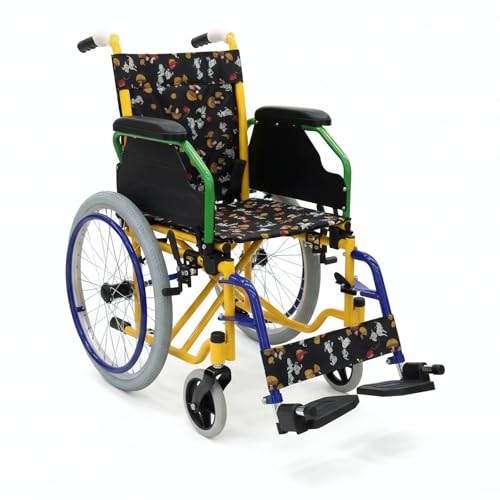
CXYTX Pediatric Wheelchair for Kids & Children – Lightweight, Manual Folding 20" Wheelchair w/Safety Belt, Swing-Back Armrests, Swing-Away Footrests, 250 lb. Weight Capacity, for Travel or Transit
- Self-Propelled Design: Supports independent and assisted mobility
- Enhanced Daily Convenience: Includes pelvic belt, padded armrests, adjustable footrests
- Easy to Fold and Transport: One-key folding, lightweight, removable footrests, carry handles
As an affiliate, we earn on qualifying purchases.
As an affiliate, we earn on qualifying purchases.
7 Features That Make a Child’s Wheelchair Fit Like a Glove
| Feature | Why It Matters |
|---|---|
| Adjustable Seat Width & Depth | This feature is crucial because children’s bodies change rapidly during growth. An adjustable seat ensures the wheelchair can be customized to fit their current size, promoting proper posture and comfort, which are essential for long-term musculoskeletal health. Without adjustability, a child might develop pressure sores or postural issues, and frequent replacements become necessary, increasing costs and inconvenience. |
| Supportive Cushions & Padding | Beyond comfort, supportive cushions distribute pressure evenly, preventing pressure sores—a serious concern for children who spend much of their day in the wheelchair. Proper padding also supports spinal alignment and reduces fatigue, enabling longer, more comfortable use and encouraging participation in activities. |
| Reclining & Tilt Functions | These features are vital for managing postural control, especially for children with hypotonia or those prone to fatigue. Tilt-in-space allows redistribution of pressure and facilitates caregiver-assisted positioning, which can prevent skin breakdown and improve respiratory function. The ability to recline also helps in managing medical needs like spasticity or reflux, making the wheelchair adaptable to various health conditions. |
| Lightweight Frame | A lighter frame enhances independence by making self-propulsion easier for children with sufficient strength. It also simplifies transportation, reducing physical strain on caregivers and increasing the likelihood of consistent use. However, lightweight materials might be less durable, so tradeoffs involve balancing weight with longevity depending on the child’s activity level. |
| Safety Harnesses & Anti-tip Devices | Safety harnesses keep children secure, especially during sudden stops or on slopes, reducing fall risk. Anti-tip devices are critical when navigating stairs or uneven terrain, preventing dangerous tip-overs. These safety features are non-negotiable for daily safety and peace of mind, especially as children gain independence and explore more varied environments. |
Vive Pediatric Wheelchair for Kids – Lightweight Foldable Child Wheelchair
- Designed for Pediatric Users: Comfortable 14-inch seat for children
- Lightweight and Foldable: Easy to transport and store
- Adjustable Swing-Away Legrests: Customizable and easy transfers
As an affiliate, we earn on qualifying purchases.
As an affiliate, we earn on qualifying purchases.
How to Make Sure the Wheelchair Grows With Your Child
Children’s rapid growth can quickly render a wheelchair outdated, leading to discomfort, poor posture, or the need for frequent replacements. Choosing models with adjustable components is essential. Features like extendable seats, removable or adjustable backrests, and modular frames allow the wheelchair to adapt as your child grows, extending its usability and ensuring continued proper fit and support.
For example, some chairs have seat pans that slide out or backrests that can be raised without replacing the entire frame. These features reduce costs over time and prevent the frustration of constantly shopping for new chairs. Consulting with a mobility specialist can help you identify models that are designed for growth, ensuring your child’s mobility device remains supportive and comfortable during key developmental stages.
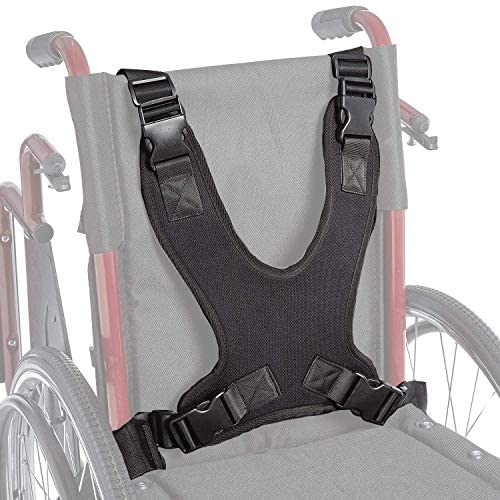
Circle Specialty, Trunk Postural Support, for Ziggo Folding Pediatric Wheelchair for Kids, Teens, Young Adults
- Essential for Wheelchair Seating: Provides upper body support and positioning
- Comfortable and Adjustable: Soft stretch material with quick-release straps
- Enhances Stability and Posture: Supports core stability and head alignment
As an affiliate, we earn on qualifying purchases.
As an affiliate, we earn on qualifying purchases.
Safety First: Features Every Child’s Wheelchair Must Have
Safety isn’t just about sturdy frames. It encompasses the entire design that protects your child’s well-being during daily use. Secure harnesses prevent falls and keep children in proper alignment, reducing the risk of injury. Anti-tip bars are essential when navigating slopes or stairs, preventing dangerous tip-overs that could cause serious harm. Durable brakes are crucial for stability when stationary, especially on uneven surfaces or inclines.
For outdoor use, rugged tires and anti-slip grips provide better traction, reducing slipping and skidding. These features collectively create a safer environment, allowing children to explore and participate confidently, knowing their mobility device is designed with their safety as a priority. Proper safety features also alleviate caregiver anxiety, fostering trust and independence for the child.
Lightweight, Portable, Easy to Maintain: The Practical Side
Choosing a lightweight wheelchair isn’t just about ease of transport; it directly impacts daily independence for your child and convenience for caregivers. A model that folds compactly can be stowed in a car trunk or closet without hassle, making spontaneous outings or travel more feasible. Materials like aluminum or carbon fiber reduce weight while maintaining strength, but they may come at a higher cost, so weighing budget against durability is important.
Maintenance simplicity is equally vital. Wipe-clean surfaces, modular parts that snap in and out, and easily accessible components reduce the time and effort needed for upkeep. This ensures the wheelchair remains hygienic and functional, extending its lifespan and preserving safety standards. For example, a chair weighing under 20 pounds that folds in seconds allows children to participate more actively in managing their mobility, fostering independence and confidence.
Matching Accessories & Extras to Your Child’s Lifestyle
Accessories like trays, communication aids, or footrests can turn a basic wheelchair into a personalized mobility tool that enhances your child’s participation and comfort. For active children who enjoy outdoor adventures, all-terrain tires or sunshades can make outings safer and more enjoyable, encouraging exploration and independence. In school settings, communication devices or specialized trays facilitate participation, ensuring your child can engage fully with peers and learning activities.
Choosing the right accessories involves understanding your child’s daily routines and preferences. Well-selected extras not only improve functionality but also boost your child’s confidence and sense of ownership over their mobility device. This personalization can make a significant difference in motivation and overall quality of life.
Get Professional Help to Pick the Perfect Fit
Consulting a pediatric physiotherapist or mobility expert is a critical step in ensuring your child’s wheelchair fits correctly and meets their unique needs. These professionals assess factors like posture, support requirements, and growth potential, providing tailored recommendations that you might not discover on your own. Their insights can prevent long-term issues such as discomfort, pressure sores, or postural deformities.
For example, a specialist might suggest specific support cushions, frame adjustments, or positioning accessories that optimize comfort and function. Investing in professional guidance reduces the risk of costly mistakes, ensures proper alignment, and helps your child develop mobility skills safely. Their expertise can also assist in training caregivers to use and adjust the wheelchair properly, fostering independence and confidence for your child.
Frequently Asked Questions
How do I know what size wheelchair my child needs?
Measure your child’s height, weight, and seated width. Consult a mobility specialist to find models that match these dimensions, and always consider adjustable options for future growth.
When should I consider upgrading or replacing the wheelchair?
Replace or upgrade when your child outgrows the current model, or if their needs change—like increased mobility or new health considerations. Regular assessments with a professional help keep the fit right.
What safety features should I look for?
Prioritize secure harnesses, anti-tip devices, sturdy brakes, and durable frames. For outdoor use, rugged tires and anti-slip grips add extra safety.
Can I customize accessories for my child’s wheelchair?
Yes. Trays, communication devices, cushions, and all-terrain tires are common add-ons that can be tailored to your child’s activities and preferences.
How can I ensure the wheelchair will grow with my child?
Choose models with adjustable features—like extendable seats and removable backrests—and work with specialists to select adaptable frames that can be modified over time.
Conclusion
Choosing the right wheelchair for your child isn’t just about fitting a piece of equipment. It’s about empowering their independence, safety, and comfort as they grow. Take your time, ask questions, and lean on professionals to make the best choice.
Remember—every child deserves a wheelchair that truly fits. It’s more than mobility; it’s a step toward confidence and a world of possibilities.
Pool season Picks
robotic pool cleaners
As an affiliate, we earn on qualifying purchases.