TL;DR

Get everyday helpers delivered free — and shop member deals
- Fast, free delivery on millions of items
- Access to Prime Big Deal Days deals on October 6–7
- Prime Video, Amazon Music and more included
Building confidence with new mobility aids involves choosing the right device, ensuring proper fit, learning safe techniques, and gradually increasing challenge levels. Confidence grows through consistent practice and addressing emotional and social factors.
Getting comfortable with a new mobility aid isn’t just about the device. It’s about how it fits, how you learn to use it, and how you feel about yourself during the process. Many people find that initial hesitation turns into independence through small, guided steps.
This guide breaks down practical ways to boost your confidence—whether you’re starting with a cane, walker, or wheelchair. You’ll learn how proper fitting, safe technique, and emotional readiness can transform uncertainty into certainty.
Choose and fit your device with professional help to ensure safety and comfort.
Build skills gradually, starting indoors and moving outward in small steps.
Address emotional barriers by personalizing your aid and connecting with peer support.
Regular maintenance and planning for backup keep confidence high and risks low.
Smart tech can enhance safety and independence, but proper training remains essential.
Building Confidence With New Mobility Aids
Getting comfortable with a new mobility aid isn’t just about the device. It’s about how it fits, how you learn to use it, and how you feel about yourself during the process. Initial hesitation turns into independence through small, guided steps — whether you’re starting with a cane, walker, or wheelchair.
Choose Right, Fit Right
The best device depends on strength, balance, endurance, pain, cognition, vision, home environment, and daily activities. An unsuitable aid can increase fatigue or fall risk — and even a perfect device fails if the fit is wrong.
Professional Assessment
A physiotherapist or occupational therapist considers your physical abilities, environment, and goals — and reassesses when your needs change over time.
Small Adjustments, Big Impact
Handle height, seat depth, footrest position, brake tension, and crutch length all influence posture, safety, and skin health. Never alter prescribed settings without guidance.
Device to Diagnosis
Weak knees may suit a cane better than a bulky walker. It’s not about the latest gadget — it’s what supports your body and your daily routine.
Mastering Skills in Real Life
Confidence in movement comes from knowing what to do — cane on the side opposite the painful leg, turning without twisting, and knowing how to recover from a stumble.
| Skill | Where to Practice First | Key Technique | Confidence Impact |
|---|---|---|---|
| Standing up & sitting down | Sturdy chair at home | Brake the device first; push off surfaces, not the aid alone | ✓ Foundation skill |
| Turning & doorways | Indoor hallways | Move in small arcs — no twisting or rushing | ✓ Builds spatial trust |
| Curb, ramps & stairs | With a companion or clinician | Step-by-step supervised practice only when appropriate | ~ Requires training |
| Managing bags, phones & pets | Familiar indoor spaces | Keep hands free; plan where items go before moving | ✓ Real-world readiness |
| Fall recovery | Guided session with a professional | Learn what to do after a stumble before it happens | ~ Reduces fear of falling |
| Vehicles & public transport | Low-traffic times | Brake, fold, and transfer as one practiced sequence | ✓ Expands independence |
The Confidence Ladder
Think of confidence as a ladder. Rushing into challenging environments prematurely leads to frustration or falls; a carefully paced approach lets body and mind adapt, reinforcing mastery and control.
Supervised Basics
Practice basic movements with a professional or trusted helper.
Familiar Indoor Space
Use the aid in your living room until movements feel natural.
Add Complexity
Turns, thresholds, and light distractions — backyard, hallway corners.
Outdoors
Quiet park paths and predictable, even surfaces.
With a Companion
More demanding environments — curbs, crowds, busier places.
Repeat to Routine
Repeat difficult tasks until they feel second nature.
Falls & Fatigue: What Actually Matters
Fear of falling can itself reduce activity, strength, and confidence. The best approach combines sensible precautions with continued movement. Most household falls trace back to a handful of fixable hazards.
Top fixable hazards: loose rugs and scatter mats, poor lighting, trailing electrical cords, cluttered pathways, wet or icy surfaces, worn cane tips, loose brakes — plus unreviewed medications, vision changes, and dizziness.
Body signals to respect: muscle fatigue while learning is normal; persistent pain, numbness, pressure marks, or blisters are not. Wheelchair users: inspect skin daily. Crutch users: never hang on armpits or hunch over pads.
From Embarrassment to Empowerment
Emotional barriers often stem from societal perceptions — not the device itself. Reframing your aid as a symbol of independence, setting clear boundaries, and using smart tools all reinforce confidence.
Tools of Freedom
Focus on what the aid enables — walking to the mailbox, joining friends. Personalize your cane or wheelchair so it feels like “you.” Peer groups reduce shame and build community.
Set Your Boundaries
“Please ask before helping” keeps independence intact. Your device is part of your personal space. “Thanks, I’ll do it myself” prevents accidents and unwanted intrusion.
Emerging Support
Obstacle detection, pressure sensors, tele-rehab, and virtual coaching assist fitting and training. Robotic exoskeletons aid gait training — though cost keeps them out of reach for many. Training still matters most.
🦯 Right Device
Professional assessment & fit
🎯 Safe Technique
Trained, step-by-step skills
🪜 Gradual Exposure
Indoors → outdoors → crowds
💪 Success Experiences
Repeated wins build mastery
🔧 Maintenance
Reliable gear, backup plans
🌟 Independence
Confidence that lasts
Five Takeaways to Keep
- Choose and fit your device with professional help to ensure safety and comfort — and reassess when your needs change.
- Build skills gradually, starting indoors and moving outward in small, repeatable steps.
- Address emotional barriers by personalizing your aid and connecting with peer support.
- Regular maintenance and a backup plan keep confidence high and risks low.
- Smart tech can enhance safety and independence — but proper training remains essential.
How to Pick the Right Mobility Aid for You
The first step to building confidence is choosing a device that truly fits your needs. It’s not about the latest gadget but about what supports your strength, balance, and daily routines. For example, a person with weak knees might find a cane more manageable than a bulky walker.
Getting assessed by a professional—like a physiotherapist or occupational therapist—can make all the difference. They consider your physical abilities, environment, and goals. Remember, your needs may change over time, so reassessment is key.
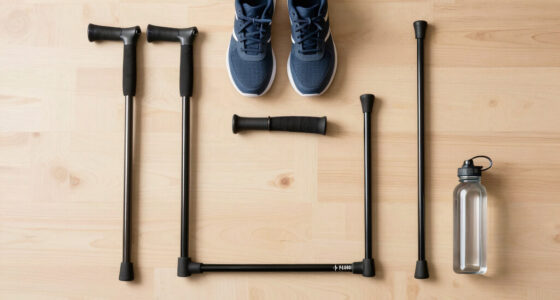
adjustable walking cane with ergonomic handle
As an affiliate, we earn on qualifying purchases.
As an affiliate, we earn on qualifying purchases.
Perfect Fit: Why Small Adjustments Matter
Imagine a wheelchair with the seat too high—your hips might slide forward, causing discomfort and instability. Proper fit isn’t just about comfort; it’s about safety too. Handle height, footrest position, and brake tension all influence how secure you feel.
For long-term use, individualized fitting by a professional ensures that your device supports your body without causing pain or skin issues. Never try to alter settings yourself without guidance—it can backfire.
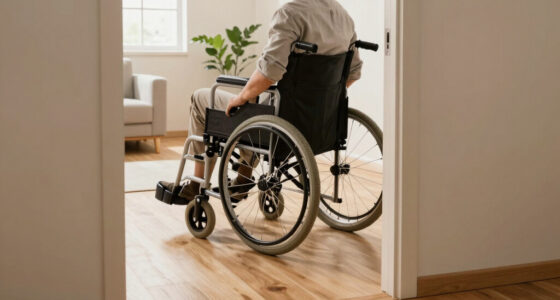
wheelchair fitting and safety accessories
As an affiliate, we earn on qualifying purchases.
As an affiliate, we earn on qualifying purchases.
Mastering Safe Technique in Real Life
Knowing how to move safely is the backbone of confidence. It’s about more than walking with a cane—think about turning without twisting, navigating doorways, or managing uneven terrain.
For example, a person might learn to use their cane on the side opposite a painful knee, providing better support. Practice these skills step-by-step, starting indoors and gradually trying more complex environments.
Key skills include standing up, sitting down, and using stairs. Training by a professional can make these movements feel second nature.
walker with height adjustment and stability features
As an affiliate, we earn on qualifying purchases.
As an affiliate, we earn on qualifying purchases.
Gradual Exposure: Building Confidence Step by Step
Think of confidence as a ladder. Starting with familiar environments like your living room helps you get comfortable. Next, try walking in your backyard, then in a quiet park, then busier places.
For example, a person might start practicing with supervision, then add turns, navigate thresholds, and finally handle crowded streets. Repeating these steps until they feel routine is a proven way to boost confidence without risking falls or injuries.
Understanding the importance of gradual exposure is crucial because rushing into challenging environments prematurely can lead to frustration or falls, undermining confidence. Conversely, a carefully paced approach allows your body and mind to adapt, reinforcing a sense of mastery and control over your mobility.
As an affiliate, we earn on qualifying purchases.
How to Prevent Falls Without Living in Fear
Falls can shake your confidence more than anything. But many falls happen because of loose rugs, poor lighting, or clutter. Simple fixes—like removing scatter rugs, installing grab bars, and using bright bulbs—can make a huge difference.
For example, a person might keep their pathway clear, wear supportive shoes, and check their device’s tips and brakes regularly. Combining these precautions with regular movement helps maintain strength and independence.
Understanding why falls occur—often due to environmental hazards or improper device use—empowers you to take proactive steps. This balance between caution and activity ensures you remain confident and active without unnecessary risk.
Comfort and Skin Care: Preventing Pain and Fatigue
New users often feel muscle soreness or pressure points as they adjust. It’s normal to feel tired after practicing, but persistent pain or skin issues are signs to pause and get help.
For example, wheelchair users should inspect their skin daily for pressure sores, and crutch users should avoid hanging hunched or placing too much weight on their armpits. Proper padding, positioning, and regular breaks prevent discomfort and injuries.
Neglecting these signs can lead to more serious issues like skin breakdown or muscle strain, which can diminish confidence and motivation. Prioritizing skin care and comfort is essential because it directly impacts your ability to use your device consistently and safely.
Emotional Shifts: Turning Embarrassment Into Empowerment
Many people associate mobility aids with aging or dependence, which can cause embarrassment. But these devices are tools of freedom. Focusing on what they enable—like walking to the mailbox or joining friends—shifts perspective.
For example, personalizing the appearance of your cane or wheelchair can make it feel more like “you.” Connecting with peer groups or talking openly about feelings can also reduce shame and boost confidence.
Understanding that emotional barriers often stem from societal perceptions rather than the device itself is key. Recognizing this allows you to reframe your mindset, viewing your aid as a symbol of independence rather than limitation. This shift reduces shame and fosters a positive attitude, which is vital for confidence building.
Communicating Your Needs Clearly
You control how others assist you. A simple phrase like “Please ask before helping” keeps your independence intact. Your device is part of your personal space—others should respect that.
For example, if someone offers to carry your bag, you might say, “Thanks, I’ll do it myself.” Clear communication prevents accidents and unwanted intrusion, making your use of the aid smoother and more confident.
Effective communication is crucial because it sets boundaries and ensures your needs are understood. When others respect your wishes, you retain control, which directly boosts your confidence in managing social interactions and daily activities.
Staying Safe With Maintenance and Backup Plans
Routine checks prevent device failures. For example, inspecting wheelchair wheels, brakes, and batteries weekly can save you from sudden breakdowns. For powered devices, keeping chargers and spare batteries handy is wise.
Having a backup plan—like a portable manual wheelchair or knowing repair contacts—ensures you’re never stranded. Regular maintenance not only prevents unexpected failures but also prolongs the lifespan of your device, ensuring reliable support when you need it most. This proactive approach fosters peace of mind, allowing you to focus on your activities instead of worrying about equipment failure.
Emerging Tech and Trends Improving Confidence
From obstacle detection to pressure sensors, new tech is making mobility aids smarter. Tele-rehab and virtual coaching help with fitting and training, especially when in-person visits are tough.
For example, robotic exoskeletons are aiding gait training, although their high cost keeps them out of reach for many. Lighter materials and inclusive designs also help users feel more confident and autonomous.
While these innovations are promising, they should be viewed as enhancements rather than replacements for fundamental training and proper fitting. Understanding the capabilities and limitations of new technology helps you make informed choices that genuinely boost your confidence and independence.
Frequently Asked Questions
How long does it typically take to feel confident using a new mobility aid?
There’s no set timeline. Some adjust in days, others in weeks or months. Factors include device complexity, your previous experience, and opportunities to practice. Consistent, gradual practice accelerates confidence building.
Can using a mobility aid make me weaker or more dependent?
Not if the device is suitable and fitted correctly. The right aid supports safe activity, helping you maintain strength and independence. Problems often arise when devices are misused or poorly fitted.
What’s the best way to choose between a cane, walker, or wheelchair?
It depends on your support needs, balance, endurance, and environment. A professional assessment provides tailored advice—picking based on appearance or convenience alone can be misleading.
How do I know if my device needs adjustment or replacement?
Look for signs like discomfort, instability, worn parts, or if your needs change. Regular check-ins with a professional help keep your device fitting and functioning well.
What should I do if I experience pain or discomfort when using my aid?
Stop and review your technique and fit. Persistent pain or skin issues require professional attention. Never ignore discomfort; it’s a sign to reassess and adjust.
Conclusion
Confidence with a mobility aid isn’t magic — it’s practice, patience, and personalization. Focus on what your device allows you to do, not what it symbolizes. With steady steps and a proactive mindset, you’ll find yourself moving with purpose and pride.
Every successful outing, every obstacle overcome, builds your story of independence. Keep going, and remember: the device is just a tool. You are the one steering your journey.
Fall Picks
fall essentials
As an affiliate, we earn on qualifying purchases.