
TL;DR

Get everyday helpers delivered free with Prime
- Fast, free delivery on millions of items
- Prime Video, Amazon Music and more included
- Member-only deals all year
Curb ramps are essential for wheelchair access, reducing risks and promoting independence. Proper design, installation, and maintenance ensure safety and compliance, with recent innovations making them more versatile and durable.
Imagine rolling up to a curb, only to face a steep drop or an uneven surface. It’s frustrating, even dangerous. Curb ramps turn that obstacle into an accessible, safe passage. If you’re part of a community planning, a caregiver, or simply someone wanting to understand more—this guide is for you.
We’ll explore what makes a curb ramp effective, how to choose the right one, and what recent trends are shaping the future of accessible design. Your goal? To help create spaces where everyone can move freely and confidently.
Design curb ramps with a maximum slope of 1:12 and minimum width of 36 inches for safety and compliance.
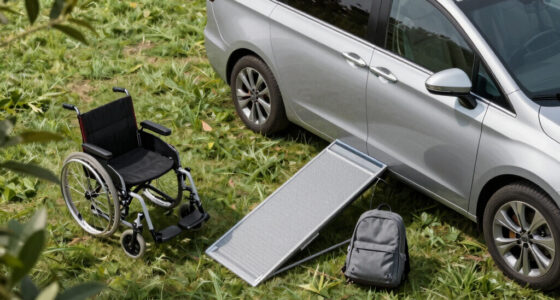
Choose the ramp type—pre-fab, custom, or portable—based on your environment and needs.
Regular maintenance and inspections are essential to prevent hazards like cracks, debris, or slippery surfaces.
Recent innovations include textured, eco-friendly, and smart ramps that boost safety and adaptability.
Proper installation by qualified professionals is critical for ensuring long-term safety and compliance.
A safer path from curb to community
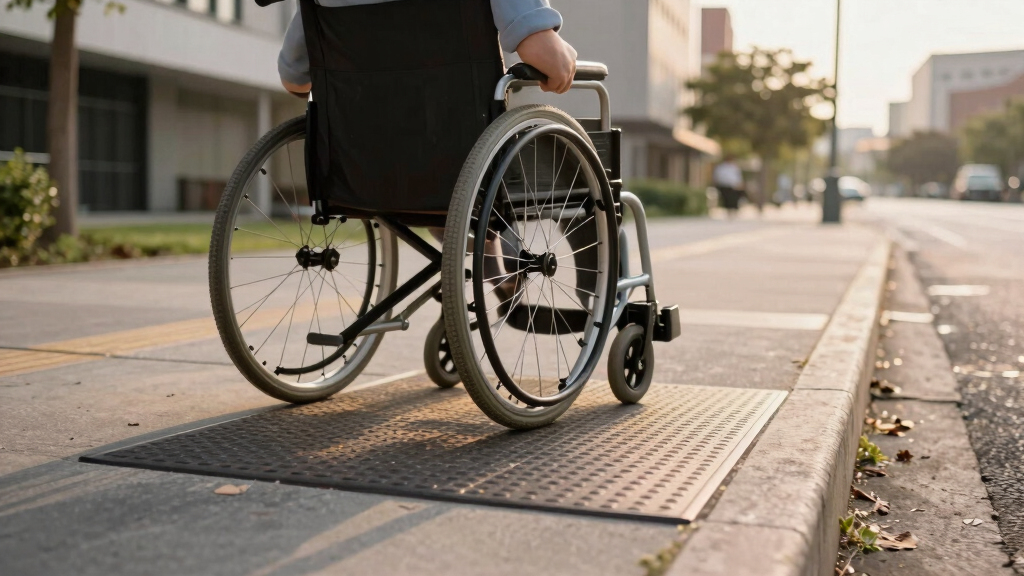
Curb ramps turn a hard edge into usable access. For wheelchair users, caregivers, parents with strollers, and anyone navigating mobility barriers, the right ramp reduces risk, supports independence, and helps public spaces meet accessibility standards.
Proper design, installation, and maintenance can reduce wheelchair access hazards by up to 70%.
Gentle grade recommended for ADA-aligned access.
Clear width for safe wheelchair passage.
What makes a curb ramp work well?
A strong curb ramp balances safety, space, durability, and maintenance. Gentler slopes improve control, textured surfaces improve grip, and clear landings give wheelchair users room to enter, turn, and exit confidently.
Gentle slope
A maximum 1:12 slope keeps climbs manageable and reduces the risk of tipping, rollback, or loss of control.
Usable width
At least 36 inches of clear width gives wheelchairs adequate passage without forcing users against edges or obstacles.
Reliable grip
Textured concrete, coated metal, rubber, or composite surfaces help maintain traction during rain, dust, and daily wear.
The compliance pieces that carry the most weight
Every site is different, but the same core checks keep access predictable: slope, width, surface condition, landing space, and obstruction control.
Design is only half the job.
A ramp can meet the drawing and still fail in use if it collects debris, cracks, shifts, or becomes slick in wet weather. Inspection and cleaning preserve the safety built into the design.
Ramp slope comfort scale
Which curb ramp fits your setting?
Ramp choice depends on how often it will be used, how permanent it needs to be, whether the site is unusual, and how much maintenance the owner can support over time.
| Type | Best for | Pros | Cons | Fit score |
|---|---|---|---|---|
| Pre-fabricated modular | Public spaces, fast upgrades, standard curb conditions. | ✓ Quick install, predictable sizing, cost-effective. | ~ Limited customization and visual integration. | High for routine sites |
| Custom-built | Unique grades, tight urban settings, aesthetic requirements. | ✓ Tailored geometry, durable, visually integrated. | ✗ Higher cost and longer installation timeline. | Best for complex sites |
| Fold-out or portable | Temporary access, events, short-term barriers. | ✓ Easy to transport, fast to deploy, flexible. | ~ Less durable and requires careful storage. | Temporary only |
How to install a curb ramp in four steps
Correct installation protects users and reduces future repair costs. For permanent concrete or custom ramps, qualified professionals are the safest route.
Measure the site
Record curb height, available run, landing space, drainage, and the safest ramp location.
Choose the ramp
Match pre-fab, custom, or portable construction to use frequency, budget, and site constraints.
Check standards
Verify slope, width, surface texture, edge protection, and landings against ADA or local codes.
Secure and test
Confirm stability, smooth transitions, slip resistance, drainage, and obstruction-free use.
Trends making curb ramps smarter and safer
Accessibility upgrades are moving beyond basic compliance toward materials and systems that respond to weather, wear, sustainability goals, and diverse user needs.
Textured grip coatings
Enhanced surface finishes reduce slips in wet conditions while preserving smooth wheelchair movement.
Modular adjustability
Section-based ramps can be customized on-site for changing curb heights, temporary routes, and phased upgrades.
Smart monitoring
Sensors can flag obstructions, ice, pooling water, or wear before hazards affect daily access.
Sustainable materials
Recycled rubber, lower-impact concrete, and durable composites connect accessibility with environmental responsibility.
From design choice to real-world access
The best curb ramps connect technical details to everyday confidence: a measured slope becomes a safer climb, a clean surface becomes traction, and maintenance becomes independence preserved.
Maintenance essentials
Sweep debris, clear leaves and mud, repair cracks promptly, refresh slip-resistant coatings, and keep landings free of obstructions.
Decision rule
Use permanent ramps for daily public access, custom ramps for complex sites, and portable ramps only where temporary access is appropriate.
What Makes a Curb Ramp Work Well? Here’s the Secret Formula
At its core, a curb ramp is about safety and ease. The best ramps follow strict standards—like a gentle slope, a wide enough surface, and a non-slip finish. Imagine a ramp that’s 36 inches wide, with a slope no steeper than 1:12, topped with textured, grip-enhancing material. That’s a ramp built to serve and protect.
For example, a community park installed a new curb ramp with a textured concrete surface, making it safe even after rain. This simple change made a huge difference for wheelchair users and parents with strollers. The key? Good design combined with durable materials.
Understanding why these principles matter helps us recognize the trade-offs involved. For instance, a gentler slope enhances safety but may require more space or a longer ramp, which isn’t always feasible in tight urban settings. Similarly, textured surfaces improve grip but can be harder to clean or maintain. Balancing these factors is crucial to creating effective, accessible curb ramps tailored to specific environments and user needs. Recognizing these trade-offs helps planners and users understand the compromises between safety, space, and maintenance, ensuring the ramps serve their purpose without creating new challenges.
ADA compliant wheelchair curb ramp
As an affiliate, we earn on qualifying purchases.
As an affiliate, we earn on qualifying purchases.
Different Types of Curb Ramps—Which One Fits Your Needs?
Not all curb ramps look or work the same. Each type offers unique benefits depending on your situation.
| Type | Best For | Pros | Cons |
|---|---|---|---|
| Pre-fabricated (Modular) | Public spaces, quick installs | Easy to install, standard sizes | Limited customization |
| Custom-built | Unique site conditions, aesthetic needs | Highly tailored, blends into environment | More expensive, longer install time |
| Fold-out/Portable | Temporary access, events | Easy to transport, quick setup | Less durable, not for permanent use |
Choosing the right type of curb ramp involves understanding the trade-offs between convenience, durability, and aesthetics. For example, modular ramps are quick to deploy and cost-effective but might lack the aesthetic integration of custom-built options. Portable ramps offer flexibility for temporary needs but may compromise long-term stability or slip resistance. Matching the ramp type to your specific environment and usage frequency ensures safety without unnecessary expense or effort, ultimately supporting sustained accessibility for all users.
It’s important to consider that each type also impacts long-term maintenance and user safety. For example, portable ramps, while convenient, often require careful handling and storage to prevent damage, which might add to the overall lifecycle cost. Custom-built ramps, although more costly upfront, can be designed to better withstand environmental wear and tear, reducing long-term repair needs. Making an informed choice means weighing these factors against your specific needs and constraints, ensuring safety, durability, and ease of use.
As an affiliate, we earn on qualifying purchases.
How to Install a Curb Ramp in 4 Simple Steps
- Assess the site: Measure the curb height and available space. Determine the best location for the ramp.
- Select the right ramp: Choose a type—pre-fab, custom, or portable—that fits your needs and budget.
- Ensure compliance: Make sure the slope, width, and surface meet ADA guidelines or local standards.
- Install properly: Follow manufacturer instructions or hire a professional. Check for stability, smoothness, and slip resistance.
For example, a local café replaced a broken curb with a new ADA-compliant ramp. They measured carefully, chose a modular ramp, and installed it with a sturdy base. Now, everyone can access their patio without a hitch. Proper installation isn’t just about following steps; it’s about understanding the implications—improper installation can lead to safety hazards or non-compliance, which may result in costly modifications or legal issues. Investing in professional help or thorough guidance ensures the ramp performs as intended, providing reliable access for years to come.
Understanding these steps and their importance helps prevent common pitfalls—such as installing a ramp with an incorrect slope, which could cause accidents or violate legal standards. Proper installation also ensures the ramp’s longevity and reduces future repair costs, making it a worthwhile investment for both safety and compliance.
As an affiliate, we earn on qualifying purchases.
Latest Trends Making Curb Ramps Smarter and Safer
Innovation is reshaping how curb ramps serve communities. Textured surfaces with enhanced grip coatings are now standard, reducing slips when wet. Some ramps feature adjustable heights or modular sections that can be customized on-site, offering flexibility.
Smart ramps with sensors or automation are emerging—detecting obstructions or weather hazards and alerting users or maintenance crews. Cities like New York are already testing these tech-forward solutions to streamline accessibility.
Eco-friendly options, like recycled rubber surfaces and sustainable concrete, are gaining traction, combining durability with environmental responsibility. These advances mean safer, more adaptable, and greener curb ramps for all. Recognizing these trends helps communities plan upgrades and investments that maximize safety, sustainability, and user convenience, ensuring that curb ramps evolve alongside broader accessibility goals. These innovations also reflect a growing understanding that safety and sustainability are interconnected, prompting manufacturers and municipalities to prioritize environmentally responsible materials and smart features that adapt to diverse conditions and user needs.
As an affiliate, we earn on qualifying purchases.
What You Need to Know About Installing and Maintaining Curb Ramps
Proper installation is the foundation of safety. Always hire qualified professionals, especially for permanent concrete or custom ramps. Regular inspections are key—look for cracks, loose surfaces, or debris that could cause slips.
Maintenance is simple but essential: sweep away leaves or mud, repair cracks promptly, and keep textured surfaces clean. In wet climates, add slip-resistant coatings to prevent accidents.
For instance, a city park schedule includes quarterly inspections of all installed curb ramps, ensuring they remain safe year-round. This proactive approach prevents costly repairs and keeps users confident in their accessibility. Understanding that maintenance isn’t just routine but a safeguard helps prioritize resources and planning, ultimately extending the lifespan and effectiveness of curb ramps, and reinforcing safety and compliance over time. Neglecting routine maintenance can lead to deterioration that compromises safety, increases repair costs, and may result in non-compliance with legal standards, which could have legal or financial repercussions.
Frequently Asked Questions
What are the key legal standards for curb ramps?
Curb ramps must meet ADA guidelines, which specify a maximum slope of 1:12, a minimum width of 36 inches, and slip-resistant surfaces. Local codes may add requirements, so check your area’s regulations.Can I install a curb ramp myself?
While some portable ramps are DIY-friendly, permanent ramps often require professional installation to meet safety and compliance standards. Consulting specialists ensures proper support and durability.Are portable ramps a good temporary solution?
Yes, portable ramps are ideal for short-term needs, events, or when permanent installation isn’t feasible. They are easy to set up and remove but might not offer the same durability as fixed ramps.How often should curb ramps be inspected?
Regular inspections—at least quarterly—are recommended to catch issues early. After severe weather or heavy usage, check more frequently to maintain safety and compliance.What’s the typical cost to install a curb ramp?
Costs vary widely—from a few hundred dollars for simple portable ramps to several thousand for custom or concrete installations. Budget depends on materials, site complexity, and whether professional help is needed.Conclusion
Every curb, every step—imagine a world where no one is held back by small barriers. Properly designed and maintained curb ramps turn that vision into reality, giving everyone the freedom to move independently. Think of your space as a welcoming bridge, built with care and purpose.
Remember: accessible design isn’t just about compliance—it’s about dignity. Take action today to ensure your environment invites everyone to participate fully and confidently.
Halloween Picks
halloween
As an affiliate, we earn on qualifying purchases.