
TL;DR

Get everyday helpers delivered free with Prime
- Fast, free delivery on millions of items
- Prime Video, Amazon Music and more included
- Member-only deals all year
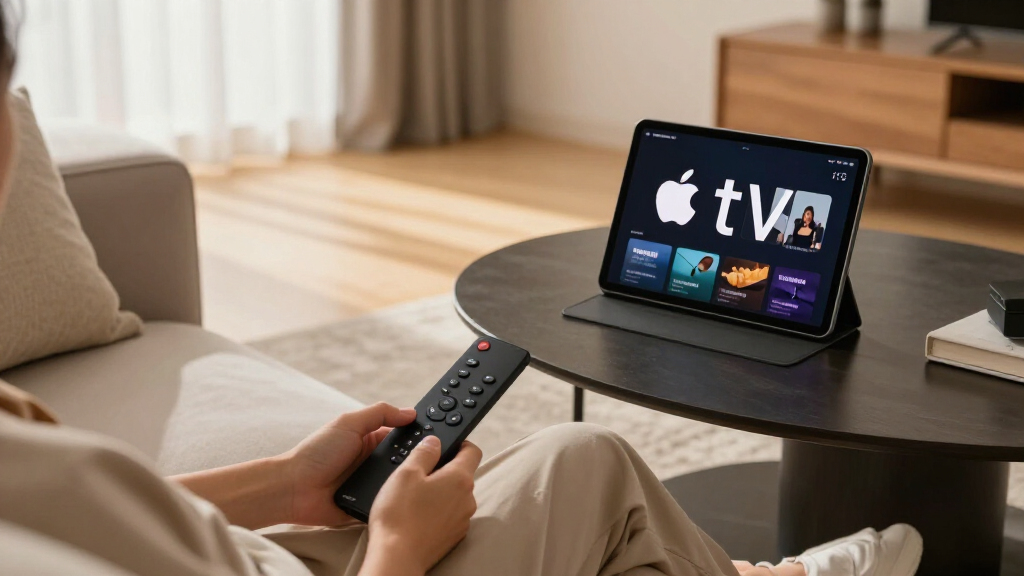
Apple TV has raised its subscription prices without offering a cheaper ad-supported option, as part of a test to gauge viewer willingness to pay higher fees. This move signals a shift in Apple’s streaming strategy amid ongoing industry debates about ad tiers.
Apple TV has increased its subscription prices without introducing a lower-cost ad-supported tier, according to user reports and industry sources. This development indicates a strategic shift by Apple as it tests how much viewers are willing to pay for its streaming service amid rising content costs and industry debates over ad-supported options. The move matters because it could influence subscription pricing models across the streaming industry and impact consumer choices.
Multiple users across different regions have reported that Apple TV’s standard subscription fee has increased in recent weeks, with some reports indicating a rise of approximately 20% in certain markets. Notably, Apple has not announced or launched an ad-supported tier, which has been a common industry trend as platforms seek to diversify revenue streams. Industry analysts suggest this move might be a test to see if consumers are willing to accept higher prices without the lure of a cheaper, ad-supported alternative. Apple has not officially commented on the price increase or the company’s broader streaming strategy. The increase appears to be part of a broader industry pattern where streaming services evaluate their pricing models in response to content costs and competitive pressures.Observers note that Apple TV+ has traditionally maintained a premium positioning, emphasizing ad-free viewing and exclusive content. The recent price hike, therefore, marks a notable shift, especially given the absence of an ad-supported option — a model that many competitors, such as Netflix and Disney+, have adopted or are exploring. The industry is closely watching whether this approach will result in subscriber retention or churn, and how it might influence consumer perceptions of value.
Impact on Streaming Pricing Strategies and Consumer Choice
This development is significant because it could signal a shift in how streaming services price their offerings. By raising prices without offering an ad-supported tier, Apple TV is testing whether consumers are willing to pay more for an ad-free experience. If successful, this could reinforce a trend toward higher subscription costs and reduce the appeal of lower-cost, ad-supported options. Conversely, if subscriber churn increases, it may prompt other platforms to reconsider their pricing or ad strategies. For consumers, the move raises questions about the value and affordability of streaming services amid rising costs and limited options for cheaper, ad-supported plans. Industry analysts view this as a potential indicator of how major players might navigate the balance between revenue growth and consumer retention in an increasingly competitive market.As an affiliate, we earn on qualifying purchases.
Recent Industry Trends and Apple TV’s Position
Over the past year, several streaming platforms have experimented with or launched ad-supported tiers to attract cost-sensitive viewers and diversify revenue streams. Netflix, Disney+, and Hulu have all introduced or expanded ad-supported options, citing consumer demand for cheaper plans. Apple TV+ has historically avoided ads, maintaining a premium, ad-free experience since its launch in 2019. The recent price increase without a corresponding ad-supported tier marks a departure from this strategy, possibly reflecting Apple’s confidence in its subscriber base or a different approach to monetization. Industry interest in this development has surged amid broader discussions about the sustainability of high subscription prices and the role of advertising in streaming economics. However, it remains unclear whether Apple’s price hike is a temporary test or part of a longer-term strategy to reposition its service.As an affiliate, we earn on qualifying purchases.
Unconfirmed Details About Apple’s Long-Term Strategy
It is not yet clear whether Apple’s price increase is a temporary experiment or part of a new, permanent pricing model. The company has not publicly addressed whether an ad-supported tier is in development or whether the price hike is linked to content investments or other strategic factors. Industry experts caution that the full rationale behind the move remains speculative until official statements are made or further data is available. Additionally, consumer response and potential subscriber churn rates are still unknown, making the long-term impact uncertain.As an affiliate, we earn on qualifying purchases.
Monitoring Subscriber Reactions and Industry Moves
Apple is expected to continue observing subscriber response to the price increase, with industry analysts watching for signs of churn or retention. The company may also consider launching an ad-supported tier in the future, but no official plans have been announced. Competitors are likely to scrutinize Apple’s approach as they refine their own pricing and ad strategies. Further updates from Apple or industry reports in the coming months will clarify whether this is a one-off test or signals a broader shift in streaming economics.As an affiliate, we earn on qualifying purchases.
Key Questions
Has Apple officially announced a price increase?
No, Apple has not issued an official statement. The price increase has been reported through user experiences and industry analysis.
Is Apple planning to introduce an ad-supported tier?
There is no confirmed information about an upcoming ad-supported tier. The current move appears to be a test of consumer willingness to pay higher prices.
How much has the price increased?
Reports suggest the subscription fee has risen by approximately 20% in some markets, but the exact figures vary by region.
Why is Apple not offering an ad-supported option?
Apple has historically maintained an ad-free, premium positioning. The absence of an ad tier in this context may reflect a strategic choice to focus on subscription revenue or a testing phase.
What could this mean for consumers?
If the price increase persists, consumers may face higher costs for streaming. The lack of a cheaper ad-supported plan could limit options for cost-sensitive viewers, potentially impacting subscriber retention.
Source: rss
Halloween Picks
halloween
As an affiliate, we earn on qualifying purchases.