
TL;DR

Get everyday helpers delivered free with Prime
- Fast, free delivery on millions of items
- Prime Video, Amazon Music and more included
- Member-only deals all year
Selecting a sock aid and shoe horn depends on mobility, comfort, and safety needs. Look for adjustable, lightweight, and ergonomic options to make dressing easier and safer daily.
Identify your specific mobility, comfort, and safety needs before choosing aids.
Look for adjustable and ergonomic features that make dressing easier and reduce strain.
Compare different types of shoe horns by length, material, and shoe compatibility.
Prioritize lightweight, non-slip, and easy-to-clean designs for daily use.
Stay informed about innovations like antimicrobial coatings and foldable models to enhance convenience.
What to Think About Before Buying a Sock Aid and Shoe Horn
Choosing the right sock aid and shoe horn starts with understanding your needs. Are you dealing with arthritis, limited flexibility, or balance issues? Do you wear thick socks or slip-on shoes? These questions help narrow your options.
For example, someone with arthritis might prioritize ergonomic handles and easy-to-grip surfaces because these features reduce pain and fatigue during use. A person with balance issues might need a longer shoehorn to prevent over-bending, which could lead to falls or joint strain. Recognizing your daily routine and specific challenges helps you select tools that not only fit your requirements but also prevent potential injuries or discomfort. Recent innovations, like adjustable lengths and antimicrobial materials, make today’s aids more adaptable—meaning you can customize tools to your needs while maintaining hygiene. Choosing devices that match your lifestyle ensures you’re not just buying a product, but investing in your safety and confidence during dressing routines.
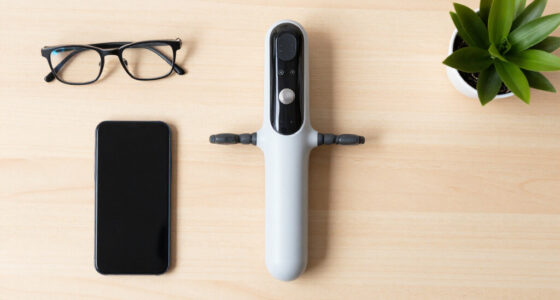
ergonomic sock aid with adjustable length
As an affiliate, we earn on qualifying purchases.
As an affiliate, we earn on qualifying purchases.
How to Pick the Perfect Sock Aid in 3 Simple Steps
- Assess sock thickness and size. Thicker socks, like winter woollies, require a wider, more flexible cradle to prevent tearing or difficulty pulling on. Conversely, thinner, lightweight socks fit most standard aids but may slip easily if the aid isn’t snug enough. Understanding your sock material helps avoid frustration and ensures a secure fit, which is crucial for maintaining warmth and comfort.
- Check the handle design. Ergonomic, non-slip handles aren’t just about comfort—they reduce the risk of hand fatigue and slipping, especially for users with arthritis or limited grip strength. Handles with textured surfaces provide better control, decreasing the chances of dropping the aid mid-use, which could cause accidents or frustration.
- Test adjustability and ease of use. Telescoping or adjustable aids allow you to customize the length to your height and flexibility, reducing strain on your back and knees. This adjustability can make dressing a less strenuous task, especially for those with limited mobility. Opting for aids with intuitive mechanisms ensures you won’t struggle with setup, making daily dressing routines smoother and more reliable.
For instance, if you often wear bulky winter socks, choosing a sock aid with a wider cradle and flexible fabric prevents tearing and makes pulling socks on easier. If grip strength is an issue, models with padded, textured handles help maintain control, reducing the risk of dropping or mishandling the aid, which could cause falls or injury.
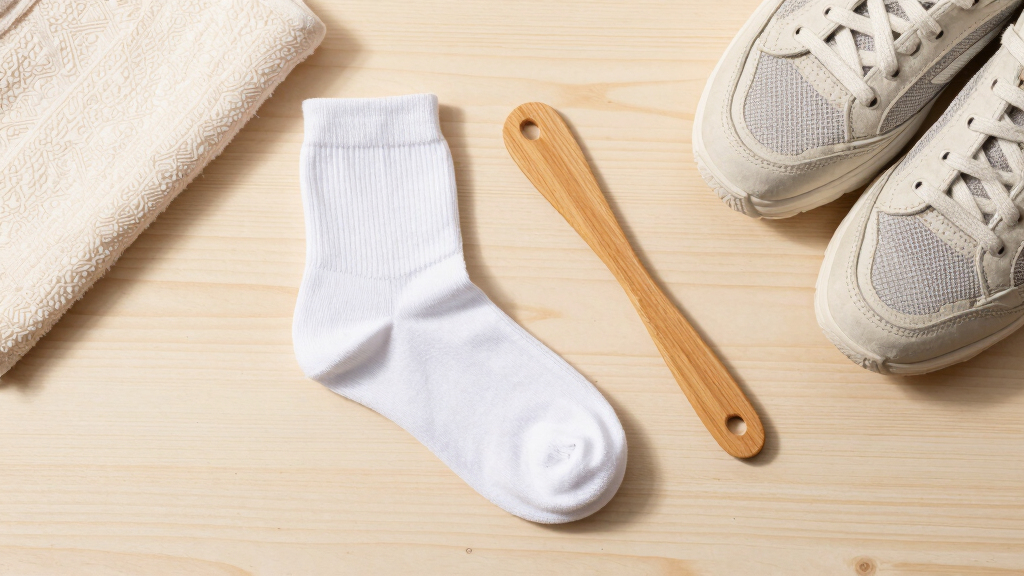
lightweight shoe horn for limited mobility
As an affiliate, we earn on qualifying purchases.
As an affiliate, we earn on qualifying purchases.
Shoe Horn Showdown: Which One Fits Your Shoes and Lifestyle?
| Feature | Standard Shoe Horn | Long Shoe Horn | Collapsible Shoe Horn |
|---|---|---|---|
| Length | 12-15 inches | 20+ inches | Adjustable, folds for storage |
| Material | Plastic or metal | Heavy-duty plastic or stainless steel | Lightweight plastic, aluminum |
| Best For | Everyday use, casual shoes | Dress shoes, boots, high-top sneakers | Travel, storage, versatility |
Choosing the right shoe horn isn’t just about length; it’s about matching the tool to your footwear and physical capabilities. For example, a standard shoe horn is convenient for quick, everyday use with slip-on shoes or sneakers, but may require bending that’s uncomfortable for some users. Longer or collapsible options are better suited for high boots or for individuals who want to minimize bending—reducing joint stress and the risk of falls. Consider your typical footwear and mobility level; a mismatch can lead to difficulty and even injury during dressing. Investing in the right shoe horn not only eases the process but also preserves the integrity of your shoes and prevents unnecessary strain on your joints.
As an affiliate, we earn on qualifying purchases.
What Features Make a Sock Aid and Shoe Horn Easy and Safe to Use?
- Ergonomic Handles: Padded, textured grips that prevent slipping and reduce hand fatigue, especially important for those with arthritis or limited grip strength. These handles help maintain control, reducing the risk of dropping the tool, which could cause injury or damage.
- Adjustability: Telescoping or flexible parts that adapt to different heights and needs are essential for customizing the fit, ensuring the tool works optimally for various body types and mobility levels. Proper adjustability reduces strain by allowing you to set the length that minimizes bending or awkward postures.
- Lightweight Materials: Plastic, aluminum, or composite materials make handling easier, especially for users with weak grip or joint issues. Heavy tools can cause fatigue, so lightweight options help maintain control and reduce accidental drops.
- Non-slip Surfaces: Textured or rubberized grips provide stability during use, ensuring the tool stays securely in your hand even if your hands are sweaty or slippery. This stability is crucial for safe dressing routines.
- Proper Length: Long enough to avoid excessive bending, especially for users with limited flexibility or joint problems. A well-chosen length prevents strain on knees, hips, and back, promoting independence and safety during dressing.
Imagine an elderly individual with arthritis trying to pull up socks. A sock aid with padded handles and adjustable length not only reduces joint pain but also boosts confidence, making dressing less stressful and more independent. These features collectively create a safer, more ergonomic experience that encourages consistent use and minimizes injury risks.
As an affiliate, we earn on qualifying purchases.
Recent Innovations That Make Dressing Easier
Designers are creating sock aids and shoe horns with a focus on comfort, hygiene, and portability. For example, some sock aids now feature antimicrobial coatings that inhibit bacterial growth, which is especially important for skin health and reducing odor. Adjustable, telescoping models allow for personalized fit, accommodating a range of body heights and flexibility levels—this customization helps reduce strain and improves control during dressing. Multi-functional tools are gaining popularity—combining a sock aid with a shoehorn, or adding a built-in handle that doubles as a grip aid—saving space and simplifying routines. Compact, foldable designs make packing for travel effortless, ensuring independence on the go. Imagine slipping a lightweight, foldable shoehorn into your bag for a trip—no more struggling with tight shoes in unfamiliar places, enabling you to maintain your routine and dignity wherever you are.
How to Keep Your Aids Clean and Last Longer
Proper cleaning and maintenance are essential for prolonging the life of your dressing aids and ensuring they remain safe and hygienic. Most sock aids and shoe horns can be wiped down with a damp cloth and mild soap, but paying attention to material specifics is important. For models with fabric or foam parts, check if they are removable for washing, which helps prevent bacteria buildup that can cause skin irritation or odors. Keeping your aids dry and stored in a clean, accessible spot reduces the risk of mold or deterioration over time. Regular cleaning is vital because it prevents dirt, sweat, and bacteria from accumulating, which can lead to skin infections or unpleasant odors. Neglecting this can also compromise the structural integrity of the tools, causing them to break or become less effective over time. Incorporating routine cleaning into your maintenance schedule ensures your aids remain safe, hygienic, and durable, ultimately saving money and reducing health risks associated with contaminated tools.
Frequently Asked Questions
How do I know which sock aid is best for my sock thickness?
Measure the thickness of your socks first. Thicker socks require a wider cradle and more flexible fabric. Check product descriptions for compatibility with various sock types to find the best fit for your needs.What should I consider when choosing a shoe horn if I have limited hand strength?
Look for models with ergonomic, padded handles and textured grips designed for easy handling. Longer shoe horns also reduce the need to bend, making them ideal for limited flexibility or joint issues. Choosing a lightweight, sturdy material ensures durability without added effort.Are collapsible shoe horns safe and durable enough for everyday use?
Yes, modern collapsible shoe horns made of high-quality lightweight materials are designed to withstand daily wear. They often feature secure locking mechanisms that prevent accidental collapse, ensuring safety and durability for regular use.Can I find eco-friendly sock aids and shoe horns?
Increasingly, manufacturers offer products made from sustainable, non-toxic materials. Look for options labeled as eco-friendly or biodegradable. These choices help reduce environmental impact while maintaining quality and safety.How often should I clean my dressing aids?
Clean your aids weekly or after use if they get dirty or sweaty. Use mild soap and water, and let them dry completely to prevent mold or bacteria buildup. Regular cleaning maintains hygiene and prolongs the lifespan of your tools.Conclusion
A well-chosen sock aid and shoe horn can transform your dressing routine from a struggle into a moment of independence. Focus on features that match your mobility, comfort, and safety needs. With the right tools, every step—literally—becomes easier, safer, and more dignified.Halloween Picks
halloween
As an affiliate, we earn on qualifying purchases.