TL;DR

Get everyday helpers delivered free — and shop member deals
- Fast, free delivery on millions of items
- Access to Prime Big Deal Days deals on October 6–7
- Prime Video, Amazon Music and more included
Assist handles for beds and chairs are simple yet vital tools that help prevent falls and support mobility. Choosing the right handle depends on safety, ease of use, and compatibility, making everyday tasks safer and more manageable.
Choose the right handle type based on your furniture and mobility needs — clamp-on, bolt-on, or portable.
Proper installation and regular checks are essential for safety and reliability.
Innovations like ergonomic grips and tool-free installation make support handles easier and safer to use.
Always consider weight capacity and compatibility to match the handle with your specific furniture.
A well-installed assist handle can significantly reduce fall risk and boost independence in daily routines.
A Guide to Bed and Chair Assist Handles
Simple, well-chosen support can transform standing, sitting and repositioning into safer, more manageable movements—protecting independence without complicating everyday routines.
A commonly cited support capacity for properly installed assist handles. Always follow the exact product rating.
Typical positioning above the seat or mattress level, subject to user reach and manufacturer guidance.
Common range for basic models; advanced or customizable options may cost $100 or more.
Clamp-on, bolt-on, chair-mounted and portable
Capacity, compatibility and stability
Possible for some tool-free clamp models
More confidence when sitting, standing or turning
Match the handle to the furniture—and the person.
No single design is best for every situation. Fixed models prioritize stability; portable designs prioritize flexibility. The right choice reflects frequency of use, hand strength, furniture construction and whether the aid must travel.
Clamp-on bed handle
Adjustable support that secures to a compatible frame. Tool-free versions are quick to fit and easy to reposition.
Bolt-on bed handle
A permanent attachment designed for strong, consistent support. Installation takes tools and careful alignment.
Chair arm handle
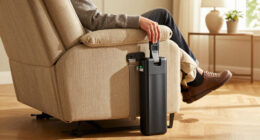
Attaches at or near the armrest to make lowering and rising more controlled. Ergonomic grips can reduce hand strain.
Portable handle
Lightweight clamp or suction-based support that can move between locations. Stability varies by surface and design.
Convenience and stability sit on a spectrum.
Start with the user’s safest required level of support. Then compare installation, portability and furniture compatibility—never exceed the manufacturer’s stated weight capacity.
| Handle type | Installation | Stability | Portable | Key watch-out |
|---|---|---|---|---|
| Clamp-on bed | ✓Often tool-free | ~High when correctly fitted | ✓Repositionable | Frame shape and clamp pressure |
| Bolt-on bed | ~Tools required | ✓Very high | ✗Fixed | Correct anchoring and alignment |
| Chair arm | ✓Usually simple | ~Model dependent | ~Some models | Armrest strength and grip height |
| Portable clamp / suction | ✓Fast, no tools | ~Surface dependent | ✓Highly portable | Not suitable for every surface |
A safe handle must suit the bed frame, mattress profile, chair construction and user’s body mechanics. “Fits most” is not a substitute for checking the product specification.
Five steps from loose hardware to dependable support.
Installation is a safety procedure, not merely assembly. Placement should allow a natural reach without forcing the user to twist, overextend or pull from an unstable angle.
Measure the reach
Identify where support is needed and confirm a comfortable hand position.
Confirm compatibility
Check frame dimensions, mounting surface, weight rating and clearances.
Follow instructions
Use the specified hardware, orientation and tightening sequence.
Apply a test load
Press gently from expected directions and check for wobble or shifting.
Inspect routinely
Retighten or replace worn parts before the handle returns to use.
Placement should follow natural hand movement.
Too low can force a deep reach; too high can lift the shoulder and reduce leverage. Treat the 2–3 inch figure as a starting reference, then follow the manufacturer’s guidance and the individual user’s needs.
A handle is only reliable when its condition is known.
Frequent use, moisture and repeated loading can loosen fasteners or degrade materials. Short, regular checks help catch small defects before they become transfer hazards.
Check for movement
If the handle wiggles, shifts or rotates, stop using it until it is tightened or reinstalled.
Inspect the material
Look for cracks, corrosion, bent tubing, damaged grips and worn mounting points.
Keep the grip dry
Remove moisture, lotion and residue that could make the hand surface slippery.
Recheck the environment
Furniture changes, mattress movement or floor shifts can alter alignment and access.
What deserves the most attention?
Relative priority when screening a handle for routine home use.
Daily heavy use usually shifts the decision toward fixed stability; travel and temporary recovery shift it toward portability.
Good fit creates a chain of safer outcomes.
Five takeaways for safer everyday support.
Why Bed and Chair Assist Handles Are a Game-Changer
Assist handles add a sturdy handhold where you need it most — in bed, on chairs, or on other furniture. They turn a potentially risky move — standing up or sitting down — into a safer, smoother experience. Imagine a grandparent with arthritis who now easily pulls themselves up from a chair, or a caregiver who feels more confident helping a loved one move safely. These handles reduce fall risk, support independence, and bring peace of mind to everyone involved.
Research shows that falls are a leading cause of injury among seniors, especially during transfers. Properly installed handles can support up to 250 pounds, providing a secure grip that prevents slips and tumbles. They’re an affordable, practical solution for enhancing safety without complicating daily routines.
bed assist handle with ergonomic grip
As an affiliate, we earn on qualifying purchases.
As an affiliate, we earn on qualifying purchases.
Different Types of Bed and Chair Handles — Which One Fits You?
Not all handles are created equal. Choosing the right one depends on your specific needs and furniture type. Understanding the differences can help you weigh their benefits and limitations. For instance, clamp-on handles are quick to install and reposition, making them ideal for temporary needs or multiple users. Bolt-on handles, on the other hand, offer a more permanent, sturdy support but require tools and installation time, which might be less convenient for some. Portable handles provide flexibility for travel or visiting, but may not support as much weight or provide the same stability as fixed options. Recognizing these tradeoffs is crucial because it influences safety, ease of use, and long-term durability. For example, a clamp-on handle might be perfect for someone who needs occasional support or frequently changes rooms, but it might not offer the same level of stability as a permanently mounted handle for daily heavy use. Conversely, a bolt-on handle, while more secure, might be less practical if mobility or frequent repositioning is needed. Balancing these factors helps ensure that the handle you choose aligns with your lifestyle and safety priorities, reducing frustration and increasing confidence during transfers and support activities.
| Type | Best For | Features |
|---|---|---|
| Clamp-on Bed Handles | Adjustable, easy-to-install support for beds | Secure grip, tool-free options, can be repositioned |
| Bolt-on Bed Handles | Stable, permanent support | Requires tools, very sturdy, supports higher weight |
| Chair Arm Handles | Assistance for sitting and standing | Attach to armrests, ergonomic grips, portable options available |
| Suction or Clamp Portable Handles | Temporary or travel use | Easy to move, no tools needed, suitable for travel or visiting |
For example, a caregiver might prefer a clamp-on bed handle that’s easy to reposition, while a person with arthritis might opt for a comfortable grip on their favorite chair. Recognizing these distinctions and understanding their implications helps avoid mismatched expectations, ensures safety, and promotes comfort in daily use. Choosing the right handle is not just about convenience—it’s about ensuring the support is reliable and suited to the user’s specific environment and needs, which ultimately impacts safety and independence.
As an affiliate, we earn on qualifying purchases.
How to Install Bed and Chair Handles Without a Hassle
Installing a handle isn’t just about fixing it in place — it’s about ensuring stability and safety. Proper installation minimizes the risk of accidents caused by loose or improperly mounted handles. For example, a handle that wobbles or slips during use can lead to falls, which defeats its purpose entirely. Using the right tools and following manufacturer instructions carefully helps ensure the handle can withstand daily use. Additionally, correct placement—usually 2-3 inches above the seat or mattress—aligns with natural hand movement, reducing strain and making the support more effective. Proper placement is crucial because it directly affects how comfortably and securely you can grip the handle during transfers. If installed too low or too high, it can cause awkward movements or discomfort, which might lead to less effective support or even accidents. Regularly checking the handle’s tightness and integrity is essential because wear and tear over time can compromise safety. Over time, screws or mounting points can loosen, or materials can degrade, especially in humid or heavily used environments. Investing a few minutes in proper installation and routine maintenance can prevent accidents, prolong the lifespan of the handle, and maintain safety standards.
- Measure the area where support is needed — usually 2-3 inches above the seat or mattress.
- Choose a handle compatible with your furniture type — clamp-on, bolt-on, or suction.
- Follow the manufacturer’s instructions carefully. For clamp-on handles, tighten the clamp securely around the bed frame or chair arm, ensuring it grips firmly without damaging the furniture.
- Test the handle’s stability by applying gentle pressure before regular use, ensuring it doesn’t wobble or shift.
- Inspect regularly for any looseness or wear, especially if the handle sees frequent use. Tighten or replace components as needed to maintain safety.
For example, a homeowner may find that a tool-free clamp-on handle takes less than five minutes to install, providing immediate support during morning routines. Proper installation isn’t just about convenience; it’s about ensuring the handle performs its safety function reliably over time. When installed correctly, the handle becomes a dependable support that enhances safety and confidence during daily activities.
As an affiliate, we earn on qualifying purchases.
Safety Tips to Keep Your Assist Handles Reliable
Your new handle can be a safety superstar — if you keep it in good shape. Check these tips:
- Inspect regularly for cracks, rust, or looseness. Recognizing early signs of wear can prevent sudden failures that lead to falls. Understanding that physical deterioration often indicates weakening support helps you take timely action to prevent accidents.
- Make sure it’s mounted properly — if it wiggles, tighten or re-install. Proper mounting is essential because a loose handle can unexpectedly detach or shift during use, increasing fall risk. Ensuring a tight fit maintains the integrity of the support and enhances confidence in its stability.
- Keep the handle clean and dry to prevent slips. Dirt, grease, or moisture can reduce grip effectiveness, especially in environments prone to humidity or spills. Maintaining cleanliness ensures the handle provides reliable support when needed most.
- Avoid hanging heavy items on the handle — it’s for support, not storage. Overloading can weaken the mounting points or cause damage, compromising safety. Using handles solely for their intended support function maintains their structural integrity and safety profile.
- Replace worn or damaged handles immediately — safety first. Using compromised handles increases fall risk and undermines your safety measures. Regularly assessing the condition of your handles ensures ongoing safety and peace of mind.
For instance, a caregiver notices her mother’s handle wobbles slightly. A quick tightening restores confidence, preventing potential accidents. Regular maintenance, such as periodic inspections and timely repairs, is a small investment that pays off by keeping your support system reliable and safe, ultimately safeguarding independence and well-being.
tool-free installation support handle
As an affiliate, we earn on qualifying purchases.
As an affiliate, we earn on qualifying purchases.
Latest Trends in Assist Handles — What’s New?
Modern assist handles are smarter, lighter, and more comfortable. Innovations include ergonomic grips that reduce hand fatigue, lightweight materials like aluminum alloys, and even handles with built-in sensors to alert caregivers if too much weight is applied. These advancements aim to enhance safety, comfort, and usability, especially for users with limited hand strength or dexterity. For example, ergonomic grips designed to fit the natural contours of the hand decrease fatigue and improve grip security, making support easier and more comfortable for extended use. Sensor-equipped handles can detect excessive pressure during transfers or repositioning, alerting caregivers in real-time and preventing injuries caused by overexertion or improper handling. These features reflect a broader trend toward integrating technology into everyday safety devices, making support tools more responsive and user-friendly. They also open new possibilities for remote monitoring, allowing caregivers to oversee safety without being physically present, which is especially valuable in care settings where continuous oversight is crucial. These technological improvements not only increase safety but also promote independence by making assist handles more adaptable to individual needs and situations.
For example, a new clamp design uses a rubber-lined grip that stays secure without scratching surfaces, and sensors that notify caregivers if excessive pressure is detected. These updates mean safer, easier support options for everyone, emphasizing comfort, durability, and technological integration that can adapt to various user needs and environments.
Choosing the Right Handle — What Matters Most?
Picking the perfect handle isn’t just about price or looks. It’s about understanding your specific needs and how the handle’s features align with them. For instance, if you have limited strength or arthritis, ergonomic, non-slip grips that require minimal force to hold are essential to prevent hand fatigue and ensure safety. But beyond comfort, it’s important to consider how the handle’s design impacts daily use. A handle that’s too bulky or poorly placed may cause awkward movements, increasing the risk of slips or discomfort. If you need frequent support, a sturdy, permanently mounted handle with high weight capacity might be more reliable, even if it involves longer installation. Conversely, if you travel often or need support in multiple locations, portability and ease of installation are priorities, but they may come with tradeoffs in stability. Evaluating these factors helps you balance convenience, safety, and long-term durability, ensuring the handle will serve its purpose reliably over time. Making an informed choice reduces frustration, enhances safety, and provides confidence during transfers and daily routines. It’s about selecting a support that adapts to your lifestyle and safety requirements, giving you peace of mind in everyday activities.
For example, a person recovering from surgery might prioritize portability and ease of installation, accepting some compromise on stability, while a long-term user might prefer a robust, bolt-on handle designed for daily, heavy use. Understanding these tradeoffs allows you to select a handle that truly meets your needs, supports independence, and promotes safety in your environment.
Real-Life Success Stories with Assist Handles
Take Jane, who struggled to get out of her favorite recliner after a hip replacement. A simple arm handle attached to her chair gave her the leverage she needed, transforming her ability to stand and reducing her fear of falling. Her story illustrates how a carefully chosen handle not only aids mobility but also restores confidence, allowing her to engage more fully in daily activities and maintain independence.
Or consider Tom, who has arthritis and finds bed handles indispensable for repositioning himself at night. These small additions significantly improved his comfort and safety, making nighttime routines less stressful. Their experiences highlight that the right support device, tailored to individual needs, can dramatically improve quality of life. Such stories underscore the importance of understanding personal requirements and choosing handles that enhance safety and independence, ultimately empowering users to live more confidently and securely.
Stories like these show that a well-chosen handle can restore independence and peace of mind, transforming everyday challenges into manageable tasks and fostering a sense of control over one’s environment.
What You Should Do Before Buying or Installing
Before you make a purchase, it’s important to carefully measure your furniture and assess your mobility needs. This ensures you select a handle that fits securely and supports your weight properly. But beyond measurements, understanding the implications of your choice can prevent future safety hazards. For example, selecting a handle that’s too small or weak for your weight or daily use can lead to unexpected failures, risking falls or injuries. Consulting with a healthcare professional can provide valuable insights into your specific needs, ensuring you choose a support that matches your physical capabilities and environment. Reading reviews and verifying weight limits helps avoid mismatches that could compromise safety, especially in demanding situations. Choosing models that require minimal tools or are easy to install saves time and reduces frustration. After installation, always test the handle thoroughly—apply gentle pressure to confirm stability and security before regular use. Regular inspections are equally important: over time, wear and tear can weaken the support, increasing fall risk if not addressed promptly. Investing time in proper measurement, professional advice, and careful installation pays off by providing reliable support and peace of mind. Remember, a well-chosen and correctly installed handle is a critical component of your safety plan, empowering you to perform daily routines with confidence.
For example, a caregiver might measure her mother’s bed and choose a clamp-on handle that installs in minutes, then double-check stability before use. This proactive approach ensures safety, enhances independence, and promotes confidence in daily routines, making everyday life safer and more manageable.
Frequently Asked Questions
Are assist handles easy to install at home?
Yes, many models are designed for simple setup, often requiring no tools or just a few minutes. Just follow the manufacturer’s instructions, and you’ll have support in no time.How do I know which handle is right for my furniture?
Measure your bed or chair first. Consider weight capacity, whether you prefer a portable or fixed handle, and check if it fits your furniture’s size and style.Are assist handles safe for elderly or disabled users?
When properly installed and maintained, assist handles are very safe. Always verify weight support, and inspect regularly for stability.Can assist handles prevent falls?
They greatly reduce fall risk by providing stable support during transfers. However, using them alongside other safety measures is the best approach.What maintenance do assist handles need?
Regularly check for looseness, rust, or cracks. Keep them clean and tighten or replace as needed to ensure ongoing safety.Conclusion
A sturdy, well-placed assist handle can be a silent hero in daily life. It’s more than support — it’s about reclaiming confidence and independence. When chosen wisely and maintained properly, it transforms routines from risky to reliable. Think of it as a small change with a big impact — a simple step toward safer, more dignified living.Fall Picks
fall essentials
As an affiliate, we earn on qualifying purchases.