
TL;DR

Get everyday helpers delivered free with Prime
- Fast, free delivery on millions of items
- Prime Video, Amazon Music and more included
- Member-only deals all year
This article highlights everyday tools that support independent living, from mobility aids to smart home devices. Using these tools can boost safety, comfort, and autonomy, no matter your age or ability level.
Imagine waking up in your own home, feeling confident that you can handle your day without constant help. That’s the power of the right everyday tools supporting independent living. These simple devices and tech solutions often go unnoticed but can make a huge difference in safety, comfort, and dignity.
Whether you’re caring for an aging parent, supporting someone recovering from injury, or just want to make your own life easier, these tools are designed to blend seamlessly into daily routines. Let’s explore how small, practical aids can keep you or your loved ones living independently and thriving.
Identify daily challenges and match them with specific tools—mobility aids, smart tech, or daily-living aids.
Smart home devices can automate routines and prevent accidents, boosting confidence at home.
Choose tools that fit your lifestyle, and don’t hesitate to seek professional help for fitting and setup.
Regular maintenance and safety checks extend the lifespan and reliability of your aids.
Combining multiple supports creates a tailored independence system, not just isolated devices.
Mobility Aids That Make Moving Safer and Easier
Mobility aids are more than just walkers and canes. They serve as essential tools that directly impact safety and independence by compensating for physical limitations and reducing the risk of falls. For example, a lightweight, foldable walker with built-in shock absorption not only provides stability but also minimizes fatigue, encouraging more frequent outdoor activity, which is vital for mental and physical health. The tradeoff is that some aids, like power wheelchairs, require training to operate safely and can be costly, but they open up environments previously inaccessible, vastly increasing independence for users with significant mobility challenges.
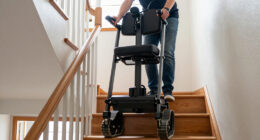
Consider a scenario: an elderly person struggles with stairs but has a stairlift installed. This device eliminates a major hazard, allowing safe access to different floors without risking a fall. The broader implication is that such tools can delay the need for more invasive interventions or institutional care, but they also require space and initial investment. Choosing the right mobility aid involves balancing safety, ease of use, and cost, ensuring the device complements the user’s lifestyle and environment.
Choosing the right aid depends on individual needs, but the goal remains the same: support safe, confident movement in familiar and unfamiliar spaces, thus maintaining autonomy and activity levels that contribute to overall well-being.
foldable lightweight walker with shock absorption
As an affiliate, we earn on qualifying purchases.
As an affiliate, we earn on qualifying purchases.
Smart Home Tech That Turns Your House Into an Assistive Hub
Smart home devices are more than just convenient gadgets; they are transformative tools that create safer, more accessible environments by automating routine tasks and providing alerts that can prevent emergencies. These devices matter because they reduce physical effort, which can be a barrier for many, and they also serve as early warning systems that can detect issues before they become critical. For instance, voice-controlled lights and thermostats can be operated with minimal physical effort, decreasing fall risks associated with reaching or bending. Smart locks and security systems enhance safety by allowing keyless access and remote monitoring, giving peace of mind to caregivers and users alike.
Smart sensors can detect unusual activity such as falls or prolonged inactivity, promptly sending alerts to caregivers or emergency services, which can be lifesaving. The implications are significant: homes equipped with IoT devices report a 30% reduction in emergency incidents related to falls or accidents, illustrating how these tools can extend independence and reduce reliance on external support. However, tradeoffs include the need for initial setup, ongoing maintenance, and ensuring privacy and data security. Most devices are designed to be user-friendly, but some users may need assistance during installation or configuration, emphasizing the importance of personalized setup for maximum benefit.
Integrating these tools requires understanding your specific needs and environment, but the payoff is a safer, more autonomous living space that adapts to your lifestyle, ultimately fostering confidence and peace of mind.
smart home safety devices for elderly
As an affiliate, we earn on qualifying purchases.
As an affiliate, we earn on qualifying purchases.
Daily-Living Aids That Make Everyday Tasks Easier
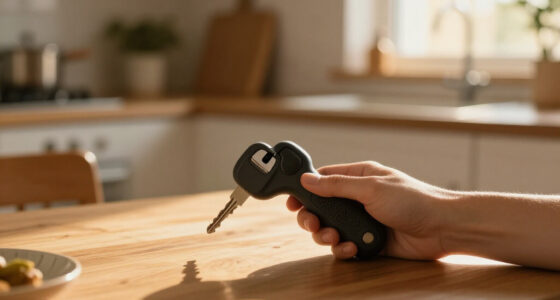
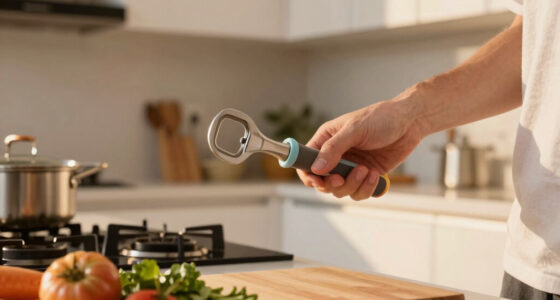
Simple tools like adaptive utensils, dressing aids, and medication organizers are designed to address common physical limitations, allowing users to maintain routines with greater ease and dignity. Their significance lies in how they enable independence; for example, a spoon with a built-up handle improves grip for arthritis sufferers, reducing hand fatigue and frustration. Dressing sticks with hooks make it possible to put on socks or shirts without bending or twisting, which can be challenging for those with limited flexibility. These aids often seem minor but can drastically reduce the physical and cognitive effort required for daily tasks, thus preventing frustration and maintaining a person’s autonomy.
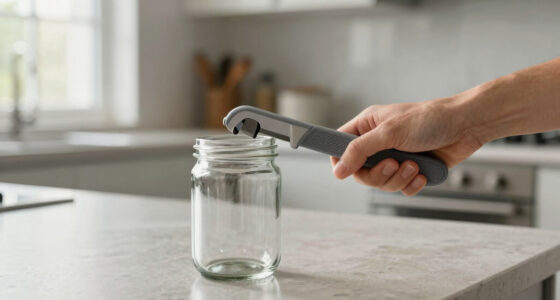
Imagine a person with limited dexterity preparing breakfast; tools like non-slip cutting boards, easy-open jars, and reachers turn what might be a daunting routine into a manageable one. Medication management tools, such as reminder apps or pill organizers with alarms, are critical in preventing missed doses, which can have serious health implications. The broader impact is that these aids support consistent routines, which are essential for health, mood, and social engagement, especially for those with chronic conditions or cognitive impairments. While these tools are often inexpensive, their ability to sustain independence and prevent health crises makes them invaluable.
Choosing the right daily-living aids involves understanding individual needs and preferences, but their real value is in how they empower users to remain active and engaged in their lives, fostering a sense of control and dignity.
As an affiliate, we earn on qualifying purchases.
Compare: Which Tools Fit Different Needs? A Quick Guide
| Tool Type | Best For | Example |
|---|---|---|
| Mobility Aids | Walking stability & outdoor movement | Foldable walker with shock absorption |
| Smart Home Devices | Home safety & automation | Voice-activated lights & locks |
| Daily-Living Aids | Eating, dressing & medication | Adaptive utensils, pill organizers |
This quick comparison shows how each type of tool targets specific needs. Combining them creates a comprehensive support system for daily independence. Understanding the implications of each tool helps users prioritize which aids will integrate best into their routines, balancing immediate safety benefits with long-term lifestyle improvements. For example, choosing a mobility aid that also supports outdoor activity can promote physical health, while smart devices can reduce caregiver burden and foster a sense of control. Recognizing these tradeoffs ensures that support systems are both effective and sustainable, ultimately enhancing quality of life.
automatic fall detection alert system
As an affiliate, we earn on qualifying purchases.
As an affiliate, we earn on qualifying purchases.
How to Pick the Right Tools for Your Life
- Assess your daily routines. What tasks are most challenging? Understanding your specific difficulties helps target the most effective tools, avoiding unnecessary expenses or mismatched solutions that may not address core issues.
- Identify safety hazards. Do you need fall prevention, emergency alerts, or environmental modifications? Recognizing these risks guides appropriate tool selection, which can significantly reduce injury and anxiety.
- Set a budget. Many aids are affordable, but prioritizing those with the greatest impact ensures efficient use of resources. Investing in essential safety and independence-enhancing tools provides the best return on investment.
- Try before you buy. Many retailers offer trial periods or demonstrations. Testing devices in real-life settings reveals how well they fit your needs and whether they integrate smoothly into your routines.
- Seek professional advice if unsure about specific needs or compatibility. Occupational therapists, for example, can recommend tailored solutions that maximize safety and comfort, preventing costly mistakes or mismatched purchases.
For example, a caregiver might notice their loved one hesitating before stairs. Installing a stairlift and adding a voice-activated assistant could dramatically boost confidence and safety. These decisions, made thoughtfully, can prevent falls, delays in independence, or even hospitalization.
Choosing the right tools isn’t just about adding gadgets; it’s about understanding personal needs and selecting solutions that genuinely enhance dignity, safety, and independence, leading to a more fulfilling, autonomous life.
Safety First: Using Tools Without Risks
Every tool carries some risk if misused or poorly fitted. For example, a cane that’s too short can cause imbalance and falls, potentially leading to serious injuries. Smart devices, if not properly set up, can generate false alarms or fail to alert during emergencies, creating a false sense of security or missed warnings. These risks highlight the importance of correct fitting, regular maintenance, and user education to prevent accidents.
Proper use involves reading instructions thoroughly, seeking professional fittings when needed, and performing routine checks for wear and tear. For instance, replacing worn grips on mobility aids ensures secure handling, reducing fall risk. Additionally, familiarizing yourself with emergency procedures—such as how to quickly turn off or reset smart devices—can prevent mishaps during critical moments. Recognizing that safety is an ongoing process, not a one-time setup, emphasizes the need for vigilance and maintenance.
Remember: safety measures are designed to protect your independence, not hinder it. Think of these tools as trusted partners that require proper care and attention to serve you effectively. The goal is to create an environment where risk is minimized without sacrificing the autonomy you value.
Frequently Asked Questions
What’s the most affordable way to start building my independence toolkit?
Begin with basic and inexpensive aids like non-slip mats, grab bars, or simple medication organizers. Many community centers and non-profits offer free or low-cost assistive devices. Small investments in these tools can make a noticeable difference in daily safety and comfort.
Are smart home devices safe for seniors or people with cognitive impairments?
Yes, when set up properly, smart devices can enhance safety and independence. Look for user-friendly interfaces, voice commands, and reliable alerts. Regularly updating and maintaining these devices ensures they function correctly and safely.
How do I know if a mobility aid fits me properly?
Proper fit is key to safety and comfort. Consult a specialist or occupational therapist who can assess your needs and adjust the device accordingly. Many stores offer trial periods to test mobility aids before committing.
Can these tools support people with cognitive impairments?
Many aids are designed with simplicity in mind, like visual reminders or automated alerts. Choosing devices with clear, straightforward controls helps. Combining these with caregiver support maximizes safety and independence.
Conclusion
Supporting independence isn’t about fancy gadgets—it’s about simple, reliable tools that fit your life. The right aids turn everyday challenges into manageable routines, giving you or your loved ones back control and confidence.
Think of these tools as your everyday allies—ready to help you live fully, safely, and on your own terms. Every small step toward independence adds up to a life of dignity and choice.
Halloween Picks
halloween
As an affiliate, we earn on qualifying purchases.