
TL;DR

Get everyday helpers delivered free — and shop member deals
- Fast, free delivery on millions of items
- Access to Prime Big Deal Days deals on October 6–7
- Prime Video, Amazon Music and more included
One-handed cutting boards are designed to improve safety and independence, featuring stability, food-holding mechanisms, and easy cleaning. They’re ideal for those with limited hand mobility or injuries, making kitchen tasks safer and more manageable.
Imagine chopping vegetables with one hand. Sounds tricky, right? Now picture a kitchen tool that makes that process safer and easier. That’s the promise of a one-handed cutting board. Designed with stability and safety in mind, these boards open doors for people with limited hand mobility or recovering from injuries. You’ll learn how they work, what features matter, and how to pick one that fits your needs.
Whether you’re living with arthritis, recovering from surgery, or caring for someone with limited dexterity, this guide will walk you through what makes a good one-handed cutting board and how it can boost independence in your kitchen.
Choose a material that matches your cleaning preferences—plastic for easy washing, bamboo for durability, silicone for grip.
Look for safety features like non-slip bases, raised edges, and built-in clamps to prevent slips and spills.
Assess your specific needs—light vs. heavy chopping, portability, safety concerns—before picking a model.
Proper cleaning and maintenance extend your board’s lifespan and keep it safe for food prep.
A good one-handed cutting board is an investment in safety, independence, and confidence in your kitchen.
What Makes a One-Handed Cutting Board Stand Out?
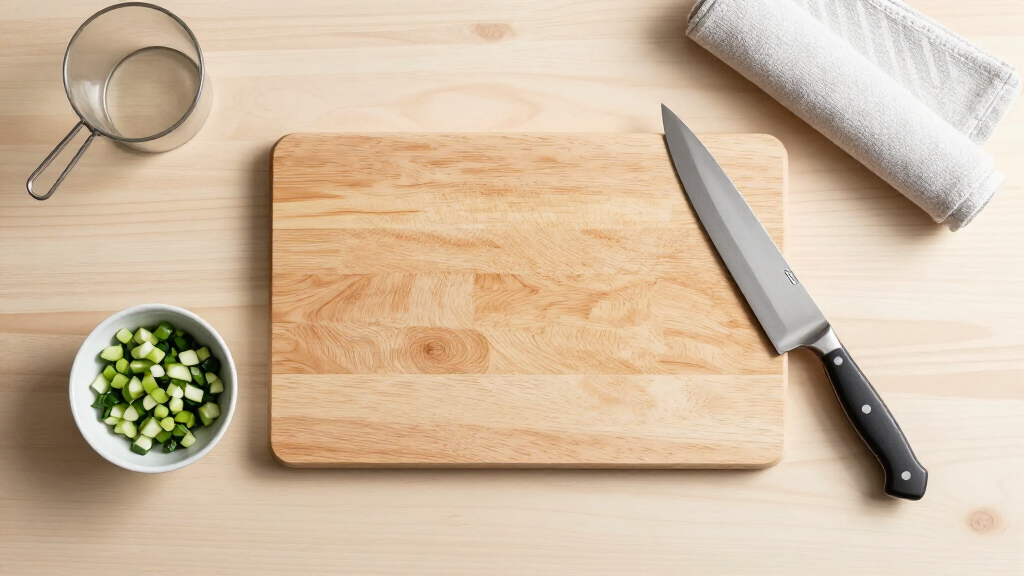
One-handed cutting boards are not your average kitchen tools. They’re built to stay put, hold food securely, and be easy to operate with just one hand. Think of them like a steady partner during meal prep. Features like non-slip bases, built-in clamps, and raised edges make a real difference.
For example, a board with a strong suction base can lock onto your countertop, preventing slips. A model with a clamp or food holder can grip a slippery tomato or a chunk of cheese, so you don’t have to hold it down manually. These features transform a potentially dangerous task into a safe, controlled one.
Understanding why these features matter is key. Non-slip bases prevent the board from sliding, which is crucial because even a small slip can lead to cuts. Clamps or food holders reduce the need for manual grip, minimizing hand fatigue and accidental slips, especially for those with limited dexterity. Raised edges help contain juices and small ingredients, reducing mess and slip hazards. Recognizing the trade-offs, such as the potential difficulty in cleaning textured surfaces or the need for a sturdy countertop, helps users choose the best fit for their environment and needs.
one-handed cutting board with non-slip base
As an affiliate, we earn on qualifying purchases.
As an affiliate, we earn on qualifying purchases.
Materials That Make Life Easier: Which Is Best?
Choosing the right material can make or break your experience. Plastic is lightweight, inexpensive, and dishwasher safe—perfect for quick clean-ups. Bamboo offers durability and a natural antimicrobial surface, ideal for everyday use. Silicone is flexible, slip-resistant, and super easy to clean, making it a favorite for those who need a gentle, grippy surface.
Here’s a quick comparison:
| Material | Pros | Cons |
|---|---|---|
| Plastic | Lightweight, affordable, dishwasher safe | Can stain or scratch over time |
| Bamboo | Durable, eco-friendly, antimicrobial | Requires oiling to prevent cracking |
| Silicone | Flexible, slip-resistant, easy to clean | Less rigid, may not be suitable for heavy chopping |
Beyond just material choice, consider how each impacts your workflow. Plastic boards are ideal for quick, everyday use but may wear out faster. Bamboo offers a sustainable, sturdy surface, but requires maintenance to prevent cracking, which can affect long-term safety. Silicone’s flexibility and grip make it excellent for those with limited strength, but its softer surface may not handle heavy-duty chopping. Balancing these factors ensures you select a board that aligns with your safety priorities, cleaning preferences, and durability needs.
food holding clamp for cutting board
As an affiliate, we earn on qualifying purchases.
As an affiliate, we earn on qualifying purchases.
Features That Keep You Safe and Steady
Safety features are the heart of these boards. Non-slip bases keep the board from sliding, even on glossy countertops. Raised edges catch juices and prevent ingredients from slipping off the side. Built-in clamps or food holders grip your produce, so you don’t need to hold it with your hand.
Understanding why these features matter is essential. Non-slip bases are crucial because they provide stability, reducing the risk of sudden slips that can cause cuts or injuries. Raised edges serve a dual purpose: containing liquids to prevent spills that could lead to slippery surfaces, and helping keep small ingredients in place during cutting. Clamps and food holders are particularly beneficial for users with tremors or limited dexterity, as they secure the food firmly, reducing the need for manual grip and the chance of accidental slips. When shopping, opt for boards with multiple safety features; combining them maximizes stability and safety, especially for those recovering from injuries or with limited strength. Recognizing the trade-offs, such as increased cleaning complexity with textured surfaces or the need for a sturdy countertop, helps in selecting the most appropriate product for your environment.
As an affiliate, we earn on qualifying purchases.
How to Pick the Perfect One-Handed Cutting Board in 3 Steps
- Assess your needs: Do you need it for light slicing, or heavy chopping? Do you prefer a lightweight or more robust board? Consider the types of foods you most often prepare and the strength or mobility limitations you face. This helps in choosing a board that provides adequate support and safety features tailored to your typical tasks.
- Check safety features: Focus on non-slip bases, clamps, raised edges, and stability mechanisms. Think about how these features address your specific safety concerns—whether it’s preventing slips, securing slippery ingredients, or containing juices. Combining multiple safety features can significantly reduce risks during food prep.
- Consider materials and cleaning: Decide if you want dishwasher-safe plastic or eco-friendly bamboo. Think about maintenance and lifespan, and how they fit into your routine. For example, a plastic board may be easier to clean daily, but a bamboo board, with proper care, can last longer and be more environmentally sustainable. Matching the material to your cleaning habits ensures longevity and safety.
For instance, if you frequently prepare raw meat and vegetables, a silicone board with a strong suction base and a clamp for meat might be best, as it offers both stability and secure gripping. If eco-friendliness is your priority, bamboo with anti-slip feet could suit your needs while also providing a durable surface. Carefully evaluating your priorities and environment will lead to a more confident and safe choice.
stability cutting board for limited mobility
As an affiliate, we earn on qualifying purchases.
As an affiliate, we earn on qualifying purchases.
Compare the Top Features at a Glance
| Feature | Why It Matters | Best For |
|---|---|---|
| Non-slip base | Keeps the board steady, reducing slips and accidents | Anyone with limited grip or stability issues |
| Built-in clamp or holder | Secures food, making cutting safer and easier | People with tremors or limited dexterity |
| Raised edges | Catches liquids, prevents ingredients from falling off | Juicy fruits or meats |
| Lightweight & portable | Easy to move and position | People who cook outdoors or in small kitchens |
Matching features to your needs ensures safer, more comfortable food prep. Think about what matters most in your daily routine and how each feature can address your safety concerns and convenience.
Care and Maintenance: Keep Your Board Safe & Lasting
Most one-handed cutting boards are designed for easy cleaning. Plastic and silicone models are often dishwasher safe, making sanitation simple. Bamboo boards should be hand washed and occasionally oiled to keep them in top shape.
Proper cleaning not only maintains hygiene but also prolongs the lifespan of your board. Regularly washing with warm, soapy water removes bacteria and food residues that could harbor germs or cause odors. For bamboo, oiling helps maintain its moisture, preventing cracks that could harbor bacteria or compromise safety. Avoiding abrasive scrubbers preserves the surface integrity, ensuring the board remains smooth and safe for cutting. Periodic inspections for cracks or warping are critical; damaged boards can harbor bacteria or become unstable during use, increasing risk. Following these maintenance practices is essential for ensuring ongoing safety and durability, which ultimately supports safer and more confident food prep routines.
Are One-Handed Cutting Boards Worth It? Yes, When You Need Them
If you struggle with stability, grip, or safety during food prep, a one-handed cutting board can make a world of difference. They turn a potentially risky task into a safer, more controlled experience. Plus, they help maintain independence for those with limited mobility or injuries.
With features like suction bases, food clamps, and raised edges, these boards are increasingly versatile and easy to use. They are an investment in safety and confidence in your cooking routine.
Imagine slicing through a ripe tomato with just one hand—less mess, less worry. That’s the power of a well-designed one-handed cutting board.
While some might see them as specialized tools, their benefits extend beyond accessibility. They can be a practical choice for anyone looking to improve safety, reduce mess, and streamline food prep, especially in small or cluttered kitchens. The tradeoff may be a slightly higher initial cost or the need for a bit more storage space, but the safety and independence they offer often outweigh these considerations.
Frequently Asked Questions
Who should use a one-handed cutting board?
Anyone with limited hand strength, arthritis, injuries, or who seeks safer kitchen tools can benefit. They are especially helpful for seniors or those recovering from hand surgeries.How do I choose the best one-handed cutting board?
Focus on safety features like non-slip bases and clamps, consider the material for ease of cleaning, and match the size and design to your typical food prep tasks.Are they dishwasher safe?
Many models, especially plastic and silicone ones, are dishwasher safe. Always check the manufacturer’s instructions to ensure proper cleaning and maintenance.Can I use a one-handed cutting board for all foods?
They work well for most fruits, vegetables, and meats, but may struggle with heavy-duty chopping like bones or large, tough produce. Use your judgment based on the task.What maintenance is necessary?
Wash after each use with warm, soapy water, dry thoroughly, and periodically inspect for wear. For bamboo, occasional oiling helps keep the surface smooth and free from cracks.Conclusion
A one-handed cutting board isn’t just a kitchen tool; it’s a doorway to safer, more independent cooking. When you pick one with the right features, you reclaim confidence and control. Think about your needs, choose wisely, and enjoy the freedom to prep with less worry.
Every chop, slice, and dice becomes a small act of empowerment. Your kitchen can be a place where safety and dignity walk hand in hand—one cut at a time.
Fall Picks
fall essentials
As an affiliate, we earn on qualifying purchases.