
TL;DR

Get everyday helpers delivered free — and shop member deals
- Fast, free delivery on millions of items
- Access to Prime Big Deal Days deals on October 6–7
- Prime Video, Amazon Music and more included
Buttoning and zipper aids are affordable, practical tools that help people with limited dexterity dress independently. Proper use and choosing the right aid can transform daily routines, especially for those with arthritis, tremors, or recovery needs.
Choose the right aid based on your specific needs — from simple wire loops to magnetic closures.
Master proper technique: inserting the loop correctly and pulling gently makes dressing easier and prevents damage.
Regularly inspect and maintain your aids to keep them working smoothly and extend their lifespan.
Innovations like magnetic closures and DIY solutions are making dressing aids more accessible and stylish.
Insurance coverage varies; consult your provider and occupational therapist to explore options.
A Guide to Buttoning and Zipper Aids
Small tools can remove one of the day’s most persistent frustrations. Button hooks, zipper pulls and adaptive closures help people with arthritis, tremors, reduced strength or recovery needs dress with greater control, confidence and dignity.
One task, several smart solutions
The best aid matches the fastener, the user’s grip and the garment. Thin loops suit small shirt buttons; larger loops handle coats, while textured or weighted grips offer more control for painful joints and tremors.
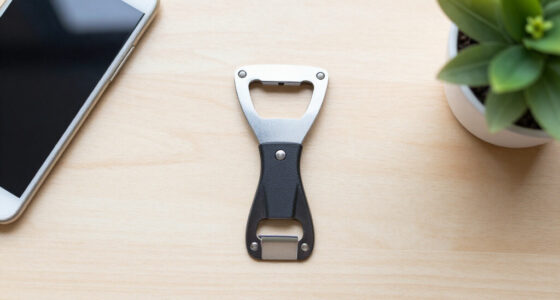
Wire-loop button hook
The loop passes through the buttonhole, captures the button and draws it back through with less fingertip work.
Best for: shirts and everyday buttonsBuilt-up handle
Foam, rubber or contoured handles reduce the force required to hold the tool and improve stability.
Best for: arthritis or weak gripWeighted button aid
Extra handle weight can dampen small involuntary movements and make positioning more deliberate.
Best for: tremors and shaky handsButton-and-zip tool
A button loop at one end and zipper hook at the other saves space and covers two frequent dressing barriers.
Best for: compact daily supportLarge zipper pull
A ring, cord or broad tab enlarges the gripping surface and distributes pulling force more evenly.
Best for: limited finger dexterityMagnetic conversion
Hidden magnetic fasteners align and close with minimal precision, replacing demanding buttons or zipper starts.
Best for: one-handed dressingChoose for the hardest movement
If pinching hurts, prioritize a wide cushioned grip. If aiming is difficult, choose a larger loop. If two-handed alignment is the barrier, consider magnetic or hook-and-loop closures.
Four moves to a secure button
Technique often matters as much as the device. Work slowly, keep the tool close to the hand and use steady movement rather than force.
Enter from the front
Guide the wire loop through the buttonhole from the visible side of the garment.
Hook the button
Slip the loop over the button and position it securely around the button’s base.
Turn gently
Rotate the tool slightly so the loop catches the back without scraping the fabric.
Draw it through
Use one smooth, controlled motion until the button clears the hole.
Begin with a loose garment in front of a mirror. Repetition develops muscle memory and reveals whether the loop size or handle shape needs adjusting.
A bent loop, tight buttonhole or sudden pull can damage fabric. Reset the tool and try again with less tension.
More grip, smoother travel
Zippers demand alignment, pinch strength and coordinated movement. A larger pull surface and a well-maintained track reduce all three demands.
Enlarge the grip
Attach a ring, cord or adaptive tab to the slider so the whole hand can assist the movement.
Pull along the track
Keep the pull aligned with the zipper path. Sideways force increases catching and slider wear.
Release a sticking zip
Stop, ease the fabric away and wiggle gently. A small amount of suitable wax can improve travel.
Extend your reach
Use a long-handled pull for back zippers to reduce twisting, shoulder strain and awkward reaching.
| Aid type | Grip demand | Tremor support | One-hand potential | Typical advantage |
|---|---|---|---|---|
| Wire button hook | ✓ Low | ~ Moderate | ✓ Good | Precise work with small buttons |
| Built-up handle | ✓ Very low | ✓ Strong | ✓ Good | Comfort for painful or weak hands |
| Large zipper pull | ✓ Low | ~ Moderate | ~ Varies | Larger, easier gripping surface |
| Magnetic closure | ✓ Minimal | ✓ Strong | ✓ Excellent | Self-aligning, fast closure |
| Long-handled pull | ~ Moderate | ~ Moderate | ✓ Good | Extra reach for back fasteners |
From gadget to good garment design
Adaptive clothing is moving assistive design into everyday wardrobes. The goal is no longer merely functional access, but comfortable, discreet and stylish independence.
Hidden magnetic systems
Retrofit kits replace demanding buttons while preserving the familiar appearance of a shirt.
Custom 3D-printed grips
Personalized shapes can accommodate individual hand size, strength and preferred grasp pattern.
Better materials
Non-slip silicone, flexible loops and contoured handles improve comfort and reduce tool rotation.
Mainstream adaptive fashion
Major clothing brands are normalizing easy-fastening garments and reducing the stigma of assistance.
How one small tool changes the whole routine
Five-point care check
Review the aid regularly. A simple inspection prevents worn parts from turning an easier task back into a frustrating one.
What Are Buttoning and Zipper Aids, and Why Do They Matter?
Buttoning and zipper aids are specially designed tools that help you fasten buttons and zippers more easily. They matter because they solve a common problem: limited hand strength, tremors, or reduced dexterity. These issues can make simple tasks like dressing feel overwhelming and can diminish independence, leading to frustration or reliance on others. By using these aids, individuals regain control over their daily routines, which directly impacts their confidence and sense of autonomy. Moreover, these tools often serve as a bridge, allowing people to continue engaging in activities they might otherwise give up, preserving dignity and mental well-being. The implications extend beyond mere convenience; they foster a sense of empowerment and can significantly improve quality of life, especially when traditional fasteners become difficult or impossible to manipulate. The tradeoff, however, is that some aids might require initial learning or adaptation, and not all devices are suitable for every hand size or strength level, which underscores the importance of choosing the right tool for your specific needs.
As an affiliate, we earn on qualifying purchases.
Different Types of Buttoning Aids and How to Pick the Right One
Buttoning aids come in various shapes and sizes, each designed to address specific challenges and preferences. The classic button hook is a simple yet effective tool that catches tiny buttons and pulls them through buttonholes; understanding its mechanics reveals why it’s so valuable—by extending your reach and grip, it compensates for limited dexterity. For individuals with trembling hands, weighted or cushioned handles provide added stability, reducing the tremor’s impact and allowing more precise movements. Combination tools serve multiple functions, saving space and cost while offering versatility—an important consideration for those who need to minimize clutter or are unsure which aid they’ll prefer. When selecting an aid, understanding the implications of each feature helps you match the tool to your lifestyle. For example, a lightweight, slim device might be easy to carry but less stable, whereas a heavier, textured handle offers better control but might be tiring over extended use. The tradeoff resides in balancing ease of use, comfort, and functionality, emphasizing the importance of trying different options to find the best fit for your specific needs and physical capabilities.
As an affiliate, we earn on qualifying purchases.
How to Use a Button Hook — Step-by-Step for Success
Using a button hook correctly involves understanding how each step contributes to a smooth dressing process. The insertion of the wire loop through the buttonhole should be deliberate; this ensures that the tool securely catches the button without slipping, which is crucial for confidence and efficiency. Hooking the button with the loop and rotating it to catch the back of the button transforms a manual task into a mechanical advantage—reducing finger stress and increasing success rates. Gently pulling the loop through the hole must be done with a steady, controlled motion to avoid damaging delicate fabric or dislodging the button. Practice not only builds muscle memory but also helps you understand your own rhythm and strength, which are key to avoiding frustration. Keep the device close to your hand for better control, and replace worn loops promptly—worn or bent loops can compromise the process, leading to increased difficulty. Practicing in front of a mirror helps you see your technique, identify issues, and make adjustments. Mastering this step can make dressing feel less like a chore and more like a manageable task, restoring independence and boosting confidence in your abilities.
adaptive dressing tools for arthritis
As an affiliate, we earn on qualifying purchases.
As an affiliate, we earn on qualifying purchases.
Mastering Zippers: Tips and Tricks to Make Zipping Easier
Zippers are often the trickiest part of dressing because they require precise grip and coordination. Using a zipper pull aid transforms this challenge by enlarging the gripping surface, making it easier to grasp and pull. Attaching the pull to the zipper slider helps distribute force evenly, which is especially important for those with limited strength or tremors—reducing the risk of the zipper slipping or splitting. Holding the zipper pull firmly and pulling smoothly along the track ensures a controlled motion, decreasing the chance of misalignment or fabric catching. If the zipper sticks, gently wiggling it or applying a small amount of soap or wax can lubricate the mechanism, making future zips easier and less frustrating. For back zippers, a long-handled zipper pull minimizes strain on the back muscles, allowing for more leverage and less awkward reaching. Magnetic zippers that automatically align are particularly helpful for those with tremors or limited dexterity, as they reduce the need for precise finger placement. Regularly lubricating the zipper with a small amount of zipper lubricant or wax prolongs its lifespan and ensures smoother operation over time. These tricks and tools collectively reduce frustration, foster independence, and make dressing a more manageable process for everyone.
independent dressing aids for limited dexterity
As an affiliate, we earn on qualifying purchases.
As an affiliate, we earn on qualifying purchases.
Are There Any Smart New Trends in Dressing Aids?
Yes! The world of dressing aids is evolving fast, driven by technological advancements and a focus on user-centric design. Magnetic closures and retrofit kits are revolutionizing the way we approach fasteners, offering solutions that mimic traditional buttons but with enhanced ease of use. Magnetic button systems, for instance, sew onto existing clothing, replacing traditional buttons with hidden magnets that snap into place—this innovation reduces the dexterity needed to fasten and unfasten, making dressing quicker and less frustrating. The implications are significant: they promote independence, reduce the need for assistance, and can be seamlessly integrated into everyday wardrobes. Meanwhile, 3D printing technology allows for the creation of highly customized grips tailored to individual hand sizes and strengths, providing better control and comfort. The fashion industry is also embracing these innovations, with adaptive clothing lines featuring stylish magnetic fasteners that blend functionality with aesthetics—destigmatizing assistive devices and encouraging their use. These trends reflect a broader shift toward inclusive design, emphasizing that assistive devices should enhance rather than detract from personal style or confidence. The tradeoff lies in balancing innovation with affordability and ease of adoption, but overall, these advances are making dressing aids more accessible, discreet, and effective than ever before.
DIY Tips: How to Make Your Own Zipper or Button Pulls at Home
Feeling crafty? You can create effective dressing aids at home using household materials, but understanding the tradeoffs is key. For zipper pulls, threading a large keyring or a sturdy paperclip with a piece of cord or ribbon creates a makeshift handle that enlarges the gripping surface, making it easier to grasp and pull—particularly helpful for those with limited grip strength. For buttons, attaching a thick piece of fabric or a plastic tab to a safety pin or paperclip creates a larger, more manageable pull that reduces finger strain. Wrapping foam tubing around handles or grips can significantly improve comfort and control, especially for prolonged use. These homemade solutions are not only budget-friendly but also customizable—allowing you to tailor them to your specific needs. For example, a caregiver might take a sturdy keyring, thread a shoelace through it, and then attach it to a zipper, creating a simple yet effective pull. While DIY aids might not be as durable as commercial products, they serve as excellent prototypes or temporary solutions, giving you the opportunity to test what works best before investing in professional-grade aids. They also foster a sense of independence and creativity, empowering you to adapt your environment to your needs.
Will Insurance Cover These Aids or Adaptive Clothing?
Coverage varies and understanding the nuances can make a significant difference in affordability. Typically, standalone dressing aids like button hooks and zipper pulls are considered convenience items and are not covered by insurance or Medicare. However, if a healthcare provider prescribes or strongly recommends specific devices—especially after an occupational therapy assessment—certain parts might be eligible for reimbursement. For example, a therapist may document that a particular aid is essential for safe dressing, which could lead to partial coverage. Adaptive clothing, especially items that replace traditional fasteners with magnetic, Velcro, or other easy-to-manage closures, might be covered under certain conditions, such as disability or medical necessity. It’s important to consult your insurance provider or Medicare directly and provide documentation from your healthcare professional. Sometimes, a formal letter explaining your limitations can facilitate coverage approval. While many of these aids are inexpensive—often less than $20—the potential for reimbursement can offset costs and make them more accessible. Being proactive in understanding your coverage options ensures you can access the tools you need without undue financial burden.
What’s the Best Way to Keep Your Dressing Aids in Good Shape?
Maintaining your dressing aids properly is essential to ensure longevity and reliable performance. Regular cleaning and careful handling prevent dirt buildup and material degradation. Keep button hooks and zipper pulls clean and dry—dirt and moisture can weaken materials over time. If the wire loop or other metal parts bend or become misshapen, gently straighten them with pliers or replace the worn part to prevent further damage. Store your aids in a dedicated drawer or container to protect them from crushing or losing small components. For rubber or foam handles, wiping them with a damp cloth removes oils and dirt that could cause deterioration. Promptly replacing worn or damaged parts not only prolongs the usefulness of your aids but also prevents frustration during dressing. Many aids are inexpensive, so replacing a broken wire loop or handle is a cost-effective way to maintain your toolkit. Regular maintenance ensures your dressing tools remain dependable, helping you stay independent and confident in your daily routines, and avoiding the inconvenience of sudden failure when you need them most.
Frequently Asked Questions
Insert the wire loop through the buttonhole from the front, hook the button, rotate to catch the back, then pull gently to slide the button through. Practice in front of a mirror to build confidence. Proper technique makes all the difference.
What is the best button aid for arthritic hands or tremors?
Weighted or cushioned handle button hooks are ideal. They provide a firmer grip and reduce hand fatigue. Look for models with textured or foam handles for added comfort and control.
Yes. A combination tool with a button hook and a zipper pull can help. Practice the step-by-step technique, and consider aids with larger handles or textured grips to increase control, especially for one-handed dressing post-stroke.
Absolutely. Magnetic buttons and Velcro closures are popular adaptive options. They simplify fastening, look similar to regular fasteners, and are especially helpful for people with limited dexterity or children learning to dress.
Can I make a DIY zipper pull or button aid at home?
Yes. Use household items like keyrings, shoelaces, foam tubing, or large paperclips to create custom pulls. These homemade solutions are inexpensive, quick to make, and can be tailored to your grip strength and preferences.
Conclusion
With the right tools and techniques, you can turn a daily challenge into a quick, confident routine. Dressing aids aren’t just gadgets — they’re gateways to independence and dignity. Remember, small adjustments can make a big difference. So, give yourself permission to experiment and find what works best—your wardrobe and your self-esteem will thank you.Fall Picks
fall essentials
As an affiliate, we earn on qualifying purchases.