
TL;DR
Listen free for 30 days with Audible
Thousands of audiobooks and originals — cancel anytime.
Start your free trialAs an affiliate, we earn on qualifying purchases.
A consistent transfer routine is essential for safety and dignity. Starting with professional assessment, preparing the environment, choosing the right equipment, and maintaining clear communication make all the difference in safe, effective transfers.
Every day, millions of caregivers help loved ones move safely from one surface to another. A well-planned, consistent routine isn’t just about safety—it’s about respecting dignity and fostering independence. But setting up that routine takes more than just good intentions.
In this guide, you’ll learn step-by-step how to create a transfer process that protects everyone involved. From professional assessments to environmental prep and equipment choices, these practical tips will help you build routines that are safe, predictable, and respectful.
Start with a professional assessment to tailor the transfer routine to the individual’s abilities and restrictions.
Develop a consistent, step-by-step sequence to reduce confusion and increase cooperation.
Prepare the environment thoroughly—clear hazards, lock brakes, and position equipment before starting.
Choose equipment carefully and maintain it regularly to support safe transfers.
Use proper body mechanics and avoid lifting with your back to prevent caregiver injuries.
Setting Up a Transfer Routine
Every day, millions of caregivers help loved ones move safely from one surface to another. A consistent, well-planned routine isn’t just about safety — it’s about dignity, independence, and respect. Here’s how to build one, step by step.
Standardized, person-centered transfer plans decrease caregiver injury by up to 50%.
Five Key Takeaways
Professional Assessment
Tailor the routine to the individual’s abilities, restrictions, and weight-bearing status.
Consistent Sequence
A repeatable step-by-step routine reduces confusion and increases cooperation.
Environment Prep
Clear hazards, lock brakes, and position equipment before every transfer.
Right Equipment
Match tools to the person’s needs and maintain them regularly.
Body Mechanics
Bend at hips and knees — never lift with your back to prevent injury.
The 10-Step Transfer Sequence
Explain & Agree
Describe the transfer and obtain the person’s agreement.
Check In
Ask about pain, dizziness, weakness, or fear.
Prepare Route
Clear the destination and remove clutter from the path.
Lock & Position
Position equipment correctly and lock all wheels.
Ensure Traction
Check footwear and floor surfaces for grip.
Starting Position
Place the person in the stance taught by their clinician.
Agree on a Cue
Use a clear signal like “Ready, set, stand.”
Encourage Participation
Let the person do as much as safely possible.
Move Smoothly
No rushing, no twisting — shift weight fluidly.
Confirm Comfort
Check posture, comfort, and safety afterward.
People with dementia or communication difficulties respond best to short, one-step instructions delivered calmly. Repetition builds familiarity — and familiarity builds cooperation.
Prepare the Environment First
Remove Hazards
Rugs, cords, clutter, and pets all cause trips. Clear the full transfer path before starting.
Bright, Even Lighting
Nothing harsh — just enough to see clearly. Good visibility prevents missteps on both sides.
Align Surfaces
Place the receiving surface nearby at a comfortable height. Raise or lower the bed to match the wheelchair.
Lock Every Brake
Wheelchair, bed, and commode brakes locked. Footrests moved out of the way.
Equipment Within Reach
Keep gait belts, boards, and aids within arm’s reach — never hunt for gear mid-transfer.
Privacy + Visibility
Protect dignity without sacrificing sightlines or working space. Both matter.
Never leave a person standing unsupported while rearranging the room. Safety always comes first.
Match Equipment to the Person’s Needs
| Equipment | Best For | Key Consideration | Support Level |
|---|---|---|---|
| Gait / Transfer Belt | Can bear weight, needs stabilization | Not suitable after abdominal surgery, with feeding tubes, or fragile skin | Minimal |
| Transfer Board | Sliding between surfaces; limited strength or balance | A board that’s too narrow may cause instability | Moderate |
| Pivot Disc | Standing-pivot repositioning | Requires some weight-bearing ability | Moderate |
| Sit-to-Stand Aid | Upper-body strength with limited leg strength | Person must be able to sit up and grasp | Moderate+ |
| Mechanical / Ceiling Lift | Heavy or unpredictable transfers; two-person needs | Requires training and regular maintenance checks | Full |
| Grab Bars & Commodes | Environmental support at key transfer points | Professional installation; raised toilet seats for height | Minimal |
Protect the Caregiver’s Body
Do
Keep the person close to your center of gravity
Use a stable stance; bend at the hips and knees
Shift your weight and turn with your feet
Push through your legs with a locked core
Use mechanical aids or ask for help with heavy lifts
Don’t
Lift or pull with your back — a leading cause of caregiver injury
Pull on the person’s arms, shoulders, clothing, or neck
Twist your torso during the move
Rush a transfer — smooth beats fast
Attempt transfers beyond your training or capacity
Independence & Dignty — Transfer With, Not To
Transfers should be done with the person, not merely to them. Allow enough time, offer choices, and explain before touching.
Proper clothing, privacy, respectful language, and attention to fear or embarrassment are all part of safe care. When people feel in control, resistance drops and cooperation rises.
Encourage maximum safe participation — independence preserved is dignity preserved. And remember: what worked last month may need adjusting after illness, a fall, or medication changes. Reassessment is ongoing.
Start with a professional assessment — Know what your person can safely do
The first step in setting up a transfer routine is understanding exactly what the person can do safely. A qualified clinician—like a physical or occupational therapist—can evaluate their strength, balance, and mobility. They’ll tell you if they can bear weight on one side, need a mechanical lift, or require special precautions due to pain or recent surgery.
For example, if your loved one recently had hip surgery, their ability to stand or pivot may be limited. An assessment ensures you’re using the right techniques and equipment, reducing the risk of falls or injuries. It’s a dynamic process—what worked last month might need adjusting after illness or a fall.
According to an anonymous researcher, ongoing reassessment after health changes is key to safe transfers, especially in home settings where routines can shift quickly.
As an affiliate, we earn on qualifying purchases.
Create a predictable sequence — Reduce confusion with a step-by-step routine
People cooperate best when they know what’s coming. A consistent transfer sequence helps reduce anxiety, especially for those with dementia or cognitive challenges. But beyond just listing steps, understanding why each step matters helps caregivers adapt and respond to unexpected situations. For instance, explaining each step clearly and calmly can help the person feel more in control, reducing resistance or fear. Repeating the routine builds familiarity, which is crucial for those with cognitive impairments, as it creates a sense of safety and predictability. This consistency not only minimizes confusion but also speeds up the transfer process, reducing fatigue and frustration for both parties. When routines are predictable, caregivers can more easily recognize signs of discomfort or distress early, allowing for timely adjustments and preventing accidents.
- Explain what will happen and ask for agreement.
- Check for pain, dizziness, or fear.
- Prepare the environment—clear clutter, turn on lights, and position equipment.
- Lock brakes and adjust furniture for comfort.
- Position the person in the starting stance — sitting, lying, or leaning as instructed.
- Use a clear cue, like “Ready, set, stand.”
- Encourage participation—let them help as much as possible.
- Move smoothly without rushing or twisting.
- Check comfort and safety after the transfer.
Short, simple instructions delivered calmly work best. Repeating the routine helps everyone know what to expect, making transfers safer and less stressful.
As an affiliate, we earn on qualifying purchases.
Prepare the environment — Minimize hazards and set the stage for safety
The environment around you has a big impact on transfer safety. Before starting, clear away rugs, cords, or clutter that could cause trips. Turn on bright lighting—nothing too harsh, just enough to see clearly.
Position the receiving surface—like a chair or bed—nearby and at a comfortable height. If possible, raise or lower the bed to align with the wheelchair or transfer device. Move footrests out of the way, lock brakes, and keep necessary equipment within arm’s reach.
For example, if you’re transferring someone from bed to wheelchair, ensure the wheelchair’s brakes are locked, the seat is at the right height, and the path is clear of pets or toys. Never leave a person standing unsupported while rearranging the room—safety comes first.
Consistent environment prep reduces surprises and makes each transfer smoother. When the environment is predictable, caregivers can focus more on the transfer technique rather than troubleshooting unexpected hazards, leading to fewer accidents and a more comfortable experience for the person being transferred.
As an affiliate, we earn on qualifying purchases.
Choose the right equipment — Match tools to the person’s needs
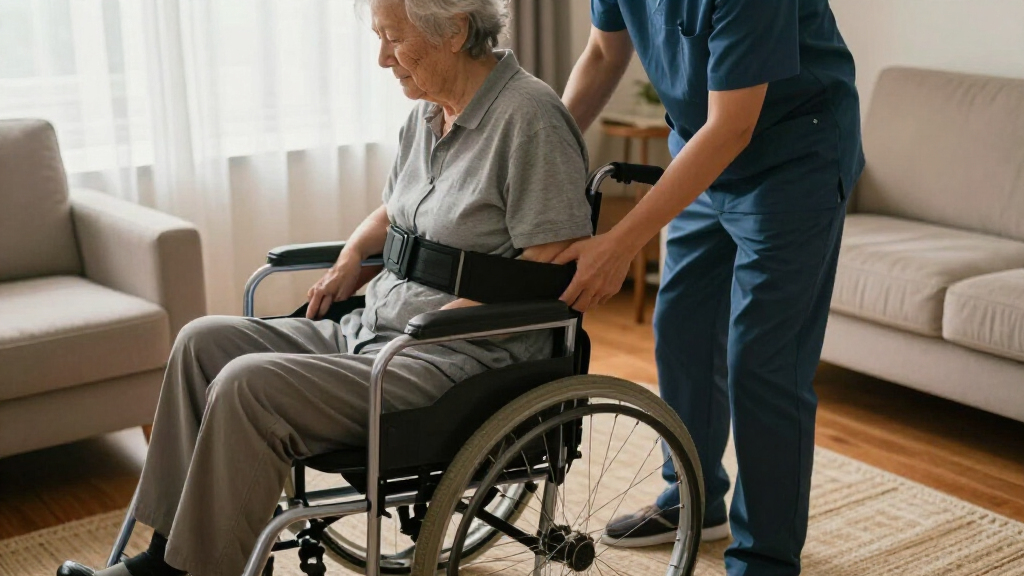
Equipment isn’t one-size-fits-all. The right tools depend on the person’s abilities, health conditions, and home setup. Common options include gait belts, transfer boards, sit-to-stand aids, and mechanical lifts.
For example, a gait belt can help stabilize someone who can bear weight but needs extra support. A transfer board aids sliding between surfaces when strength or balance is limited. Mechanical lifts are best for heavy or unpredictable transfers, especially if the caregiver’s strength isn’t enough.
Always use equipment that fits properly and follow manufacturer instructions. Regular checks for wear and tear—like frayed belts or loose parts—are also crucial. Properly maintained gear ensures safety and prolongs its lifespan. Choosing the right equipment is a tradeoff between safety, ease of use, and comfort; selecting inappropriate tools can increase the risk of injury or discomfort, so understanding the specific needs and limitations is essential for effective and safe transfers.
Be aware that the wrong equipment or improper use can lead to injuries or discomfort for both the caregiver and the person being transferred. For instance, using a transfer belt that is too loose may slip during the move, or a transfer board that is too narrow might cause instability. Therefore, matching equipment to the person’s size, strength, and mobility level is critical, and consulting with a professional or occupational therapist can help make the best choice. Additionally, investing in high-quality, well-maintained equipment reduces the likelihood of malfunctions that could compromise safety or cause delays during transfers.
As an affiliate, we earn on qualifying purchases.
Protect your body — Use proper body mechanics to stay safe
Caregivers often hurt their backs trying to lift or pull. The secret? Keep the person close, use a stable stance, and bend at the hips and knees—not the waist. Shift your weight smoothly and turn with your feet, not your torso.
For instance, when helping someone stand, stand close, lock your core, and push through your legs. Avoid pulling on their arms or shoulders—this can cause injuries for both of you. If the transfer involves heavy lifting, use mechanical aids or ask for help.
Manual lifting is risky, and improper body mechanics are a leading cause of caregiver injuries. Training in proper techniques and using assistive devices are critical because they directly reduce the strain on your muscles and joints. Without these precautions, repetitive strain injuries or acute back injuries become a real threat, impacting your ability to provide care long-term. Prioritizing proper body mechanics is a tradeoff that significantly lowers injury risk and ensures you can continue caring effectively without harm.
Respect independence and dignity — Make transfers a respectful partnership
Transfers are not just about moving someone—they’re about respecting their dignity. Always involve the person as much as possible. Use respectful language, offer choices, and explain each step before you do it.
For example, ask, “Would you like to hold onto my arm or use the grab bar?” and give them time to respond. Dress them in comfortable, easy-to-remove clothing. Protect privacy with curtains or doors but stay visible enough to monitor safety.
Encouraging participation helps maintain their sense of control and dignity. When the person is involved in the process, they feel more respected and less like a passive object. This participation fosters trust and cooperation, leading to smoother transfers and less resistance. A calm, respectful approach not only preserves dignity but also reduces anxiety and fear, improving overall safety and emotional well-being during transfers.
Frequently Asked Questions
How do I know whether one person can perform the transfer?
Follow the clinician’s assessment or written plan. If the person needs heavy lifting, is unpredictable, or cannot follow instructions reliably, a one-person transfer may be unsafe. Always prioritize safety over convenience.What is the safest transfer method?
There’s no one-size-fits-all answer. The safest method depends on the person’s strength, balance, medical restrictions, and available equipment. Consulting a professional ensures you choose the best approach.Should I use a gait belt every time?
Only when recommended by a clinician and you’ve been trained in its proper use. Certain conditions—like fragile skin or recent abdominal surgery—may require alternative methods.How often should equipment be checked?
Inspect equipment before each use and follow the manufacturer’s maintenance schedule. Look for signs of wear, damage, or missing parts to keep transfers safe.What if the person freezes or becomes frightened during a transfer?
Stay calm, provide stable support, and use simple cues. Recognize that fear or freezing can be caused by unfamiliarity or discomfort, so reassure and slow down. If they can’t continue safely, follow your backup plan and seek assistance. Never force a move, as this can cause injury or emotional distress, and address underlying causes like fear or pain to improve future transfers.Conclusion
A safe transfer routine isn’t just about following steps—it’s about creating a respectful, predictable process that protects both caregiver and person. Every move should prioritize safety, dignity, and independence.
Remember: Regular reassessment, environmental prep, and proper technique turn a daunting task into a manageable part of daily life. When in doubt, ask a professional for guidance. Your confidence and the person’s comfort grow with every well-planned transfer.
Flea & tick season Picks
flea and tick prevention
As an affiliate, we earn on qualifying purchases.