TL;DR
Open a free Amazon Business account
Business pricing, bulk buying and tax-exempt orders.
Create a free accountAs an affiliate, we earn on qualifying purchases.
A zero-gravity recliner supports your body in a position that reduces pressure and improves comfort. Focus on fit, adjustable features, and safety to find the best match for your needs.
Prioritize your body’s measurements over brand claims—fit is everything.
Independent backrest and legrest adjustments enable personalized comfort.
Durability and safety features—like strong frames and backup power—are worth the investment.
Consider your space carefully; wall-hugger models can save room.
Avoid getting distracted by bells and whistles; focus on what makes you comfortable and supported.
How to Choose a Zero-Gravity Recliner
A zero-gravity recliner supports your body in a position that reduces pressure and improves comfort. Focus on fit, adjustable features, and safety to find the best match for your needs — because not every chair claiming the “zero-gravity” label truly delivers the same benefits.
Find the Perfect Fit for Your Body
Chairs are rated for specific height and weight ranges. Measure your height, hip width, and leg length before shopping. The seat should let your feet rest flat on the footrest with knees bent at roughly 90 degrees, your lower back fully supported — no pressure behind the knees, no pinching at the hips. An ill-fitting chair can lead to muscle strain, poor circulation, or joint pain over time.
Check Rated Ranges
A model designed for someone 5’4″ will not comfortably support a 6’2″ individual. Always compare your height and build against the manufacturer’s recommended range.
Width & Depth Matter
A too-narrow seat causes discomfort; a too-wide one can lead to instability. Shoulders, back, and legs should all feel natural and cradled at once.
Weight Rating + 50–100 lbs
Choose a chair rated well above your weight rather than operating near its maximum. Extra headroom means longer frame and mechanism life.
Understanding True Zero-Gravity Positioning
“Zero gravity” isn’t a fixed angle — it’s a position where your legs are elevated near or above your heart, and your back is supported at a comfortable angle. Follow the chain to find your sweet spot:
Recline the Back
Lower the backrest to a supported, comfortable angle for your spine.
Elevate the Legs
Raise the footrest so knees sit near or slightly above heart level.
Align Thighs & Hips
Adjust until thighs, hips, and spine align naturally — like a NASA astronaut in training.
Release Pressure
Weight distributes evenly, taking strain off the lower back and joints.
Single-Motor or Dual-Motor?
Single-motor chairs move the backrest and footrest together — simple but less customizable. Dual-motor models allow independent adjustments: elevate your legs without tilting your back, or find the perfect angle for reading, sleeping, or side sitting. For users with mobility issues or specific needs, dual-motor chairs provide far more flexibility.
| Feature | Single Motor | Dual Motor |
|---|---|---|
| Control | Linked movement of back and legs | Independent back and leg adjustment |
| Flexibility | Less precise positioning | Customizable angles for different activities |
| Best for | Simple relaxing on a budget | Reading, sleeping, mobility limitations |
| Price | Typically cheaper | Usually more expensive but more versatile |
Worth It — and What’s Optional
Foam density, seat construction, and suspension often matter more than a long feature list. Very soft cushions may feel luxurious initially but compress sooner and provide inadequate support.
Potentially Valuable
- Independent back and leg adjustment
- Adjustable lumbar support
- Powered headrest
- Memory presets & one-touch zero-gravity button
- Lift assistance for easy entry and exit
- Battery backup for power outages
- Removable or replaceable components
Situational / Buyer Beware
- Heat and massage — nice for relaxation, but inexpensive “massage” systems underdeliver
- USB ports and side pockets — convenient, rarely decisive
- Leather upholstery — durable but expensive; can feel hot or cold
- Faux leather — easy to clean but may peel or crack over time
- Performance fabric — breathable and stain-resistant middle ground
Comfort, Not a Cure
Zero-gravity positioning may ease lower-back pressure, aid leg elevation, and promote relaxation — but a recliner is not a medical treatment, and comfort differs by individual.
Ask a healthcare professional first if you have recent surgery, severe circulation problems, heart or respiratory conditions, pressure-injury risk, or significant mobility limitations. Change position regularly, keep moving parts clear of children and pets, and avoid sleeping unattended in a chair unless advised otherwise. Test noise and motion before buying — stop-start movement or loud motors may indicate lower-quality hardware.
The Showroom Checklist
Take your time, measure carefully, and prioritize comfort and safety over bells and whistles.
Measure twice: available room clearance when the chair is fully reclined, plus front space for the footrest. Wall-hugger models need less rear clearance.
Verify fit: feet flat on the footrest, knees at ~90°, full lumbar contact, no pressure behind the knees.
Inspect the build: frame, motor, reclining mechanism, and warranty — not only the upholstery.
Check power: cord placement, battery backup to return upright during an outage, and availability of replacement motors.
Compare warranties: coverage for frame, mechanism, motor, electronics, upholstery, labor, and in-home service.
Review returns: mattress-style comfort guarantees are uncommon — read return fees carefully.
Frequently Asked Questions
Q1Is a zero-gravity recliner good for long-term back health?
Many find relief from pressure and tension in this position, but it’s not a substitute for medical advice. Proper fit and support matter most for comfort and posture over time.
Q2Can I use one if I have limited mobility?
Yes — especially models with power lift and simple controls. Look for chairs designed for accessibility, with easy-to-reach controls and smooth operation.
Q3How do I know if a chair will fit in my space?
Measure your room including clearance when fully reclined, and compare to the chair’s specifications. Wall-hugger models often need less space behind them.
Q4Are expensive models worth the extra cost?
Higher-priced chairs often feature stronger frames, quieter motors, and better materials — meaning longer life and more comfort. Weigh these against your specific needs and space.
Q5What maintenance is required?
Regularly check for loose screws, keep motors and moving parts free of dust, and follow manufacturer guidelines for upholstery cleaning. A well-maintained chair lasts longer and performs better.
How to Find the Perfect Fit for Your Body
When choosing a zero-gravity recliner, the first thing to consider is your body size. Chairs are rated for specific height and weight ranges. For example, a model designed for someone 5’4″ might not support a 6’2″ individual comfortably.
Measure your height, hip width, and leg length before shopping. The seat should allow your feet to rest flat on the footrest, with knees bent at roughly 90 degrees. Your lower back should be fully supported without pressure behind the knees or pinching at the hips.
Imagine sitting in a chair where your shoulders, back, and legs feel natural. That’s the goal. A too-narrow seat causes discomfort, while a too-wide one can lead to instability. Also, check weight limits—opting for a chair rated 50-100 pounds above your weight provides extra durability and peace of mind.
Choosing a chair that fits well isn’t just about comfort; it directly impacts your posture and long-term health. An ill-fitting chair can lead to muscle strain, poor circulation, or joint pain over time. The tradeoff is that a slightly more expensive, well-fitting chair might cost more initially but will save you discomfort and potential health issues in the long run.
As an affiliate, we earn on qualifying purchases.
Understanding True Zero-Gravity Positioning: Why It Matters
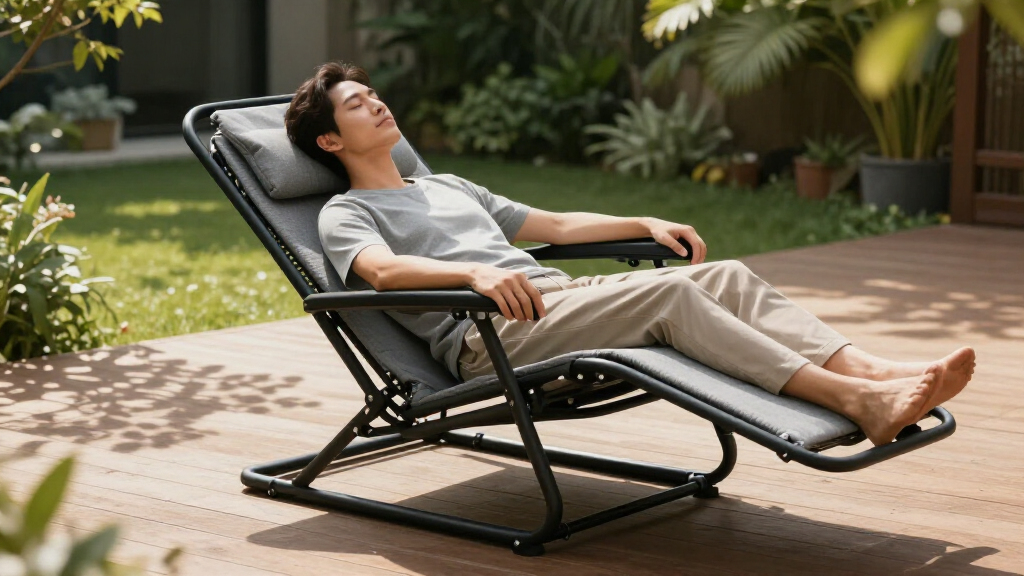
‘Zero gravity’ in recliners isn’t a fixed angle. Instead, it’s a position where your legs are elevated near or above your heart, and your back is supported at a comfortable angle. Look for models with independent backrest and footrest controls.
For example, some chairs elevate the legs but keep the back at an upright angle, which isn’t true zero gravity. The best chairs allow you to find that sweet spot—where your thighs, hips, and spine align naturally, reducing pressure and easing tension.
Imagine lying back with your knees slightly above your heart—like a NASA astronaut in training. This position helps distribute your weight evenly, taking strain off your lower back and joints, making it ideal for relaxation or even temporary relief from aches.
Understanding why true zero gravity matters is crucial. It’s not just about a cool label; this position optimizes spinal alignment and minimizes pressure points. The tradeoff for adjustable, independent controls is that they often come at a higher cost and complexity. But investing in this feature can significantly enhance comfort and health benefits, especially for those with back issues or circulation concerns.
As an affiliate, we earn on qualifying purchases.
Single-Motor or Dual-Motor? Which Controls Make Life Easier
Choosing between a single-motor and dual-motor zero-gravity recliner is about control and precision. A single-motor chair moves the backrest and footrest together—simple but less customizable.
Dual-motor models, however, allow independent adjustments. This means you can elevate your legs without tilting your back, or find the perfect angle for reading, sleeping, or side sitting.
Imagine reading in your chair—being able to raise your legs slightly while keeping your back upright offers better comfort. For users with mobility issues or specific needs, dual-motor chairs provide much more flexibility.
Choosing a dual-motor chair offers significant advantages for personalized comfort, especially if you have specific health concerns or preferences. The tradeoff is usually higher cost and more complex controls, which might intimidate less tech-savvy users. However, the investment can be worthwhile if it means better support and adaptability for your lifestyle.
| Feature | Single Motor | Dual Motor |
|---|---|---|
| Control | Linked movement of back and legs | Independent back and leg adjustment |
| Flexibility | Less precise positioning | Customizable angles for different activities |
| Price | Typically cheaper | Usually more expensive but more versatile |
Understanding these differences helps you weigh the importance of tailored support versus budget constraints. For many, the ability to independently adjust the back and legs enhances comfort and can reduce strain, making dual-motor models a smart investment despite the higher price.
adjustable zero gravity lounge chair
As an affiliate, we earn on qualifying purchases.
As an affiliate, we earn on qualifying purchases.
Frequently Asked Questions
Is a zero-gravity recliner good for long-term back health?
While many find relief from pressure and tension in this position, it’s not a substitute for medical advice. Proper fit and support matter most for comfort and posture over time.Can I use a zero-gravity recliner if I have limited mobility?
Yes, especially models with power lift and simple controls. Look for chairs designed for accessibility, with easy-to-reach controls and smooth operation.How do I know if a chair will fit in my space?
Measure your available room, including clearance when fully reclined. Always compare these dimensions to the chair’s specifications—wall-hugger models often need less space behind them.Are expensive models worth the extra cost?
Higher-priced chairs often feature stronger frames, quieter motors, and better materials, which can translate into longer life and more comfort. But always weigh these against your specific needs and space.What maintenance does a zero-gravity recliner require?
Regularly check for loose screws, keep motors and moving parts free of dust, and follow manufacturer guidelines for upholstery cleaning. A well-maintained chair lasts longer and performs better.As an affiliate, we earn on qualifying purchases.
Conclusion
Choosing a zero-gravity recliner isn’t about chasing the latest features; it’s about finding support that feels natural to your body. Take your time, measure carefully, and prioritize comfort and safety. Your perfect chair should become a trusted sanctuary, easing your daily life one comfortable moment at a time.Grilling season Picks
grills
As an affiliate, we earn on qualifying purchases.