TL;DR

Get everyday helpers delivered free with Prime
- Fast, free delivery on millions of items
- Prime Video, Amazon Music and more included
- Member-only deals all year
A raised toilet seat can improve safety and ease in the bathroom. Selecting the right one depends on height, type, safety features, and compatibility—this guide walks you through it all.
When you think about bathroom safety, a simple upgrade like a raised toilet seat might be all you need to regain confidence. It’s not just about height — it’s about feeling secure, comfortable, and in control when sitting or standing. Choosing the right seat can turn an everyday task into a moment of independence.
This guide breaks down what to look for, recent tech improvements, and how to match a seat to your specific needs. Whether for yourself or a loved one, understanding these key points will help you make a confident choice.
Measure from the floor to your knee or hip to find the ideal seat height—don’t guess.
Choose a seat type (removable, fixed, padded) based on your mobility needs and lifestyle.
Safety features like non-slip grips, locks, and armrests are essential for secure use.
Installation should be simple—look for models with quick-lock mechanisms and easy-to-clean surfaces.
Recent tech adds comfort and safety, from heating elements to smart sensors—consider these upgrades if suitable.
How to Pick the Perfect Height for Your Raised Toilet Seat
The first step is knowing the right height. A seat that’s too low makes sitting down hard, risking imbalance or falls; too high, and standing up can become strenuous or unstable. Measuring from the floor to your knee or hip is essential because it helps establish a comfortable, functional height that promotes safe sitting and standing motions. When the seat height aligns with your natural body mechanics, it reduces strain and the risk of falls.
For example, if your current toilet height causes discomfort or instability, a 3-inch raised seat might elevate you to a more ergonomic position. Adjustable models are especially valuable because they allow fine-tuning, accommodating changing needs or preferences. This flexibility can prevent awkward postures that lead to fatigue or injury over time.
Tip: Have someone assist in measuring or try different seat heights to find what feels most natural and secure. When in doubt, consulting a healthcare professional ensures your choice supports your specific mobility and safety needs, minimizing potential risks associated with incorrect height selection.
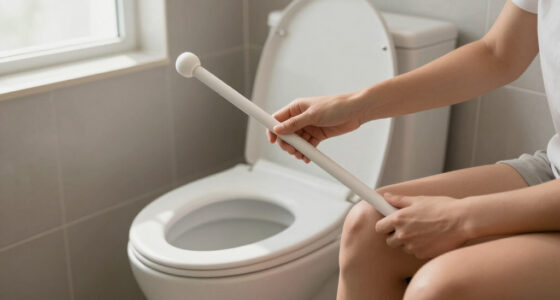
raised toilet seat with safety features
As an affiliate, we earn on qualifying purchases.
As an affiliate, we earn on qualifying purchases.
Choosing the Right Type of Raised Toilet Seat
Choosing the right type of raised toilet seat involves understanding how each design impacts daily use, safety, and convenience. Portable/removable seats offer flexibility, making them ideal for travel or occasional use, but they may lack the stability needed for frequent daily activities. Fixed seats, attached permanently, provide a more secure and durable solution, especially for those who need consistent support. Padded seats add an extra layer of comfort but may pose cleaning challenges or accumulate dirt if not designed with hygiene in mind.
Tradeoffs exist: portable seats are convenient but might compromise stability; fixed seats offer peace of mind but reduce flexibility. Padded options enhance comfort but require diligent cleaning to prevent bacteria buildup. The choice depends on your lifestyle, mobility level, and hygiene priorities. For example, a caregiver might prioritize removable seats for cleaning ease, while someone with severe mobility issues might prefer a fixed, sturdy model for safety.
Here’s a quick comparison:
| Type | Best For | Pros | Cons |
|---|---|---|---|
| Removable | Travel, easy cleaning | Lightweight, portable, easy to transfer | May lack stability without locking features, less secure during use |
| Fixed | Home, consistent support | Highly stable, durable, secure attachment | Less portable, installation required |
| Padded | Comfort, sensitive skin | Extra cushioning reduces pressure points | Can be more difficult to clean thoroughly, may trap bacteria if not designed properly |
adjustable toilet seat for elderly
As an affiliate, we earn on qualifying purchases.
As an affiliate, we earn on qualifying purchases.
Safety Features That Keep You Secure
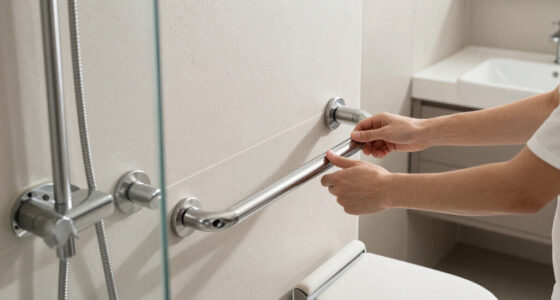
Safety isn’t just about comfort — it’s about preventing slips and falls, which can lead to serious injury, especially for elderly or mobility-impaired users. Features like non-slip pads and stable locking mechanisms ensure the seat stays firmly in place during use, reducing the risk of accidents. Armrests or handles provide critical leverage, giving users additional support when sitting down or standing up, which can be the difference between safety and a fall.
For example, rubber grips on the base create friction with the floor, even if the surface is wet or uneven. Armrests can serve as safety rails, especially for users with weak legs or balance issues, helping them push up with less risk of losing balance. Regularly inspecting these safety features for wear or looseness is vital, as compromised parts diminish overall security.
Implications: Choosing a seat with these safety features isn’t just about comfort; it’s a preventative measure that can significantly reduce accident risk. The tradeoff might be slightly increased cost or complexity, but the safety benefits far outweigh these considerations, especially for vulnerable users.
As an affiliate, we earn on qualifying purchases.
How to Install and Maintain Your Raised Toilet Seat
Most seats are designed for straightforward installation, often without tools, but understanding the mechanics helps ensure safety. Proper installation involves securely fitting the seat onto the toilet bowl and engaging locking mechanisms to prevent movement during use. For example, quick-lock clamps that tighten with a simple turn provide both ease and security, reducing the likelihood of the seat shifting or detaching unexpectedly.
Maintenance is crucial for safety and longevity. Regularly wiping down the seat with disinfectant prevents bacterial buildup and maintains hygiene. Removing the seat periodically for thorough cleaning allows you to inspect for cracks, loose parts, or wear, which if ignored, could compromise safety. Checking locking mechanisms monthly ensures they stay tight and secure, preventing accidental dislodging.
Tip: Following manufacturer instructions meticulously not only preserves the integrity of the product but also ensures it performs as intended, reducing safety risks. Proper maintenance extends the lifespan of your seat and keeps it safe for daily use, providing peace of mind.
As an affiliate, we earn on qualifying purchases.
Latest Innovations Making Raised Seats Safer and Smarter
Technology is transforming raised toilet seats from simple comfort aids into sophisticated safety and convenience tools. Recent seats feature ergonomic designs that better conform to the body, reducing pressure points and discomfort. Antimicrobial surfaces help prevent bacterial growth, making hygiene easier and more effective. Adjustable heights and angles allow users to customize the fit, improving safety and comfort for diverse body types and needs.
Innovations like built-in bidets, heating elements, and smart sensors enhance user experience. For instance, heating features can warm the seat during cold months, making sitting down more comfortable and reducing muscle strain. Smart models equipped with sensors can alert caregivers if a user needs assistance, adding a layer of safety for those with severe mobility challenges. These technological advancements are not just luxury features—they can prevent accidents, promote hygiene, and support independence.
Eco-friendly materials are increasingly used, balancing durability with environmental responsibility. By choosing these innovations, users benefit from improved safety, hygiene, and comfort, often with minimal additional maintenance or complexity.
Matching Your Needs with the Right Seat Features
Every user has unique needs that influence their ideal seat choice. For instance, if balance is a concern, selecting a seat with sturdy armrests and a non-slip base becomes essential, as these features provide critical support during sitting and standing, reducing the risk of falls. For users with skin sensitivities or prone to pressure sores, padded or antimicrobial seats can prevent discomfort and infections, supporting long-term skin health.
Additionally, considering the shape and size of your toilet is vital. Round bowls may require different seat dimensions compared to elongated ones, affecting comfort and stability. Heavy-duty models supporting up to 300 lbs or more are available for users needing extra stability, especially those with significant weight or strength concerns. Choosing the right features ensures the seat complements your physical abilities and bathroom setup, promoting safety and independence.
Example: An elderly person with arthritis might prioritize a seat with a 4-inch height increase, padded surface, and arm support. This combination minimizes joint strain and provides extra leverage, making sitting and standing safer and less painful. Understanding these tradeoffs helps tailor your choice to your specific health and mobility profile, maximizing safety and comfort.
Frequently Asked Questions
How do I determine the right height for my raised toilet seat?
Measure from the floor to your knee or hip—aim for a height that keeps your thighs parallel to the ground when seated. If unsure, consult a healthcare provider for personalized guidance.
Are raised toilet seats compatible with all toilets?
Most are designed for standard round or elongated bowls. Always check the product specifications for compatibility with your toilet shape and size before purchasing.
Can I use a raised toilet seat if I have limited strength or balance?
Yes, but opt for models with armrests, handles, or extra support features. For added safety, consult a healthcare professional to find the best option for your situation.
How often should I clean my raised toilet seat?
Wipe it down daily with disinfectant and remove the seat periodically for thorough cleaning. Regular maintenance helps keep it hygienic and in good condition.
What’s the difference between a raised seat and a commode chair?
A raised seat attaches to your existing toilet, while a commode is a portable chair with a built-in or removable container, offering more independence in certain situations.
Conclusion
Picking a raised toilet seat isn’t just about adding height — it’s about reclaiming your confidence and independence in one of the most private spaces. Focus on safety, comfort, and compatibility, and you’ll find the perfect fit.
Remember, small adjustments lead to big gains in safety and ease. When in doubt, ask a healthcare professional — your bathroom should be a place of comfort, not worry.
Halloween Picks
halloween
As an affiliate, we earn on qualifying purchases.