
TL;DR

Get everyday helpers delivered free with Prime
- Fast, free delivery on millions of items
- Prime Video, Amazon Music and more included
- Member-only deals all year
Many older homes feel increasingly hot each year due to aging insulation, deteriorating seals, leaky ducts, and climate change. Experts recommend upgrades and maintenance to restore comfort.
Many homeowners are noticing their houses feel hotter each year, especially during summer, but the cause is often linked to aging components within the home rather than just external heat or climate change. Experts confirm that deterioration in insulation, seals, ductwork, and HVAC systems significantly contribute to increased indoor temperatures, leading to higher energy bills and discomfort.
According to Lane Martin, co-founder of Modern PURAIR, the primary reason homes feel hotter over time is due to the deterioration of internal components like insulation and seals. As insulation ages, it compresses or breaks down, allowing external heat to penetrate and trapping humidity inside, which forces air conditioning systems to work harder.
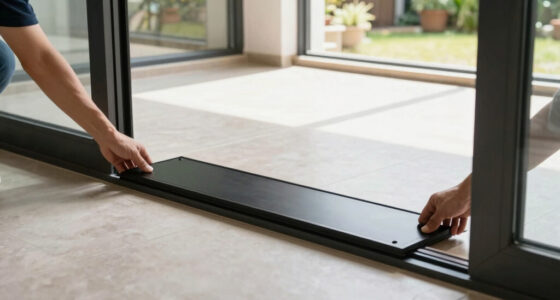
Similarly, old caulk and weatherstripping around windows and doors develop cracks, creating gaps that let in warm air and let cooled air escape. This results in temperature fluctuations and increased energy consumption. HVAC ductwork can also develop leaks or become disconnected, causing cooled air to escape into unconditioned spaces, often from hot attics or crawl spaces, further reducing efficiency.
Older HVAC units tend to lose efficiency due to dirty coils, low refrigerant, or worn parts, which diminishes their ability to cool effectively. Climate change, with rising outdoor temperatures and longer heatwaves, exacerbates these issues, making even well-maintained systems struggle during peak heat periods.
Impacts of Aging Components on Home Comfort and Energy Bills
This issue matters because it directly affects indoor comfort, energy costs, and the lifespan of HVAC systems. As homes get hotter internally, homeowners face higher cooling bills and increased wear on their systems, potentially leading to costly replacements. Addressing these hidden issues can improve comfort, reduce energy consumption, and extend the life of existing equipment.
insulation upgrade for older homes
As an affiliate, we earn on qualifying purchases.
As an affiliate, we earn on qualifying purchases.
How Aging Homes and Climate Change Amplify Heating Problems
Over the past decades, homes have aged without consistent upgrades, leading to degraded insulation, seals, and ductwork. Many older homes were built with less efficient materials, and their components deteriorate over time. Concurrently, rising outdoor temperatures and longer heatwaves mean HVAC systems are under increased stress, even if they are relatively new. Routine maintenance and upgrades are increasingly necessary to keep homes comfortable.
“Over the years, houses deteriorate, which can make them feel hotter. Often it’s a combination of small issues that have built up, forcing the HVAC system to work harder.”
— Lane Martin, Modern PURAIR
weatherstripping and caulk for windows and doors
As an affiliate, we earn on qualifying purchases.
As an affiliate, we earn on qualifying purchases.
Remaining Questions About Home Cooling Challenges
While experts agree on the main causes, it is still unclear how much each factor—aging insulation, leaks, climate change—contributes to the increased heat perception in different homes. The effectiveness of specific upgrades can vary based on home design and local climate conditions. Additionally, the long-term impact of climate change on residential cooling needs is still being studied.
As an affiliate, we earn on qualifying purchases.
Next Steps for Homeowners Facing Rising Indoor Temperatures
Homeowners are advised to conduct thorough inspections of insulation, seals, and ductwork and consider professional upgrades. Routine HVAC maintenance, including coil cleaning and refrigerant checks, can improve efficiency. Future developments may include smarter home insulation and sealing technologies, as well as climate-adaptive HVAC systems designed for changing weather patterns.
As an affiliate, we earn on qualifying purchases.
Key Questions
How can I tell if my insulation needs replacing?
Look for signs like uneven temperatures, drafts near windows and doors, or consult a professional for an insulation assessment. Upgrading insulation to modern R-values can significantly improve indoor comfort.
What are the most cost-effective fixes for a leaky duct system?
Sealing duct leaks with professional-grade mastic or foil tape and adding insulation to ducts in hot spaces are effective and affordable solutions. Regular inspections can prevent energy waste.
Does climate change mean I need a new HVAC system?
Not necessarily. Upgrading existing systems, improving insulation, and sealing leaks can extend the life of current units. However, in some cases, a new, climate-adapted system may be advisable for long-term efficiency.
Source: Bob Vila
Halloween Picks
halloween
As an affiliate, we earn on qualifying purchases.