
TL;DR

Get everyday helpers delivered free with Prime
- Fast, free delivery on millions of items
- Prime Video, Amazon Music and more included
- Member-only deals all year
Anti-scald fixtures prevent water burns by controlling temperature. Modern options include smart controls and durable materials, making homes safer for all ages. Regular maintenance is key.
Choose fixtures with built-in thermostatic or pressure-balancing controls to ensure consistent, safe water temperature.
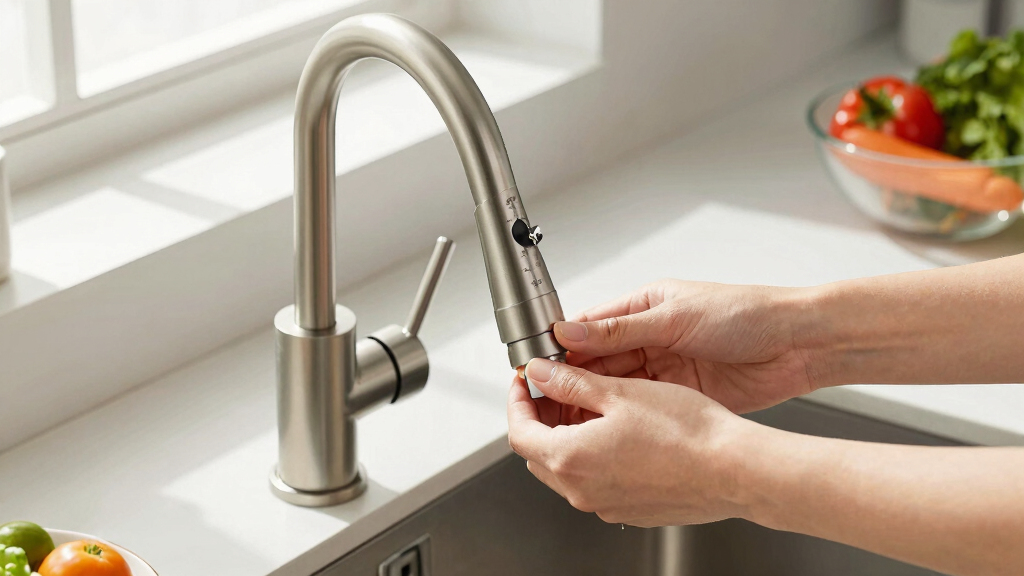
Opt for fixtures that are easy to operate, especially for children and seniors, like lever handles or touchless controls.
Stay updated on recent smart tech innovations that allow remote control and monitoring of water temperature for added safety.
Regularly inspect and maintain anti-scald devices at least once a year to keep them functioning properly.
Professional installation ensures your anti-scald fixtures work flawlessly and meet safety standards.
Choosing Anti-Scald Fixtures for the Home
Anti-scald fixtures control sudden temperature spikes before they become burns. The best choice combines a dependable valve, an accessible control, correct calibration, and regular maintenance—protecting children, seniors, and everyone in between.
What makes a fixture truly safe?
A reliable fixture does more than feel comfortable. It actively limits temperature, reacts to changing supply conditions, and makes safe operation easy to understand.
Built-in limiting
A preset limiter or thermostatic control prevents the outlet from exceeding the selected maximum. Around 120°F / 49°C is a common household safety target.
Stable under demand
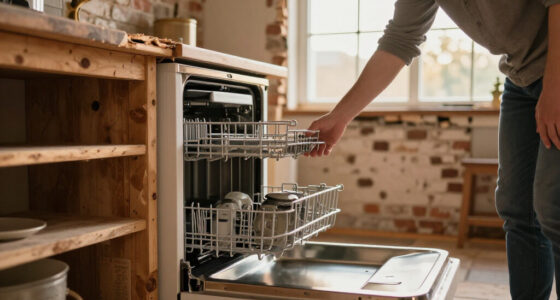
The valve should compensate when a toilet flushes, a dishwasher starts, or another tap opens—avoiding the sudden hot-water surge that causes scalds.
Clear, accessible control
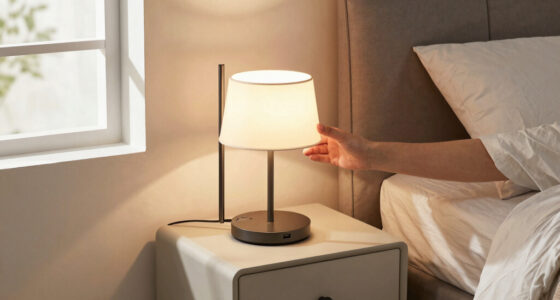
Lever handles, easy-turn controls, readable settings, and touchless options reduce accidental misadjustment and help users with limited strength or dexterity.
Above this point, burn risk accelerates—particularly for children, older adults, and people with reduced sensation or mobility.
Which valve fits your home?
Thermostatic valves provide tighter temperature control. Pressure-balancing valves are often simpler to retrofit and protect against pressure-driven temperature swings.
| Decision factor | Thermostatic mixing valve | Pressure-balancing valve |
|---|---|---|
| Core action | Mixes hot and cold water to hold a preset outlet temperature. | Adjusts flow balance when hot or cold supply pressure changes. |
| Temperature precision | ✓High | ~Moderate |
| Pressure fluctuation protection | ✓Strong | ✓Strong |
| Best applications | Whole-house systems, showers, tubs, vulnerable users. | Showers and faucets in homes with variable water pressure. |
| Retrofit simplicity | ~Plumbing review advised | ✓Often easier |
| Tradeoff | Higher cost and more precise calibration. | ✗Does not regulate temperature as precisely. |
Maximum consistency matters
Prioritize this option for children, seniors, multi-user bathrooms, fluctuating demand, or any application where precise temperature control is essential.
A practical retrofit is needed
This can be a cost-conscious upgrade when pressure changes are the main concern—provided the water heater and fixture limit are set carefully.
Build the right safety package
The valve is only one part of the decision. Match it to the people, plumbing, controls, standards, and maintenance capabilities in your household.
Start with who needs protection
Children, seniors, disabled users, and people with limited dexterity benefit most from simple controls and firm temperature limits.
Verify compatibility first
Confirm valve size, flow requirements, water pressure, access, and whether the existing fixture can accept a retrofit device.
Choose manual or connected
Smart systems can set maximums, monitor temperature, and issue alerts. Manual systems remain effective when correctly installed and calibrated.
Use professional setup for certainty
Correct installation protects accuracy, prevents leaks, supports code compliance, and ensures safety features respond as designed.
From incoming water to safer everyday use
Keep the protection working
Mineral buildup, worn components, corrosion, and accidental setting changes can reduce performance. A simple annual routine helps keep the safety threshold dependable.
Every year
Inspect more often if temperature becomes inconsistent, the control is difficult to operate, plumbing work has been completed, or vulnerable residents depend on the fixture.
Measure the outlet temperature
Let the water stabilize and confirm that the maximum setting remains within the intended safe range.
Test under changing demand
Check performance while another fixture operates to reveal unsafe spikes caused by pressure or flow changes.
Inspect for wear and corrosion
Look for leaks, stiffness, mineral deposits, damaged seals, loose handles, or declining temperature stability.
Recalibrate or replace parts
Use manufacturer guidance or a qualified plumber when settings drift or the fixture no longer responds reliably.
Safe by design, dependable through upkeep
Choose thermostatic or pressure-balancing protection, prioritize accessible controls, verify recognized safety standards, install it correctly, and test it annually.
What Makes an Anti-Scald Fixture Truly Safe?
Anti-scald fixtures are designed to prevent water from reaching dangerously high temperatures that can cause burns. A good fixture incorporates a temperature limiter or thermostatic control set around 120°F, which is the threshold beyond which burns can occur within seconds, especially in sensitive individuals. The significance of this feature lies in its ability to maintain a consistent, safe water temperature regardless of pressure fluctuations or sudden demand changes. For example, a thermostatic valve responds instantly to pressure drops or surges, adjusting hot and cold water mixes to prevent dangerous spikes. This means that if someone flushes a toilet or uses another fixture elsewhere, the fixture still delivers safe water, avoiding accidental scalds. The tradeoff is that these systems may require more precise installation and calibration but offer a higher level of safety. Choosing a fixture with an easy-to-set and read temperature limiter ensures that safety is straightforward to maintain, reducing human error and making hot water safer for children, seniors, and everyone in between.
anti-scald shower valve with temperature limiter
As an affiliate, we earn on qualifying purchases.
As an affiliate, we earn on qualifying purchases.
Different Types of Anti-Scald Devices — Which One Fits Your Home?
| Type of Device | How It Works | Best For |
|---|---|---|
| Thermostatic Mixing Valve | Automatically adjusts water temperature by mixing hot and cold water to a preset limit, maintaining consistent and safe output even when pressure or flow changes occur. This precision helps prevent accidental burns caused by sudden temperature spikes, especially in homes with fluctuating water pressure or multiple fixtures running simultaneously. | Whole-house safety, showers, tubs |
| Pressure-Balancing Valve | Maintains a steady water temperature by compensating for pressure fluctuations in the supply lines. While effective at preventing sudden cold shocks or scalds due to pressure drops, it doesn’t control temperature as precisely as thermostatic valves, which means some risk remains if hot water is set too high initially. | Faucets, showers where pressure varies |
For example, installing a thermostatic valve in your master bathroom ensures that even if someone flushes a toilet or starts a dishwasher elsewhere, your shower’s water remains at a safe, consistent temperature. This reduces the risk of accidental burns, especially for vulnerable populations. Conversely, pressure-balancing valves are more affordable and easier to retrofit but may not offer the same level of precise temperature control, meaning you should set your hot water heater carefully. Matching the device to your home’s plumbing needs involves considering the specific risks and flow patterns in your household, ensuring safety without sacrificing comfort or convenience.
smart anti-scald water temperature controller
As an affiliate, we earn on qualifying purchases.
As an affiliate, we earn on qualifying purchases.
How to Pick the Most User-Friendly Anti-Scald Fixture
- Assess who will use the fixture — kids, seniors, or everyone? Look for lever handles, touchless controls, or easy-turn knobs. These features reduce the chance of accidental misadjustments, which can lead to burns. For example, lever handles are easier for people with limited dexterity, and touchless fixtures minimize contact, reducing contamination and accidental temperature changes.
- Check if the fixture is compatible with your plumbing and whether professional installation is needed. Proper installation ensures the safety features function correctly, preventing issues like leaks or inaccurate temperature regulation that could compromise safety.
- Look for safety certifications like ASSE 1016 or ASSE 1070 — these standards confirm the fixture has been tested and meets strict safety criteria, including temperature accuracy and durability.
- Decide if you want manual control or a digital/connected system. Smart fixtures allow you to set, adjust, and monitor water temperature via an app, providing real-time control and alerts if temperatures approach unsafe levels. This technology is especially useful for households with children or seniors, providing peace of mind and additional safety checks.
For instance, a touchless faucet equipped with a safety limiter can prevent accidental scalds during handwashing, particularly for children and elderly residents. Prioritizing ease of use and safety certifications ensures everyone can operate the fixture confidently, reducing the risk of burns caused by human error or device malfunction.
As an affiliate, we earn on qualifying purchases.
The Latest in Anti-Scald Tech — What’s New and Why It Matters
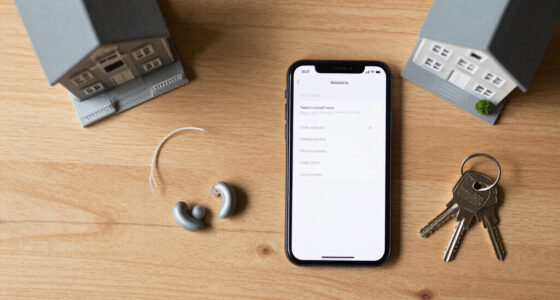
Modern anti-scald fixtures now incorporate smart technology that allows you to control and monitor water temperature remotely via smartphone apps or integrated home systems. This capability provides an extra layer of safety by enabling you to set maximum temperature limits and receive alerts if the system detects anomalies, such as overheating or malfunction. For example, a smart shower system can be programmed to never exceed 120°F, and if it detects a temperature spike, it sends an alert to your phone, prompting immediate action. Recent advances in materials, such as corrosion-resistant composites and durable finishes, extend the lifespan of fixtures and reduce maintenance costs. These materials are less susceptible to wear and corrosion, ensuring consistent safety performance over time. Additionally, sleek designs and finishes allow these fixtures to seamlessly integrate into modern bathrooms without sacrificing aesthetic appeal. Building codes increasingly mandate the use of anti-scald devices, making these upgrades not just optional but often legally required in new constructions or renovations. Upgrading to these smart, durable fixtures enhances safety, simplifies maintenance, and elevates bathroom aesthetics, offering both peace of mind and a touch of luxury.
As an affiliate, we earn on qualifying purchases.
Maintaining and Checking Your Anti-Scald Devices — Keep Safety Tight
Proper maintenance is essential for ensuring your anti-scald fixtures continue to operate effectively. Regularly inspecting the temperature limiter or thermostat settings—ideally at least once a year—helps confirm that safety thresholds remain accurate. If you notice inconsistent water temperature, difficulty adjusting the device, or a decline in performance, it indicates that calibration or parts replacement may be necessary. For example, in homes with children or elderly residents, annual checks can prevent safety lapses that might lead to burns. Visual inspections for corrosion, leaks, or worn components are critical because these issues can compromise the device’s ability to regulate temperature properly. Following the manufacturer’s instructions for cleaning and servicing is vital, especially for electronic or smart fixtures, which may require firmware updates or specialized calibration. Scheduling professional inspections periodically ensures that complex components are functioning correctly, and safety features are calibrated to the correct settings. Consistent, proactive maintenance not only preserves safety but also extends the lifespan of your fixtures, preventing costly repairs and ensuring peace of mind for your household.
Are Anti-Scald Fixtures Hard to Install? What You Need to Know
Installing anti-scald fixtures can vary in complexity depending on your home’s plumbing configuration. Many modern models are designed for retrofit, allowing you to replace existing fixtures without extensive plumbing work. This makes upgrading feasible for homeowners with basic DIY skills, especially when replacing standard shower valves with thermostatic or pressure-balancing models. However, for optimal safety, performance, and compliance with local codes, professional installation is highly recommended. A licensed plumber can ensure that the device is correctly installed, calibrated, and integrated into your existing system, minimizing the risk of leaks, improper function, or safety failures. For example, improper installation of a thermostatic valve can result in inaccurate temperature regulation, which defeats the purpose of having anti-scald features. While some homeowners may choose to undertake the installation themselves to save costs, the complexity and critical safety implications make professional help a worthwhile investment. Remember, proper installation is the foundation of effective safety—cutting corners here can lead to serious risks later.
What About Cost? Is It Worth Investing in Anti-Scald Tech?
Costs for anti-scald fixtures can range from under $100 for basic pressure-balancing valves to over $500 for advanced smart systems with digital controls and remote monitoring. While the initial expenditure might seem significant, it’s crucial to consider the long-term safety benefits. Burns caused by hot water can lead to severe injuries, requiring medical treatment, and in some cases, long-term disability. According to safety studies, the implementation of anti-scald devices can reduce burn incidents by over 80%, significantly decreasing potential medical costs and emotional trauma. Think of this investment as purchasing peace of mind—protecting your loved ones from preventable accidents. The true value of these fixtures lies in their ability to prevent injuries that could have lifelong consequences, outweighing the upfront costs. In the context of overall household safety, spending a bit more on reliable, effective anti-scald technology is a wise decision that can save you from far greater expenses—both financial and emotional—down the line.
Frequently Asked Questions
How do I know if my current fixtures are anti-scald?
Look for fixtures labeled with safety standards like ASSE 1016 or ASSE 1070. If they have a thermostat or a limiter setting, they likely are. If unsure, a professional plumber can verify and upgrade your fixtures if needed.Can I install anti-scald fixtures myself?
Some simple models, like pressure-balancing valves, can be installed with basic plumbing skills. However, for thermostatic or digital smart fixtures, professional installation ensures proper setup and safety compliance.How often should I check or replace my anti-scald device?
Inspect your fixtures annually, especially if you have children or elderly residents. Replace or recalibrate if you notice inconsistent temperature or mechanical issues to maintain safety.Are smart anti-scald fixtures worth the extra cost?
Yes — they offer precise control, remote monitoring, and alerts that traditional fixtures can’t. The added safety and convenience often justify the higher investment, especially in homes with vulnerable individuals.Conclusion
A simple upgrade to anti-scald fixtures can dramatically reduce burn risks in your home. Think of it as installing a silent guardian that protects everyone, day and night. When you prioritize safety with the right technology, you create a safer, more confident space for your loved ones to enjoy daily routines.Halloween Picks
halloween
As an affiliate, we earn on qualifying purchases.