
TL;DR

Get everyday helpers delivered free with Prime
- Fast, free delivery on millions of items
- Prime Video, Amazon Music and more included
- Member-only deals all year
The key to staying active after an injury is selecting the right equipment to support safe, gradual movement. Supportive gear helps maintain fitness and confidence, but always follow medical advice first.
When you’re healing from an injury, it’s tempting to jump back into movement. But without the right gear, you risk setbacks or worsening symptoms. The goal isn’t just to stay active—it’s to do so safely, supporting your body’s recovery process.
Choosing the proper equipment can make a real difference. It provides support, stability, and confidence, helping you move forward without pushing too hard. This guide walks you through the essential gear to consider, so your return to activity is steady and secure.
Properly fitted support gear enhances stability and confidence but should never mask worsening symptoms.
Choose footwear carefully—supportive, activity-specific shoes are key, and sudden changes can cause setbacks.
Low-impact cardio like swimming or recumbent cycling keeps you active without risking injury aggravation.
Use strength and balance tools progressively, starting near support and advancing as your body adapts.
Monitoring devices support safe progression but should be used alongside symptom awareness and professional advice.
Staying Active After an Injury: Gear to Consider
The right equipment can support stability, confidence, and a gradual return to movement. It cannot diagnose an injury, replace rehabilitation, or make worsening symptoms safe to ignore.
Six gear categories, one purpose
Choose equipment that enables normal, controlled, pain-aware movement. Fit, comfort, stability, and gradual adaptation matter more than marketing claims or advanced features.
Protection & stability
Braces and tape can improve feedback or confidence, but they should complement a rehabilitation plan.
- Injury-specific braces
- Tape and compression sleeves
- Prescribed boots, crutches, or canes
Footwear & inserts
Use supportive, activity-appropriate shoes and adapt gradually when changing cushioning, heel height, or structure.
- Well-fitting replacement shoes
- Prescribed orthotics or heel lifts
- Trekking poles for walking stability
Low-impact movement
Maintain cardiovascular fitness without repeatedly stressing the injured area.
- Stationary or recumbent bicycle
- Pool belt or aquatic dumbbells
- Elliptical or upper-body ergometer
Strength & mobility
Begin with stable, controllable resistance and add complexity only as strength and movement quality return.
- Resistance bands and light weights
- Exercise mat and step platform
- Foam roller or massage ball
Balance training
Balance pads and wobble boards can rebuild lower-limb control, especially after ankle or knee injuries.
- Start beside a firm support
- Prioritize alignment over duration
- Advance one variable at a time
Monitoring tools
Use trends to guide questions and workload decisions—not as diagnoses or automatic permission to train.
- Heart-rate and activity trackers
- Training logs or rehabilitation apps
- Smart insoles when clinically useful
Stop using it and seek fitting advice if circulation, sensation, pain, or movement becomes worse.
Progress is a sequence, not a leap
Clear milestones help reduce fear of reinjury and keep enthusiasm from outrunning tissue recovery. The exact timing depends on the diagnosis and professional guidance.
Protect
Confirm the injury, respect restrictions, and use prescribed aids.
Restore motion
Reintroduce comfortable range and basic daily movement.
Rebuild capacity
Add controlled strength, mobility, and low-impact cardio.
Challenge control
Progress balance, speed, resistance, and movement complexity.
Return to activity
Introduce sport-specific drills before unrestricted participation.
Read the response to load
A device can count the work. Your symptoms reveal how your body handled it.
A practical selection matrix
No single tool suits every injury. Use this comparison to identify useful starting points, then confirm compatibility with your healthcare professional.
| Gear option | Primary role | Best use | Main caution | Verdict |
|---|---|---|---|---|
| Fitted brace | Support and joint feedback | Injury-specific movement | Poor fit may affect circulation | ✓ Strong option |
| Activity-specific shoes | Comfort and load distribution | Walking or controlled training | Abrupt changes may create new strain | ✓ Foundation |
| Recumbent bicycle | Controlled low-impact cardio | When cycling motion is pain-free | Seat position changes joint load | ✓ Often useful |
| Wobble board | Balance and proprioception | Later-stage lower-limb rehab | Use beside support at first | ~ Progress slowly |
| Smartwatch | Workload and heart-rate trends | Tracking patterns over time | Readiness scores are not diagnoses | ~ Guide only |
| Blood-flow restriction cuffs | Low-load muscle stimulus | Selected clinical rehabilitation | Requires trained supervision | ✗ Do not self-prescribe |
Manage discomfort without masking the message
Cold, heat, compression, and massage products may make movement more comfortable. They remain symptom-management tools—not cures or substitutes for diagnosis.
Cold after a flare
May temporarily reduce pain after an acute aggravation. Wrap the pack, check the skin, and avoid prolonged exposure.
Heat before mobility
May ease stiffness before stretching or exercise. Avoid areas with impaired sensation, circulation problems, or acute swelling.
Massage and compression
Begin gently. Stop if bruising, numbness, swelling, or pain increases, and follow device-specific medical guidance.
From signal to safer action
The strongest recovery decisions connect what happened, what you used, how much you did, and how your body responded afterward.
How soon can exercise restart?
It depends on the injury. Mild sprains may allow early gentle movement, while fractures, surgery, concussion, or major trauma require specific restrictions and medical clearance.
Is some pain acceptable?
Mild discomfort that settles quickly may sometimes occur in rehabilitation. Stop for sharp, increasing, movement-altering, or next-day-worsening pain.
Should a brace be worn all day?
Only when advised. Unnecessary dependence can limit normal movement or delay rebuilding capacity. Follow the prescribed purpose and schedule.
What if a tracker says recovery is good?
Treat the reading as one data point. Symptoms, movement quality, injury restrictions, and professional guidance take priority over a readiness score.
Gear supports recovery. Judgment directs it.
How to Choose Support and Protection That Actually Helps
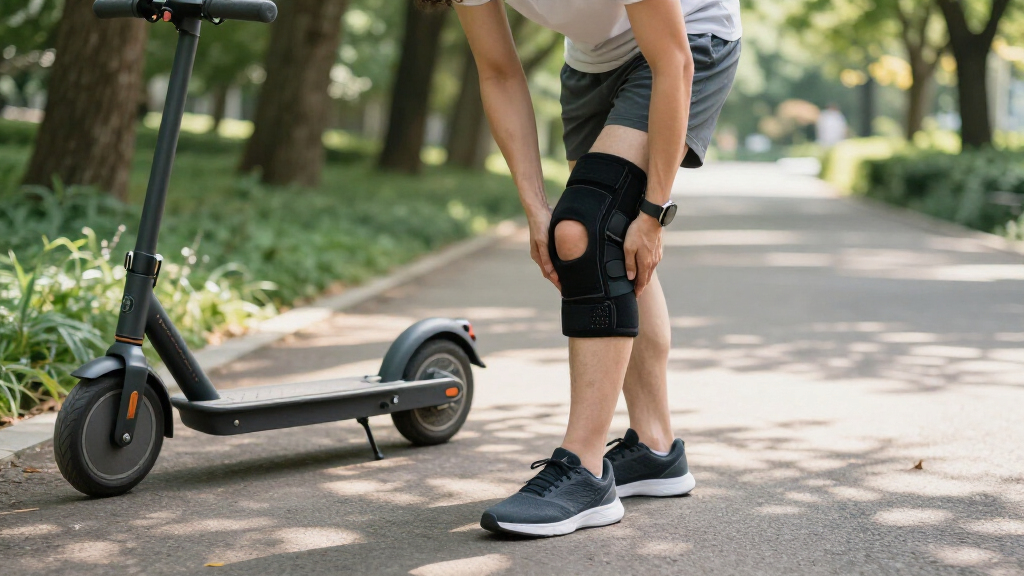
Support gear isn’t just about wrapping up—it’s about fitting well and matching your injury. Well-fitting braces, tape, or compression garments can improve stability and feedback. But if they cause numbness, tingling, or swelling, they’re doing more harm than good.
For example, a sprained ankle might benefit from a custom-fit ankle brace that provides support without restricting circulation. Using athletic tape can give feedback during movement, but it won’t fix the underlying issue. Always consult a professional to find the right fit and type.
Remember, support gear should complement your rehab plan, not replace it. It’s a safety net—not a cure-all.
supportive injury recovery knee brace
As an affiliate, we earn on qualifying purchases.
As an affiliate, we earn on qualifying purchases.
Footwear and Load Management: Why Your Shoes Matter After Injury
Your shoes are more than just a comfort choice—they’re critical to recovery. Supportive, activity-appropriate footwear can reduce strain on healing tissues. Conversely, worn-out shoes or those with poor fit can undo your progress.
For instance, switching from worn running shoes to a pair with better cushioning and arch support during rehab can make a noticeable difference. Orthotics or insoles prescribed by a professional can correct biomechanical issues, helping avoid compensatory injuries.
Use this simple rule: comfort, fit, and stability matter more than marketing claims. Change your shoes gradually, and avoid abrupt switchovers that can cause new problems.
activity-specific supportive shoes for injury
As an affiliate, we earn on qualifying purchases.
As an affiliate, we earn on qualifying purchases.
Low-Impact Cardio Equipment That Keeps You Moving Without Reinjury
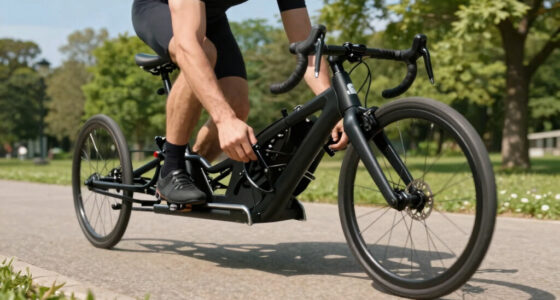
When healing, you need to keep your heart and muscles active without stressing the injured area. Low-impact cardio options like stationary bikes, swimming, or rowing offer controlled movement that minimizes load.
Imagine recovering from a knee sprain: swimming laps or using a recumbent bike can keep you active without jarring your joint. An aquatic environment also reduces gravity’s pull, easing pain and swelling.
The key? Pick equipment that aligns with your injury. The best option is one that allows movement without pain or discomfort, supporting your recovery instead of hindering it.
low-impact exercise equipment for rehabilitation
As an affiliate, we earn on qualifying purchases.
As an affiliate, we earn on qualifying purchases.
Strength, Balance, and Mobility Tools That Accelerate Healing
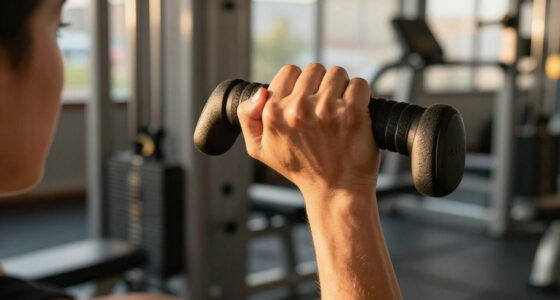
Rebuilding strength and stability is crucial after injury. Using resistance bands, light dumbbells, or balance pads can help you regain control and confidence. These tools are especially useful for ankle, knee, or shoulder rehab.
For example, a person recovering from an ankle sprain might use a wobble board to improve balance, gradually progressing from support to independent use. Foam rollers and massage balls can also help reduce stiffness and promote circulation.
Start with simple, stable exercises, then add challenge as your body allows. Unstable surfaces are effective but should be used near support until your confidence and strength grow.
Choosing the right tools matters because they influence how effectively you rebuild functional strength. Overly advanced or unstable equipment too early can risk re-injury or setbacks, so progress gradually.
balance and stability training tools
As an affiliate, we earn on qualifying purchases.
As an affiliate, we earn on qualifying purchases.
Monitoring Tools That Keep Your Progress on Track
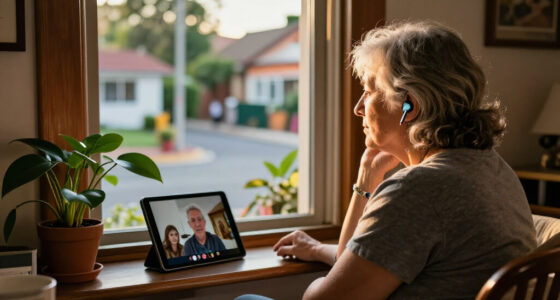
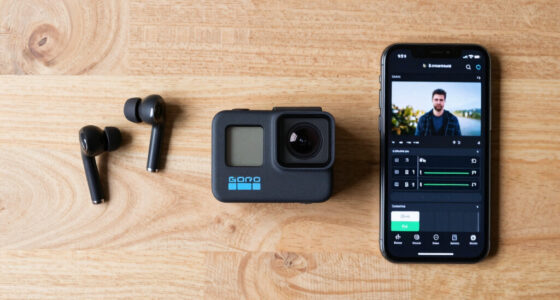
Tracking your activity and symptoms helps you stay within safe limits. Wearable devices like activity trackers, heart-rate monitors, and step counters can reveal patterns that suggest when you’re pushing too hard.
For instance, noticing your heart rate spike during a gentle walk might indicate you’re overexerting. A training log or rehab app can also help you set goals and see your progress over time, giving you confidence and clarity.
Remember, these tools support your awareness but don’t replace listening to your body or following medical advice. Use them as guides, not gospel.
Understanding the data from these devices can help you identify early warning signs of overexertion, such as increased fatigue or pain. This insight allows you to adjust your activity levels proactively, preventing setbacks and ensuring your recovery stays on course.
Cold, Heat, and Recovery Gear That Eases Discomfort
Cold packs, heat wraps, and compression gear aren’t magic, but they can help manage symptoms. Cold reduces inflammation and numbs pain after acute flare-ups. Heat loosens stiff muscles before activity.
Imagine icing a swollen ankle after a walk or applying heat to stiff shoulders before stretching. But be cautious: these are symptom management tools, not cures.
Use cold packs for 15-20 minutes after activity or injury, and heat for 15-20 minutes before stretching or exercise. Avoid applying heat over areas with impaired sensation or blood flow issues.
It’s important to recognize that these therapies support your recovery by alleviating discomfort, which can encourage more consistent movement and adherence to rehab routines. However, overuse or improper application can cause tissue damage or mask symptoms that need medical attention, so always follow guidelines and consult professionals when in doubt.
Emerging Trends That Could Change How You Recover
New tech is making rehab smarter and safer. Wearable load monitors track step counts, pressure, and movement symmetry, helping professionals tailor recovery plans. Smart braces and sensor-equipped insoles give real-time feedback on joint alignment and pressure.
App-supported rehab programs provide remote guidance, reminders, and progress tracking, making home rehab more consistent. Blood-flow restriction training uses cuffs to stimulate muscle growth with low loads, but it requires expert supervision due to potential risks.
These advances aim to make your recovery more precise, safer, and more personalized. But always remember: technology complements, not replaces, your healthcare team’s guidance.
Understanding these emerging tools can help you make informed decisions about your recovery options. They can offer valuable insights, but they also come with limitations, such as cost, accessibility, or the need for professional oversight to ensure safe and effective use.
Frequently Asked Questions
How soon can I start exercising after an injury?
The timing depends on your injury’s severity and type. Mild sprains might allow gentle movement within a few days, while fractures or surgeries require longer restrictions. Always get clearance from your healthcare provider before starting.
Is it safe to exercise if I feel some pain?
Sharp, increasing, or movement-altering pain signals that you should stop. Mild discomfort that settles quickly and doesn’t worsen the next day may be acceptable, but always listen to your body and consult your medical team if unsure.
Should I use ice or heat during recovery?
Ice helps reduce swelling and numbs pain after acute injury or activity. Heat can loosen stiff muscles before movement. Neither replaces proper rehab or medical advice, but they can be useful tools when used correctly.
When should I switch to more advanced gear like smart braces or insoles?
Only after consulting your healthcare provider. These devices can offer valuable feedback, but they’re most effective when integrated into a comprehensive rehab plan. Rushing into high-tech gear without guidance might do more harm than good.
Conclusion
Choosing the right gear isn’t just about convenience—it’s a vital part of your recovery. Support, stability, and appropriate equipment help you regain strength and confidence, step by cautious step. Remember, safety always comes first—your body’s signals are the best guide.
So, gear up smartly, listen closely, and move forward with patience. Your body has a remarkable ability to heal—and with the right tools, you can do it safely and confidently.
Halloween Picks
halloween
As an affiliate, we earn on qualifying purchases.