
TL;DR

Get everyday helpers delivered free with Prime
- Fast, free delivery on millions of items
- Prime Video, Amazon Music and more included
- Member-only deals all year
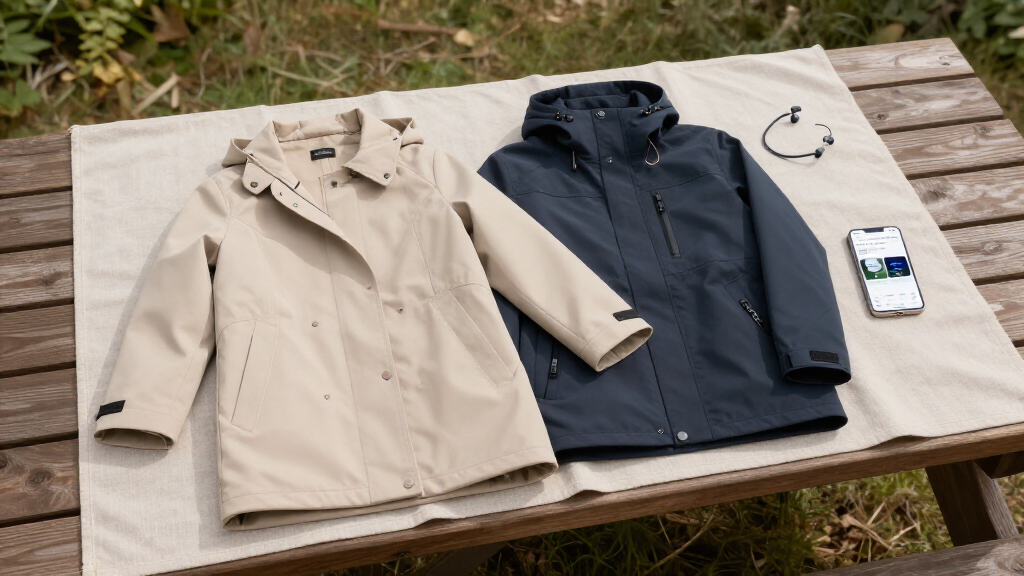
Adaptive coats combine easy-to-use features with comfort and style, making dressing simpler for people with various needs. Recent advances include magnetic closures and smart textiles, expanding options for all climates and lifestyles.
Imagine slipping into a coat that practically dresses you itself—no fiddling with buttons or zippers, just smooth, effortless comfort. Adaptive coats and outerwear are reshaping how we think about outdoor clothing, prioritizing independence, safety, and style for everyone. Whether you’re managing mobility challenges, sensory sensitivities, or just looking for easier dressing options, these garments are designed to work with your needs. As awareness spreads, the industry is innovating faster than ever, giving you more choices than ever before.
In this guide, you’ll discover what makes a coat truly adaptive, explore recent breakthroughs, and get practical tips on finding the perfect fit—whatever your climate or lifestyle. Let’s explore how adaptive outerwear is becoming a game-changer for inclusive living.
Adaptive coats feature magnetic, Velcro, or snap closures that replace traditional buttons and zippers for easier dressing.
Recent innovations include smart textiles and eco-friendly materials, expanding functionality and sustainability.
Choosing the right adaptive coat depends on your specific needs—consider climate, mobility, and style preferences.
Comparison tables help clarify the differences between traditional and adaptive outerwear features.
Testing a coat with your mobility aids or consulting professionals ensures the best fit and function.
What Makes a Coat ‘Adaptive’? Expect Ease, Comfort, and Style
Adaptive coats are designed with features that make dressing and wearing easier for a wide range of needs. Think magnetic closures instead of fiddly buttons, or adjustable hems that fit over mobility aids. These features are not just about convenience; they directly impact independence and safety. For instance, magnetic snaps enable people with limited dexterity to dress themselves without frustration, fostering confidence and reducing reliance on caregivers. Comfort also matters—soft fabrics, seamless linings, and weatherproof layers mean you stay cozy no matter the forecast, which can significantly improve quality of life by reducing exposure to the elements and discomfort.
It’s not just about function—style plays a big role. Today’s adaptive outerwear comes in colors, patterns, and cuts that look sharp, so you don’t have to compromise on fashion. Features like accessible pockets, reflective patches, or reinforced areas add safety and convenience without sacrificing aesthetics. The goal: make outerwear that adapts to your needs, not the other way around. This balance ensures that comfort and practicality enhance personal expression, encouraging wider acceptance and adoption of adaptive clothing in everyday fashion.
adaptive coats with magnetic closures
As an affiliate, we earn on qualifying purchases.
As an affiliate, we earn on qualifying purchases.
Latest Innovations That Make Adaptive Outerwear Smarter and Easier
Adaptive outerwear is advancing rapidly, with innovations that significantly impact how easily and comfortably people can dress themselves. Magnetic fasteners, for example, are not just a convenience but a crucial enabler for individuals with limited dexterity or conditions like arthritis; they reduce frustration and physical strain, making daily dressing less burdensome. Smart textiles, such as temperature-regulating fabrics, respond dynamically to environmental changes, helping wearers maintain comfort without bulky layers—this is especially important for those with sensory sensitivities or health conditions that affect temperature regulation. For instance, a winter coat with built-in heating elements allows users to stay warm in extreme cold, reducing the need for multiple layers that can be cumbersome or difficult to manage.
Other innovations include eco-friendly materials that support sustainability, which is increasingly vital as consumers seek environmentally responsible options. Collaborations between mainstream brands and adaptive wear designers are expanding the market, making stylish, functional outerwear more accessible. Features like adjustable hoods, easy-to-reach pockets, and flexible sleeves are designed with diverse bodies and mobility aids in mind, ensuring that ease of dressing doesn’t come at the expense of style or durability. These advancements demonstrate how technology and thoughtful design can address real-world challenges, ultimately broadening the appeal and utility of adaptive outerwear.
According to industry reports, the adaptive clothing market is projected to grow over 10% annually through 2028, reflecting a significant shift towards inclusive fashion that values both innovation and style, and emphasizing the importance of accessibility in everyday clothing choices.
As an affiliate, we earn on qualifying purchases.
Comparison Table: Features of Traditional vs. Adaptive Outerwear
| Feature | Traditional Outerwear | Adaptive Outerwear |
|---|---|---|
| Fasteners | Zippers, buttons, snaps | Magnetic snaps, Velcro, easy-to-pull tabs |
| Adjustability | Limited, often requiring full removal | Multiple adjustable elements, quick-release features |
| Accessibility | Challenging for those with limited dexterity | Designed for one-handed or minimal effort use |
| Style Variety | Wide range, but often less inclusive | Expanding, includes trendy, gender-neutral options |
| Weatherproofing | Standard options available | Advanced fabrics like waterproof, breathable textiles |
Understanding these differences helps highlight why adaptive outerwear is more than just a convenience—it’s a necessary evolution. The enhanced functionality directly addresses barriers faced by many individuals, enabling more independence and confidence. As these features become more commonplace, the tradeoff between style and accessibility diminishes, making inclusive fashion a standard rather than an exception.
adaptive jackets for mobility challenges
As an affiliate, we earn on qualifying purchases.
As an affiliate, we earn on qualifying purchases.
How to Pick the Perfect Adaptive Coat for Your Lifestyle
Follow these steps to find the best fit for your needs:
- Assess your primary challenges—do you need one-handed operation, extra warmth, or visibility features? Understanding your specific needs helps narrow down options and ensures the coat will be truly functional for your daily routine.
- Set your style preferences—colors, cuts, and whether you prefer a sleek or sporty look. Style matters because clothing that aligns with your personal taste encourages regular use and boosts confidence.
- Check climate compatibility—choose waterproof, insulated, or lightweight options based on your environment. The right material and features can prevent discomfort or health issues caused by unsuitable clothing.
- Prioritize ease of dressing—look for magnetic closures, adjustable straps, or stretch fabrics. These features facilitate independence, especially for those with limited mobility or dexterity.
- Test for comfort and accessibility—try the coat with mobility aids or ask for a fitting appointment if possible. Ensuring proper fit and ease of use prevents frustration and promotes consistent wear.
For example, someone with arthritis living in rainy Seattle might opt for a waterproof jacket with magnetic snaps and adjustable cuffs, ensuring ease and dryness during daily outings. Consulting an occupational therapist can also help pinpoint the most helpful features for your specific needs, leading to a more tailored and effective wardrobe choice.
As an affiliate, we earn on qualifying purchases.
Key Considerations When Shopping for Adaptive Outerwear
Think about durability, ease of maintenance, and how well the coat fits your daily routine. For instance, a coat with removable layers allows for easy cleaning and seasonal adaptability, but it’s important to consider whether those layers are easy to add or remove without assistance. Verify that fasteners are secure yet easy to operate—this balance is crucial for maintaining independence, especially if you have limited hand strength or dexterity. The tradeoff often involves choosing between more secure closures and ease of use, so understanding your priorities is key.
Budget also plays a role—adaptive coats can range from moderate to premium prices. However, as more brands recognize the market demand, options are becoming more affordable and diverse. Visiting stores in person or trying on different styles can help you avoid costly mistakes by ensuring the coat truly meets your needs and fits well. Remember, investing in a well-fitting, functional coat can significantly improve daily comfort and independence, making it worth the extra effort during the selection process.
Frequently Asked Questions
What makes a coat ‘adaptive’?
An adaptive coat incorporates features like magnetic closures, adjustable straps, and accessible pockets designed to make dressing and wearing easier for people with mobility, dexterity, or sensory challenges. These features help promote independence and comfort in daily dressing routines.Are adaptive coats stylish enough for everyday wear?
Absolutely. Many brands now focus on creating adaptive outerwear that combines functionality with modern, fashionable designs. You can find a variety of colors, patterns, and cuts that suit your personal style while meeting your needs.How do I choose the right adaptive coat for me?
Start by assessing your specific challenges and climate. Think about features like ease of dressing, weather protection, and style. Trying on different options or consulting with an occupational therapist can help ensure you find a coat that fits your lifestyle comfortably.Are adaptive coats more expensive?
They can be, due to specialized features, but prices are becoming more competitive as the market expands. Consider your budget and look for options that offer the features you need without overspending.Where can I buy adaptive outerwear?
Many brands sell online, including mainstream labels like Tommy Hilfiger Adaptive and Zappos Adaptive, as well as smaller startups dedicated to inclusive fashion. Visiting stores for try-ons can also help you find the best fit.Conclusion
Adaptive coats are no longer just practical—they’re stylish, versatile, and built to support independence. When choosing your outerwear, focus on features that match your daily needs and climate. The right coat can turn a daily routine into a seamless, comfortable experience—making every outing a little easier and a lot more confident.
So, next time you shop for outerwear, think about how those small design details can make a big difference in your life. After all, clothing is about more than covering your body—it’s about empowering your everyday adventures.
Columbus Day / Indigenous Peoples' Day Picks
long weekend sales
As an affiliate, we earn on qualifying purchases.