TL;DR
Listen free for 30 days with Audible
Thousands of audiobooks and originals — cancel anytime.
Start your free trialAs an affiliate, we earn on qualifying purchases.
Reducing fall risk during transfers hinges on thorough assessment, proper techniques, the right assistive devices, and a safe environment. New tech and training boost safety, making every transfer smoother and safer.
Thorough assessment of mobility, balance, and cognition guides safer transfer planning.
Mastering and regularly practicing key transfer techniques like stand-pivot and slide board reduces falls.
Choose and maintain assistive devices properly to support stability and control during transfers.
Environmental modifications, such as clutter removal and grab bars, create safer transfer spaces.
Regular training and new technology tools empower caregivers to prevent falls effectively.
How to Spot Patients Who Are More Likely to Fall During Transfers
Knowing who’s at higher risk makes all the difference. Start by assessing strength, balance, and cognition. For example, a person with muscle weakness, gait instability, or confusion needs extra care. An elderly patient with a history of falls, poor vision, or medication side effects is more vulnerable. Identifying these factors helps you plan every move more carefully.
Use a simple checklist: strength, balance, cognition, gait quality, and environmental hazards. For instance, if someone struggles to stand without staggering, you’ll want to prepare additional supports or consider alternative transfer methods.
As an affiliate, we earn on qualifying purchases.
Master These 3 Transfer Techniques That Keep Everyone Safe
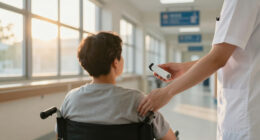
Safe transfer techniques are the backbone of fall prevention. Here are three proven methods:
- Stand-Pivot Transfer: Ideal for patients who can partially bear weight. Have them sit at the edge, then stand with your support, pivot to the destination, and sit down slowly.
- Slide Board Transfer: Perfect when a patient has limited strength. Use a smooth, firm plastic board to bridge between surfaces, sliding the patient across with gentle, coordinated movements.
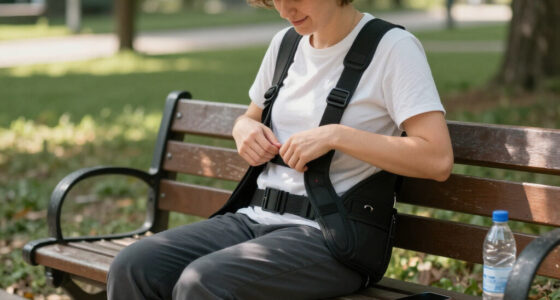
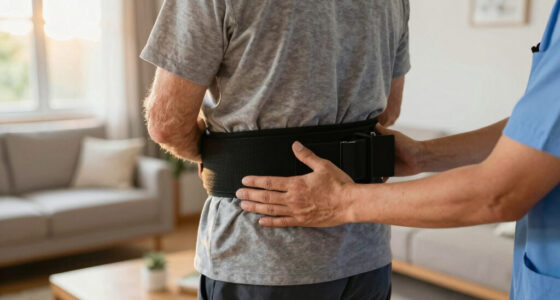
- Gait Belt-Assisted Transfer: A sturdy belt around the waist offers control and safety. Walk with the patient, guiding their movements while maintaining your own proper body mechanics.
Deep understanding and consistent practice of these techniques matter because they directly influence the safety of both patient and caregiver. For example, improperly executed transfers can lead to falls, injuries, or caregiver strain. Using proper body mechanics—such as keeping your back straight and bending at the hips—distributes forces safely, reducing fatigue and injury risk. These methods, when mastered, create a controlled environment where the patient feels secure and the caregiver maintains proper posture, preventing common mistakes that lead to accidents.
As an affiliate, we earn on qualifying purchases.
Choosing the Right Assistive Devices to Prevent Falls
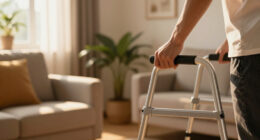
Assistive devices aren’t just helpful—they’re lifesavers when used correctly. Ensure devices fit well and are in good condition. For example, a poorly fitted walker can cause imbalance, increasing fall risk. Gait belts, slide sheets, and transfer boards are common tools, each suited to different needs.
Here’s a quick comparison:
| Device | Best For | Key Benefit |
|---|---|---|
| Gait Belt | Assisted standing and pivoting | Provides grip and control, reduces caregiver strain |
| Walker | Unsteady walkers or limited balance | Enhances stability, prevents falls during ambulation |
| Slide Sheet | Repositioning or transfers from bed to chair | Reduces friction, minimizes pulling or twisting |
Proper selection and maintenance of these devices are crucial because they directly impact the safety and ease of transfer. For instance, a worn or damaged slide sheet might tear during use, causing unexpected slips. Training caregivers thoroughly on correct device application and adjustments ensures that these tools support, rather than hinder, safe transfer practices. Using devices appropriately reduces physical strain on caregivers and minimizes patient discomfort, which collectively lowers the risk of accidental falls or injuries during transfers.
patient transfer assistive devices
As an affiliate, we earn on qualifying purchases.
As an affiliate, we earn on qualifying purchases.
Make the Environment a No-Fall Zone
The environment around you plays a huge role in transfer safety. Think of it as setting the stage for success. Clear clutter, secure rugs, and good lighting are must-haves. For example, a tiny throw rug can cause a stumble, while a brightly lit corridor helps patients see where they’re going.
Practical tips include:
- Removing loose cords and clutter
- Using non-slip mats in bathrooms and kitchens
- Installing grab bars near toilets and showers
- Ensuring pathways are wide and unobstructed
Creating a safe environment reduces the likelihood of slips and trips, which are common causes of falls. For example, cluttered pathways or loose rugs can be trip hazards, especially for those with impaired vision or balance issues. Good lighting ensures patients can see obstacles and navigate confidently. Grab bars provide essential support in critical areas, giving patients something to hold onto during transfers. These modifications foster a proactive safety culture, significantly decreasing the chances of accidents during transfers and other daily activities.
As an affiliate, we earn on qualifying purchases.
Training Caregivers and Patients for Safer Transfers
Knowledge and practice are your best tools. Regular training ensures everyone knows how to transfer safely. For example, a caregiver learning proper body mechanics and transfer techniques reduces their injury risk and improves patient safety.
Incorporate hands-on practice, videos, and even virtual reality simulations if available. Encourage patients to participate actively, which boosts their confidence and independence. For instance, instructing a patient to hold onto the transfer belt during a move keeps them engaged and stable.
Set up routine refreshers and assessments to keep skills sharp. When everyone knows their role, transfers become a team effort—safer, smoother, and less stressful.
Deep training and ongoing education are essential because transfer safety isn’t a one-time learning event. Skills can fade without reinforcement, and new techniques or equipment may be introduced over time. Well-trained caregivers and patients understand the importance of communication, proper technique, and environmental awareness, which collectively reduce the risk of falls and injuries. This continuous learning fosters confidence, accountability, and a culture of safety that benefits everyone involved.
Latest Tech & Protocols Making Transfers Safer Than Ever
Technology is stepping up safety during transfers. Powered transfer aids and sensor systems alert staff to instability before a fall happens. For example, wearable sensors can monitor a patient’s balance and send an alert if a wobble is detected, giving caregivers a chance to intervene.
Recent protocols focus on personalized, multidisciplinary approaches. Combining physical therapy, environmental tweaks, and staff training creates a safety net. Virtual reality modules now allow caregivers to practice transfers in a risk-free setting, sharpening their skills.
Studies show that consistent use of gait belts, proper body mechanics, and new tech can cut transfer-related falls by up to 50%. These innovations aren’t replacing human skill—they’re augmenting it.
Implementing these advanced tools and protocols requires understanding their capabilities and limitations. For example, sensor systems are most effective when integrated into a comprehensive safety plan and used alongside ongoing training. While technology can significantly reduce risks, it should complement—never replace—fundamental safety principles and caregiver judgment. This balanced approach ensures that technological advancements translate into real-world safety improvements, ultimately saving lives and reducing injuries during transfers.
Frequently Asked Questions
What are the most effective transfer techniques for beginners?
Start with the stand-pivot and slide board methods, emphasizing proper body mechanics and using assistive devices like gait belts. Practice regularly, and always assess the patient’s strength and mobility first.How do I know if a patient is too heavy or weak to transfer safely?
If a patient cannot bear weight, has poor balance, or shows signs of fatigue during transfer attempts, consider using mechanical lifts or seeking additional assistance. Always prioritize safety over effort.Which assistive devices are best for reducing fall risk?
Gait belts, sturdy walkers, and slide sheets are highly effective when used correctly. Ensure devices are well-maintained, properly fitted, and matched to the patient’s needs.What environmental changes can I make to improve safety?
Remove clutter, secure rugs, ensure good lighting, and install grab bars in key areas. These simple modifications significantly reduce trip hazards and support stability.Are new technologies worth investing in for transfer safety?
Yes. Sensor-based alerts and powered transfer aids can prevent falls by providing real-time feedback. When combined with good technique and training, these tools enhance overall safety.Conclusion
Every safe transfer is a step toward preserving dignity and independence. Focus on assessment, technique, environment, and ongoing learning. When you get these elements right, you turn a risky moment into a secure, confident move—protecting both the person and the caregiver.Fall Picks
fall essentials
As an affiliate, we earn on qualifying purchases.