TL;DR
Listen free for 30 days with Audible
Thousands of audiobooks and originals — cancel anytime.
Start your free trialAs an affiliate, we earn on qualifying purchases.
Selecting a standing aid requires matching the device to the user’s participation level, transfer environment, and safety needs. Proper assessment and understanding device features ensure safe, effective transfers.
When it’s time to pick a standing aid for transfers, one size definitely doesn’t fit all. A device that works flawlessly for one person could be dangerous for another. The goal is to support independence without risking injury. That’s why understanding your loved one’s abilities, environment, and safety needs is crucial before choosing.
This guide walks you through how to evaluate options, what questions to ask, and how to align your choice with real-world needs. Whether you’re a caregiver, family member, or healthcare professional, making the right call today can mean safer, smoother transfers tomorrow.
Always assess the person’s current participation ability before selecting a standing aid.
Match the device’s type and features to the transfer environment and space constraints.
Choose aids with adjustable supports, safety features, and easy maintenance to ensure comfort and safety.
Caregiver capacity and ease of use should guide your choice—powered options can reduce strain.
Regularly re-evaluate the device’s fit and safety as the person’s condition changes.
How to Choose a Standing Aid for Transfers
One size definitely doesn’t fit all. A standing aid that works flawlessly for one person could be dangerous for another. Match the device to the user’s participation level, transfer environment, and safety needs — supporting independence without risking injury.
A standing aid is not automatically suitable just because a person can briefly stand. It must align with their current strength, balance, and participation level.
Caregivers, family members, and healthcare professionals choosing transfer equipment for safer, smoother daily transfers.
Assess first, buy second. Get a professional assessment from an OT, PT, nurse, or equipment specialist.
Is the Person Ready for a Standing Aid?
The first step is assessing whether the person can actively participate in a transfer. If they can’t support their own weight or follow directions, a full-body lift — not a standing aid — is the safer choice.
Follows Instructions
Can they understand simple directions, stay cooperative, and tolerate standing without dizziness, severe pain, or collapse?
Sits Upright Steadily
Do they maintain upright sitting with reasonable balance and can they grip handles or supportive frames during movement?
Bears Weight on One Leg
Can they extend hips and knees enough to rise, supporting at least some weight through one leg? Manual aids require this.
Match the Device to Participation Level
Using a device that exceeds someone’s current participation can lead to falls; underestimating their abilities causes unnecessary restrictions.
Grab rails & poles
Manual sit-to-stand
Powered sit-to-stand
Full-body lift
What Are Your Options?
Manual devices are affordable and easy to maintain but require user participation and caregiver strength. Powered options offer greater assistance but are more complex and costly.
| Type | Best For | Key Features | User Input Needed |
|---|---|---|---|
| Transfer poles & grab rails | Independent or lightly assisted standing | Support for balance; no transport capability | High |
| Turners / pivot aids | Short-distance rotation with caregiver help | Stable platform, handles for turning | High |
| Manual sit-to-stand aids | Partially able individuals needing support | Frame, footplate, knee supports, sometimes a seat | Moderate |
| Powered sit-to-stand lifts | Weak but partially weight-bearing individuals | Motorized, sling-based, controlled lift | Some |
| Full-body lifts | People unable to participate at all | Sling-based full support — not a true standing aid | None |
Match the Aid to the Space
Measuring the transfer area is often overlooked but crucial. A wrong-sized device can create safety hazards or make transfers impossible.
Measure Everything First
Take precise measurements of doorways, floor space, bed height, toilet access, and furniture clearance. Confirm the device’s legs and base can approach every transfer surface safely.
Tight Spaces
A narrow hallway calls for a compact, low-profile device. A small bathroom may need a model with a small base and maneuverable castors.
Flooring & Thresholds
Thick carpet, uneven flooring, ramps, and raised thresholds challenge small castors. Standing aids are designed for short, level indoor transfers — not transport.
Weight & Dimension Limits
Check the safe working load plus height, sling size, knee-pad range, and footplate size. Weight capacity alone does not guarantee a proper fit.
Comfort, Safety & Maintenance Priorities
A good standing aid should reduce manual effort — not just shift the strain to the caregiver. Prioritize these three pillars.
Comfort & Dignity
Padded adjustable supports, easy toileting access, secure foot placement, and no pressure behind the knees, under the arms, or around the torso. Removable, washable covers extend the device’s life.
Caregiver Safety
Ergonomic handles, balanced weight distribution, adjustable height, brakes, easy-access controls, and supportive harnesses minimize strain. Confirm one-person or two-person approval under the care plan.
Maintenance
Routinely inspect brakes, castors, batteries, slings, clips, and straps. Worn wheels or frayed slings compromise stability — follow the manufacturer’s instructions for ongoing safety.
How to Use a Standing Aid Safely
Using the aid properly is just as important as choosing the right one. Follow this sequence every time.
Prepare
Follow manufacturer instructions and the individual transfer plan.
Position
Feet flat, knees aligned, straps secured, supports fitted to the body.
Stabilize
Lock wheels at strategic points and engage all safety features.
Transfer
Move slowly, communicate clearly, watch for distress or dizziness.
Monitor
Never leave a person unattended. Stop immediately at any sign of trouble.
When a Standing Aid Isn’t the Right Choice
If the person can’t reliably bear weight or follow safety instructions, a full-body passive lift is safer. Review this checklist before and after every purchase.
- ✓Professional assessment completed by an OT, PT, nurse, or equipment specialist.
- ✓Device never exceeds the manufacturer’s stated safe working load.
- ✓Only approved slings and attachments are used for that exact model.
- ✓Caregivers trained on proper operation and transfer technique.
- ✓Environment measured — doorways, floors, and clearance verified.
- ✓Fit and safety re-evaluated regularly as the person’s condition changes.
The right standing aid balances safety, independence, and practicality — assess ability, match the device, measure the space, and re-evaluate as needs change.
How to Know if Someone Is Ready for a Standing Aid
The first step is assessing whether the person can actively participate in a transfer. Can they follow simple instructions? Do they sit upright with some balance? Can they support some weight through one leg? These clues show whether a standing aid will work or if a full lift is needed.
For example, if your loved one can sit up, grip handles, and bear weight through one leg, a manual sit-to-stand device might be suitable. But if they can’t support their own weight or follow directions, a powered lift might be safer.
In real life, thorough assessment is crucial because it helps identify the person’s true functional abilities and prevents mismatched device use. Using a device that exceeds their current participation can lead to falls or injuries, while underestimating their capabilities might result in unnecessary restrictions. Proper evaluation saves time, effort, and reduces safety risks.
As an affiliate, we earn on qualifying purchases.
Picking the Right Type of Standing Aid — What Are Your Options?
Stand-up transfers come in several forms, each suited to different abilities and settings. Here’s a quick comparison:
| Type | Best For | Key Features |
|---|---|---|
| Transfer poles and grab rails | Independent or lightly assisted standing | Support for balance, no transport capability |
| Turners or pivot aids | Short-distance rotation with caregiver help | Stable platform, handles for turning |
| Manual sit-to-stand aids | Partially able individuals needing support | Frame, footplate, supports, sometimes a seat |
| Powered sit-to-stand lifts | Weak or non-weight-bearing individuals | Motorized, sling-based, controlled lift |
| Full-body lifts | People unable to participate at all | Sling-based, full support, not a true standing aid |
Choosing means matching the device to current ability, environment, and safety needs. For instance, a manual aid works well for someone with partial strength, but a powered lift might be necessary for someone with very limited participation. Each type involves tradeoffs: manual devices are often more affordable and easier to maintain but require user participation and caregiver strength. Powered options offer greater assistive power but can be more complex and costly. Fully supportive lifts are essential when the individual cannot participate at all but may limit mobility and dignity if overused. Understanding these nuances helps select a device that balances safety, independence, and practicality.
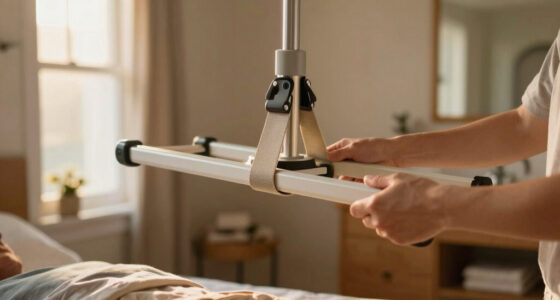
adjustable standing support device
As an affiliate, we earn on qualifying purchases.
As an affiliate, we earn on qualifying purchases.
How to Match the Aid to the Environment and Space
Measuring the transfer area is often overlooked but crucial. Take precise measurements of doorways, floor space, bed height, and furniture clearance. Will the device’s legs and base fit comfortably? Can it approach the surface safely without knocking into walls or furniture?
For example, a narrow hallway may mean choosing a compact, low-profile device. A small bathroom might need a model with a small base and maneuverable castors. If thresholds or uneven flooring are present, check if the device’s wheels can handle those surfaces without strain.
In environments where space is limited, the wrong-sized device can cause safety hazards or make transfers impossible. Conversely, a device that’s too small or unstable can compromise safety and lead to falls. Always consider not just current space but also potential obstacles or furniture arrangements. Proper environmental assessment ensures the device will integrate seamlessly into daily routines, promoting safety and independence.
As an affiliate, we earn on qualifying purchases.
Choosing a Device That Works for Caregiver Support and Safety
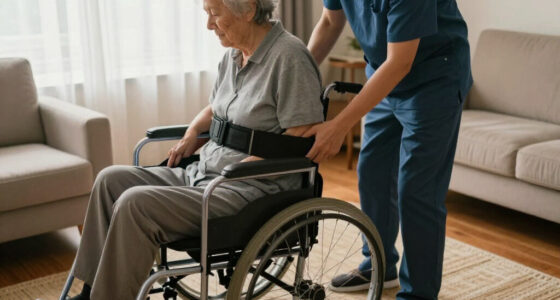
Think about who will operate the device. Is one caregiver enough, or do you need two? Does the device allow for easy, safe handling with minimal strain? A good standing aid should reduce manual effort, not just shift it to the caregiver.
Careful consideration of caregiver capacity is essential because improper handling can lead to injuries for both parties. For example, devices with ergonomic handles, balanced weight distribution, and features like adjustable height can minimize strain and improve safety. Additionally, features such as brakes, easy-access controls, and supportive harnesses contribute to safer and more dignified transfers. When selecting a device, evaluate how its design aligns with the caregiver’s strength, skill level, and the typical transfer scenarios they encounter. This ensures the device enhances safety for everyone involved and reduces the risk of caregiver fatigue or injury.
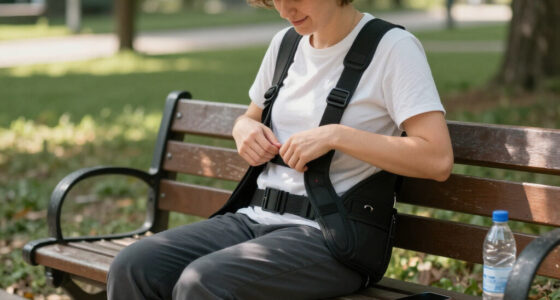
powered standing aid for caregivers
As an affiliate, we earn on qualifying purchases.
As an affiliate, we earn on qualifying purchases.
What to Look for in Comfort, Safety, and Maintenance
Comfort features like padded supports, adjustable straps, and easy-to-clean surfaces matter. They make the transfer less stressful and protect skin integrity. Check if the footrests and supports can be adjusted for the user’s size and comfort.
Safety features include reliable brakes, overload protection, and alarms. Routine maintenance—like inspecting wheels, batteries, and slings—keeps the device functioning safely. Regularly inspecting and maintaining the device prevents mechanical failures that could cause accidents or injuries. For example, worn wheels or frayed slings can compromise stability and safety. A device with removable, washable covers not only enhances hygiene but also extends the lifespan of the supports. Establishing a maintenance routine and understanding the manufacturer’s instructions are critical for ensuring ongoing safety and reliability.
Safety First: How to Use a Standing Aid Correctly
Using the aid properly is just as important as choosing the right one. Always follow the manufacturer’s instructions. Before starting, position the person’s feet flat, knees aligned, and straps secured.
Move slowly, communicate clearly, and watch for signs of distress—dizziness, pain, or loss of balance. Never leave a person unattended in the device, and stop immediately if they show any signs of trouble.
Proper technique involves ensuring the device is stable, the user is correctly positioned, and all safety features are engaged. Locking wheels at strategic points provides stability during transfers, and adjusting supports to fit the individual’s body helps prevent slips or discomfort. Training caregivers on proper operation reduces the risk of falls and injuries. Consistent adherence to safety protocols is essential for effective and safe use of the device.
When a Standing Aid Isn’t the Right Choice
If the person can’t reliably bear weight or follow safety instructions, a different transfer method may be needed. For example, uncontrolled head or trunk movements or severe pain indicate that a full-body sling lift is safer.
Signs like repeated knee buckling, fainting, or slipping out of supports also point to the need for reassessment. No device should be forced into use if it compromises safety. For example, attempting to use a standing aid with a person who has unpredictable movements or severe pain can result in falls or injuries, and may worsen their condition. It’s critical to recognize these signs early and consult a healthcare professional for a reassessment. Ensuring the chosen transfer method aligns with the individual’s current capabilities minimizes risks and promotes safety and dignity.
The Future of Standing Aids: What’s Coming Next?
Recent designs focus on smoother powered lifts with better adjustability, higher weight capacities, and compact bases for small homes. Features like low-friction castors, rechargeable batteries, and digital maintenance tracking are becoming standard.
Emerging priorities include active transfer options that promote mobility and personalized settings, helping users maintain strength and independence longer. These innovations aim to strike a balance between safety, dignity, and promoting active participation.
For example, a new model might include a touchscreen control and automatic safety checks, making transfers easier and more reliable. The integration of smart technology allows for better customization, monitoring, and maintenance, ultimately supporting longer-term independence and safety for users.
Frequently Asked Questions
Who can use a sit-to-stand aid?
Typically, someone who can follow instructions, sit upright with control, and bear some weight on at least one leg. The exact requirements depend on the device’s design and the person’s current abilities.What is the difference between a standing aid and a patient lift?
A standing aid supports a person who can participate actively or partially in the transfer, helping them stand or sit safely. A full-body patient lift carries someone in a sling when they cannot support themselves at all, often used when participation isn’t possible.Does the user need to bear weight through both legs?
Not always. Some devices require meaningful weight-bearing through both legs, while others can accommodate partial or uneven weight support. Always follow a professional’s advice based on the individual’s condition.Can one caregiver operate a standing aid?
Many models are designed for single-person use if the caregiver is trained. Others may require two caregivers for safety, especially with heavier or more complex devices. Check the manufacturer’s instructions and your care plan.Should the wheels be locked during a transfer?
It depends on the device and stage of transfer. Locking wheels stabilizes the device when static, but some models require wheels to be unlocked for movement. Always follow the specific instructions for your device.Conclusion
Picking a standing aid isn’t just about buying a device — it’s about finding the right match for safety, independence, and dignity. Think of it as fitting a partner to a dance; the right device moves smoothly with the person’s abilities and environment.
Remember, safety and proper technique are your best tools. When in doubt, consult a professional to ensure your loved one’s transfers are as safe and confident as possible. A well-chosen aid can make everyday moments safer, easier, and more dignified.
Flea & tick season Picks
flea and tick prevention
As an affiliate, we earn on qualifying purchases.