
TL;DR

Get everyday helpers delivered free with Prime
- Fast, free delivery on millions of items
- Prime Video, Amazon Music and more included
- Member-only deals all year
Proper diabetic footwear reduces the risk of ulcers and infections. Focus on fit, support, breathable materials, and recent innovations for safety and comfort.
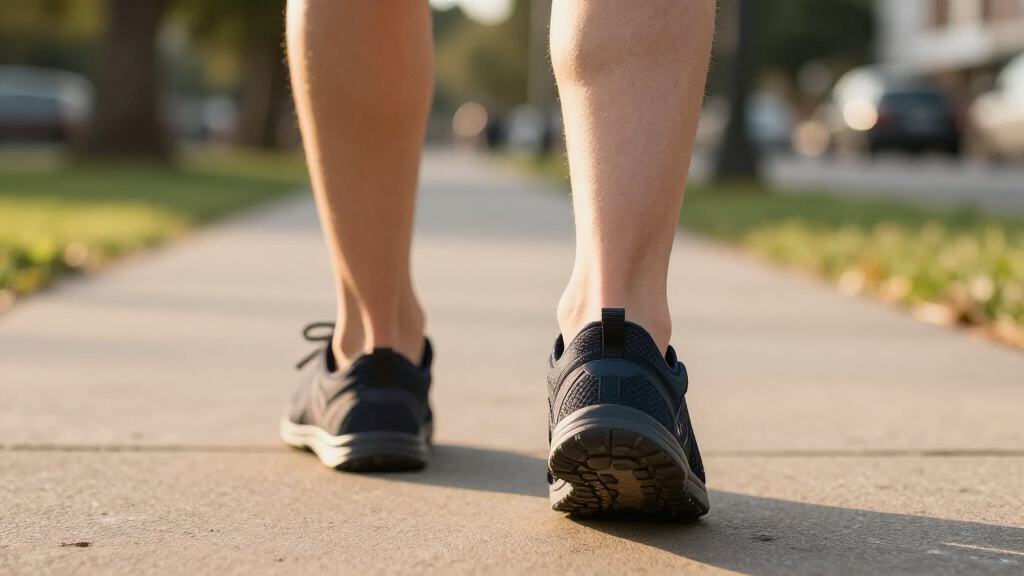
Imagine walking on a path lined with tiny, invisible risks—sharp objects, pressure points, moisture build-up—that could easily lead to serious foot issues. For diabetics, this isn’t hypothetical; it’s everyday reality. Choosing the right footwear isn’t just about style, it’s about protecting your independence and avoiding complications that can threaten mobility.
In this guide, you’ll learn how to spot shoes that support foot health, explore recent innovations making footwear safer and more comfortable, and get practical tips to help you make informed decisions. Because your feet deserve more than just good looks—they need real protection.
Prioritize a perfect fit—measure feet regularly and test shoes before buying.
Look for shoes with minimal seams, extra cushioning, and breathable materials.
Stay updated on recent innovations like smart sensors and custom 3D-printed options.
Replace diabetic shoes every 6-12 months or when signs of wear appear.
Consult healthcare professionals for personalized footwear advice and foot care.
What Makes Footwear Diabetic-Friendly? Here’s What to Look For
Diabetic-friendly shoes focus on reducing pressure points, preventing skin irritation, and supporting foot health. Key features include a perfect fit, cushioning, breathability, and minimal seams. For example, a pair of shoes with a wide toe box and soft, seamless interior can prevent blisters and ulcers caused by friction.
Think of your shoes as a gentle hug—firm enough to support, soft enough to avoid pinching. Proper fit means enough room for toes to wiggle without sloshing around. Shoes that blend these elements help prevent common issues like calluses, corns, or more serious ulcers. The importance of these features lies in their ability to distribute pressure evenly and minimize areas where friction and moisture can cause skin breakdown, which is crucial because diabetics often have reduced sensation and healing capacity. The tradeoff is sometimes finding shoes that are supportive but also stylish; advances in design now help bridge this gap, making safety compatible with aesthetics.
As an affiliate, we earn on qualifying purchases.
How to Find the Perfect Fit — 4 Simple Steps
- Measure your feet regularly — sizes change over time, especially with swelling or weight fluctuations. Ignoring these changes can lead to ill-fitting shoes, which increase pressure points and risk of ulcers.
- Test for wiggle room — leave about a thumb’s width of space at the toe end. Too tight, and pressure can cause skin breakdown; too loose, and your foot may slide, creating friction and blisters.
- Check the heel fit — it should hug your heel snugly without slipping. A loose heel can cause instability and rubbing, leading to blisters or ulcers.
- Walk around in the shoes — ensure no pinching, slipping, or discomfort after 5 minutes. If discomfort persists, the shoes are not suitable. This step is vital because real-world walking stresses shoes differently than just standing or sitting, revealing issues that static fitting might miss. For example, a diabetic patient discovered that shoes that felt good while standing caused blisters after walking, highlighting the importance of test-walking.
Imagine slipping your foot into a shoe that feels like it was made just for you—that’s the goal. Properly fitted shoes distribute pressure evenly, reducing the risk of pressure points that can lead to ulcers. Remember, a good fit isn’t just comfort; it’s a preventative measure that can save your feet from serious complications.
breathable diabetic footwear women
As an affiliate, we earn on qualifying purchases.
As an affiliate, we earn on qualifying purchases.
Compare Popular Features of Diabetic Shoes in a Side-by-Side Table
| Feature | Standard Shoe | Diabetic Shoe |
|---|---|---|
| Fit Adjustment | Limited, standard sizing | Wider widths, adjustable straps |
| Seam Design | Variable, often prominent seams | Minimal or no seams |
| Sole Thickness | Standard thickness | Extra cushioning, thicker soles |
| Breathability | Variable, often synthetic materials | High, moisture-wicking fabrics |
| Support | General support | Arch support and shock absorption |
As an affiliate, we earn on qualifying purchases.
Latest Innovations Making Diabetic Shoes Safer and More Comfortable
Innovation is transforming diabetic footwear from plain to practically stylish and smarter. For example, lightweight, antimicrobial fabrics reduce infection risk and improve comfort. Some brands incorporate sensors that monitor pressure points, alerting you to potential hotspots before ulcers develop. These smart features can provide real-time feedback, allowing you to adjust your activity or footwear before damage occurs, which is invaluable given the limited sensation many diabetics experience. 3D printing now allows for custom shoes tailored exactly to your foot shape, offering unmatched support and reducing friction. This technology minimizes pressure points and enhances comfort, especially for complex foot shapes or deformities. Plus, many brands focus on making their designs look more like regular sneakers, encouraging consistent wear without feeling medical or stigmatizing. These developments mean you no longer have to sacrifice style for safety. Imagine slipping into a sleek sneaker that senses pressure and adjusts its support automatically—your feet stay protected and stylish. The tradeoff here is balancing advanced technology with affordability and ease of use, but ongoing innovations are making these options more accessible and effective.
As an affiliate, we earn on qualifying purchases.
When and How Often to Replace Your Diabetic Shoes
Diabetic shoes aren’t forever. Experts recommend replacing them every 6 to 12 months, or sooner if signs of wear appear—like worn soles, flattened cushioning, or loose support. Regularly inspecting your shoes prevents unnoticed damage that could harm your feet. This is vital because worn shoes can create uneven pressure distribution, increasing the risk of ulcers. For example, after 9 months of daily use, a person noticed the cushioning was flattened and switched shoes. That simple change helped prevent developing pressure points that could have led to ulcers. Always check for cracks, holes, or flattened areas. If you’re unsure, consult your podiatrist—they can help you decide when it’s time for a new pair. Recognizing early signs of wear and replacing shoes promptly can make a significant difference in preventing foot ulcers and maintaining overall foot health. Remember, neglecting shoe wear can undo the protective benefits of your footwear, so regular checks are essential.
Frequently Asked Questions
What features should I look for in diabetic footwear?
Focus on a wide toe box, seamless interior, good arch support, cushioned insoles, and breathable fabrics. These elements help prevent pressure points, blisters, and skin irritation.
How do I know if my shoes fit properly?
Ensure there’s about a thumb’s width of space at the toe end, a snug fit around the heel, and no pinching or slipping after walking a few steps. Regularly re-measure your feet, especially if swelling or weight changes occur.
Can I wear regular shoes if I have diabetes?
It’s best to choose shoes specifically designed for diabetic foot health. Regular shoes often lack the necessary support, cushioning, and seamless design to prevent injuries or ulcers.
Are custom orthotics necessary?
Not always, but many diabetics benefit from custom insoles that provide extra support and help distribute pressure evenly. Consult your podiatrist for personalized recommendations.
How often should I replace my diabetic shoes?
Replace them every 6 to 12 months, or sooner if you notice signs of wear. Regular inspection is key to maintaining foot safety and support.
Conclusion
Your feet are your foundation. Choosing diabetic-friendly footwear isn’t just about comfort—it’s about safeguarding your independence and preventing serious complications. Take the time to find shoes that fit well, support your foot health, and reflect your style.
Remember, a well-chosen pair of shoes is a small investment with huge benefits. Step confidently knowing you’re doing something powerful—protecting your future mobility, one step at a time.
Halloween Picks
halloween
As an affiliate, we earn on qualifying purchases.