TL;DR
Home emergency alert systems are crucial for safety, especially for seniors or those with health concerns. Recent advances include smart tech, fall detection, and cellular backup, making them more reliable and easy to use. Choosing the right system depends on your specific needs, budget, and home environment.
Imagine this: your heart races as you hear a loud crash or feel dizzy and unsteady. In that moment, a quick push of a button or a simple voice command could summon help fast. That’s where home emergency alert systems come in — transforming your home into a safer space where independence isn’t a gamble but a guarantee.
This guide walks you through what to look for, the latest tech trends, and how these systems can fit into your lifestyle. Whether you’re caring for an aging loved one or want peace of mind, understanding your options makes all the difference.
Prioritize systems with cellular backup and user-friendly interfaces for maximum reliability.
Smart features like fall detection and GPS significantly boost safety and response times.
Installation costs and ongoing monitoring fees vary; choose what fits your budget and needs.
Stay updated on new tech, as AI and IoT are making alerts more predictive and integrated.
Always test your system regularly to ensure it works when needed—don’t wait for an emergency to find out.
Safety Guide Home readiness / 2026
A Guide to Home Emergency Alert Systems
A push of a button or a simple voice command can turn a frightening moment into a fast, coordinated response. Modern alert systems combine monitoring, smart sensors, fall detection and cellular backup to help people live independently with greater confidence.
01 / Understand the coverage
What types of emergency alerts keep you safe at home?
The strongest setup reflects the risks inside the home and the needs of the people living there. Many households benefit from combining multiple alert types into one coordinated safety plan.
Medical alert systems
Wearable pendants, wrist buttons and voice-activated hubs let seniors or people with health concerns request assistance quickly. Automatic fall detection can trigger help when the user cannot press a button.
Best for: falls, dizziness, sudden illness and mobility challengesSecurity alarm systems
Door, window, motion, smoke and carbon-monoxide sensors identify intrusions and household hazards. Correct placement and sensitivity settings are essential for reliable detection without repeated false alarms.
Best for: intrusion, fire, smoke and dangerous gasesEnvironmental alerts
Flood, severe-weather and temperature sensors provide early warning before conditions become critical. Remote notifications allow caregivers or homeowners to act even when nobody is at the property.
Best for: flooding, storms, freezing temperatures and heat02 / Build the shortlist

ADT Medical Alert Plus – in-Home Medical Alert System for Seniors – Cellular 4G Coverage, 600ft Pendant Range, Home Temperature Monitoring, 24/7 U.S. Based Monitoring (Fall Detection Pendant)
CALL TO ACTIVATE – Free activation & no long-term contracts. Monthly agreement & activation are required prior to…
As an affiliate, we earn on qualifying purchases.
As an affiliate, we earn on qualifying purchases.
Five must-know features
A long feature list is less important than dependable performance under stress. Prioritize the fundamentals first, then add technology that matches the user’s health, mobility and home environment.
Ease of use
Look for large accessible buttons, clear audio, simple setup and voice control. The interface must remain understandable during a stressful event.
Reliable connectivity
Cellular backup and battery power keep alerts moving when Wi-Fi or electricity fails. Verify cellular reception in basements, rural areas and other weak-signal zones.
Monitoring service
Professional monitoring can assess an alert and dispatch responders around the clock. Self-monitoring costs less but depends on contacts being available immediately.
Additional safety features
Fall detection, GPS, wearables and smart-home automation can shorten response time. Review false-alarm controls and confirm which features work outside the home.
Privacy and security
Connected systems handle location, health and household data. Favor encrypted communications, secure accounts, clear data policies and routine software updates.
03 / Compare the operating model

SkyAngel911FD – Mobile Cellular 4G – NO Monthly FEE – 911-2-Way Voice – Waterproof Alert Phone – Automatic Fall Detection (Green)
4G – No Monthly Fees – No Cellular Contract needed – It's much smaller than any cell phone…
As an affiliate, we earn on qualifying purchases.
As an affiliate, we earn on qualifying purchases.
Which setup fits your household?
Installation style and monitoring method shape the total cost, response process and maintenance burden. Use this comparison as a starting point before reviewing provider-specific terms.
| Option | Fast dispatch | Power-outage resilience | Lower ongoing cost | Best suited to |
|---|---|---|---|---|
| Professional monitoring | ✓ Strong | ✓ With backup | ✗ Monthly fee | People living alone, medical risk and round-the-clock coverage |
| Self-monitoring | ~ Contact dependent | ~ System dependent | ✓ Often lower | Connected families with reliable, nearby emergency contacts |
| DIY installation | ~ Setup dependent | ~ Verify battery | ✓ Lower setup | Smaller homes, straightforward needs and confident installers |
| Professional installation | ✓ Optimized | ✓ Verified | ✗ Install fee | Complex layouts, integrated sensors and accessibility needs |
04 / Trace the response
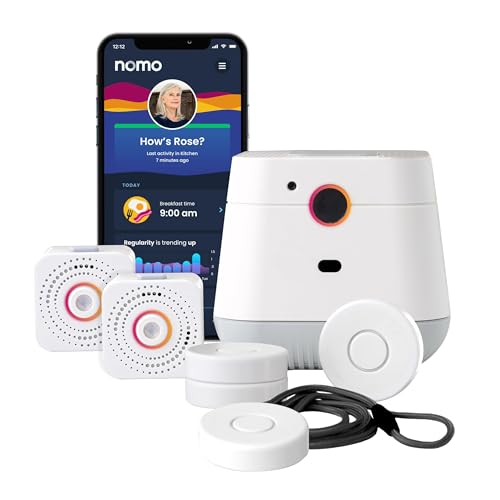
NOMO Smart Care Medical Alert System, Fall Detection for Seniors, WiFi in Home Monitoring Safety System, Emergency Call Button, Custom Fall Alert, Virtual Caregiver, 60-Day Trial, Monthly Subscription
NOMO SMART CARE ESSENTIAL KIT – A complete in-home monitoring safety system featuring a Smart Hub, two motion…
As an affiliate, we earn on qualifying purchases.
As an affiliate, we earn on qualifying purchases.
From warning sign to real-world help
A reliable system is a connected chain. Every link—from detection to access for responders—should be tested before an emergency occurs.
Detect
A button, voice command or sensor identifies danger.
Transmit
Wi-Fi, cellular or mesh connectivity sends the alert.
Assess
A monitoring center or trusted contact checks the situation.
Dispatch
Emergency services, caregivers or security support respond.
Assist
GPS, access instructions and health details support faster help.
05 / Plan for modern technology
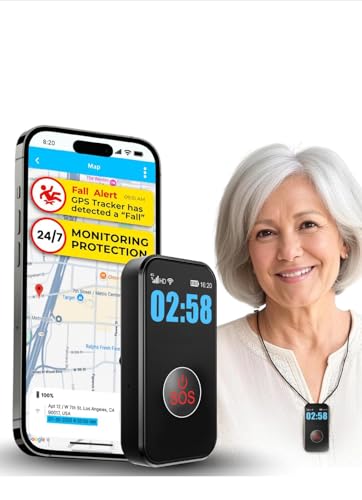
SecuLife Medical Alert Pendant for Seniors — Alerts Go Direct to Family, No Call Center | Auto Fall Detection, GPS Tracking, 2-Way Calling, No Contract, Waterproof Necklace
❤️ 𝐌𝐞𝐝𝐢𝐜𝐚𝐥 𝐀𝐥𝐞𝐫𝐭 𝐏𝐞𝐧𝐝𝐚𝐧𝐭 𝐰𝐢𝐭𝐡 𝐅𝐚𝐥𝐥 𝐃𝐞𝐭𝐞𝐜𝐭𝐢𝐨𝐧: Designed for seniors and individuals with medical conditions, this wearable alert…
As an affiliate, we earn on qualifying purchases.
As an affiliate, we earn on qualifying purchases.
The safety system is becoming smarter
AI, connected sensors and mobile devices are shifting alerts from simple panic buttons toward broader, more predictive home-safety networks.
What is changing now
06 / Frequently asked questions
What homeowners and caregivers ask most
What is best for seniors?
Prioritize an easy interface, voice activation, fall detection, GPS and professional monitoring. The best choice is the one the person can use comfortably every day.
Are systems covered by insurance?
Direct coverage is uncommon, although some policies may offer discounts for qualifying security equipment. Ask the insurer about eligibility and documentation.
How reliable are wireless systems?
They can be highly dependable when correctly installed, regularly tested and supported by battery power and cellular backup.
Can I install one myself?
Many basic kits support DIY installation. Professional installation is useful for complex layouts, integrated systems and homes with coverage challenges.
What if it activates accidentally?
Use the system’s cancel procedure and notify the monitoring center if needed. Repeated false alarms usually indicate a placement, sensitivity or training issue.
How should I choose?
Map the household’s risks, budget, layout, connectivity and accessibility needs. Compare total ownership costs rather than equipment price alone.
Final takeaway
Build confidence before the emergency.
A home emergency alert system is more than a gadget: it is a safety network connecting people, sensors and responders. Choose for real household needs, include cellular and battery backup where possible, protect personal data and test the entire response chain regularly.
What Types of Emergency Alerts Keep You Safe at Home?
Emergency alert systems come in all shapes and sizes. Some focus on health, others on security or environmental threats. Knowing which type suits your needs can save precious seconds during a crisis.
Let’s break down the main categories:
- Medical alert systems: Designed for seniors or those with health issues, these let you call for help with a button press or voice command. Imagine someone with mobility challenges pressing a pendant or wristband during a fall. This quick access can be life-saving, especially when every second counts in emergencies like falls or sudden health episodes. The tradeoff is that some systems may have false alarms or require regular maintenance, so choosing one with reliable detection and user-friendly features is critical.
- Security alarm systems: Detect intrusions, fires, or dangerous gases. Picture a loud siren blaring when someone tries to break in or a sensor catching smoke early on. These systems are vital for protecting property and loved ones, but their effectiveness depends on proper installation and maintenance. Overly sensitive alarms can cause false alarms, leading to desensitization or unnecessary panic, while too insensitive ones may miss real threats.
- Environmental alerts: Monitor floods, severe storms, or extreme temperatures. Think of sensors alerting you when floodwaters are rising or the temperature drops dangerously low. These alerts enable preemptive action, such as evacuating or activating backup heating. The challenge is balancing sensitivity to genuine threats without triggering frequent false alarms, which can cause alarm fatigue and reduce trust in the system.
Most homes benefit from a combination tailored to their risks, making safety a seamless part of daily life. Integrating multiple alert types ensures comprehensive coverage, but it also requires understanding how different systems communicate and avoid conflicting alerts.
How to Pick the Right Emergency System — 5 Must-Know Features
Choosing an alert system is about matching features to your lifestyle. Here are five essentials to look for:
- Ease of Use: Buttons should be large, simple, and accessible. Voice commands are a bonus for those with mobility issues. An intuitive interface reduces user error, ensuring help can be summoned quickly without confusion, especially in stressful situations. Consider whether the system requires complex setup or if it’s straightforward enough for all users, including those with cognitive impairments.
- Reliable Connectivity: Wireless systems with cellular backup keep you protected during power outages. Imagine a storm knocking out your Wi-Fi — cellular ensures your alert still reaches help. The tradeoff is that cellular services may have coverage gaps in rural or basement areas, so assessing your location’s connectivity is key.
- Monitoring Service: Do you want professional monitoring 24/7 or prefer self-monitoring? A monitoring center can dispatch emergency responders immediately. While professional monitoring provides peace of mind, it comes with ongoing fees and potential privacy considerations. Self-monitoring might save money but relies on your vigilance and quick response, which could be problematic during severe emergencies.
- Additional Features: Fall detection, GPS tracking, and smart home integration add layers of safety. For example, GPS helps responders find you if you’re outside or in a large property. Fall detection reduces response time in critical moments, but false positives can occur, leading to unnecessary dispatches. Smart home integration can automate safety responses, such as turning on lights or unlocking doors, but may increase complexity and cost.
- Privacy & Security: Encrypted data and secure networks prevent hacking or misuse of your personal information. As these systems become more connected, the risk of cyber threats increases. Choosing systems with robust security measures is essential to protect sensitive data and maintain trust in your safety infrastructure.
Prioritize these features based on your specific needs, home layout, and comfort level. Balancing safety, ease of use, and privacy will help you select the most effective system for your situation.
Frequently Asked Questions
What is the best emergency alert system for seniors?
The best system offers fall detection, GPS tracking, and easy-to-use interfaces. Look for one that has professional monitoring and voice activation, making help accessible at all times.Are home emergency alert systems covered by insurance?
Typically, these systems aren’t directly covered, but some insurance policies offer discounts for security setups. Check with your provider to see if installing a system can lower your premiums.How reliable are wireless or smart alert systems?
When properly installed and maintained, especially with cellular backup, they are highly dependable. Regular testing ensures alerts will work when you need them most.Can I install an emergency alert system myself?
Many DIY kits are available for simple setups. However, professional installation guarantees the best coverage and compliance, especially for complex systems.What should I do if my alert system goes off accidentally?
Most systems have a cancel button or process for false alarms. If false alarms happen frequently, review your system’s settings or consult a professional to fine-tune it.Conclusion
A home emergency alert system isn’t just a gadget; it’s an extension of your peace of mind. In a world where unexpected events happen fast, having a reliable safety net is priceless. Think of it as your home’s silent guardian—working quietly behind the scenes, ready to act when you need it most.
Choose wisely, stay informed, and keep your safety system tested. That way, you can face life’s surprises with confidence, knowing help is just a button away.