
TL;DR
Selecting the right long-handled sponge or bath aid depends on handle length, material safety, and ergonomic design. Recent innovations focus on safety, durability, and eco-friendliness, making bathing easier and safer for everyone.
Imagine ending a shower feeling refreshed, not exhausted or frustrated. That’s what the right long-handled sponge or bath aid can do for you or a loved one. It’s about making bathing safer, easier, and more independent.
Choosing the right tool isn’t just about picking a sponge off the shelf. It’s about understanding your needs, the materials that protect sensitive skin, and the features that make daily routines smoother. In this guide, you’ll learn how to pick bath aids that truly fit your life.
Choose handles made from durable, slip-resistant materials and consider adjustable or telescoping options for customized reach.
Prioritize ergonomic design and lightweight models to make bathing safer and easier, especially if you have limited strength or mobility.
Regularly clean and replace bath aids to prevent bacteria buildup and maintain safety.
Stay informed about new features like antimicrobial coatings and eco-friendly materials that enhance hygiene and sustainability.
Match your bath aids to your bathroom space and personal needs for a seamless, supportive bathing routine.
Why the right long-handled sponge makes all the difference
A long-handled sponge extends your reach, helping you reach stubborn spots—like your back or feet—without risking a fall or strain. This isn’t just about convenience; it’s about safety and maintaining skin hygiene, which are crucial for overall health, especially for those with limited mobility.
When you choose a sponge with an appropriate handle length, you reduce the need for awkward stretching or twisting, which could lead to falls or muscle strain. This reduces injury risk and promotes independence. Moreover, the right sponge can help you maintain better skin hygiene, preventing infections and skin issues caused by difficulty reaching certain areas. Think of it as a preventive health tool, not just a cleaning aid.
The implications are significant: increased confidence during bathing, reduced caregiver assistance, and a lower risk of accidents. The tradeoff might be in selecting a handle that’s too long or too stiff, which could be unwieldy or uncomfortable. Therefore, balancing length with ergonomic comfort is key to maximizing safety and ease of use.

LFJ 19" Long Handle Shower Sponge Brush Set, 3 in 1 Body Brush, Bath Sponge and Lotion Applicator Improved Skin Health, Suitable for Men and Women (White Brush-1P)
LFJ patent bath brush with 19" solid long handle and 3 interchangeable head (soft brush, sponge, lotion applicator)…
As an affiliate, we earn on qualifying purchases.
As an affiliate, we earn on qualifying purchases.
Types of bath aids: Which one suits your needs?
Bath aids come in various styles—each designed for specific needs. Understanding the nuances can help you choose tools that truly enhance your bathing experience. For example, a long-handled sponge might be perfect for reaching your back, but if you have sensitive skin, you might prefer a softer material that minimizes irritation. Similarly, someone with arthritis might benefit from ergonomic grips that reduce hand fatigue.
Choosing the right type involves considering your specific challenges: Do you need more reach, better grip, or gentle exfoliation? For instance, a long-handled brush with a textured, non-slip grip provides control and safety, but if you prefer a softer touch, a gentle microfiber pad might be better. The key is to match the aid’s features with your personal needs and limitations, which can significantly improve your comfort and independence.
Practical takeaway: Assess your primary bathing challenges—reach, grip, skin sensitivity—and select aids that directly address these. Sometimes, combining different aids (like a long-handled sponge plus a textured grip) provides a comprehensive solution, enhancing safety and confidence during bathing routines.
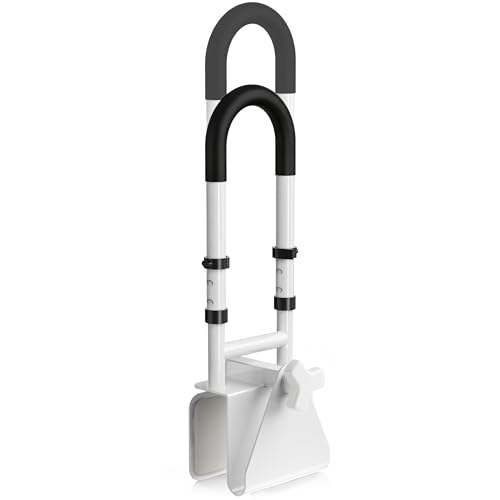
Adjustable Bathtub Safety Rail, Bathtub Handle Grab Bar with Non-Slip Grip for Seniors, Elderly, Fits 3.1 to 6.7 Inch Tub Walls, Supports 300 lbs
Confirm Before Purchase:Check if the edge of your bathtub is smooth and flat. The clamp must be secured…
As an affiliate, we earn on qualifying purchases.
As an affiliate, we earn on qualifying purchases.
What to look for in handle design and material
The handle is the critical interface between you and your bath aid. Its design influences safety, comfort, and ease of use. Handles made of slip-resistant materials like textured rubber or silicone help prevent accidents, especially when wet. Adjustable or telescoping handles are particularly beneficial because they allow you to customize the length based on your bathroom layout and personal comfort, reducing the need for risky stretching or twisting.
Choosing the right handle involves understanding your specific needs: For example, if you have limited arm mobility, a lightweight, extendable handle that can be easily adjusted with minimal effort is ideal. Ergonomic features such as contoured grips or ridged textures improve control, especially if you have weak or arthritic hands.
Tradeoffs include potential difficulty in adjusting telescoping handles if mechanisms are stiff or prone to slipping. Also, softer materials might wear down faster, requiring replacement. The key is to select handles that balance durability with ergonomic comfort, ensuring safety and ease of handling over time.
Practical step: Test handle materials and mechanisms before purchase, and consider how handle length and grip design align with your physical capabilities and bathroom setup to prevent slips and improve control.

INNERNEED Food-Grade Soft Silicone Body Scrubber Shower Brush Handheld Cleansing Skin Brush, Gentle Exfoliating and Lather Well (Black)
More Hygienic and Easy to clean: This silicone body scrubber is made of food-grade silicone material that is…
As an affiliate, we earn on qualifying purchases.
As an affiliate, we earn on qualifying purchases.
How to choose based on safety and ease of use

EcoTools Bath Bristle Brush, Bath Brush with Long Handle, Cleanse Back & Hard-to-Reach Areas, Eco Friendly Shower Brush for Exfoliating, Cruelty Free Nylon Bristles, Vegan, 1 Count
EcoTools Bath Bristle Brush is best for gentle cleansing in the bath or shower. Soft brush bristles on…
As an affiliate, we earn on qualifying purchases.
As an affiliate, we earn on qualifying purchases.
The hottest innovations in long-handled bath aids right now
Technology and materials are evolving fast. Today, you’ll find antimicrobial coatings that actively kill bacteria on contact, which reduces the risk of infections—a crucial benefit for those with compromised skin or immune systems. Eco-friendly handles made from biodegradable plastics are not only sustainable but also often feature enhanced grip textures for safety.
Adjustable, telescoping handles are now more durable and smoother in operation, reducing the frustration of slipping or breaking. Wall-mounted, suction-cup handles are designed to stay securely in place, providing extra leverage and stability, especially for those with balance issues.
Ergonomic designs now incorporate grip contours tailored to different hand sizes, making it easier for everyone to hold and maneuver aids confidently. These innovations collectively aim to improve safety, hygiene, and user comfort, encouraging independence and reducing caregiver reliance.
Practical takeaway: Stay informed about these technological trends, as investing in updated aids can significantly enhance your bathing safety and comfort, helping you maintain independence longer.
How to keep your bath aids clean and safe
Proper cleaning and maintenance are essential for extending the lifespan of your bath aids and preventing bacteria buildup. Rinse your sponge or brush thoroughly after each use, paying special attention to any textured surfaces where soap residue or grime can hide. Use warm water with a mild soap or disinfectant—think of it as giving your tools a quick health check and spa treatment.
Replace sponge heads every 3 to 6 months, or sooner if they develop odors or visible wear, to ensure optimal hygiene. Regularly inspect handles for cracks, looseness, or deterioration, as compromised parts can cause accidents. Dry your aids thoroughly after cleaning and store them in a dry, well-ventilated area to prevent mold or bacterial growth.
Practical advice: Incorporate routine cleaning into your weekly hygiene schedule. Using disinfectant sprays or soaking aids in diluted disinfectant solutions can help keep bacteria at bay, ensuring your tools remain safe and effective over time.
Tradeoffs include the need for regular replacement and cleaning versus the risk of infections or device failure. Prioritizing hygiene maintenance is a simple yet vital step to ensure your bathing aids remain safe and functional, supporting your independence and health.
Matching your aid to your bathroom and personal needs
The best bath aid integrates seamlessly into your environment and supports your routine. For smaller bathrooms, space-saving, wall-mounted options reduce clutter and make the most of limited space. If you have limited mobility, lightweight, extendable models help you reach difficult areas without straining or risking falls. For sensitive skin, choosing soft, hypoallergenic materials minimizes irritation and discomfort.
Imagine a person with arthritis installing a suction-cup handle near the shower entrance, combined with a long-handled sponge stored within easy reach. This tailored setup transforms what could be a challenging task into a safe, manageable routine. The key is to evaluate your specific needs—space constraints, physical limitations, and skin sensitivities—and select aids that complement your environment and lifestyle.
Practical step: Take measurements of your bathroom space, assess your mobility and skin considerations, and then choose aids that fit those parameters. Customizing your setup ensures safety, comfort, and independence, making daily bathing less stressful and more confident.
Tradeoffs might involve choosing aids that are either too bulky or insufficiently versatile. Proper assessment and matching help you avoid these pitfalls, leading to a safer, more efficient bathing routine tailored to your personal circumstances.
Frequently Asked Questions
How do I know if a long-handled sponge will work for my back and shoulders?
Measure your arm length and consider the handle length of the sponge. Look for models with adjustable or telescoping handles—these let you customize reach without strain. Try holding the handle in your hand before buying to ensure a comfortable grip and control. Additionally, test the weight and grip texture to see if it feels secure, as this impacts safety and ease of use during your routine.
What materials are safest for sensitive or allergic skin?
Opt for hypoallergenic, soft, and non-abrasive materials like silicone, gentle foam, or microfiber. These materials minimize irritation and are less likely to cause allergic reactions. Avoid rough or synthetic fabrics that can aggravate sensitive skin. Checking product labels for skin-friendly certifications or antimicrobial coatings can further help ensure safety and comfort.
How often should I replace my bath aids?
Most bath aids should be replaced every 3 to 6 months, especially after visible wear, odor, or if they show signs of deterioration such as cracks or loose handles. Regular inspection and prompt replacement prevent bacteria buildup and ensure the tools remain safe and effective, supporting consistent independence and hygiene.
Are there specific features I should look for if I have arthritis?
Yes. Select aids with lightweight, ergonomic handles featuring textured grips for easy handling. Telescoping or adjustable models reduce the need for stretching, and simple mechanisms—like push buttons or locking handles—require minimal effort. These features help maintain independence while minimizing discomfort and fatigue.
Can I use these aids if I have limited hand strength or grip issues?
Absolutely. Look for aids with large, textured, non-slip handles that are easy to grasp. Handles with cushioned or soft grips reduce fatigue and improve control. Testing different models for comfort and grip before purchasing can help you identify the most suitable options, ensuring safe and effective use tailored to your needs.
Conclusion
Investing in the right long-handled sponge or bath aid transforms a daily chore into a safe, independent activity. Focus on handle design, safety features, and materials that match your needs, and you’ll enjoy better hygiene with less effort.
Think of your bath aid as a trusted helper—ready to assist you in staying clean, safe, and confident every day. Your perfect match is out there, just waiting to make bathing effortless.