
TL;DR

Get everyday helpers delivered free with Prime
- Fast, free delivery on millions of items
- Prime Video, Amazon Music and more included
- Member-only deals all year
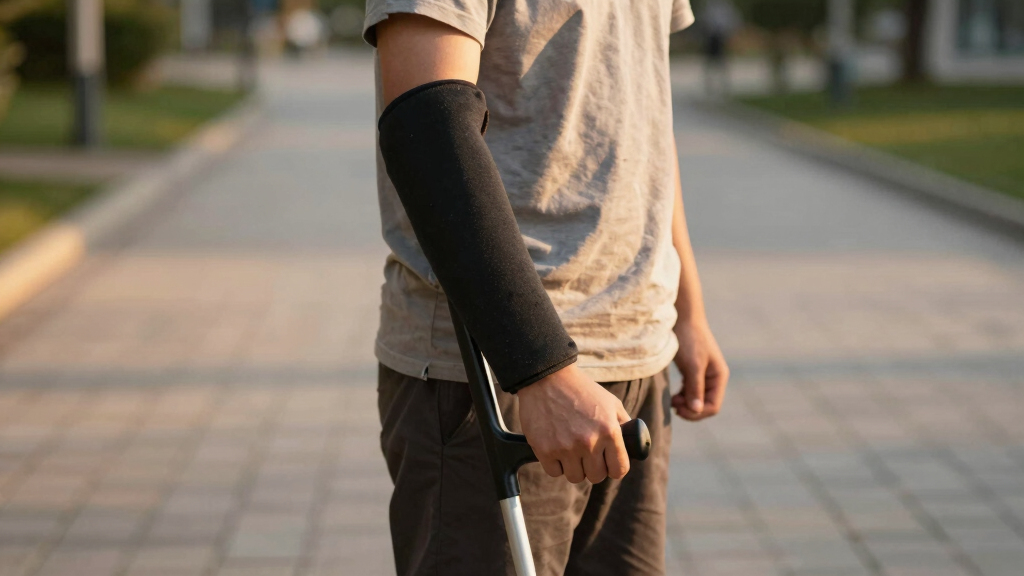
Selecting the right forearm crutch hinges on proper fit, lightweight but durable materials, and safety features. Recent innovations like ergonomic design and foldability make choosing easier. This guide helps you make an informed decision to improve mobility and comfort.
Prioritize proper fit: your crutch should snugly support your forearm and wrist at the right height.
Lightweight aluminum crutches are ideal for everyday mobility and travel, but steel offers more durability for rugged use.
Comfort features like padded cuffs and ergonomic grips reduce fatigue and pressure points.
Review recent innovations, such as foldability and shock absorption, to find a model that suits your lifestyle.
Always check for signs of improper fit or use, like numbness or pain, and adjust or seek professional advice if needed.
How to Tell if Your Crutch Fits Perfectly
The most important part of choosing a forearm crutch is ensuring it fits your body correctly, because improper fit can lead to discomfort, fatigue, or secondary injuries. When adjusted properly, the top cuff should hug your forearm securely without causing pinching or restricting circulation. If it’s too tight, it can lead to numbness and swelling; too loose, and the crutch will slip, forcing you to compensate with awkward movement. The handle should be positioned at wrist level with a slight bend in your elbows — this positioning minimizes strain on your shoulders and wrists during use. An ill-fitting crutch can cause muscle fatigue, joint stress, and even exacerbate existing injuries if it shifts or causes uneven weight distribution. Proper fit not only enhances comfort but also ensures stability and confidence while walking, reducing the risk of falls or secondary injuries.
To check your fit, stand naturally and observe whether the cuff rests comfortably around your forearm without pinching or slipping. Adjust the height until the cuff is snug but not tight, and the handle aligns with your wrist. Remember, a well-fitted crutch allows you to walk with a natural gait, conserving energy and reducing strain on your body. The tradeoff of a poor fit is increased fatigue, discomfort, and potential injury — so taking the time to get it right is essential for both safety and comfort.
As an affiliate, we earn on qualifying purchases.
Pick the Right Material and Weight for Your Lifestyle
Choosing between aluminum and steel isn’t just about weight — it’s about understanding how each material impacts your daily life. Aluminum crutches are significantly lighter, often around 3-4 pounds, which makes them easier to carry, especially if you need to use them for extended periods or during travel. Their lightweight nature reduces fatigue and makes maneuvering less cumbersome, which is crucial for maintaining independence. However, aluminum can be less durable under extreme stress or rough terrain, potentially bending or denting if mishandled. Steel crutches, although heavier (5-6 pounds), offer superior strength and durability, making them suitable for users who require extra stability or who frequently walk on uneven surfaces. The tradeoff is increased weight, which can cause fatigue over time and make daily activities more taxing.
Understanding your routine helps determine the best material. For example, if you’re a commuter who walks a lot or travels often, lightweight aluminum models with foldability features are advantageous for portability. Conversely, if your activities involve rugged outdoor use or require maximum stability, steel crutches may be the better choice despite the added weight. The implication here is that your choice of material directly influences your comfort, energy expenditure, and safety. Opting for the right material means balancing durability with ease of use, ensuring your mobility aid supports your lifestyle without becoming a burden.
lightweight aluminum forearm crutches
As an affiliate, we earn on qualifying purchases.
As an affiliate, we earn on qualifying purchases.
The Comfort and Safety Factors That Matter Most
Comfort isn’t just a luxury — it’s a necessity because it directly affects your ability to walk safely and without pain. Padded cuffs and ergonomic handgrips are designed to distribute pressure more evenly across your forearm and hand, reducing soreness, blisters, or numbness after prolonged use. For example, textured, cushioned handles help prevent slipping and provide a more secure grip, especially when your hands are sweaty or in wet conditions. Without these features, users often experience discomfort that can lead to fatigue or improper use, increasing the risk of falls. Additionally, safety features like non-slip rubber tips, shock-absorbing pads, and textured bases not only provide stability but also absorb impact, reducing stress on joints and muscles during movement. This is especially important on uneven terrain or slippery surfaces, where stability can be compromised. Investing in comfort and safety features means you’re less likely to develop secondary injuries or fatigue, enabling longer, safer walks and greater independence.
The tradeoff here involves balancing comfort with practicality; overly padded or cushioned parts might wear out faster or add weight, but the overall benefit is a safer, more comfortable experience that encourages consistent use and reduces injury risk.
ergonomic forearm crutches with padded cuffs
As an affiliate, we earn on qualifying purchases.
As an affiliate, we earn on qualifying purchases.
How to Adjust Your Crutches Step-by-Step
- Stand upright with your shoes on — don’t lean on anything.
- Adjust the height so that the top cuff sits snugly around your forearm, about 1-2 inches below your armpit, to prevent excessive pressure and ensure stability.
- Set the handgrip so that your elbow is slightly bent at 15-30 degrees when holding it — this position reduces fatigue and allows natural arm movement.
- Test your fit by walking a few steps, paying attention to how the crutch feels in terms of comfort and balance. If you notice discomfort or instability, recheck the height and grip placement.
- Make fine adjustments as needed, considering your comfort and gait. Properly adjusted crutches distribute weight evenly, prevent muscle strain, and promote confidence in walking.
foldable forearm crutches with shock absorption
As an affiliate, we earn on qualifying purchases.
As an affiliate, we earn on qualifying purchases.
Compare the Best Features in Forearm Crutches
| Feature | Lightweight Aluminum | Heavy-duty Steel | Foldable Design |
|---|---|---|---|
| Weight | 3-4 pounds | 5-6 pounds | Slightly heavier, but portable |
| Durability | High, resistant to corrosion | Very high, withstands tough use | Usually comparable to aluminum, depends on model |
| Ease of Transport | Excellent, folds easily | Moderate, may require disassembly | Very good, saves space in bags or cars |
| Ideal For | Daily use, travel, active lifestyles | Rough terrain, heavy use | Travel, storage, quick trips |
Latest Innovations Making Your Choice Smarter
Recent designs focus on ergonomic comfort and ease of use. Modern crutches feature contoured cuffs that hug your forearm, reducing strain. Lightweight alloys and composites make travel effortless. Foldable models with quick-release mechanisms help you stow your crutches in seconds. Shock absorption technology now reduces impact stress on shoulders and wrists, making longer walks more comfortable.
For example, some models now include adjustable shock-absorbing tips, perfect for outdoor adventures or uneven surfaces. These innovations aim to make mobility aids not just functional but also pleasant to use.
Are You Choosing the Right Crutch for Your Environment?
Indoor use usually calls for lightweight, easy-to-maneuver models with non-slip rubber tips. Outdoors, you’ll want rugged, textured tips that grip gravel or wet leaves. For example, if you frequently walk in parks or on uneven sidewalks, select a crutch with a wider, non-slip tip for stability. If your home has smooth floors, almost any model will do.
Consider your environment — a crutch that slips on wet surfaces could cause falls. Test different tips if possible, and choose ones suited for your typical terrain.
Signs Your Crutches Don’t Fit or Work Well
Feeling numbness, tingling, or pain in your hands, wrists, or shoulders signals poor fit or improper use. Excessive fatigue after walking short distances also indicates your crutches aren’t right for you. For example, if your forearm cuff leaves marks or causes discomfort, it’s time to re-adjust or try a different model. An ill-fitting crutch can lead to secondary injuries or worsen existing issues.
Always listen to your body. If discomfort persists despite adjustments, consult a healthcare professional for guidance.
Frequently Asked Questions
How do I know if my crutches fit properly?
Your crutch’s top cuff should fit snugly around your forearm without pinching, and the handgrip should be at wrist level when standing with a slight elbow bend. Proper fit ensures comfort and reduces strain.What is the best material for a forearm crutch?
Most people prefer aluminum for its lightweight and durability, making it easier to carry and maneuver. Steel offers extra strength but adds weight, so choose based on your activity level and comfort.How do I adjust the height of my crutches?
Most models have push-button or screw mechanisms. Adjust so that the top cuff is about 1-2 inches below your armpit, and the handgrip lines up with your wrist when standing upright.Are foldable crutches better?
Foldable crutches are more portable and convenient for travel or storage. While they might be slightly less sturdy than fixed models, modern designs often balance durability with ease of transport.How long should I use forearm crutches?
Duration depends on your injury or condition. Follow your healthcare provider’s advice, but generally, you’ll use them until you regain sufficient mobility or strength to walk unaided.Conclusion
Choosing the right forearm crutch transforms mobility from a challenge into independence. Focus on fit, comfort, and safety features that match your daily life. Remember, a well-fitted crutch isn’t just a support — it’s your partner in staying active and confident.Step into your journey with the right tool, and never underestimate how much a perfect fit can change your day.
Evergreen bestsellers Picks
bestsellers
As an affiliate, we earn on qualifying purchases.