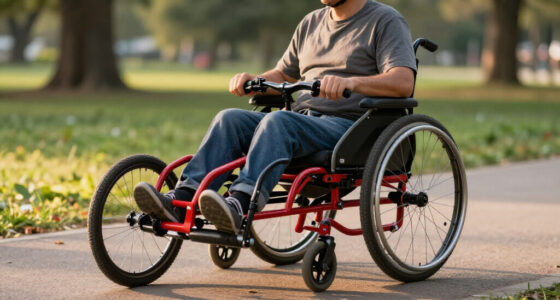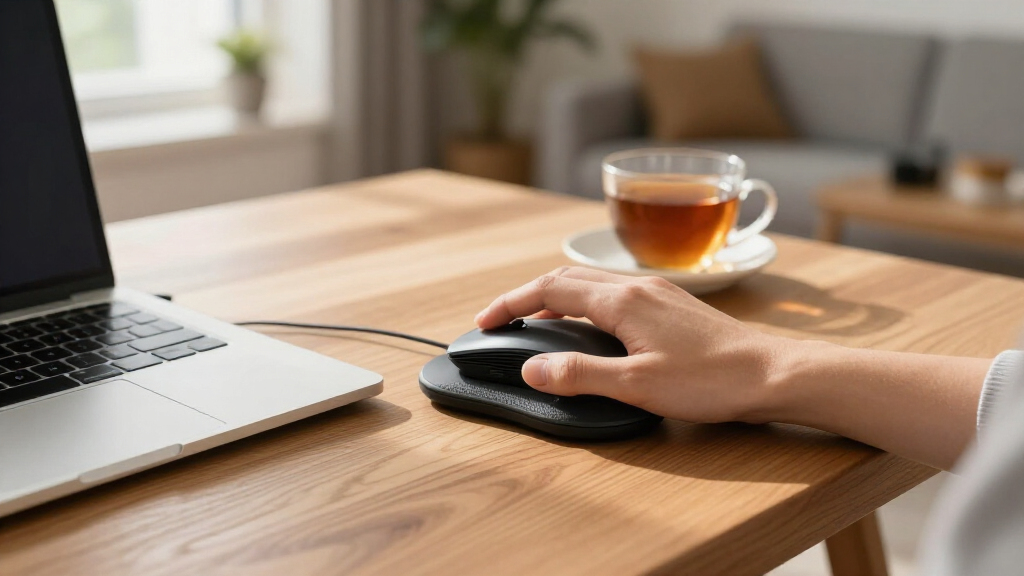

Finding the best adaptive computer mice for limited dexterity involves balancing ease of use with functionality. The Nulea M501 stands out for its ergonomic thumb control, offering precise movement for users with limited fine motor skills. The GlassOuse V1.4 provides a hands-free experience, ideal for those who prefer gesture-based control or have severe mobility restrictions. Meanwhile, the Logitech Ergo M575S offers a comfortable, trackball-based design suited for long-term use. Readers should be aware of tradeoffs like device complexity versus cost and the learning curve associated with some models. Continue reading for a detailed analysis of these options and more.

Get everyday helpers delivered free with Prime
- Fast, free delivery on millions of items
- Prime Video, Amazon Music and more included
- Member-only deals all year
Key Takeaways
- Ergonomic design and thumb control features significantly improve usability for users with limited dexterity.
- Hands-free or wearable options like the GlassOuse provide alternative control methods but may require an adjustment period.
- Trackball mice often offer better precision and less strain, making them a strong choice for extended use.
- Price varies widely, with premium models offering more customization but at a higher cost, while budget options focus on simplicity.
- Compatibility and setup ease are critical, especially for users with limited technical skills or disabilities.
| Nulea M501 Wireless Trackball Mouse Ergonomic Thumb Control with 4 DPI Levels |  | Best Overall for Comfort and Precision | DPI Levels: 4 | Connectivity: Bluetooth and USB dongle | Battery: Rechargeable | VIEW LATEST PRICE | See Our Full Breakdown |
| GlassOuse V1.4 Wireless Bluetooth Wearable Hands-Free Mouse for Gamers and People with Disabilities |  | Best for Hands-Free Control via Head Movements | Connectivity: Bluetooth 4.0 | Battery Life: 10X longer than previous version | Compatibility: Mobile phones, computers, tablets, Smart TVs | VIEW LATEST PRICE | See Our Full Breakdown |
| Kensington Orbit Trackball Mouse with Scroll Ring (K72337US) |  | Best for Precise Cursor Control and Ambidextrous Use | Dimensions: 4 1/2 x 5 1/2 x 2 inches | Tracking Technology: Optical | Ball Size: 40mm | VIEW LATEST PRICE | See Our Full Breakdown |
| Glassouse V1.4 Wireless Bluetooth Wearable Hands-Free Mouse for Gamers |  | Best for Hands-Free Pointer Control with Software Options | Connectivity: Bluetooth 4.0 | Battery Life: 10X longer than previous version | Compatibility: Mobile phones, computers, tablets, Smart TVs | VIEW LATEST PRICE | See Our Full Breakdown |
| Logitech Ergo M575S Wireless Ergonomic Trackball Mouse – Black |  | Best for Forearm Posture and Space-Saving Design | Connectivity: Wireless | Color: Black | Type: Trackball Mouse | VIEW LATEST PRICE | See Our Full Breakdown |
| AbleNet BIGtrack 2 Trackball – Adaptive Mouse for Special Needs and Users with Limited Fine Motor Skills |  | Best for Basic Accessibility and Durability | Trackball Size: Large | Buttons: 2 blue buttons | Designed For: Users with disabilities and limited fine motor skills | VIEW LATEST PRICE | See Our Full Breakdown |
| adaptive computer mice for limited dexterity | Connectivity | Compatibility | Battery Life |
|---|---|---|---|
| Nulea M501 Wireless Trackball | Bluetooth and USB dongle | Works on various surfaces and workplaces | — |
| GlassOuse V1.4 Wireless Blueto | Bluetooth 4.0 | Mobile phones, computers, tablets, Smart TVs | 10X longer than previous version |
| Kensington Orbit Trackball Mou | — | — | — |
| Glassouse V1.4 Wireless Blueto | Bluetooth 4.0 | Mobile phones, computers, tablets, Smart TVs | 10X longer than previous version |
| Logitech Ergo M575S Wireless E | Wireless | — | Long-lasting |
| AbleNet BIGtrack 2 Trackball | — | — | — |
More Details on Our Top Picks
Nulea M501 Wireless Trackball Mouse Ergonomic Thumb Control with 4 DPI Levels
The Nulea M501 stands out for its ergonomic thumb control, making it ideal for those who prioritize comfort during prolonged use, especially compared to the Kensington Orbit’s traditional shape. Its wireless connectivity and rechargeable battery provide freedom of movement, though the buttons are not programmable, which limits customization. Compared to the GlassOuse options, it offers more stability for users who prefer a stationary device rather than wearables. The adjustable DPI levels enhance precision, which is essential for users needing fine control, but the need to carefully manage charging cables can be a minor inconvenience. Overall, this mouse offers a balanced mix of comfort and accuracy, suited for users with limited hand mobility who want reliable, all-day use.
Pros:- Ergonomic design reduces muscle stress during long sessions
- Wireless connectivity with easy device switching
- Rechargeable battery eliminates disposable batteries
- Precise cursor movement with adjustable DPI
Cons:- All buttons are not programmable, limiting customization
- Requires careful charging with included cable, avoid fast chargers
Best for: Individuals seeking a comfortable, precise trackball mouse for daily, extended computer use
Not ideal for: Users who need extensive button customization or prefer wearable devices for mobility
- DPI Levels:4
- Connectivity:Bluetooth and USB dongle
- Battery:Rechargeable
- Buttons:6
- Compatibility:Works on various surfaces and workplaces
Our verdict“This pick is best for users who want comfort and accuracy without sacrificing ease of use or mobility.”
GlassOuse V1.4 Wireless Bluetooth Wearable Hands-Free Mouse for Gamers and People with Disabilities
The GlassOuse V1.4 offers a unique hands-free experience, making it suitable for users who find traditional mice challenging. Its head-controlled pointer system is a significant advantage over the Kensington Orbit, which requires hand movement, but it comes with a learning curve and might not suit everyone’s comfort level with wearable tech. The upgraded battery life and durability make it more practical than earlier versions, especially for those who need reliable, long-term use. However, wearing glasses can be uncomfortable for some, and controlling the cursor precisely takes practice. This device is best for users with limited mobility who prefer a wearable, non-traditional input method, though it might not appeal to those seeking conventional mouse functionality.
Pros:- Hands-free pointer control through head movements
- Compatible with multiple devices via Bluetooth
- Longer battery life and improved durability
- Ideal for users with limited hand mobility
Cons:- Wearing glasses may not be comfortable for all users
- Learning curve for precise control and familiarization
- Limited to users comfortable with wearable tech
Best for: People with restricted mobility who are comfortable with wearable tech and head control
Not ideal for: Users who dislike wearing glasses or need highly precise, traditional mouse control
- Connectivity:Bluetooth 4.0
- Battery Life:10X longer than previous version
- Compatibility:Mobile phones, computers, tablets, Smart TVs
- Frame Material:Durable frame and arm design
Our verdict“This is a highly effective option for users who want hands-free, head-controlled mouse movement despite the adaptation needed.”
Kensington Orbit Trackball Mouse with Scroll Ring (K72337US)
The Kensington Orbit excels in providing accurate, smooth cursor movement thanks to its optical tracking and large 40mm ball, making it a strong competitor to the Nulea M501’s precision features. Its unique scroll ring simplifies navigation, and the detachable wrist rest enhances comfort during extended sessions. Unlike the GlassOuse wearable options, it offers a traditional, stationary control method that many users find easier to master. Its ambidextrous design makes it versatile for both hands, but the software customization is limited for ChromeOS users, potentially restricting tailored adjustments. This mouse suits users who prefer a larger, stationary device with ergonomic support over wearable or head-controlled options, though it may require some adaptation for those unused to trackballs.
Pros:- Precise optical tracking for accurate cursor movement
- Ergonomic design with detachable wrist rest
- Unique scroll ring for easy navigation
- Ambidextrous for both right and left-handed users
Cons:- ChromeOS users cannot customize device settings
- Limited software customization options for some users
Best for: Users who prioritize precise control and ergonomic comfort in a stationary device
Not ideal for: Those who want a fully customizable device or are looking for a wearable solution
- Dimensions:4 1/2 x 5 1/2 x 2 inches
- Tracking Technology:Optical
- Ball Size:40mm
- Design:Ambidextrous
- Wrist Rest:Detachable, ergonomic
- Software:KensingtonKonnect
Our verdict“This mouse is best for users who want precise, ergonomic control with a stationary device rather than wearable tech.”
Glassouse V1.4 Wireless Bluetooth Wearable Hands-Free Mouse for Gamers
The Glassouse V1.4 provides an alternative to traditional mice by controlling the pointer through head movements, making it ideal for users with very limited mobility. Compared to the Kensington Orbit, it offers a wearable solution that frees the hands entirely, but it requires a period of adjustment and comfort with wearing glasses. Its improved battery life and sensitivity are notable upgrades, yet the need for accompanying software or series for precise control could be a hurdle for some. The device’s style and fit vary, and the learning curve is steeper for users unfamiliar with head-based input. This option makes the most sense for users who need a hands-free solution and are willing to adapt to this novel control method, rather than those seeking traditional control or high customization.
Pros:- Hands-free pointer control ideal for restricted mobility
- Longer battery life and improved sensitivity
- Compatible with multiple devices via Bluetooth
- Unique alternative to hand-based mice
Cons:- Styling and fit may vary for hinges and comfort
- Requires setup with software for precise control
- Learning curve for new users
Best for: Users with significant mobility restrictions who prefer a wearable, head-controlled device
Not ideal for: Those uncomfortable with wearing glasses or requiring high-precision, traditional mice
- Connectivity:Bluetooth 4.0
- Battery Life:10X longer than previous version
- Compatibility:Mobile phones, computers, tablets, Smart TVs
- Control Method:Head movements, software options
Our verdict“This wearable device is best for users seeking a hands-free, head-controlled mouse alternative despite the adaptation needed.”
Logitech Ergo M575S Wireless Ergonomic Trackball Mouse – Black
The Logitech Ergo M575S offers a space-conscious, ergonomic alternative to traditional mice, focusing on reducing forearm strain through its thumb-controlled trackball. It is well-suited for users who prefer a stationary device but want the benefits of wireless convenience. Compared to the Nulea M501, it emphasizes space-saving and forearm comfort rather than detailed precision, making it a strong choice for users with limited hand mobility who want to minimize strain. Its design limits use to right-handed users, and adapting to the trackball may take some time if you’re accustomed to standard mice. This model fits those prioritizing ergonomic posture and simplicity over customization or multi-device switching.
Pros:- Ergonomic design reduces forearm strain
- Wireless connectivity for convenience
- Long-lasting battery minimizes replacements
- Space-saving thumb control
Cons:- Requires adaptation if used to traditional mice
- Limited to right-handed use
Best for: Individuals seeking an ergonomic, space-saving trackball mouse for daily use
Not ideal for: Users who need extensive customization or prefer a traditional mouse form factor
- Connectivity:Wireless
- Color:Black
- Type:Trackball Mouse
- Ergonomics:Ergonomic design
- Battery Life:Long-lasting
Our verdict“This mouse is ideal for users who want ergonomic, space-efficient control without sacrificing wireless convenience.”
AbleNet BIGtrack 2 Trackball – Adaptive Mouse for Special Needs and Users with Limited Fine Motor Skills
The AbleNet BIGtrack 2 Trackball stands out for its large, easy-to-maneuver trackball and two sizable buttons, making it an excellent choice for users with limited dexterity who need straightforward cursor control. Compared with the Kensington Orbit Trackball, which offers a scroll ring and more advanced features, this model emphasizes simplicity and robustness, though it sacrifices customization and advanced functionality. Its durable build ensures long-term reliability, but its bulky design can hinder portability and may not suit those needing a compact setup or multi-function options. This pick is ideal for individuals who prioritize basic, dependable operation over bells and whistles.
Pros:- Large trackball provides precise and effortless cursor movement
- Two big buttons simplify operation for limited dexterity
- Robust construction ensures durability for long-term use
Cons:- Limited to basic mouse functions, lacking advanced features like customizable buttons or DPI settings
- Design may feel bulky or unwieldy for users needing a portable or sleek device
Best for: Users with severe motor challenges who need a straightforward, durable, and easy-to-use trackball mouse
Not ideal for: Tech-savvy users seeking advanced features or customization options, or those who prefer a more compact device for portability
- Trackball Size:Large
- Buttons:2 blue buttons
- Designed For:Users with disabilities and limited fine motor skills
- Durability:Robust and long-lasting
Our verdict“This model is best suited for users who need a durable, simple trackball with straightforward controls and minimal features.”
How We Picked
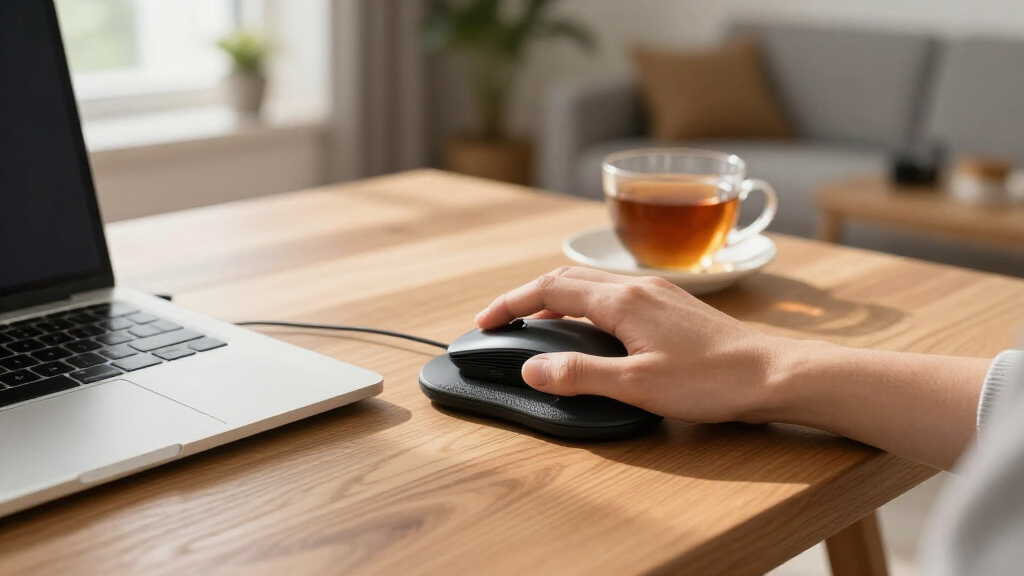
In selecting these mice, I prioritized accessibility features, ease of use, ergonomic comfort, and build quality. Devices had to demonstrate reliable performance in controlling the cursor with limited dexterity, whether through alternative input methods or ergonomic design. I also considered user feedback, durability, and value for different budgets. The ranking reflects a balance between advanced functionality and practicality for everyday use, highlighting options suitable for various levels of mobility and experience.| adaptive computer mice for limited dexterity | Connectivity | Compatibility |
|---|---|---|
| Nulea M501 Wireless Trackball | Bluetooth and USB dongle | Works on various surfaces and workplaces |
| GlassOuse V1.4 Wireless Blueto | Bluetooth 4.0 | Mobile phones, computers, tablets, Smart TVs |
| Kensington Orbit Trackball Mou | — | — |
| Glassouse V1.4 Wireless Blueto | Bluetooth 4.0 | Mobile phones, computers, tablets, Smart TVs |
| Logitech Ergo M575S Wireless E | Wireless | — |
| AbleNet BIGtrack 2 Trackball | — | — |
Factors to Consider When Choosing Best Adaptive Computer Mice For Limited Dexterity
Choosing the best adaptive mouse for limited dexterity requires understanding your specific needs and the tradeoffs involved. Factors like control mechanism, ergonomic comfort, setup complexity, and compatibility can make a significant difference in daily usability. By considering these aspects, you can find a device that not only fits your physical capabilities but also enhances your overall computing experience.Control Method and Input Options
Adaptive mice come with various control mechanisms, from thumb-controlled trackballs to wearable gesture devices. Think about your comfort with different input styles and whether you prefer physical buttons, a trackball, or hands-free gestures. Some users benefit from devices that offer multiple modes, but these often come with increased complexity. Consider how intuitive the control method is for your needs and whether a learning curve might impact your productivity or comfort.
Ergonomics and Design
Design is crucial when it comes to comfort and reducing strain. Ergonomic shapes that support natural hand positions can help prevent fatigue and discomfort over long periods. If you have limited dexterity, a larger, contoured device might be easier to manipulate than smaller, flat mice. Be aware that some ergonomic designs may compromise portability or require a specific hand orientation, so choose a model that aligns with your daily use patterns.
Compatibility and Ease of Setup
Ensure your chosen device seamlessly connects with your computer and operating system. Some adaptive mice work via Bluetooth, while others use USB receivers; both have pros and cons regarding speed and reliability. Devices with straightforward setup and minimal drivers are preferable for users who may not be comfortable with complex installation processes. Compatibility with assistive technology or accessibility software can also influence your decision.
Price and Value
Pricing varies across the spectrum, from budget-friendly models to premium devices with advanced features. While higher-end options often provide better build quality and customization, they may not be necessary for all users. Consider your budget and how much you are willing to invest in a device that improves your daily computing. Sometimes, spending more upfront can reduce frustration and increase productivity in the long run.
Durability and Maintenance
Adaptive mice are used more intensively and often need to withstand frequent adjustments or transport. Look for models with sturdy construction, quality buttons, and easy-to-clean surfaces. Devices that require frequent calibration or have delicate parts may lead to frustration and additional costs over time. Reading user reviews on durability can help you avoid models prone to failure or excessive wear.
Frequently Asked Questions
Can I use these adaptive mice with any computer or operating system?
Most of these devices are designed to be compatible with major operating systems like Windows, macOS, and sometimes Linux. However, it’s important to verify compatibility with your specific setup, especially if you rely on assistive technologies. Some models may require specific drivers or software, so checking manufacturer specifications before purchase can save time and frustration.
Are wearable or hands-free mice suitable for long-term daily use?
Wearable devices like the GlassOuse can be highly beneficial for users with severe mobility limitations, but they may take time to master. For prolonged use, comfort and battery life are important considerations. Some users find these devices reduce fatigue, but others might experience discomfort after extended periods. Trying a demo or reading user reviews about long-term comfort can help determine if they’re right for you.
Is it better to choose a trackball or gesture-based adaptive mouse?
Trackball mice like the Kensington Orbit often offer precise control with less movement and strain, making them suitable for users with limited dexterity. Gesture-based devices provide a hands-free experience that can be more natural for some but may have a steeper learning curve. Your choice depends on your comfort with each control style and how much physical effort you’re able or willing to exert during use.
Do adaptive mice require special cleaning or maintenance?
Yes, regular cleaning can extend the lifespan and maintain performance, especially for devices with buttons or scroll rings. Using compressed air or gentle cleaning solutions helps prevent dust and debris buildup. For wearable devices, wiping sensors and contacts is recommended. Proper maintenance prevents issues like sticking buttons or connectivity problems, ensuring consistent usability.
When should I consider investing in a premium adaptive mouse?
If you rely heavily on your computer for daily tasks and need a device that offers high precision, customization, and durability, investing in a premium model makes sense. These often include better ergonomic features, more control options, and longer-term reliability. For casual or occasional use, more affordable options can provide adequate functionality without the higher price tag.
Conclusion
For users with limited dexterity seeking a straightforward, reliable option, the Logitech Ergo M575S offers excellent value with its ergonomic design and trackball control. Those requiring a hands-free experience, especially for severe mobility challenges, should consider the GlassOuse V1.4 for its innovative gesture control. If budget is a concern but usability remains a priority, the Nulea M501 provides a good balance of comfort and functionality. For beginners, a simple, plug-and-play model might be best, while advanced users looking for customization should explore premium options like specialized ergonomic designs or multi-mode devices. Tailoring your choice to your specific needs and comfort level will ensure the best experience.
Columbus Day / Indigenous Peoples' Day Picks
long weekend sales
As an affiliate, we earn on qualifying purchases.