
TL;DR

Get everyday helpers delivered free with Prime
- Fast, free delivery on millions of items
- Prime Video, Amazon Music and more included
- Member-only deals all year
Choosing the right wheelchair tires and wheels affects comfort, safety, and maintenance. This guide covers types, recent tech, and how to pick the best setup for your lifestyle.
Imagine rolling onto a busy sidewalk or a rough trail. Your wheels hit the terrain—smooth pavement or uneven gravel—and your comfort and confidence depend heavily on the tires and wheels you choose.
Every wheelchair user faces a crucial decision: what kind of tires will give the best ride, last the longest, and suit their lifestyle? This guide will unpack the options, recent innovations, and practical tips to help you pick the perfect match for your needs.
Choose pneumatic tires for smooth rides and shock absorption but be prepared for maintenance.
Solid tires are low-maintenance and puncture-proof, ideal for indoor or rugged outdoor use.
Larger wheels with deep treads improve outdoor traction, while smaller, smooth tires excel indoors.
Recent innovations like foam-filled and smart tires bridge performance gaps, offering durability and safety.
Always verify compatibility with your wheelchair’s specifications before purchasing new tires or wheels.
Choose the wheel setup that matches your terrain, comfort, and confidence.
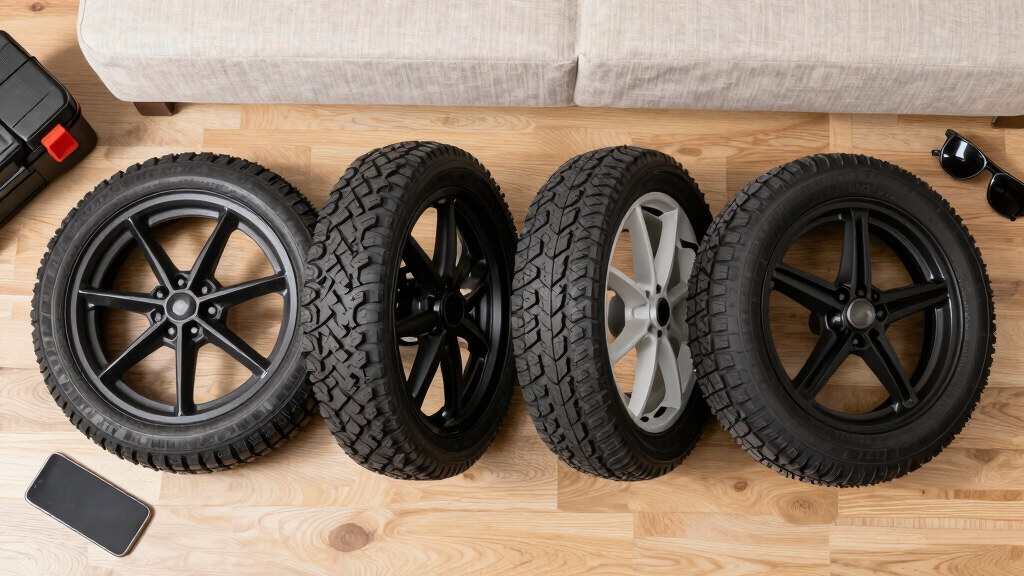
TL;DR: Wheelchair tires and wheels shape ride comfort, safety, maneuverability, and maintenance. Pneumatic tires cushion the ride, solid tires remove flat worries, and foam-filled options now offer a practical middle ground for many everyday users.
Foam-filled
Recent airless designs mimic pneumatic comfort while reducing puncture risk and routine repair needs.
Terrain first
Indoor floors, sidewalks, trails, and transit routes each reward different wheel sizes and tread patterns.
Verify specs
Always confirm tire size, axle type, rim fit, and wheelchair manufacturer compatibility before buying.
The three tire types feel very different on the ground.
Pneumatic, solid, and foam-filled tires each balance comfort, durability, maintenance, and fatigue in a different way. The best choice is usually the one that fits your daily route instead of the one that looks most rugged.
Pneumatic Tires
Best for: smoother ride quality and shock absorption. They soften bumps on sidewalks, parks, and mixed surfaces, but require pressure checks and can puncture.
Solid Tires
Best for: low-maintenance reliability. Solid rubber never goes flat, making it useful indoors or in facilities, though the ride can feel firmer on uneven ground.
Foam-Filled Tires
Best for: a balanced setup. Foam-filled tires resist punctures while offering more cushioning than solid rubber, with less upkeep than pneumatic tires.
Wheel size and tread decide how hard you work.
Larger, deeper-tread tires improve grip and obstacle clearance outdoors. Smaller, smoother tires reduce rolling resistance and make tight indoor turns easier. Mixed environments often call for a compromise or quick-release swap strategy.
| Feature | Indoor Use | Outdoor Use | Tradeoff Signal |
|---|---|---|---|
| Wheel Size | Smaller, often 22-24 inches, for tighter maneuvering and easier turns. | Larger, often 24-26 inches, to roll over uneven surfaces with better stability. | ~ Larger wheels may feel less nimble indoors. |
| Tread Pattern | Smooth, low-profile tread reduces drag on slick floors. | Knobby or deep tread improves traction on grass, gravel, dirt, and wet paths. | ~ Aggressive tread can increase effort on smooth floors. |
| Comfort | ✓ Smooth tires feel efficient on predictable surfaces. | ✓ Pneumatic or foam-filled tires help absorb bumps. | ✗ Solid tires can transmit more vibration outdoors. |
| Maintenance | ✓ Solid options reduce inspection and repair demands. | Pneumatic setups need inflation checks and puncture planning. | ~ Foam-filled tires reduce fuss at a higher initial cost. |
New wheels are getting lighter, smarter, and harder to strand.
Material upgrades and sensor-based monitoring are changing how users think about performance. The newest options are less about one perfect tire and more about matching reliability to lifestyle.
Maintenance Burden
Air-filled tires ride well but need inflation and puncture care. Solid tires need the least maintenance, while foam-filled tires sit in the practical middle.
Comfort vs Reliability Spectrum
Foam-filled and rubber composite airless designs now aim to preserve a cushioned feel while removing the most common flat-tire failure point.
A practical five-step way to choose.
Start with where you roll most often, then layer in maintenance tolerance, compatibility, portability, and newer technologies. That sequence keeps the decision grounded in real use.
Map Terrain
Identify indoor, outdoor, or mixed routes and note rough surfaces, slopes, gravel, wet paths, and tight turns.
Pick Tread
Choose smooth tread for efficiency indoors or deeper tread for grip and control on uneven outdoor ground.
Set Upkeep
Decide whether inflation checks are acceptable or whether puncture-proof convenience matters more.
Check Fit
Confirm tire size, rim type, axle fit, mounting options, and wheelchair manufacturer specifications.
Refine Weight
Consider lightweight wheels, quick-release setups, foam-filled tires, or smart sensors if they match budget and use.
Compatibility is a safety feature, not a detail.
A tire that looks right can still be wrong for the rim, axle, brake position, caster clearance, or wheelchair frame geometry.
Before ordering, compare the current sidewall marking, rim diameter, axle standard, manufacturer guidance, and whether your setup supports quick-release or interchangeable wheels.
- ✓Choose pneumatic when comfort and shock absorption matter most and regular inflation checks are manageable.
- ✓Choose solid when flat prevention, durability, and low maintenance matter more than plush ride feel.
- ✓Choose foam-filled when you want fewer puncture worries without giving up all cushioning.
- ✓Choose larger treaded wheels for outdoor traction, obstacle clearance, and rougher routes.
- ✓Choose lighter materials when transfers, transport, sports use, or long outings make weight a priority.
Fast answers before you buy.
The right wheel setup reduces fatigue, improves stability, and helps prevent preventable breakdowns. Inspection is still essential, even with puncture-proof designs.
How often should wheelchair tires be replaced?
Many users inspect monthly and replace every 6 to 12 months, depending on usage, terrain, rubber condition, tread wear, cracking, and puncture history.
Can pneumatic and solid tires be switched?
Often yes, but only when the tire, rim, axle, brake clearance, and chair specifications match. Compatibility should be verified before purchase.
Are smart tires worth it?
They can be useful for active outdoor users or anyone who wants alerts for pressure, wear, or temperature changes before a small issue becomes a breakdown.
What works for both indoor and outdoor use?
Foam-filled tires, moderate tread, and quick-release wheel options can create a flexible setup, especially for users who move between home, transit, sidewalks, and parks.
What Are the Main Types of Wheelchair Tires—and Which One Fits Your Lifestyle?
Wheelchair tires fall into three main categories: pneumatic, solid, and semi-pneumatic (or foam-filled). Each has a distinct feel, maintenance level, and ideal use case.
For example, pneumatic tires are air-filled, offering a cushioned ride akin to car tires. They absorb shocks well but need regular inflation checks and can puncture. Imagine cruising through a park on a warm day, feeling every bump softened—until a nail or thorn causes a flat.
Solid tires are made of durable rubber, requiring zero maintenance and never going flat. But, they tend to feel bumpier, like riding over cobblestones. This bumpiness can lead to increased fatigue over time, especially on uneven surfaces, and may cause discomfort for the user. They are ideal for indoor use or environments where flats are a concern, like a busy healthcare facility, because they eliminate the risk of sudden flats that can be hazardous or inconvenient.
Semi-pneumatic, or foam-filled tires, blend the best of both worlds. They’re puncture-resistant but offer a bit of shock absorption. Think of them as a smart compromise—less fuss than pneumatic tires, and more comfort than solid ones. However, they may not provide as much cushioning as fully pneumatic tires, which means users should weigh the importance of maintenance versus ride comfort based on their typical terrain and activity level.
As an affiliate, we earn on qualifying purchases.
How Do Different Wheel Sizes and Tread Patterns Impact Your Ride?
| Feature | Indoor Use | Outdoor Use |
|---|---|---|
| Wheel Size | Smaller, 22-24 inches, easier to maneuver indoors and in tight spaces, reducing effort and enhancing control in confined areas. | Larger, 24-26 inches, better for uneven terrain and outdoor environments because they roll over obstacles more easily, providing greater stability and reducing the effort needed to traverse rough surfaces. |
| Tread Pattern | Smoother, low-profile for slick floors, minimizing resistance and making turns more effortless indoors. | Knobby or deep tread for grip on gravel, grass, or dirt, which improves traction and reduces slipping in uneven or loose surfaces. The tradeoff is increased rolling resistance on smooth surfaces, which can require more effort during indoor navigation. |
Choosing the right size and tread pattern is about understanding your primary environment. Larger, knobby tires excel outdoors because they provide better grip and obstacle clearance but can make indoor maneuvering more strenuous due to increased resistance. Conversely, smaller, smooth tires excel indoors, offering less effort and easier turning but may struggle on uneven outdoor terrain. Balancing these factors based on your typical usage can significantly enhance safety, reduce fatigue, and improve control.
Matching your terrain with tire design isn’t just about convenience; it directly impacts your safety and comfort. For example, inadequate traction outdoors can lead to slips, while overly aggressive tread patterns indoors can make turning cumbersome. Consider your typical routes and environments carefully before selecting your tires.
wheelchair solid tires for outdoor
As an affiliate, we earn on qualifying purchases.
As an affiliate, we earn on qualifying purchases.
Recent Tech Breakthroughs That Make Wheelchair Tires Smarter and Safer
Innovation in wheelchair tires is moving fast. Foam-filled tires now mimic the cushioning of pneumatic ones but eliminate puncture worries. These are made from rubber composites infused with microbubbles, providing a ride that feels surprisingly plush—like walking on a cloud, even on rougher surfaces. This technology reduces the need for frequent repairs and maintenance, making it ideal for users who require reliable performance without the hassle of flats.
Lightweight materials, including carbon fiber hubs and alloys, cut down wheel weight by up to 30%, making wheelies and transfers easier. This reduction in weight not only improves maneuverability but also decreases fatigue during long outings or transfers, which is especially beneficial for active users or athletes seeking agility.
And then there are smart tires—embedded with sensors that monitor pressure, wear, and temperature. Think of it as a tire’s health report, sent directly to your phone, giving you peace of mind and helping prevent accidents before they happen. This real-time data can alert you to low pressure or excessive wear, enabling timely maintenance and avoiding unexpected breakdowns, which are critical for outdoor or long-distance use.
These innovations are transforming how we think about durability, safety, and performance in wheelchair mobility, allowing for more tailored and reliable solutions that adapt to individual needs and environments.
As an affiliate, we earn on qualifying purchases.
What to Consider When Picking Tires and Wheels—Your Step-by-Step Guide
- Assess your typical terrain: indoor, outdoor, or mixed? Choose tires with appropriate tread and size, considering the trade-offs between comfort, traction, and effort required.
- Decide on maintenance needs: do you prefer low-maintenance solid tires or are you okay with occasional inflation checks for pneumatic tires? Consider how often you can perform or schedule maintenance, especially if you travel frequently or lack easy access to repair services.
- Check your wheelchair’s compatibility: always verify size, axle type, and mounting options before buying new tires or wheels. Mismatched components can lead to unsafe situations or damage to your wheelchair.
- Think about weight and portability: lighter wheels make transfers and transport easier, especially for active users or sports enthusiasts. However, lighter materials may sometimes compromise durability—balance your priorities accordingly.
- Explore recent innovations: consider foam-filled or smart tires if you want a blend of comfort and low fuss. These options can offer enhanced reliability, but also come at a higher initial cost, so weigh the benefits against your budget and needs.
For example, if you love outdoor adventures but also navigate indoor spaces, a set of larger, knobby tires with quick-release wheels could give you the best of both worlds, providing versatility and ease of use.
Following these steps ensures you pick tires and wheels that match your lifestyle and keep you moving confidently, with a focus on safety, comfort, and efficiency.
wheelchair wheel and tire replacement
As an affiliate, we earn on qualifying purchases.
As an affiliate, we earn on qualifying purchases.
Frequently Asked Questions
How often should I replace my wheelchair tires?
Typically, every 6 to 12 months, depending on usage, terrain, and tire type. Regular inspection for wear, cracks, or punctures helps catch issues early and keeps your ride smooth and safe.
Can I switch between pneumatic and solid tires on my wheelchair?
Yes, but you must ensure your wheelchair’s wheels are compatible with the new tires. Check the size, axle type, and mounting system before swapping. Consulting with a mobility expert can prevent compatibility issues.
What are the benefits of smart tires, and are they worth it?
Smart tires monitor pressure and wear in real time, reducing the risk of flats and breakdowns. While they cost more upfront, they can extend the lifespan of your tires and enhance safety, especially for frequent outdoor use.
How do I know which tire type is best for outdoor adventures?
For outdoor use, larger, knobby tires with deep treads provide better grip and stability. Foam-filled or puncture-proof options also minimize maintenance during extended trips or rough terrain.
Conclusion
The best wheelchair tires do more than roll—they adapt to your needs, protect your independence, and boost your confidence. Whether you prefer the plush ride of pneumatic tires or the fuss-free durability of solid rubber, your choice shapes your daily experience.
Remember: matching your tires to your terrain and lifestyle makes all the difference. When in doubt, consult your wheelchair provider or a mobility specialist to get it just right. Keep rolling—your best ride starts with the right wheels.
Columbus Day / Indigenous Peoples' Day Picks
long weekend sales
As an affiliate, we earn on qualifying purchases.