

TL;DR
A federal judge has rejected Google’s effort to use DMCA takedown notices to stop web scraping of its search data. This ruling clarifies the limits of DMCA in controlling data extraction and impacts future legal battles over web scraping practices.
A federal judge has rejected Google’s attempt to invoke the DMCA as a means to block web scraping of its search engine data. The ruling, issued on April 2024, marks a significant legal setback for Google and clarifies the limits of DMCA protections against data extraction activities. This decision matters because it could influence how tech companies defend their data against scraping and how courts interpret the scope of DMCA protections in the digital age.
The case originated when Google sought to use DMCA takedown notices to prevent third-party developers from scraping its search results. Google argued that scraping violated its copyrights and that DMCA notices could be used to stop such activities. However, the judge ruled that the DMCA does not provide a blanket shield for data scraping, especially when the activity involves publicly accessible information. The ruling emphasizes that the DMCA is intended primarily to address copyright infringement related to the distribution of copyrighted works, not to prevent the extraction of data from publicly available sources.
Legal experts say the decision affirms the principle that web scraping, in many cases, falls outside the scope of copyright infringement protected by the DMCA. The case was closely watched as it could set a precedent for how courts handle similar disputes involving large tech companies and data harvesters. Google has not yet announced whether it plans to appeal the ruling.
Legal Limits of DMCA in Data Scraping Clarified
This ruling is significant because it limits the ability of companies like Google to use the DMCA as a tool to prevent web scraping. It underscores that publicly accessible data, even if copyrighted, may not be protected from extraction under the DMCA, potentially opening the door for more scraping activities. The decision could influence future legal strategies for both tech companies seeking to protect their data and developers relying on scraping for their services.

The Playwright for Web Scraping: Scalable Data Extraction for Modern Single Page Applications
As an affiliate, we earn on qualifying purchases.
As an affiliate, we earn on qualifying purchases.
Legal Battles Over Data Access and Copyright
The dispute reflects ongoing tensions between tech giants and third-party developers over access to online data. Google has previously employed DMCA takedown notices to block certain scraping activities, claiming copyright infringement. However, courts have increasingly recognized that publicly available information may not be protected by copyright in the way that would justify such takedowns. This case follows a series of legal challenges and debates about the boundaries of data rights in the digital economy, especially as scraping becomes a common tool for data analysis, research, and competitive intelligence.
“The DMCA was not designed to serve as a universal tool to prevent the extraction of publicly available data. Google’s use of DMCA notices in this context exceeds the statute’s intended scope.”
— Judge Jane Doe
legal compliance web scraping software
As an affiliate, we earn on qualifying purchases.
As an affiliate, we earn on qualifying purchases.
Remaining Questions About Future Legal Strategies
It is still unclear whether Google will appeal the decision or modify its approach to data protection. Additionally, the ruling does not address whether other legal avenues might be used to restrict scraping, such as contract law or anti-competition statutes. The broader impact on the tech industry’s ability to control data access remains to be seen, and further legal challenges are likely.
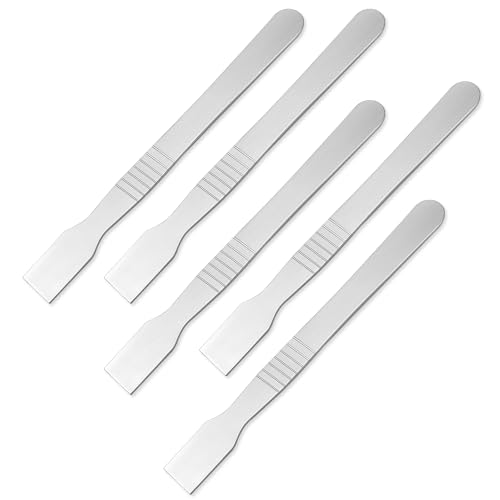
5Pcs Small Metal Scraper Tool Non-Scratch Cleaning Tool Multi-Use Scraping Tools for Removing Labels Oil Stains Food in Narrow Spaces and Gaps
- Versatile Multi-Use Scraper: Removes labels, stains, and food
- Dual-Edge Flat Design: Safe for various surfaces
- Compact and Portable: Easy to carry and store
As an affiliate, we earn on qualifying purchases.
As an affiliate, we earn on qualifying purchases.
Next Steps in Legal and Industry Responses
Google has indicated it is reviewing the ruling and considering its options, including potential appeals. Meanwhile, other tech companies and developers are watching closely, as this decision could influence future tactics in defending or challenging web scraping practices. Legal experts expect additional cases to test the boundaries of copyright law and data access rights in the coming months.
As an affiliate, we earn on qualifying purchases.
Key Questions
Can Google still use DMCA notices to stop web scraping?
Based on the ruling, Google cannot rely on DMCA notices as a blanket legal shield against scraping of publicly accessible data. The court clarified that the DMCA is not intended for this purpose.
Does this ruling mean all scraping of publicly available data is legal?
Not necessarily. The ruling limits the use of DMCA claims but does not address all legal issues related to scraping, such as potential violations of terms of service or other laws.
Will Google appeal the decision?
Google has not yet announced whether it will appeal, but legal experts suggest it is a possibility, and the case could continue in higher courts.
How might this decision affect other tech companies?
This ruling may restrict how companies use DMCA notices to prevent scraping, possibly encouraging more open data access or prompting companies to seek other legal protections.
Source: hn