
TL;DR

Get everyday helpers delivered free with Prime
- Fast, free delivery on millions of items
- Prime Video, Amazon Music and more included
- Member-only deals all year
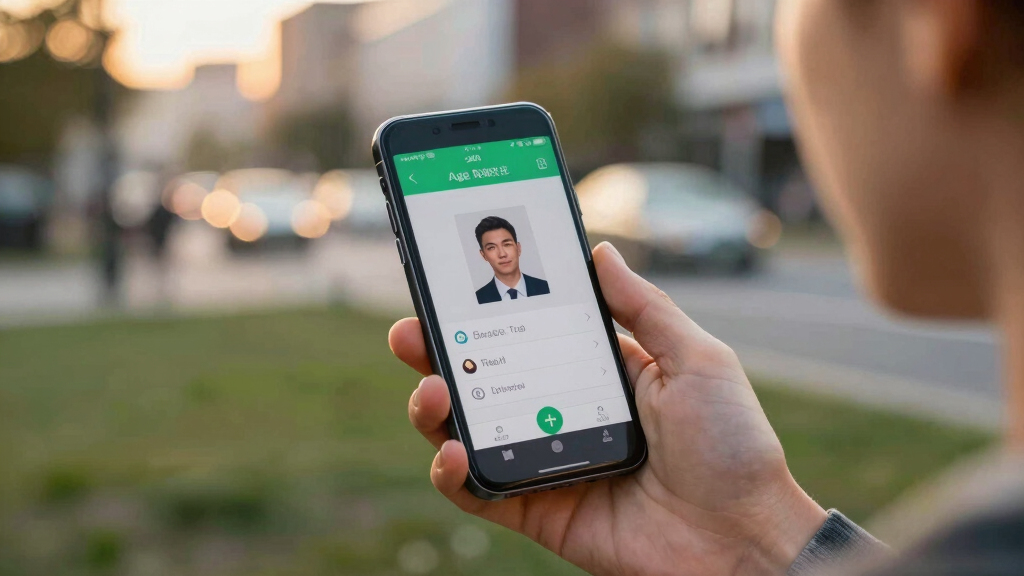
A new European age verification app is now mandatory for users, but it only supports Android and iOS devices. This development raises accessibility and privacy concerns, with further details still unclear.
European regulators have mandated a new “age verification” app designed to restrict access to certain online content and services, and the app is only available on Android and iOS devices. This move, confirmed by the European Commission, aims to enforce stricter age checks but has raised concerns about accessibility and privacy for users across the region.
The European Union announced the launch of a mandatory age verification app as part of new digital content regulations, which came into effect earlier this month. The app, developed by a consortium of tech firms and regulators, is intended to verify users’ ages before granting access to age-restricted online services, including social media, gaming, and streaming platforms.
According to official sources, the app is only compatible with Android and iOS operating systems, effectively excluding users with other devices or older smartphones. The European Commission stated that the app uses biometric verification and ID checks to confirm age, with the goal of protecting minors from inappropriate content.
Some users and privacy advocates have expressed concerns over the app’s data collection practices and the potential for increased surveillance. While the authorities emphasize privacy safeguards, critics question whether the biometric data will be securely stored and how user data might be used beyond age verification.
Implications for Accessibility and Privacy in Europe
This development is significant because it narrows the range of devices that can access age-restricted online content in Europe, potentially marginalizing users with incompatible devices or older smartphones. The mandatory app also raises questions about privacy and data security, especially given the biometric verification involved. As the EU enforces stricter digital content regulation, the move could set a precedent for other regions to adopt similar device-specific verification methods, impacting user rights and digital inclusivity.
Android biometric verification app
As an affiliate, we earn on qualifying purchases.
As an affiliate, we earn on qualifying purchases.
European Digital Regulations and Age Verification Measures
In recent years, the European Union has implemented various regulations aimed at protecting minors online, including the Digital Services Act and the Age-Appropriate Design Code. The new age verification app is part of these efforts, introduced following debates over online safety and content moderation. Previously, age checks were often voluntary or relied on third-party services, but this new regulation mandates a standardized, government-approved app.
The rollout aligns with broader EU initiatives to regulate digital platforms and enforce age-appropriate content restrictions. It follows similar measures in other regions, though the device-specific requirement is a notable departure from previous approaches that focused on platform-based or account-based verification.
“The new age verification app is a crucial step in safeguarding minors online and ensuring compliance with EU digital safety standards.”
— European Commission spokesperson
As an affiliate, we earn on qualifying purchases.
Outstanding Questions About Data Security and Device Compatibility
It remains unclear how the biometric data collected by the app will be stored, protected, or used beyond age verification. Details about whether the app will be mandated for all users or only for specific services are still emerging. Additionally, the impact on users with incompatible devices or those who cannot or do not wish to use Android or iOS remains uncertain.
privacy-focused biometric ID scanner
As an affiliate, we earn on qualifying purchases.
As an affiliate, we earn on qualifying purchases.
Next Steps in Implementation and User Adaptation
Authorities are expected to release further guidance on data privacy and technical requirements in the coming weeks. There will likely be ongoing discussions about potential exemptions, accessibility accommodations, and the handling of user data. Monitoring how the app performs in real-world use and addressing user feedback will be key in the coming months.
smartphone age verification device
As an affiliate, we earn on qualifying purchases.
As an affiliate, we earn on qualifying purchases.
Key Questions
Why is the app only available on Android and iOS?
The app’s developers and regulators have limited compatibility to these dominant platforms, citing security and integration reasons. However, this approach excludes users with other devices, raising accessibility concerns.
Does the app collect biometric data?
Yes, the app uses biometric verification, such as facial recognition or fingerprint scans, to confirm users’ ages. The privacy safeguards around this data are still being clarified by authorities.
Will this affect all online services in Europe?
Only services subject to the new age verification regulation are affected. Some platforms may require users to verify their age via the app before accessing age-restricted content.
Are there concerns about privacy and data security?
Yes, privacy advocates have raised concerns about biometric data collection and storage. The European Commission has assured that data will be protected, but details are still forthcoming.
What happens if a user has an incompatible device?
It is currently unclear whether alternative verification methods will be provided for users with non-compatible devices or older smartphones. This remains an area of ongoing discussion.
Source: hn
Fall Picks
fall essentials
As an affiliate, we earn on qualifying purchases.