TL;DR
Open a free Amazon Business account
Business pricing, bulk buying and tax-exempt orders.
Create a free accountAs an affiliate, we earn on qualifying purchases.
Talking to family about accessibility needs can be smooth and productive when approached with empathy and clarity. Sharing personal experiences, providing resources, and emphasizing mutual benefits help build support for necessary changes.
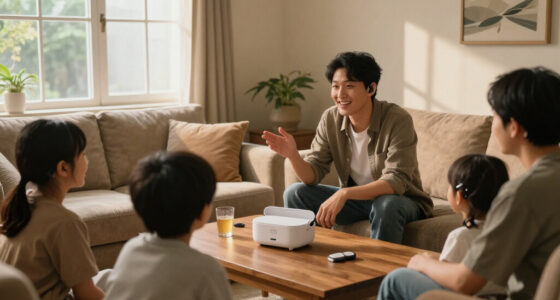
Imagine feeling the rich, textured sensation of a new assistive device or hearing your family’s surprised yet supportive reactions. It’s a moment that can turn a difficult conversation into a step toward better living. Talking to family about accessibility needs isn’t easy, but it’s a vital step in creating an environment where everyone can thrive.
In this guide, you’ll learn how to approach these conversations with confidence. From understanding your family’s perspective to sharing practical solutions, these strategies help you foster empathy and collaboration. Your voice matters—and with the right approach, you can make your home more welcoming and accessible for all.
Start the conversation during a calm, shared moment, framing it as a team effort for safety and comfort.
Share personal stories and real experiences to make accessibility needs relatable and impactful.
Use clear, simple information and resources to bust myths and build understanding.
Involve family members in planning modifications to foster ownership and support.
Be patient with emotional reactions and emphasize benefits for everyone to encourage ongoing support.
How to Talk to Family About Accessibility Needs
Approaching the topic of accessibility with empathy, clarity, and practical solutions turns a difficult conversation into a shared family project. Your voice matters—and with the right approach, your home can become safer and more welcoming for everyone.
Start during a calm, shared moment—frame it as a team effort for safety and comfort.
Share personal stories and real experiences to make needs relatable.
Use clear, simple resources to bust myths and build understanding.
Involve family in planning modifications to foster ownership.
Be patient with emotional reactions—emphasize benefits for everyone.
How to Open the Conversation Without Making It Awkward
Pick a calm, relaxed moment—over coffee or during a casual family chat. Begin with honesty, use a gentle tone, and focus on shared goals: safety, comfort, and independence. Framing it as a team effort reduces defensiveness. It’s about improving life for everyone, not pointing fingers.
Pick the Moment
Choose a calm, relaxed time—never mid-conflict or in a rush.
Open Honestly
Lead with genuine feelings, not accusations or demands.
Frame as Team
Present it as a shared family goal, not an individual burden.
Invite Ideas
Ask for input—”Can we talk about some ideas together?”
Keep It Open
No pressure to decide on the spot—leave room to reflect.
“I’ve been thinking about how we can make our home more comfortable for everyone.”
“I want us all to feel safe and able to move around easily. Can we talk about some ideas?”
“I understand this is a lot to think about—there’s no rush to decide today.”
Build Empathy, Bust Myths, and Plan Together
These four strategies work together: personal stories create emotional connection, clear facts dispel misconceptions, collaborative planning creates ownership, and patience turns resistance into support.
Use Personal Stories
Share moments when accessibility made a real difference—like how a simple ramp eased a friend’s visit. Stories turn abstract needs into tangible experiences that build empathy.
Share Clear, Respectful Info
Universal design—spaces that work from kids to seniors—benefits the whole family. Use videos, brochures, and websites to show modifications are investments, not burdens, easing fears about cost and aesthetics.
Involve Family in Planning
List specific modifications—ramps, lighting, furniture layout—with associated costs. Inviting feedback identifies preferences and compromises, turning upgrades into a family project that strengthens bonds.
Show How Accessibility Benefits the Whole Family
Accessibility improvements aren’t just for one person—they lift everyone. Framing modifications as family wins shifts the narrative from individual need to collective advantage, increasing buy-in and reducing resistance.
| Modification | Primary Need | Whole-Family Benefit | Impact |
|---|---|---|---|
| Widened doorways | Wheelchair & walker access | Easier to move strollers, furniture, and heavy groceries | ✓ Everyone |
| Better lighting | Low vision support | Reduces eye strain and accidents on stairs and in kitchens | ✓ Everyone |
| Grab bars | Mobility & balance | Extra security and peace of mind for all ages, and in emergencies | ✓ Everyone |
| Entry ramp | Step-free access | Safer deliveries, easier luggage, and smoother daily routines | ✓ Everyone |
| Lever handles | Reduced hand strength | Easier to open with full hands, for kids and seniors alike | ~ Minor cost |
Why These Conversations Work
Recent developments—growing advocacy, universal design principles, and smarter assistive technology—are making accessibility conversations more normalized and more productive than ever.
Bar lengths are illustrative representations of research trends: open family discussions, universal design reach, and assistive technology adoption. Sources: disability advocacy research and universal design studies.
Handle Emotional Reactions With Patience and Respect
Expect some resistance—denial, frustration, or concern are natural and valid. Listen actively, acknowledge feelings, and keep the dialogue going. Use “I” statements like “I feel safer when…” to reduce defensiveness, and follow up with concrete steps such as scheduling a home assessment together.
How do I start without upsetting anyone?
Approach with honesty, choose a calm moment, and frame the discussion around shared goals for comfort and safety.
What if my needs are dismissed?
Provide clear information, share personal experiences, and consider involving a neutral third party like a healthcare professional or counselor.
How do I explain needs to distant relatives?
Use virtual communication, share educational resources, and suggest practical solutions they can support remotely.
How do I handle resistance?
Be patient, listen actively, acknowledge concerns, and gently reiterate why accessibility matters for everyone’s quality of life.
Kickstart the Talk: How to Open the Conversation Without Making It Awkward
Starting the conversation about accessibility can feel daunting. The key is to pick a calm, relaxed moment—maybe over coffee or during a casual family chat. Begin with honesty, like, “I’ve been thinking about how we can make our home more comfortable for everyone.”
Use a gentle tone and focus on shared goals—safety, comfort, and independence. For example, you might say, “I want us all to feel safe and able to move around easily. Can we talk about some ideas?”
Remember, framing it as a team effort helps reduce defensiveness. It’s about improving life for everyone, not pointing fingers or assigning blame.
As an affiliate, we earn on qualifying purchases.
Use Personal Stories to Build Empathy and Understanding
Personal stories are powerful tools. Share a moment when accessibility made a difference—for example, how a simple ramp eased a visit from a friend with mobility issues. Highlighting these stories helps family members see the tangible benefits and emotional impact of accessibility improvements. When they understand how such changes positively affect real people, they are more likely to support them.
For instance, you might say, “When I used the grab bars in the bathroom, I felt more confident and less worried about slipping. I think it could help others, too.”
This approach turns abstract needs into real experiences, helping family members see the impact beyond just words or technical details. It fosters empathy by connecting emotional understanding with practical needs, which can motivate collective action and reduce resistance rooted in unfamiliarity or misconceptions.
As an affiliate, we earn on qualifying purchases.
Share Clear, Respectful Information to Bust Myths and Build Support
Providing straightforward facts helps dispel misconceptions. Sharing recent developments like the rise of universal design—creating spaces that work for everyone from kids to seniors—can shift perceptions. Explaining that these modifications aren’t just for a few but benefit the entire family emphasizes their practicality and broad utility.
Use easy-to-understand resources: videos, brochures, or websites. For example, “Here’s a video showing how a small ramp made a big difference for my friend with a wheelchair.”
Understanding the rationale behind these changes helps family members see them as essential investments rather than burdens. It also minimizes fears about cost or aesthetics by highlighting how these modifications can be seamlessly integrated and even add value to the home. The goal is to foster informed support by translating technical information into relatable benefits, which can be crucial for overcoming resistance and encouraging collective decision-making.
visual or hearing assistive technology
As an affiliate, we earn on qualifying purchases.
As an affiliate, we earn on qualifying purchases.
Present Practical Solutions and Involve Family in Planning
When discussing accessibility, focus on specific modifications—like installing a ramp, adding better lighting, or rearranging furniture. Making a detailed list of ideas and associated costs allows for transparent discussion. Inviting family feedback on these options not only fosters collaboration but also helps identify preferences and potential compromises.
This collaborative process is vital because it respects everyone’s input, making solutions more likely to be embraced. For example, you might say, “I found a budget-friendly ramp option that I think would work well. Do you have ideas or preferences?”
Engaging family members in planning creates a shared sense of ownership and pride in the improvements. It also helps manage expectations and ensures that solutions are realistic, sustainable, and tailored to your household’s specific needs. The collective effort can turn accessibility upgrades from a personal initiative into a family project that strengthens bonds and commitment.
As an affiliate, we earn on qualifying purchases.
Handle Emotional Reactions With Patience and Respect
Expect some resistance or emotional responses—denial, frustration, or concern are common. The trick is to listen actively and acknowledge their feelings. Recognizing these emotions as natural and valid helps create a safe space for dialogue. For example, saying, “I understand this is a lot to think about,” shows empathy and patience.
Sharing your perspective calmly, emphasizing that your goal is safety and independence, can reduce defensiveness. For instance, “I don’t want to feel worried every time I move around the house. Small changes can make a big difference.”
Patience and ongoing dialogue are essential because initial resistance often stems from fear of change or misunderstanding. Reassuring family members that modifications are meant to enhance everyone’s safety and quality of life can gradually turn resistance into understanding. This process requires time and consistent communication, fostering trust and openness, which are crucial for long-term support and cooperation.
Show How Accessibility Benefits the Whole Family
Highlight how accessibility improvements aren’t just for one person—they lift everyone. Widened doorways make moving furniture easier, better lighting helps with reading or cooking, and grab bars provide extra security for all ages.
Framing these modifications as family wins emphasizes their universal benefits. For example, a wider doorway can make moving a stroller or heavy groceries smoother, reducing strain and preventing accidents. Better lighting benefits everyone by reducing eye strain and accidents, especially in areas like staircases or kitchens. Grab bars, while essential for safety, also provide peace of mind for family members with mobility concerns or during emergencies.
This perspective helps shift the narrative from individual need to collective advantage, increasing buy-in and reducing resistance. When family members see how these changes improve daily routines and safety for all, they are more likely to support and participate in the process, fostering a more inclusive and proactive household environment.
Key Strategies for Ongoing, Respectful Dialogue
Good conversations don’t happen in one shot. Keep the dialogue open and ongoing. Regular check-ins, updates, or new ideas help keep everyone engaged. Use “I” statements to express your feelings and needs—like, “I feel safer when…”—which reduces defensiveness.
Follow up with concrete steps, like scheduling a home assessment or researching options together. Patience, active listening, and a collaborative tone turn these talks into ongoing teamwork. Recognizing that attitudes and needs may evolve over time encourages continuous engagement and adaptation, ensuring that accessibility remains a priority as circumstances change and new challenges arise.
Frequently Asked Questions
How do I bring up accessibility without making my family feel uncomfortable?
Choose a relaxed moment and frame the talk as a way to improve everyone’s safety and comfort. Use gentle language and share personal stories or benefits that resonate with family members. Most important, listen actively and be patient with their reactions.
What if my family dismisses my needs or resists change?
Provide clear, simple information about why changes are necessary, and share positive experiences or examples. Involving a neutral third party, like a healthcare professional, can also help bridge understanding and address concerns.
How can I explain my needs to relatives who live far away?
Use virtual calls, send educational resources, and suggest practical ways they can support—like helping research solutions or providing financial assistance. Clear communication keeps everyone involved, no matter the distance.
What are some practical, budget-friendly modifications I can suggest?
Simple changes like adding non-slip rugs, installing lever-style door handles, or using portable ramps can make a big difference. Focus on solutions that are affordable and easy to implement, emphasizing how they improve safety for everyone.
How do I maintain ongoing support and understanding after the initial talk?
Keep the conversation alive through regular updates, sharing success stories, and involving family in maintenance or further modifications. Showing appreciation and highlighting positive outcomes encourages continued support.
Conclusion
Talking about accessibility isn’t just about making physical changes—it’s about building understanding and teamwork. Approach these conversations with patience, empathy, and clear information. When everyone feels heard, you turn obstacles into opportunities for a stronger, more supportive family environment.
Remember: a single conversation can spark lasting change. Trust your voice, stay open, and keep the dialogue flowing. Your home can be a place where independence and dignity flourish for all.
Fall yard work Picks
leaf blowers
As an affiliate, we earn on qualifying purchases.