
TL;DR
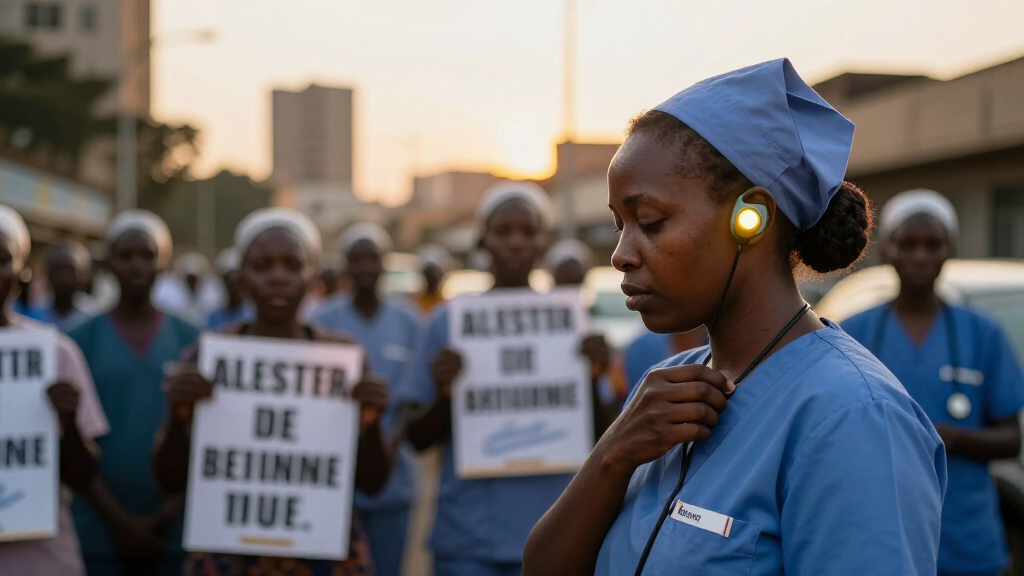
Nurses in Nairobi have begun protests demanding better working conditions, citing issues such as staffing shortages and inadequate facilities. The protests are drawing attention to longstanding challenges in Kenya’s healthcare system.
Nurses in Nairobi staged protests on April 27, 2024, demanding improved working conditions, including better staffing, facilities, and pay. The protests involve dozens of healthcare workers and have disrupted services at several hospitals, drawing national attention to Kenya’s healthcare sector challenges.
The protests were initiated by nurses from multiple public hospitals in Nairobi, who gathered outside hospital premises to voice their grievances. According to sources on the ground, the nurses are protesting against longstanding issues such as staffing shortages, inadequate protective gear, low wages, and poor working conditions that have worsened amid ongoing healthcare demands.
Reports indicate that the protests began early in the morning and have led to the suspension of non-emergency services at some facilities. Nurses are calling for immediate government intervention to address their concerns, with some demanding a review of their employment terms and improved safety measures.
Officials from the Ministry of Health have acknowledged the protests but have not yet provided detailed responses or a timeline for addressing the grievances. The Kenya National Union of Nurses (KNUN) has expressed support for the protests, emphasizing that the nurses’ demands are justified given the current state of the healthcare system.
Impact on Kenya’s Healthcare System and Policy Response
The protests highlight critical issues within Kenya’s healthcare system, including staffing shortages, inadequate resources, and low wages, which threaten to undermine service delivery. The unrest could escalate if authorities do not engage with the nurses’ demands promptly, potentially affecting patient care nationwide. The protests also underscore the need for systemic reforms to improve healthcare worker conditions, which are vital for the country’s public health resilience and recovery from ongoing health crises.As an affiliate, we earn on qualifying purchases.
Longstanding Challenges in Kenyan Healthcare Workforce
Kenya’s healthcare sector has faced persistent challenges over the past decade, including a shortage of healthcare workers, underfunding, and inadequate infrastructure. Nurses, who constitute the largest segment of healthcare providers, have frequently voiced concerns over poor working conditions, low pay, and safety issues, especially during the COVID-19 pandemic.
Previous protests have led to some government promises of reforms, but many issues remain unresolved. The current wave of protests signals that these longstanding grievances have not been adequately addressed, and may reflect broader dissatisfaction within the health workforce.
As an affiliate, we earn on qualifying purchases.
Unresolved Questions About Protest Scope and Government Response
It remains unclear how widespread the protests will become, whether they will spread to other regions, or how the government plans to address the grievances in detail. The extent of service disruptions and potential negotiations are still developing, and officials have not yet announced concrete measures or timelines for resolution.
As an affiliate, we earn on qualifying purchases.
Expected Next Steps in Negotiations and Service Restoration
Authorities are expected to hold talks with the nurses’ union in the coming days to address demands. The government may also deploy mediators to facilitate dialogue. Healthcare facilities are likely to experience ongoing disruptions until an agreement is reached, and further protests could occur if issues remain unresolved. Monitoring of the situation will be crucial in the coming weeks.
As an affiliate, we earn on qualifying purchases.
Key Questions
Why are Kenyan nurses protesting now?
The nurses are protesting due to longstanding issues such as staffing shortages, poor working conditions, inadequate protective gear, and low wages, which have worsened amid ongoing health sector challenges.
How might this affect healthcare services in Nairobi?
The protests have already led to the suspension of some non-emergency services at hospitals, and further disruptions could occur if the protests continue or escalate.
Has the government responded to the protests?
The Ministry of Health has acknowledged the protests and stated they are engaging with the nurses, but detailed plans or resolutions have not yet been announced.
Could this protest spread to other parts of Kenya?
It is possible, given the underlying issues are nationwide, but at this stage, protests are centered in Nairobi. Authorities may face pressure to extend negotiations if grievances persist.
What are the long-term implications of these protests?
The protests underscore the need for systemic reforms in Kenya’s healthcare workforce, and their resolution could influence future policies on healthcare worker conditions and funding.
Source: local