
TL;DR
Accessible switches and outlets should be easy to operate, well-placed, and visually or tactilely distinguishable. Smart and modern options like motion sensors and voice control further enhance independence, and understanding standards like ADA helps you choose wisely.
Ever tried flipping a toggle switch with stiff fingers or in the dark? It’s frustrating—and dangerous. The right light switches and outlets aren’t just about convenience; they’re about safety, independence, and dignity. If you or someone you care for faces mobility or vision challenges, choosing accessible options can transform daily living.
In this guide, you’ll learn how to pick switches and outlets that are easy to operate, well-placed, and smart enough to fit modern needs. No fluff—just practical tips to make your home more welcoming, functional, and compliant.
Choose lever or touch-activated switches for easier operation, especially if you have limited hand strength.
Install switches and outlets between 15 and 48 inches from the floor for maximum accessibility.
Use high-contrast colors and tactile features to help users with visual impairments identify controls by touch or sight.
Smart options like motion sensors and voice control add convenience and independence, especially for tech-savvy or mobility-challenged users.
Verify your home’s compliance with ADA and local standards—professional help can ensure everything is up to code.
What Makes a Light Switch or Outlet Truly Accessible?
Accessible switches are simple to operate, within reach, and easy to see or feel. Think of a lever that glides with minimal effort, or a touch switch that responds to a gentle tap. Placement matters—installing them at heights between 15 and 48 inches from the floor ensures everyone, including those in wheelchairs, can reach and operate them comfortably. The deeper significance here is that proper placement and design reduce the risk of accidents and frustration, fostering independence. When switches are hard to reach or require significant force, users may resort to unsafe stretching or may be unable to operate them at all, compromising safety and autonomy.
Visual and tactile features boost usability. High-contrast colors help those with limited sight, while textured markings let users identify switches by touch. For example, a bright red toggle in a white wall or a raised dot on a touch plate can make a significant difference. These features aren’t just cosmetic—they serve as critical cues that prevent misoperation and reduce confusion, especially in emergencies or low-light situations. Understanding these design choices helps you decide which features will best serve your household’s needs and avoid costly mistakes that could compromise safety or accessibility.

Leviton 15 Amp Decora LED Illuminated Light Wall Switch Single-Pole, L5611-2W, White
- Compatibility: Works with LED, CFL, incandescent loads
- Illumination: Remains lit in OFF position for visibility
- Design: Modern white LED inside switch
As an affiliate, we earn on qualifying purchases.
As an affiliate, we earn on qualifying purchases.
How to Pick the Perfect Switch Type for Different Needs
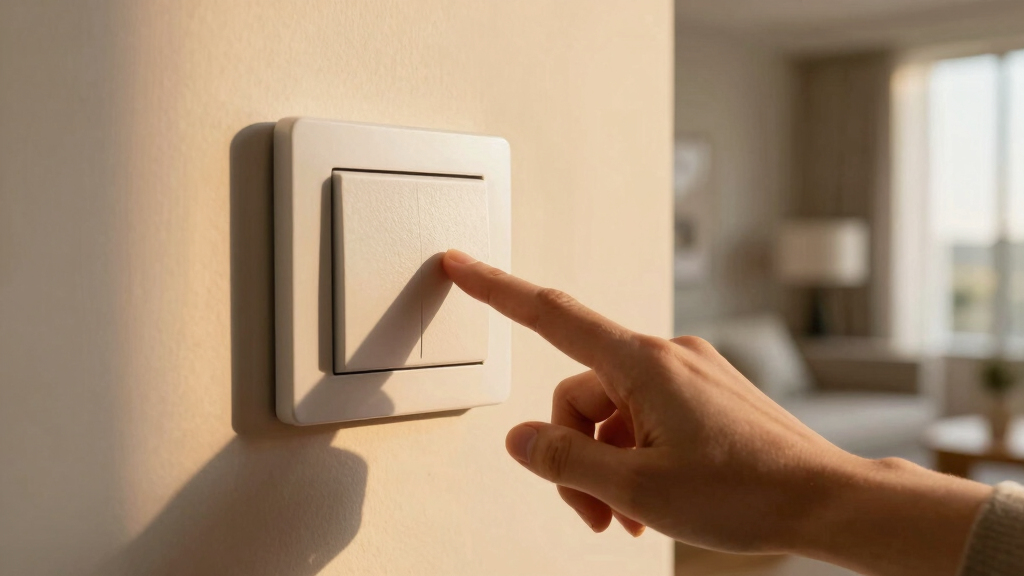
- Levers vs. Toggle: Levers are often more accessible because they require less force and can be operated with a simple push, making them ideal for users with arthritis or limited grip strength. Toggling, on the other hand, may require more precision and force, which can be difficult for some users. Choosing a lever over a toggle isn’t just about ease—it’s about reducing strain and making the environment more inclusive. Consider the tradeoff: levers may be bulkier or less traditional, but they significantly improve usability for many users.
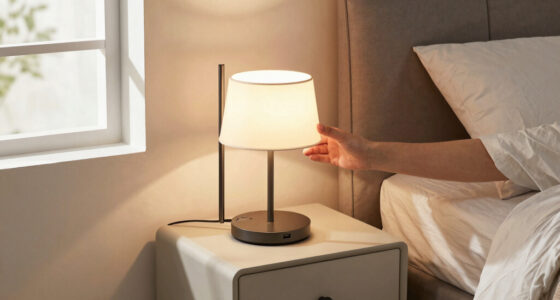
- Touch-Activated Switches: Respond to a light tap or swipe, which can be invaluable for people with limited dexterity or in situations where reaching is difficult. They often come with sleek, modern aesthetics, but the key is their responsiveness—poorly calibrated touch switches can cause frustration or misoperation. When selecting these, test their responsiveness and durability. Think about placement—are they easy to see and reach? Do they integrate well into the existing decor? These considerations ensure you choose a solution that’s both functional and visually compatible.
- Smart and Automated Options: Motion sensors turn lights on as you enter a room, reducing the need for manual operation, while voice-controlled switches allow for hands-free operation—ideal for individuals with mobility challenges. Wireless switches and automation systems can be customized to fit specific routines, making daily tasks seamless. However, they require setup and maintenance, and their reliability depends on internet connectivity and device compatibility. When evaluating these options, consider your household’s tech comfort level, the reliability of the system, and potential tradeoffs like power dependency or privacy concerns. These choices can dramatically enhance independence but require thoughtful integration.
Choosing the right type depends on individual needs. For example, a lever might be best for someone with arthritis, while a touch switch suits tech-savvy users. Think about your daily routines, physical capabilities, and aesthetic preferences to make informed decisions that truly improve your environment.

Leviton 15 Amp, 120 Volt, Toggle Framed Single-Pole AC Quiet Switch, Residential Grade, Grounding, 1451-2W, White
- Installation Method: Side wiring and push-in terminals
- Terminal Compatibility: Accepts No. 12 AWG wire
- Push-in Terminals: Accepts No. 14 AWG wire
As an affiliate, we earn on qualifying purchases.
As an affiliate, we earn on qualifying purchases.
Compare Common Switch and Outlet Features at a Glance
| Feature | Traditional Toggle | Lever Switch | Touch-Activated | Smart Switch |
|---|---|---|---|---|
| Ease of Use | Moderate | High | High | High (with setup) |
| Visual Contrast | Low | High | Variable | High |
| Tactile Feedback | Yes | Yes | No | Depends on model |
| Placement Flexibility | Limited | Flexible | Flexible | Very flexible |

Kasa Smart Motion Sensor Switch, Single Pole, Needs Neutral Wire, 2.4GHz Wi-Fi Light Switch, Works with Alexa & Google Assistant, UL Certified, No Hub Required(KS200MP2),White,2-Pack
- Advanced Motion Detection: Hands-free light control with motion sensing
- Daylight Detection: Senses daylight to prevent unnecessary lighting
- Smart & Away Modes: Custom routines and automatic on/off
As an affiliate, we earn on qualifying purchases.
As an affiliate, we earn on qualifying purchases.
Best Placement and Height for Accessibility
Proper placement is key. Position switches and outlets 15 to 48 inches from the floor, depending on who uses the space. For example, in a wheelchair-accessible kitchen, installing switches at 36 inches ensures they’re within easy reach without stretching or bending.
Keep pathways clear—no furniture or clutter blocking access. Imagine a living room with a light switch right next to the door, at a height that someone seated in a wheelchair can reach comfortably. That’s how good placement looks.
As an affiliate, we earn on qualifying purchases.
How to Make Your Home Meet ADA and Accessibility Standards
ADA guidelines set clear rules: switches should be operable with one hand, requiring minimal force, and placed within a reachable height. According to ADA standards, the maximum height for switches is 48 inches, and they must not require tight grasping or pinching.
Check local building codes, which often align with ADA but can have extra requirements. For example, a retrofit project might involve installing rocker switches or motion sensors to comply with these standards seamlessly.
Hiring a professional ensures your home meets all regulations and that installation is safe and correct.
Latest Trends in Accessible and Smart Lighting Controls
Smart switches are changing the game. Many now connect to Wi-Fi, allowing you to control lights through apps or voice commands. Motion sensors, like those that turn on lights as you walk into a room, add convenience and safety.
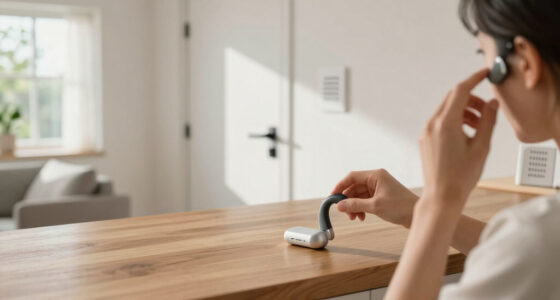
Wireless, battery-powered switches can be placed anywhere—near beds, recliners, or even outdoors—without wiring hassles. Adaptive switches with customizable activation methods (sip-and-puff, switch scanning) cater to a wide range of abilities.
For example, a homeowner with limited hand mobility might install a motion-activated switch in the living room, reducing the need to reach or press buttons.
Key Facts Every Homeowner Should Know
ADA guidelines specify switches must be operable with one hand and require no tight grasping or pinching. Reachability should be between 15 and 48 inches from the floor. High-contrast colors improve visibility, and tactile features help those with vision impairments.
Implementing these features isn’t just about compliance; it’s about fostering a safer, more inclusive environment. When you choose switches with these considerations in mind, you’re proactively reducing hazards, preventing accidents, and supporting independence for all users. Recognizing the importance of these details means you’re making a meaningful investment in safety and accessibility that benefits everyone in your home.
Answering Your Top Questions About Accessible Switches & Outlets
- What type of switch is best for limited hand strength? Lever-style or touch-activated switches are easiest to operate, requiring less force and grip. Choosing the right type can significantly reduce frustration and physical strain, making everyday tasks more manageable and less tiring.
- How high should switches and outlets be installed? Between 15 and 48 inches from the floor, depending on user needs and mobility. Proper height placement ensures accessibility for wheelchair users, children, and individuals with limited reach, preventing unnecessary strain or unsafe stretching.
- Are smart switches more accessible? Yes, especially when combined with voice control or automation, but they need compatible devices and setup. They can eliminate physical barriers, but consider the learning curve and reliability before making a full switch.
- Can I retrofit my home with accessible switches? Absolutely. Many models are designed for easy, wiring-free installation in existing homes, making upgrades feasible without extensive renovations. Planning ahead and consulting professionals can optimize placement and compliance.
- How do I ensure my home meets ADA standards? Consult local codes and consider professional installation for compliance and safety. This proactive approach ensures your home is both accessible and legally compliant, avoiding costly modifications later.
Conclusion
Smart placement and thoughtful choices turn everyday switches into tools for independence. Focus on ease of operation, visibility, and adaptability—your home becomes safer and more welcoming for everyone.
Imagine walking into a room where lights turn on effortlessly at your command or with a simple gesture. That’s the power of choosing the right switches and outlets. Make your home work for you, with dignity and ease.