
TL;DR
The EU Commission has officially declared that Instagram and Facebook’s design practices violate the Digital Services Act. This development marks a significant step in regulating social media platforms’ design choices. The outcome could lead to fines or mandated changes, but details on enforcement are still emerging.
The European Union Commission has formally declared that Instagram and Facebook are in breach of the Digital Services Act (DSA) due to their use of addictive design features. This marks a significant regulatory move against major social media platforms, emphasizing the EU’s stance on protecting users from manipulative design practices.
The EU Commission stated that both Instagram and Facebook employ design techniques that intentionally increase user engagement, such as infinite scrolling and personalized content feeds, which are considered addictive under the DSA. The announcement follows an investigation prompted by concerns over user well-being and the platforms’ compliance with new digital regulations. The Commission has indicated that these practices violate the transparency and safety provisions of the DSA, which aims to curb harmful online practices and promote responsible platform design.While the EU has not yet specified penalties, the breach could lead to fines of up to 6% of the companies’ global turnover or orders to modify their interface designs. Both companies have yet to respond publicly to the EU’s findings, but industry observers expect legal and regulatory follow-up in the coming months. This move underscores the EU’s broader efforts to regulate large tech firms and curb manipulative digital practices.
This development signals a strong stance by the EU against platforms that prioritize engagement metrics over user well-being. It could set a precedent for increased regulatory scrutiny of social media companies worldwide, especially regarding design features that encourage excessive use. The ruling may also compel platforms to redesign their interfaces to comply with the DSA, impacting their business models and user experience. For users, this could mean less manipulative content and more transparent platform practices, aligning with broader efforts to promote digital safety and responsibility.
anti-addiction smartphone apps
As an affiliate, we earn on qualifying purchases.
As an affiliate, we earn on qualifying purchases.
EU’s Digital Services Act and Platform Responsibilities
Enforced since late 2022, the Digital Services Act (DSA) aims to create a safer online environment by regulating large online platforms. It requires transparency in content moderation, accountability for harmful content, and responsible platform design. The EU’s investigation into Instagram and Facebook was part of a broader review of how platforms implement these rules, especially concerning addictive features that encourage prolonged use. Previous regulatory actions have targeted content moderation and misinformation; this is among the first to focus explicitly on design practices.
“Platforms must prioritize user safety and transparency. Addictive design features violate the principles of the Digital Services Act.”
— EU Commissioner for Competition

Digital Wellbeing: Empowering Connection with Wonder and Imagination in the Age of AI
As an affiliate, we earn on qualifying purchases.
As an affiliate, we earn on qualifying purchases.
Unclear Details on Penalties and Specific Changes
It remains unclear what specific penalties will be imposed on Instagram and Facebook, or how quickly they will be required to alter their design practices. The EU has indicated potential fines or mandated changes but has not yet announced formal enforcement actions or timelines. Additionally, the precise scope of what constitutes ‘addictive design’ under the DSA is still under legal interpretation, and further clarification from regulators is expected.
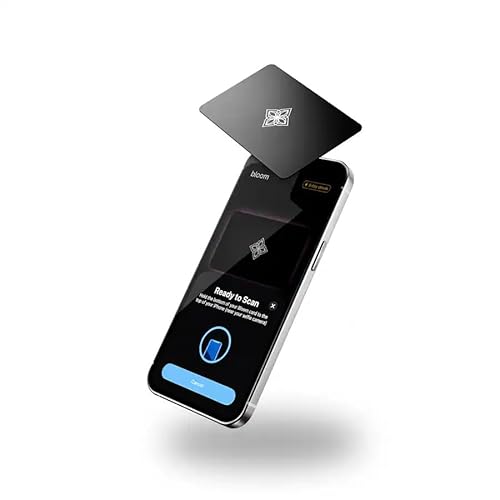
Bloom Card – App Blocker & Screen Time Tool – As Seen On Shark Tank – Subscription-Free Focus Device – Stainless Steel Keycard for iPhone & Android
LOCK APPS AND WEBSITES INSTANTLY – Bloom is a stainless steel NFC keycard that blocks your most distracting…
As an affiliate, we earn on qualifying purchases.
As an affiliate, we earn on qualifying purchases.
Next Steps in EU Regulatory Enforcement
The EU Commission is expected to issue formal notices or fines in the coming months, along with detailed instructions for platform compliance. Both companies may appeal or seek negotiations, but the regulatory momentum suggests increased scrutiny of digital platform design. Industry observers anticipate that this case could influence future regulations and platform practices across the EU and beyond.

Bark Phone – Safest Phone for Kids & Teens – Monitor Texts, Social Media, and More – Tamper Proof Parental Controls – GPS Tracking – Unlimited Talk/Text A16
ACTIVATION REQUIRED: After purchase, users will select a monthly data plan. Starter plan: $29/mo. Wi-Fi only: $39/mo. 4GB:…
As an affiliate, we earn on qualifying purchases.
As an affiliate, we earn on qualifying purchases.
Key Questions
What specific features did the EU find to be addictive?
The EU identified features such as infinite scrolling, personalized content feeds, and engagement-driven notifications as contributing to addictive use, violating transparency requirements under the DSA.
Could this lead to fines for Instagram and Facebook?
Yes, the EU has the authority to impose fines of up to 6% of global turnover if the platforms fail to comply with the DSA requirements. The exact penalties will depend on subsequent enforcement actions.
Potentially, yes. Platforms may be required to modify or remove features deemed manipulative or addictive to meet regulatory standards, impacting their user engagement strategies.
No, but it is among the first to explicitly target addictive design features under the new Digital Services Act framework.
Source: hn